著名医師による解説が無料で読めます
すると翻訳の精度が向上します
背景:複数の研究では、不安障害のある個人では喫煙率とニコチン依存率が増加することが実証されています。ただし、研究デザイン(横断対象対前向け)、評価された人口(ランダムサンプル対臨床集団)、および利用される診断機器など、この関係を調査する疫学文献には、著しい変動性が存在します。 方法:認識された構造化された臨床診断基準(精神障害の診断および統計マニュアル(DSM)または疾患の国際分類(ICD))を利用して不安障害診断のための国際的な分類を利用した人口ベースの観察研究の系統的レビューを実施しました。 結果:合計で、47の研究が事前に定義された包含基準を満たし、12の研究が将来の情報を提供し、5つの研究が準環境情報を提供します。入手可能な証拠は、いくつかのベースライン不安障害が喫煙とニコチン依存の開始の危険因子であることを示唆していますが、証拠は不均一であり、多くの研究は併存物質使用障害の効果を制御しませんでした。しかし、特定された証拠は、いくつかの不安障害(パニック障害、全身性不安障害など)の発症の危険因子であるとして、タバコの喫煙とニコチン依存がより一貫してサポートしているように見えましたが、これらの発見はすべての研究では再現されていません。文献の多くの矛盾が特定されました。 結論:多くの研究では、不安障害のある個人の喫煙率とニコチン依存率の増加が実証されていますが、検証済みの診断基準を使用して人口研究でこの関係を前向きに調査した限られた、異種の文献があります。最も一貫した証拠は、パニック障害と一般化不安障害のリスクを高めるため、喫煙とニコチン依存をサポートしています。喫煙とニコチン依存を増加させる不安障害を評価する文献は一貫性がありません。現在の文献に関する潜在的な問題が議論されており、将来の研究の方向性が提案されています。
背景:複数の研究では、不安障害のある個人では喫煙率とニコチン依存率が増加することが実証されています。ただし、研究デザイン(横断対象対前向け)、評価された人口(ランダムサンプル対臨床集団)、および利用される診断機器など、この関係を調査する疫学文献には、著しい変動性が存在します。 方法:認識された構造化された臨床診断基準(精神障害の診断および統計マニュアル(DSM)または疾患の国際分類(ICD))を利用して不安障害診断のための国際的な分類を利用した人口ベースの観察研究の系統的レビューを実施しました。 結果:合計で、47の研究が事前に定義された包含基準を満たし、12の研究が将来の情報を提供し、5つの研究が準環境情報を提供します。入手可能な証拠は、いくつかのベースライン不安障害が喫煙とニコチン依存の開始の危険因子であることを示唆していますが、証拠は不均一であり、多くの研究は併存物質使用障害の効果を制御しませんでした。しかし、特定された証拠は、いくつかの不安障害(パニック障害、全身性不安障害など)の発症の危険因子であるとして、タバコの喫煙とニコチン依存がより一貫してサポートしているように見えましたが、これらの発見はすべての研究では再現されていません。文献の多くの矛盾が特定されました。 結論:多くの研究では、不安障害のある個人の喫煙率とニコチン依存率の増加が実証されていますが、検証済みの診断基準を使用して人口研究でこの関係を前向きに調査した限られた、異種の文献があります。最も一貫した証拠は、パニック障害と一般化不安障害のリスクを高めるため、喫煙とニコチン依存をサポートしています。喫煙とニコチン依存を増加させる不安障害を評価する文献は一貫性がありません。現在の文献に関する潜在的な問題が議論されており、将来の研究の方向性が提案されています。
BACKGROUND: Multiple studies have demonstrated that rates of smoking and nicotine dependence are increased in individuals with anxiety disorders. However, significant variability exists in the epidemiological literature exploring this relationship, including study design (cross-sectional versus prospective), the population assessed (random sample versus clinical population) and diagnostic instrument utilized. METHODS: We undertook a systematic review of population-based observational studies that utilized recognized structured clinical diagnostic criteria (Diagnostic and Statistical Manual of Mental Disorders (DSM) or International Classification of Diseases (ICD)) for anxiety disorder diagnosis to investigate the relationship between cigarette smoking, nicotine dependence and anxiety disorders. RESULTS: In total, 47 studies met the predefined inclusion criteria, with 12 studies providing prospective information and 5 studies providing quasiprospective information. The available evidence suggests that some baseline anxiety disorders are a risk factor for initiation of smoking and nicotine dependence, although the evidence is heterogeneous and many studies did not control for the effect of comorbid substance use disorders. The identified evidence however appeared to more consistently support cigarette smoking and nicotine dependence as being a risk factor for development of some anxiety disorders (for example, panic disorder, generalized anxiety disorder), although these findings were not replicated in all studies. A number of inconsistencies in the literature were identified. CONCLUSIONS: Although many studies have demonstrated increased rates of smoking and nicotine dependence in individuals with anxiety disorders, there is a limited and heterogeneous literature that has prospectively examined this relationship in population studies using validated diagnostic criteria. The most consistent evidence supports smoking and nicotine dependence as increasing the risk of panic disorder and generalized anxiety disorder. The literature assessing anxiety disorders increasing smoking and nicotine dependence is inconsistent. Potential issues with the current literature are discussed and directions for future research are suggested.
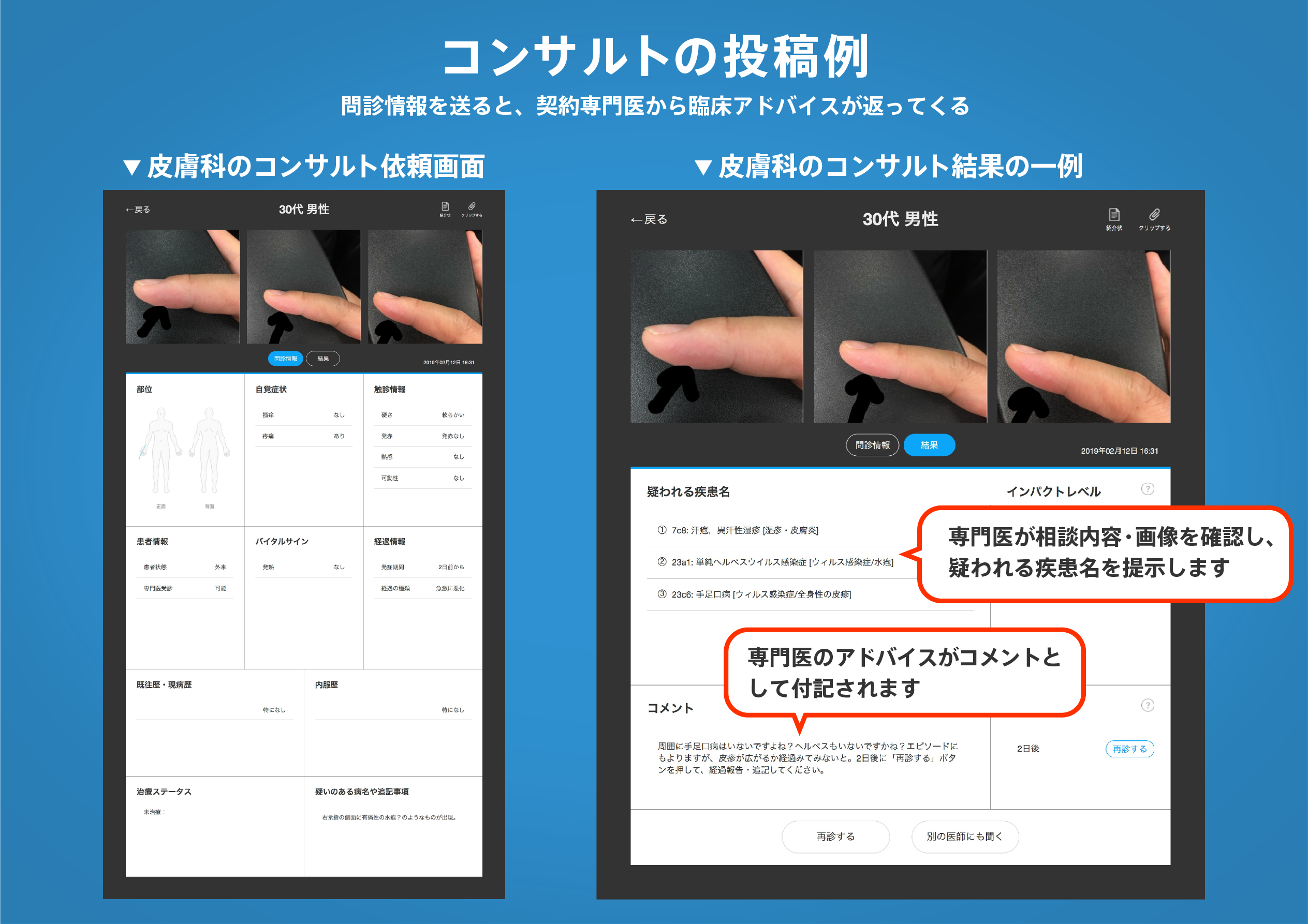
医師のための臨床サポートサービス
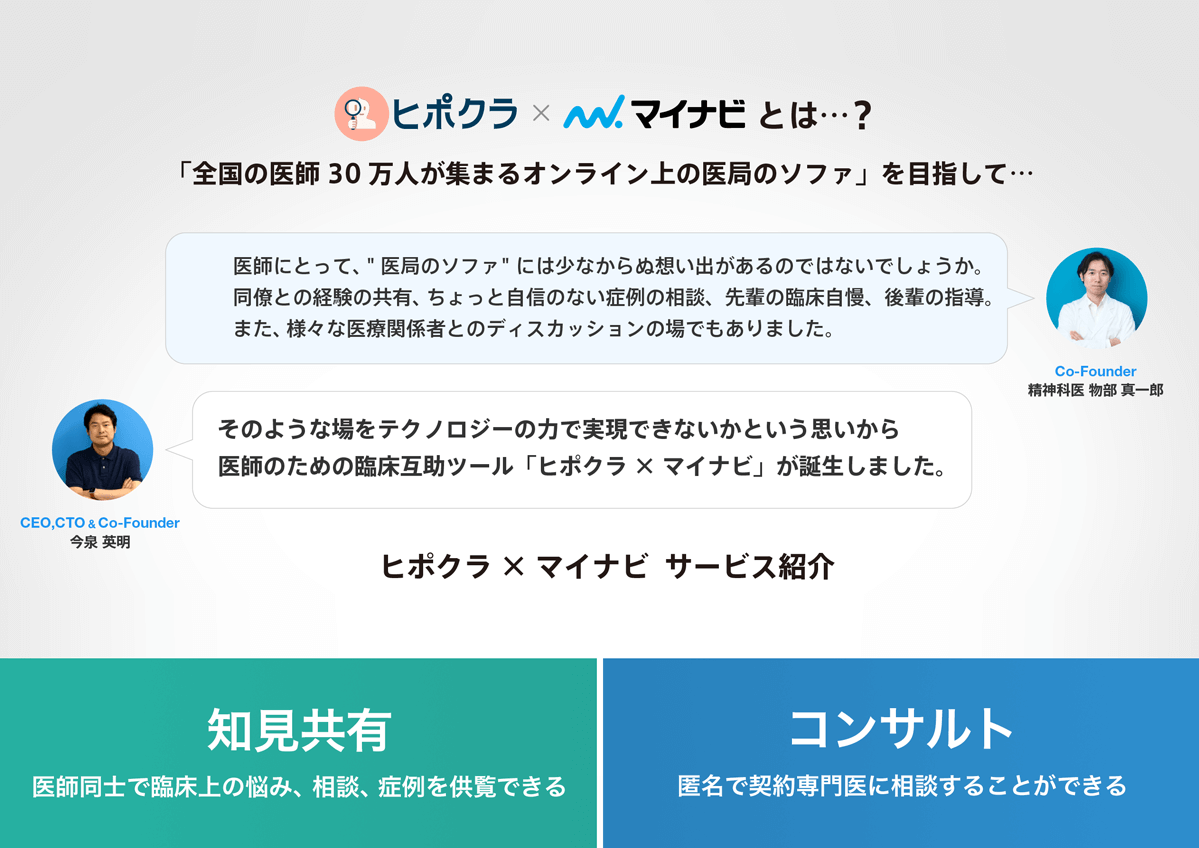
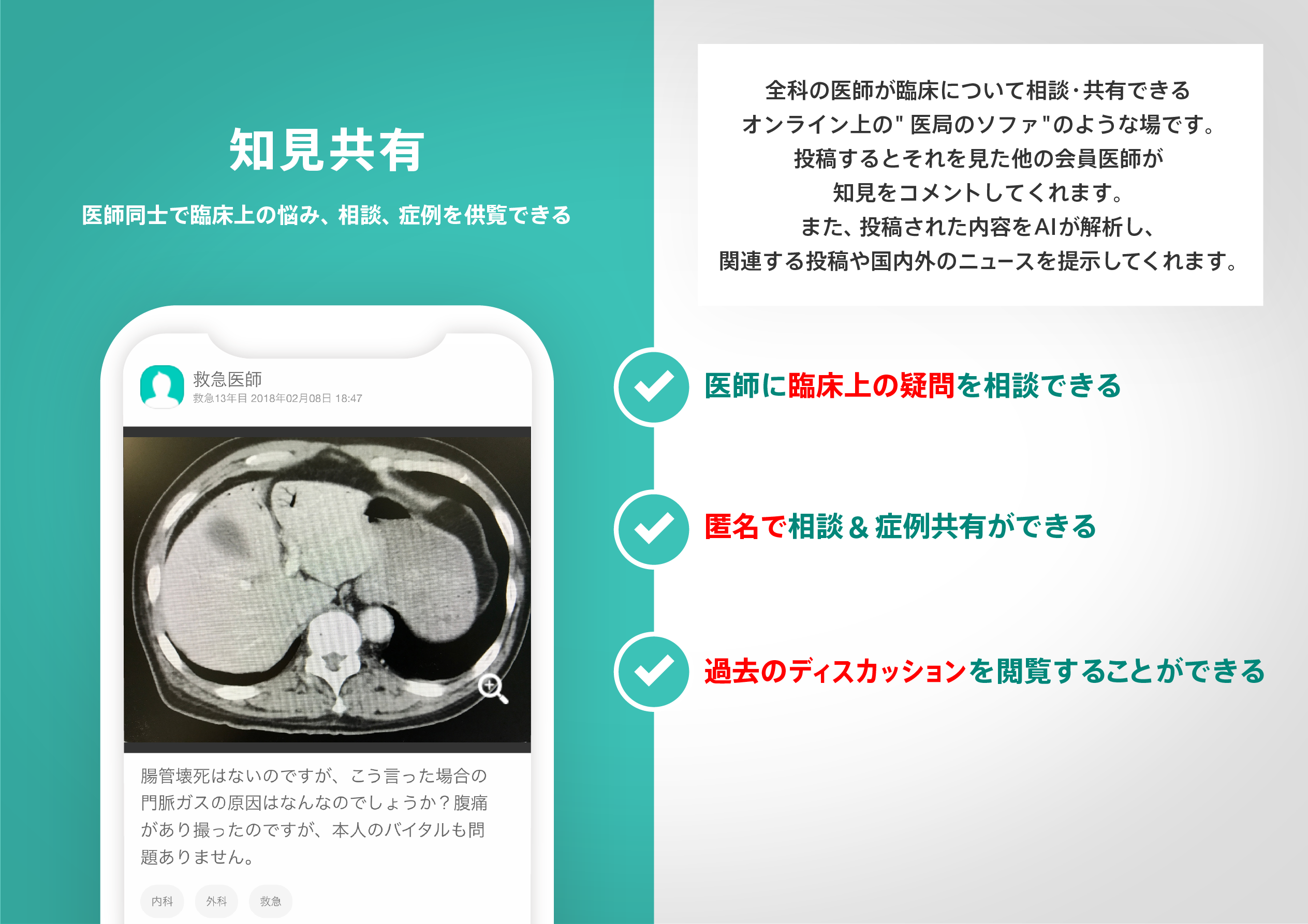
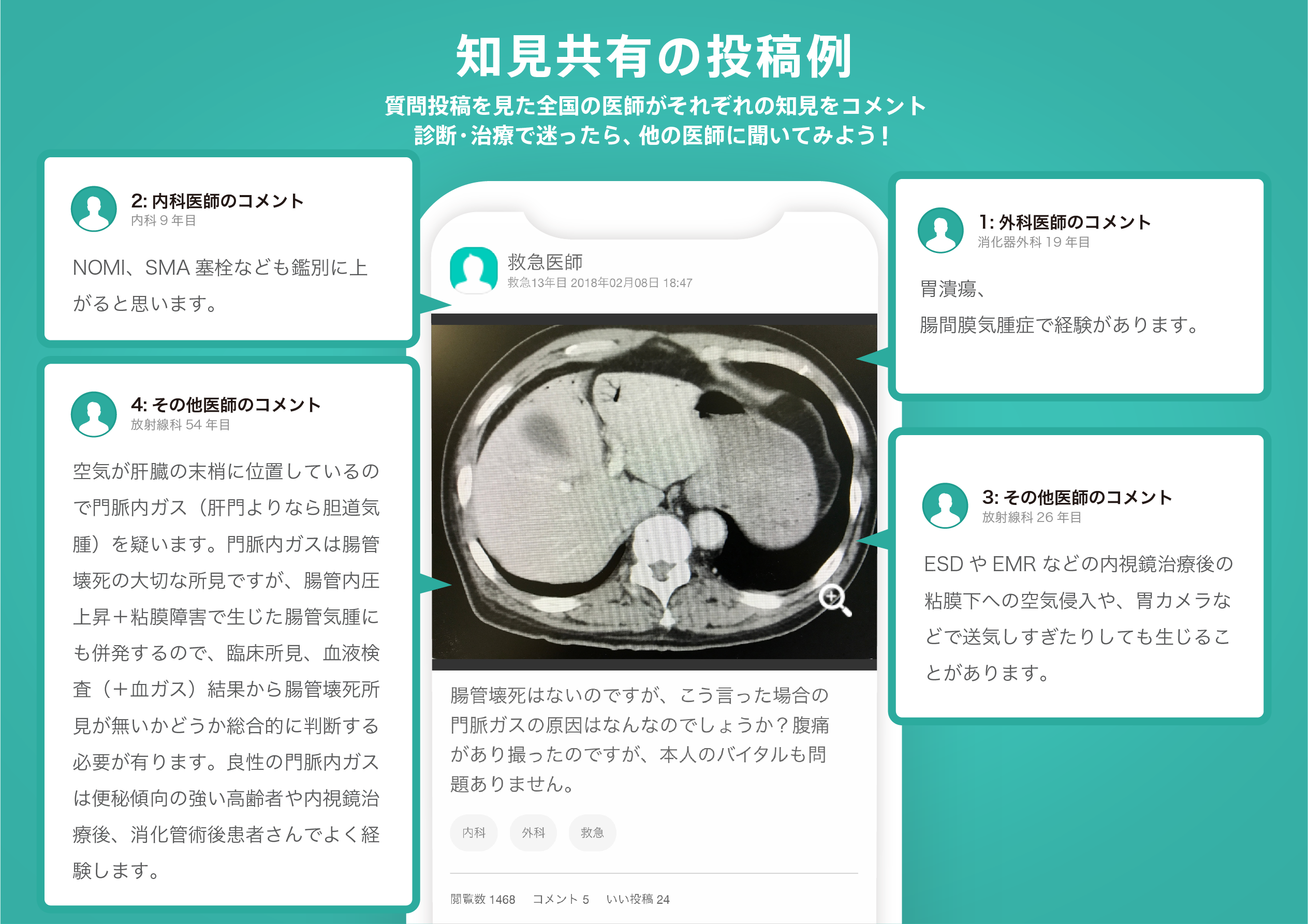
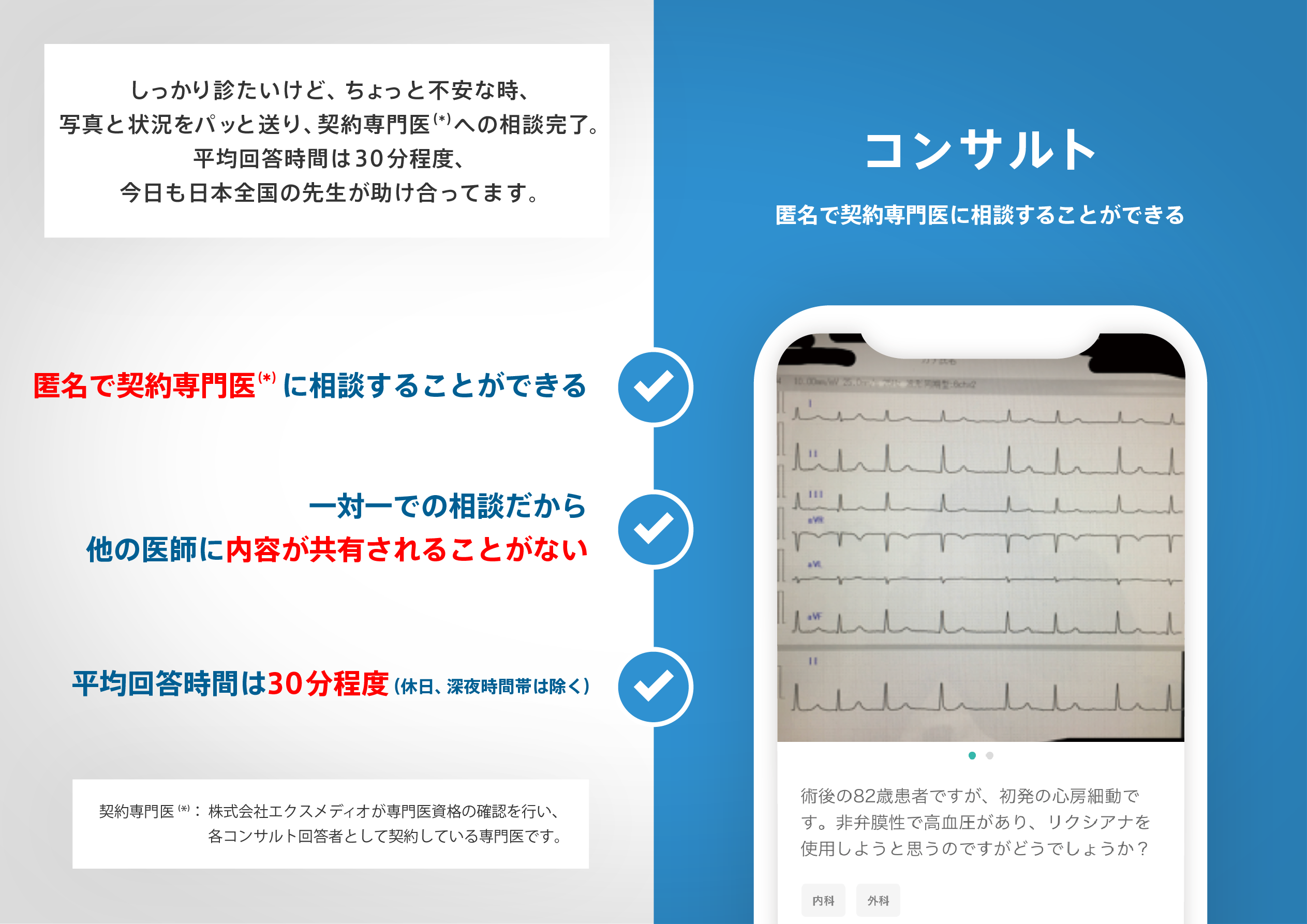
ヒポクラ x マイナビのご紹介

無料会員登録していただくと、さらに便利で効率的な検索が可能になります。