著名医師による解説が無料で読めます
すると翻訳の精度が向上します
キチン修正は、植物の病原体に対する土壌の抑制性を高める可能性のある有望な土壌管理戦略です。ただし、分解プロセスで発生する推定的な連続を含む、追加されたキチンの影響についてはほとんど理解していません。私たちは、pHの隣のキチンのレベルが変化した中程度の酸性土壌の実験を行いました。キチナーゼ活性の検査により、7日目に酵素活性のピークが発生した、追加の粗キチンに対する高速な応答が明らかになりました。PCR変異勾配ゲル電気泳動(DGGE)ベースの分析は、16S RRNAおよびCHIA遺伝子の分析を示しました。キチンの添加とpHの変化後の細菌群集。パイロシーケンス分析により、(i)土壌中のチア遺伝子タイプの多様性は膨大であり、(i)異なる卓越した土壌pH値でキチンを添加することにより、異なるチア遺伝子タイプが選択されることが示されました。興味深いことに、追加されたキチン(16S RRNA遺伝子の存在量とチア遺伝子タイプに基づく)に対する即時の反応におけるアクチノバクテリアのマイナーであるグラム陰性菌の主要な役割が示されました。この研究の結果は、キチンに対する土壌細菌群集の反応の理解を高め、土壌抑制性の理解と新規酵素の土壌の採掘の可能性の両方に役立ちます。
キチン修正は、植物の病原体に対する土壌の抑制性を高める可能性のある有望な土壌管理戦略です。ただし、分解プロセスで発生する推定的な連続を含む、追加されたキチンの影響についてはほとんど理解していません。私たちは、pHの隣のキチンのレベルが変化した中程度の酸性土壌の実験を行いました。キチナーゼ活性の検査により、7日目に酵素活性のピークが発生した、追加の粗キチンに対する高速な応答が明らかになりました。PCR変異勾配ゲル電気泳動(DGGE)ベースの分析は、16S RRNAおよびCHIA遺伝子の分析を示しました。キチンの添加とpHの変化後の細菌群集。パイロシーケンス分析により、(i)土壌中のチア遺伝子タイプの多様性は膨大であり、(i)異なる卓越した土壌pH値でキチンを添加することにより、異なるチア遺伝子タイプが選択されることが示されました。興味深いことに、追加されたキチン(16S RRNA遺伝子の存在量とチア遺伝子タイプに基づく)に対する即時の反応におけるアクチノバクテリアのマイナーであるグラム陰性菌の主要な役割が示されました。この研究の結果は、キチンに対する土壌細菌群集の反応の理解を高め、土壌抑制性の理解と新規酵素の土壌の採掘の可能性の両方に役立ちます。
Chitin amendment is a promising soil management strategy that may enhance the suppressiveness of soil toward plant pathogens. However, we understand very little of the effects of added chitin, including the putative successions that take place in the degradative process. We performed an experiment in moderately acid soil in which the level of chitin, next to the pH, was altered. Examination of chitinase activities revealed fast responses to the added crude chitin, with peaks of enzymatic activity occurring on day 7. PCR-denaturing gradient gel electrophoresis (DGGE)-based analyses of 16S rRNA and chiA genes showed structural changes of the phylogenetically and functionally based bacterial communities following chitin addition and pH alteration. Pyrosequencing analysis indicated (i) that the diversity of chiA gene types in soil is enormous and (i) that different chiA gene types are selected by the addition of chitin at different prevailing soil pH values. Interestingly, a major role of Gram-negative bacteria versus a minor one of Actinobacteria in the immediate response to the added chitin (based on 16S rRNA gene abundance and chiA gene types) was indicated. The results of this study enhance our understanding of the response of the soil bacterial communities to chitin and are of use for both the understanding of soil suppressiveness and the possible mining of soil for novel enzymes.
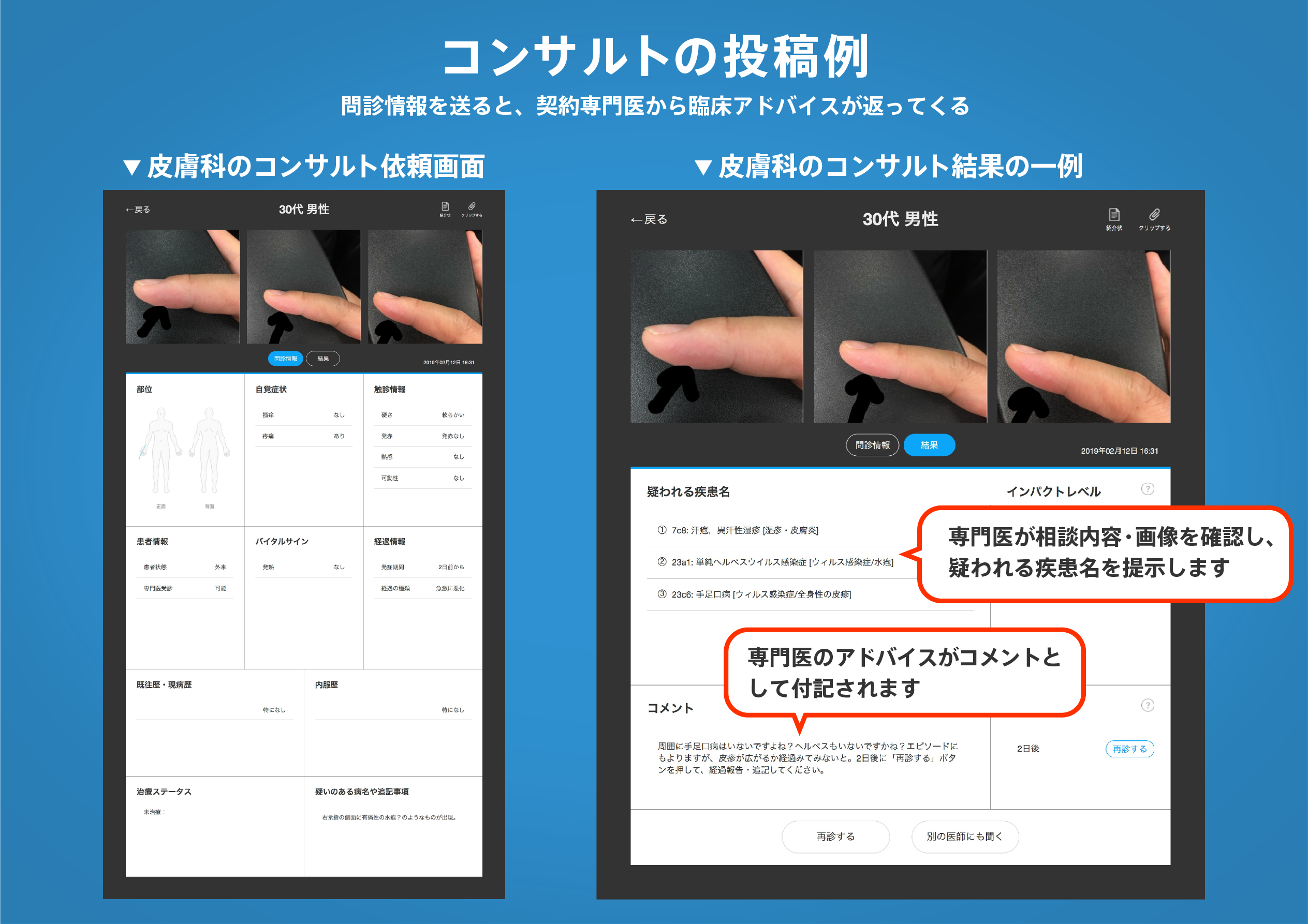
医師のための臨床サポートサービス
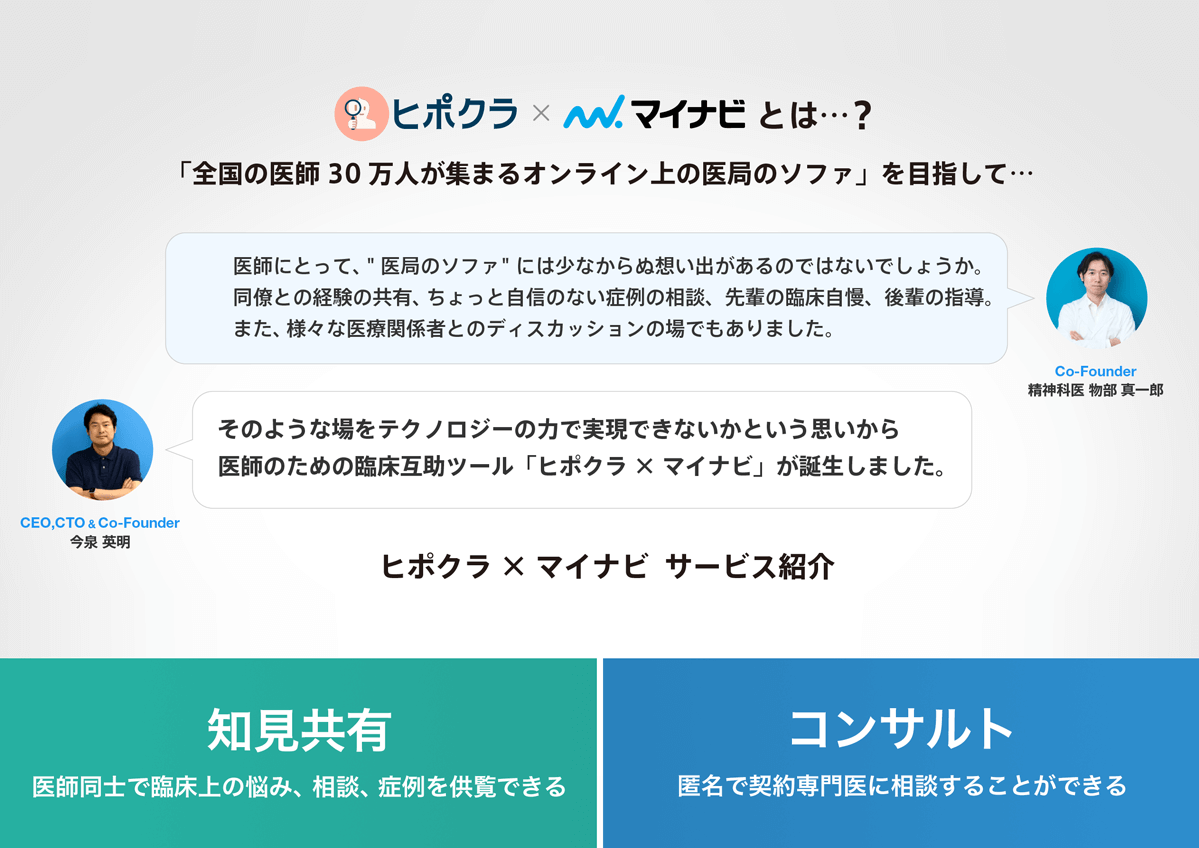
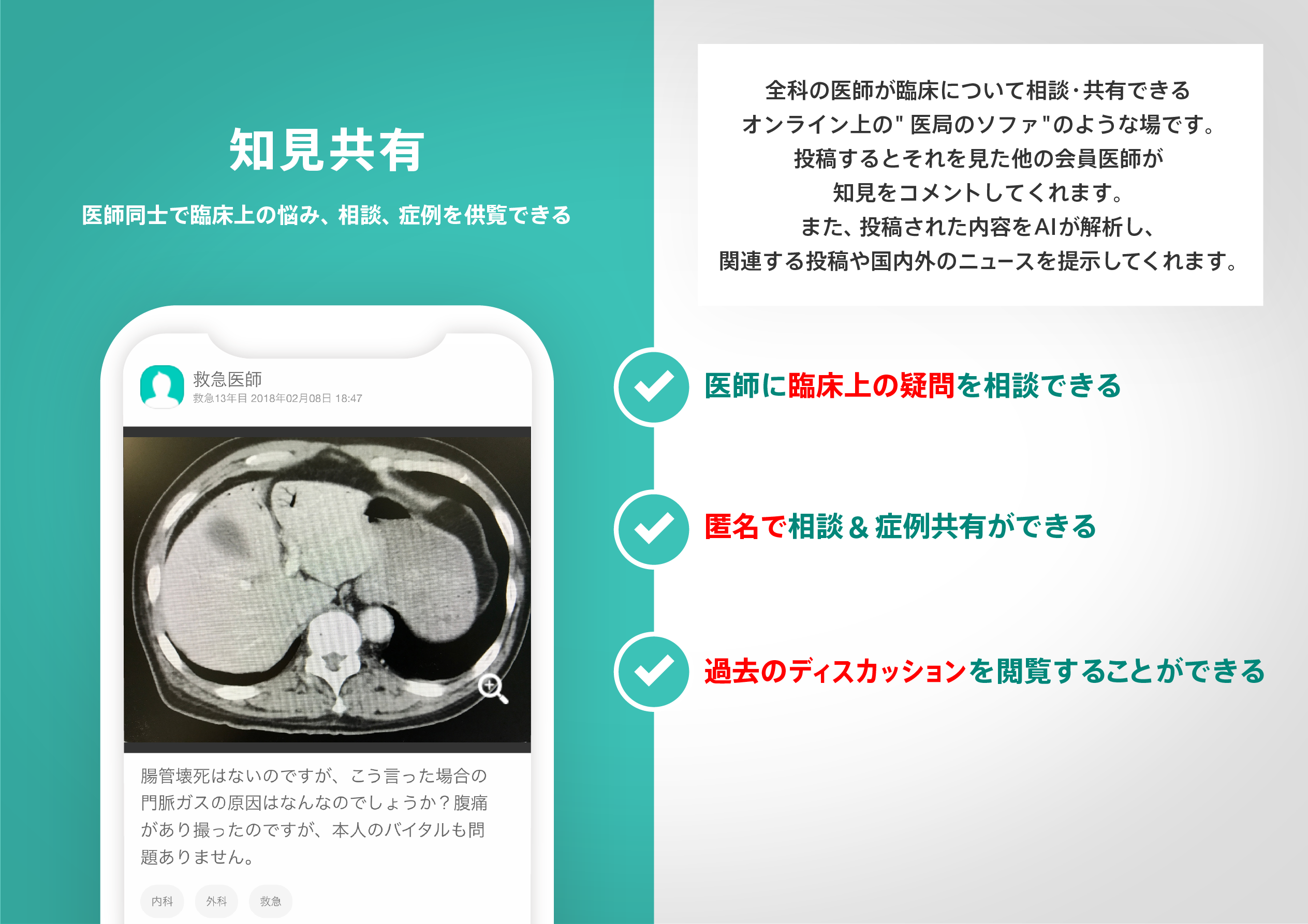
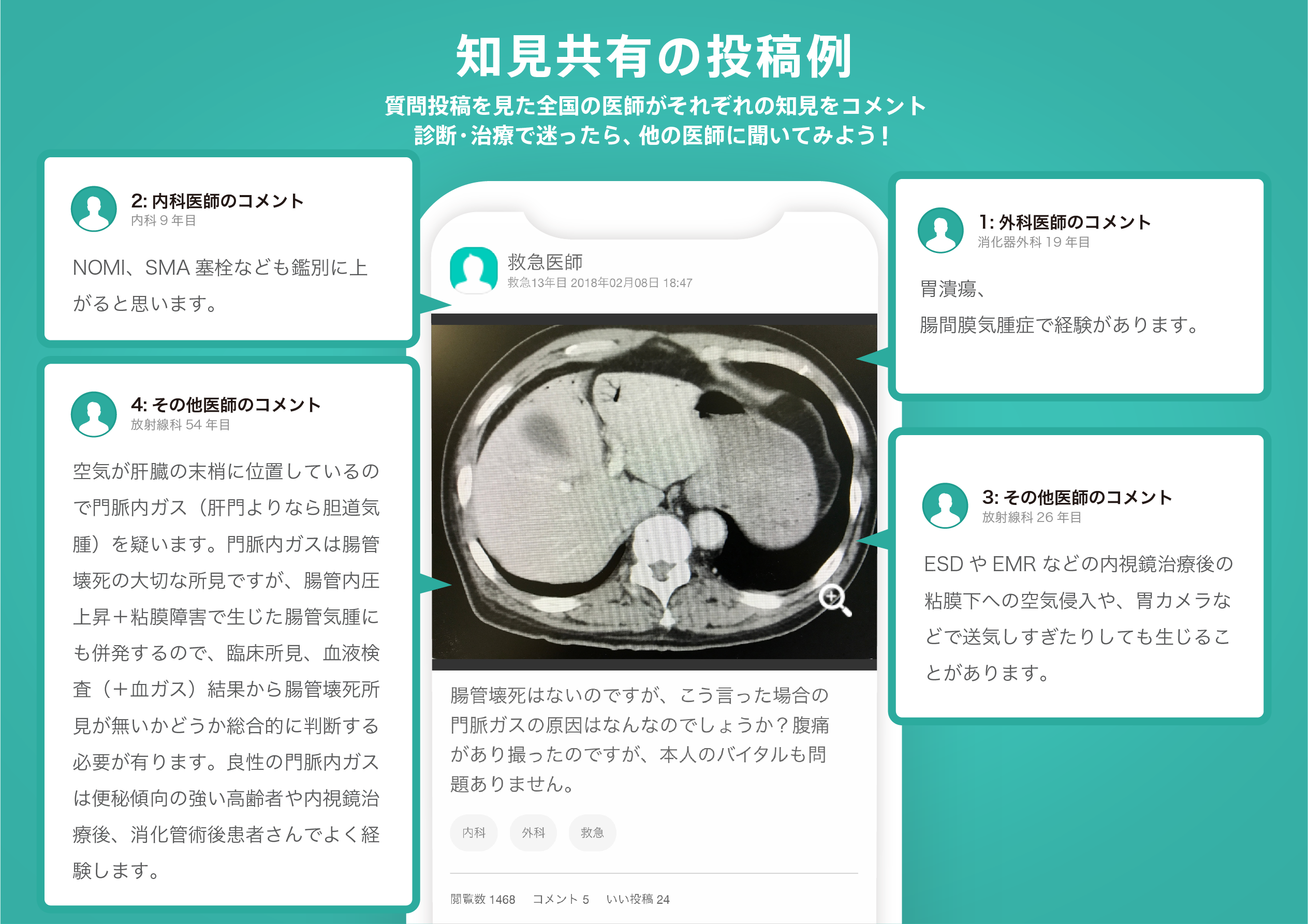
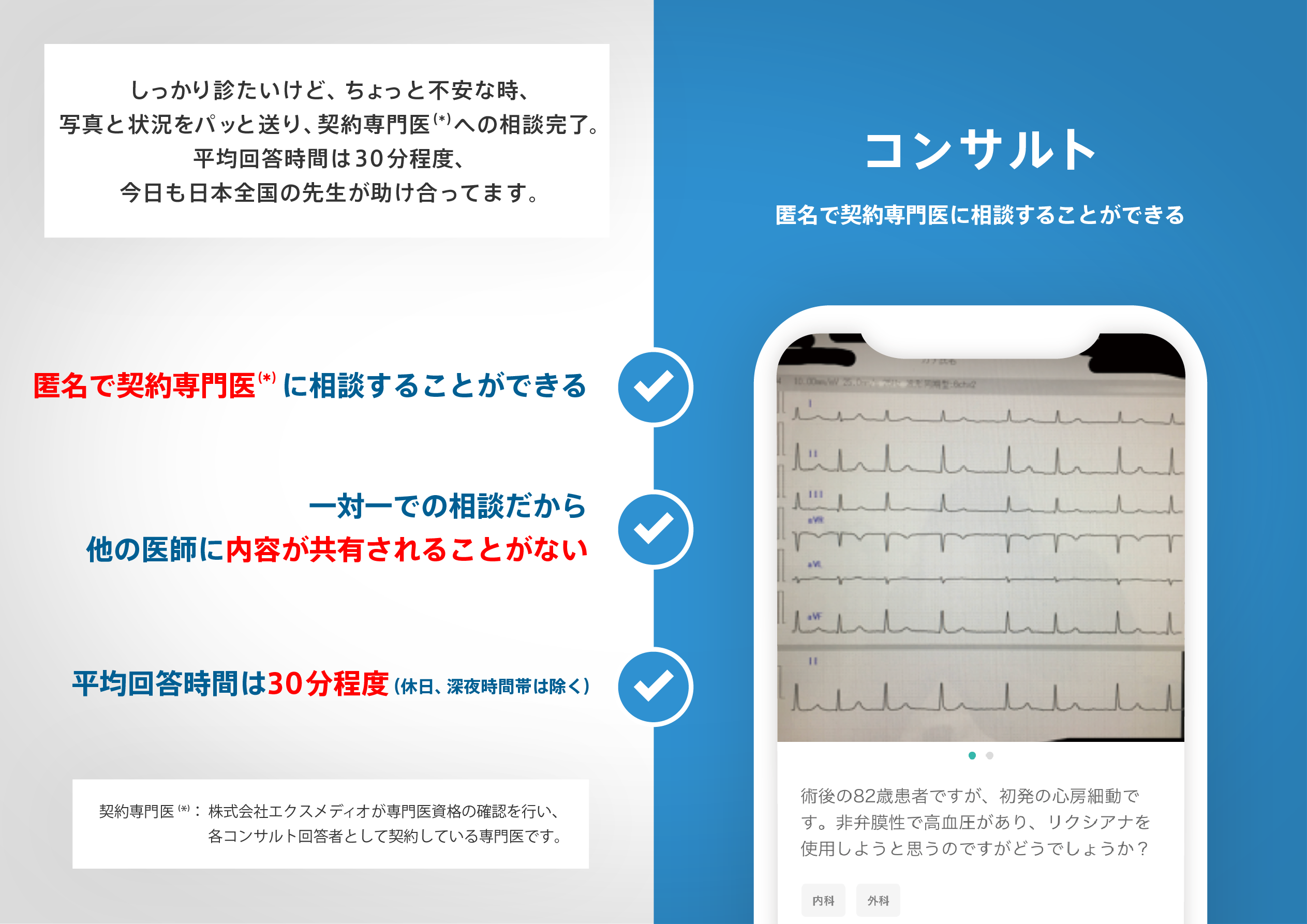
ヒポクラ x マイナビのご紹介

無料会員登録していただくと、さらに便利で効率的な検索が可能になります。