著名医師による解説が無料で読めます
すると翻訳の精度が向上します
目的:知的障害(ID)の高齢者におけるミニ栄養評価(MNA)の実現可能性と信頼性。 設計:機器開発。 設定:IDを持つ人のための3つのケア提供者。 参加者:50歳以上の48人が、深遠なIDとその専門的な介護者から境界線を持っています。 測定:MNAは、参加者(n = 12)と介護者(n = 48)とのインタビュー、および参加者の物理的評価(n = 47)によって実行されました。実現可能性の側面:インタビューの完了、インタビュー項目への回答の難しさ、インタビューの期間、身体評価の完了。信頼性の側面:介護者と参加者と介護者間の観察者間の信頼性、テストと再テストの信頼性と内部一貫性。観察者間およびテストと再テストの信頼性については、クラス内相関係数(ICC)が計算され、内部一貫性Chronbachのアルファが計算されました。 結果:すべての参加者と介護者はインタビューの部分を完了しました。個人的にインタビューした12人の参加者と介護者のいずれも、15の質問のうち少なくとも3つの質問に答えるのは困難でした。インタビューの平均期間は、参加者では7分、介護者では4分でした。身体評価は、40人の参加者(85.1%)で正常に実行されました。残りの7人の参加者(14.9%)の欠損値は、医療記録から取得されました。介護者間のテスト再テストおよび観察者間の信頼性のICC(95%信頼区間)はそれぞれ0.85(0.72-0.92)と0.86(0.74-0.92)でしたが、介護者とIDの人の間のICCは低く、0.03(-0.51-0.59)でした。内部一貫性は0.61でした。 結論:MNAは実現可能であり、IDを持つ高齢者にとって信頼性があります。インタビューデータは、介護者を通じて確実に取得できますが、IDを持つ人々を通じてではありません。
目的:知的障害(ID)の高齢者におけるミニ栄養評価(MNA)の実現可能性と信頼性。 設計:機器開発。 設定:IDを持つ人のための3つのケア提供者。 参加者:50歳以上の48人が、深遠なIDとその専門的な介護者から境界線を持っています。 測定:MNAは、参加者(n = 12)と介護者(n = 48)とのインタビュー、および参加者の物理的評価(n = 47)によって実行されました。実現可能性の側面:インタビューの完了、インタビュー項目への回答の難しさ、インタビューの期間、身体評価の完了。信頼性の側面:介護者と参加者と介護者間の観察者間の信頼性、テストと再テストの信頼性と内部一貫性。観察者間およびテストと再テストの信頼性については、クラス内相関係数(ICC)が計算され、内部一貫性Chronbachのアルファが計算されました。 結果:すべての参加者と介護者はインタビューの部分を完了しました。個人的にインタビューした12人の参加者と介護者のいずれも、15の質問のうち少なくとも3つの質問に答えるのは困難でした。インタビューの平均期間は、参加者では7分、介護者では4分でした。身体評価は、40人の参加者(85.1%)で正常に実行されました。残りの7人の参加者(14.9%)の欠損値は、医療記録から取得されました。介護者間のテスト再テストおよび観察者間の信頼性のICC(95%信頼区間)はそれぞれ0.85(0.72-0.92)と0.86(0.74-0.92)でしたが、介護者とIDの人の間のICCは低く、0.03(-0.51-0.59)でした。内部一貫性は0.61でした。 結論:MNAは実現可能であり、IDを持つ高齢者にとって信頼性があります。インタビューデータは、介護者を通じて確実に取得できますが、IDを持つ人々を通じてではありません。
OBJECTIVE: Feasibility and reliability of the Mini Nutritional Assessment (MNA) in older adults with intellectual disabilities (ID). DESIGN: Instrument development. SETTING: Three care providers for people with ID. PARTICIPANTS: 48 persons aged 50 years and over with borderline to profound ID and their professional caregivers. MEASUREMENTS: The MNA was performed by means of interviews with participants (N = 12) and caregivers (N = 48) and physical assessments of participants (N = 47). Aspects of feasibility: completion of interview, difficulty of answering interview items, duration of interview and completion of physical assessment. Aspects of reliability: inter-observer reliability between caregivers and between participants and caregivers, test-retest reliability and internal consistency. For inter-observer and test-retest reliability, intraclass correlation coefficients (ICC) were calculated, and for internal consistency Chronbach's alpha. RESULTS: All participants and caregivers completed the interview part. For 7 out of 12 personally interviewed participants and none of the caregivers, at least 3 out of 15 questions were difficult to answer. Mean duration of the interview was 7 minutes in participants and 4 minutes in caregivers. Physical assessment was successfully performed in 40 participants (85.1%). In the remaining 7 participants (14.9%) missing values were retrieved from the medical records. ICCs (95% confidence interval) for test-retest and inter-observer reliability between caregivers were good, 0.85 (0.72 - 0.92) and 0.86 (0.74 - 0.92) respectively, but ICC for inter-observer reliability between caregivers and persons with ID was low, 0.03 (-0.51 - 0.59). Internal consistency was 0.61. CONCLUSION: The MNA is feasible and reliable for older people with ID. Interview data can be reliably obtained through caregivers, but not through people with ID.
医師のための臨床サポートサービス
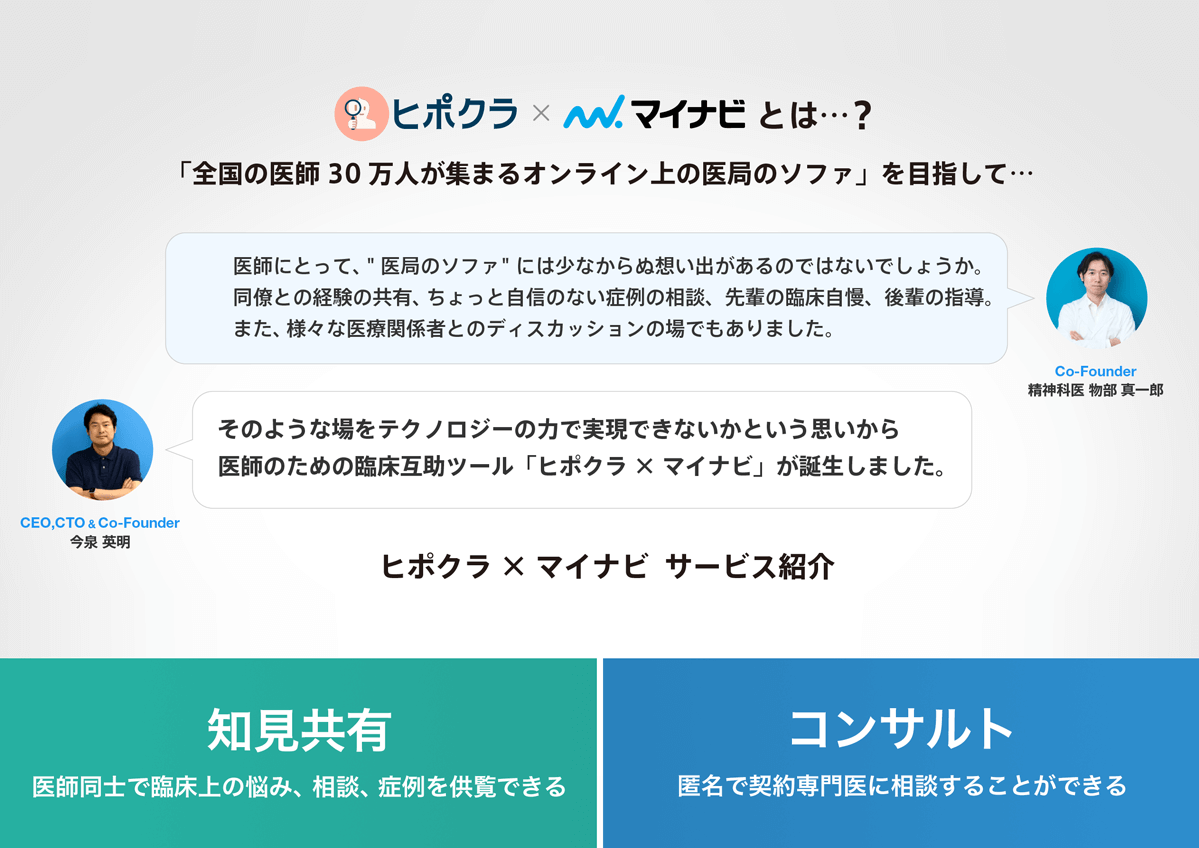
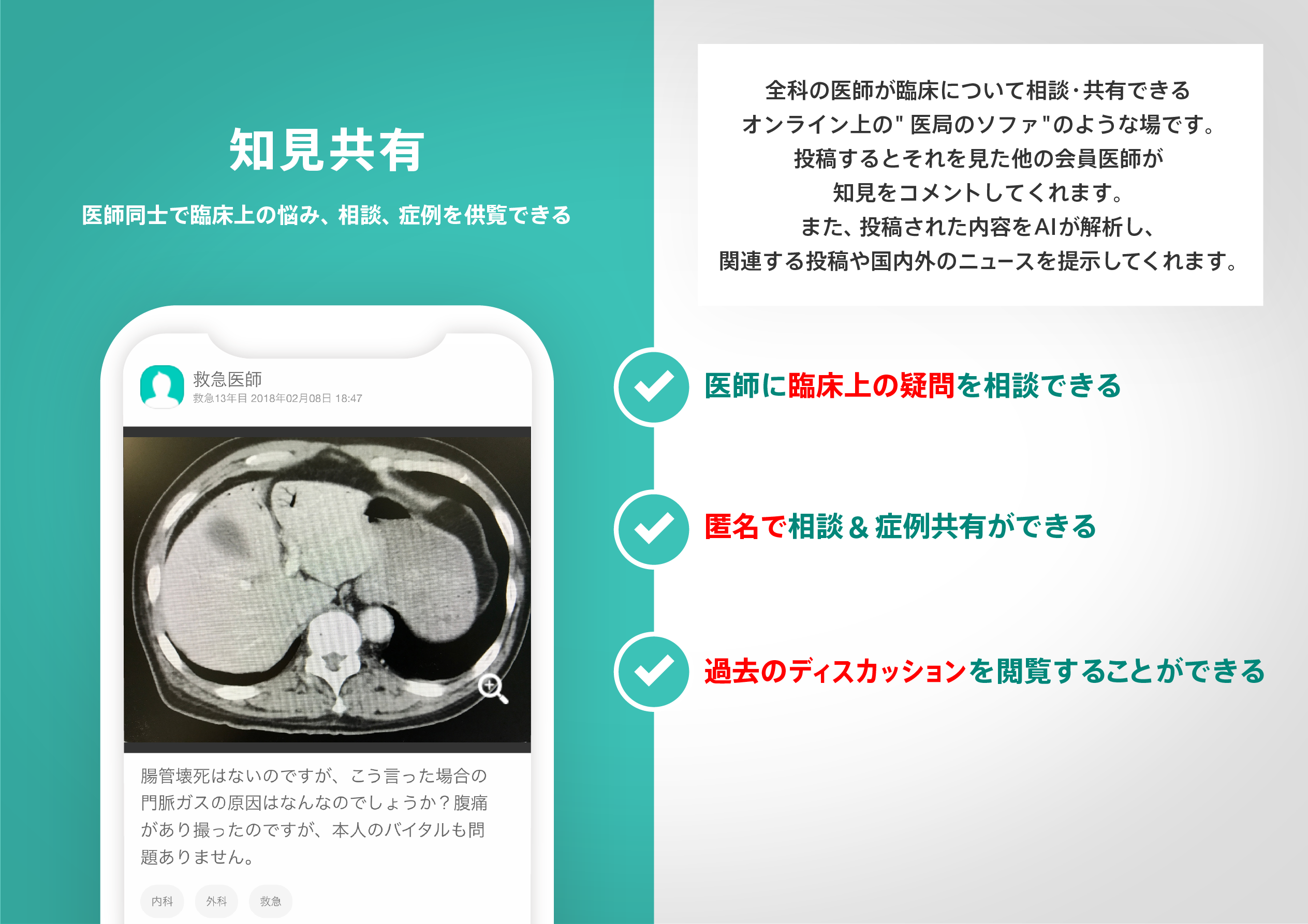
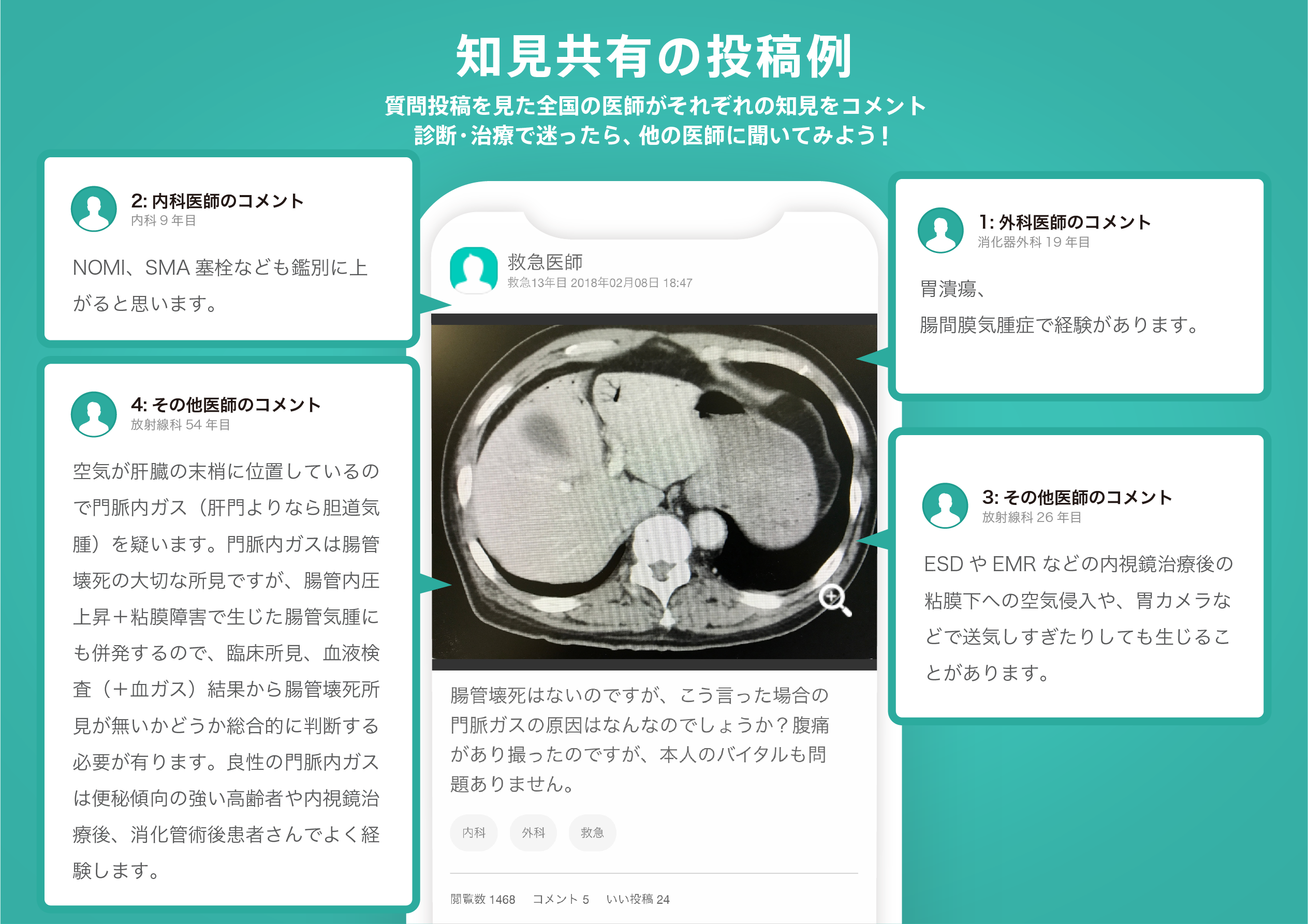
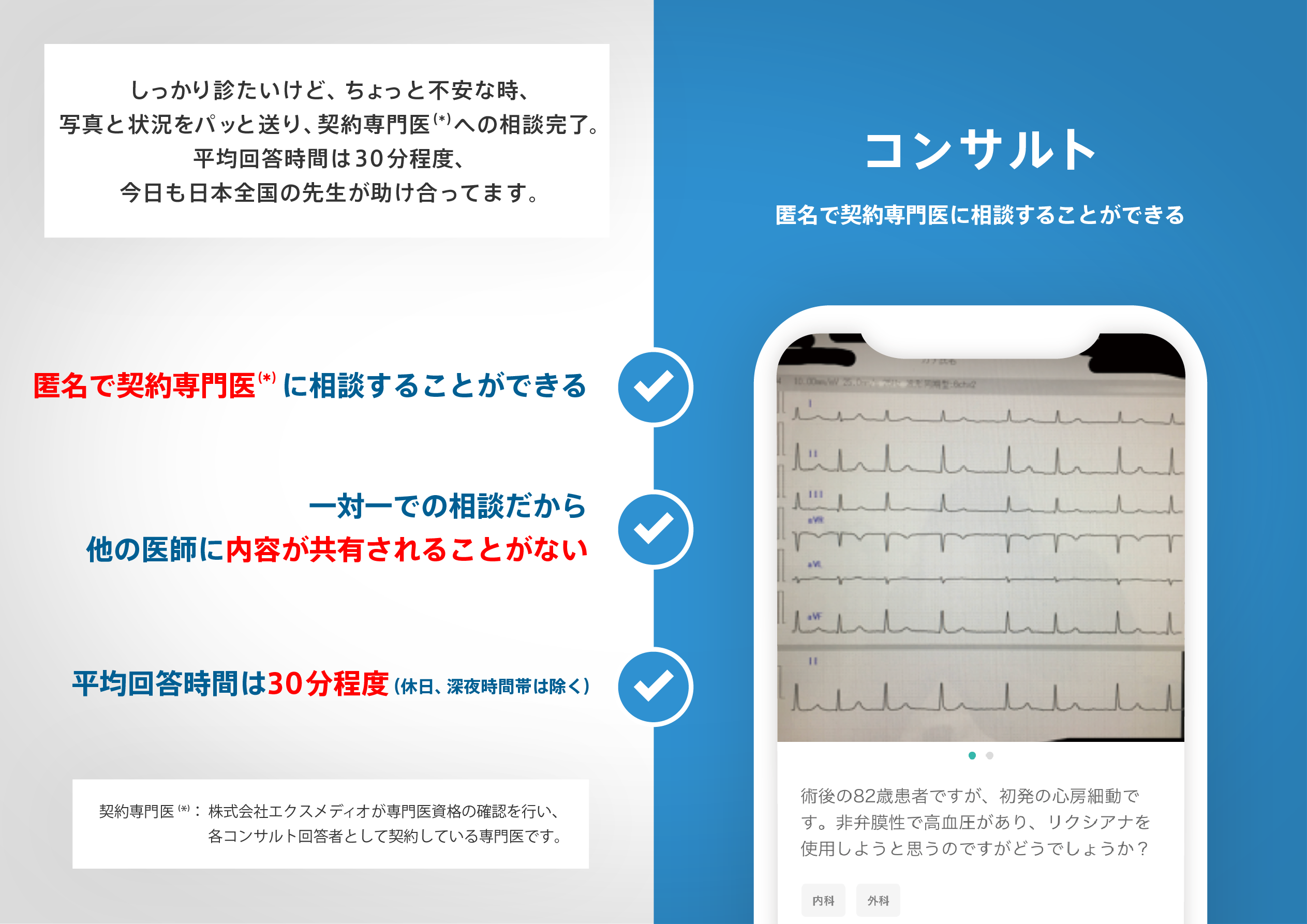
ヒポクラ x マイナビのご紹介

無料会員登録していただくと、さらに便利で効率的な検索が可能になります。