著名医師による解説が無料で読めます
すると翻訳の精度が向上します
好中球は脆弱な細胞と見なされ、不適切な取り扱いによって簡単に損傷します。好中球機能のアッセイには、潜在的に有害な可能性のある予備的な分離手順が頻繁に必要です。著者らは、現在使用されている分離手順の影響を広範囲に調査し、次のことを含む広範な機能アッセイに及ぼしました。2)培養技術とトリチン化チミジン標識による細菌の殺害。3)メチレンブルー染料除外および微分ジムサ染色によるカンジダ酸の活性。4)定量的非刺激および組織化学的刺激性ニトロブルーテトラゾリウム色素還元。5)化学発光;6)ランダムな移動。7)アガロース法による走化性。さらに、細胞を電子顕微鏡により形態学的に検査し、顆粒密度は形態計測分析によって定量化されました。分離技術には、赤血球の沈降、低張性溶解、フィコールヒパークを使用した勾配密度分離、および反フロー遠心溶出が含まれていました。最も純粋な好中球懸濁液は、密度勾配分離と、平均好中球の割合が94%以上の平均好中球の割合で得られました。隔離手順に関係なく、好中球は、貪食、ニトロブルーのテトラゾリウム染料の減少、細菌殺害、候補者の殺害、候補性生殖管形成の阻害、および細胞質顆粒のすべてのグループで類似していた(.05より大きい)。好中球の移動と化学発光のアッセイでは、違いが認められました。反フロー遠心溶出とficoll-hypaqueによって分離された好中球懸濁液は、ランダムな移動と走化性の最高スコアを持っていました。これらの違いは、分離手順の有害な影響ではなく、好中球懸濁液の純度に関連する可能性があります。赤血球汚染は、化学発光アッセイの勾配とピーク応答の時間の両方に影響を与えました。好中球の寒冷気温への暴露(0〜4度C)1.5時間、ランダム運動と走化性の両方が損なわれました。好中球機能研究のための白血球の貯蔵、輸送、および調製に関する現在の推奨事項を再評価する必要があります。
好中球は脆弱な細胞と見なされ、不適切な取り扱いによって簡単に損傷します。好中球機能のアッセイには、潜在的に有害な可能性のある予備的な分離手順が頻繁に必要です。著者らは、現在使用されている分離手順の影響を広範囲に調査し、次のことを含む広範な機能アッセイに及ぼしました。2)培養技術とトリチン化チミジン標識による細菌の殺害。3)メチレンブルー染料除外および微分ジムサ染色によるカンジダ酸の活性。4)定量的非刺激および組織化学的刺激性ニトロブルーテトラゾリウム色素還元。5)化学発光;6)ランダムな移動。7)アガロース法による走化性。さらに、細胞を電子顕微鏡により形態学的に検査し、顆粒密度は形態計測分析によって定量化されました。分離技術には、赤血球の沈降、低張性溶解、フィコールヒパークを使用した勾配密度分離、および反フロー遠心溶出が含まれていました。最も純粋な好中球懸濁液は、密度勾配分離と、平均好中球の割合が94%以上の平均好中球の割合で得られました。隔離手順に関係なく、好中球は、貪食、ニトロブルーのテトラゾリウム染料の減少、細菌殺害、候補者の殺害、候補性生殖管形成の阻害、および細胞質顆粒のすべてのグループで類似していた(.05より大きい)。好中球の移動と化学発光のアッセイでは、違いが認められました。反フロー遠心溶出とficoll-hypaqueによって分離された好中球懸濁液は、ランダムな移動と走化性の最高スコアを持っていました。これらの違いは、分離手順の有害な影響ではなく、好中球懸濁液の純度に関連する可能性があります。赤血球汚染は、化学発光アッセイの勾配とピーク応答の時間の両方に影響を与えました。好中球の寒冷気温への暴露(0〜4度C)1.5時間、ランダム運動と走化性の両方が損なわれました。好中球機能研究のための白血球の貯蔵、輸送、および調製に関する現在の推奨事項を再評価する必要があります。
Neutrophils are considered fragile cells, easily damaged by improper handling. Assays of neutrophil function frequently require preliminary isolation procedures that may be potentially harmful. The authors did an extensive investigation of the effects of currently used isolation procedures on a broad spectrum of functional assays that included: 1) phagocytosis; 2) bacterial killing by a culture technique and tritiated thymidine labeling; 3) candidacidal activity by methylene blue dye exclusion and differential Giemsa staining; 4) quantitative unstimulated and histochemical stimulated nitroblue tetrazolium dye reduction; 5) chemiluminescence; 6) random locomotion; and 7) chemotaxis by the agarose method. In addition, cells were examined morphologically by electron microscopy, and the granule density was quantitated by morphometric analysis. Isolation techniques included erythrocyte sedimentation, hypotonic lysis, gradient density separation using Ficoll-Hypaque, and counterflow centrifugal elutriation. The purest neutrophil suspensions were obtained by density gradient separation and counterflow centrifugal elutriation with mean neutrophil percentages of greater than or equal to 94%. Regardless of the isolation procedure, neutrophils were similar in all groups (P greater than .05) in the following studies: phagocytosis, nitroblue tetrazolium dye reduction, bacterial killing, candidal killing, inhibition of candidal germ tube formation, and cytoplasmic granulation. Differences were noted in assays of neutrophil migration and chemiluminescence. Neutrophil suspensions isolated by counterflow centrifugal elutriation and Ficoll-Hypaque had the highest scores for random migration and chemotaxis. These differences can be related to the purity of the neutrophil suspension rather than the harmful effects of the isolation procedures. Erythrocyte contamination affected both the slope and the time to peak response in the chemiluminescence assay. Exposure of neutrophils to cold temperatures (0-4 degrees C) for 1.5 hours impaired both random locomotion and chemotaxis. Current recommendations for the storage, transport, and preparation of leukocytes for neutrophil function studies need to be reassessed.
医師のための臨床サポートサービス
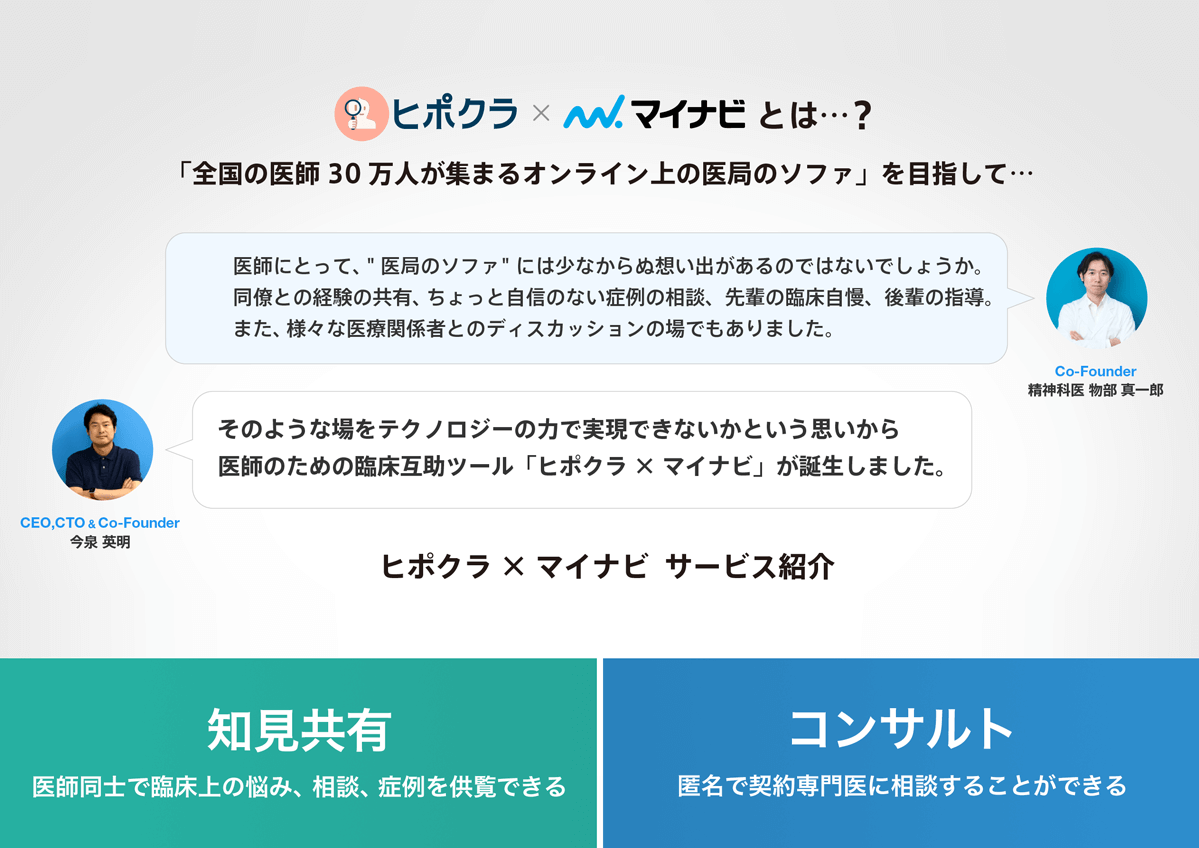
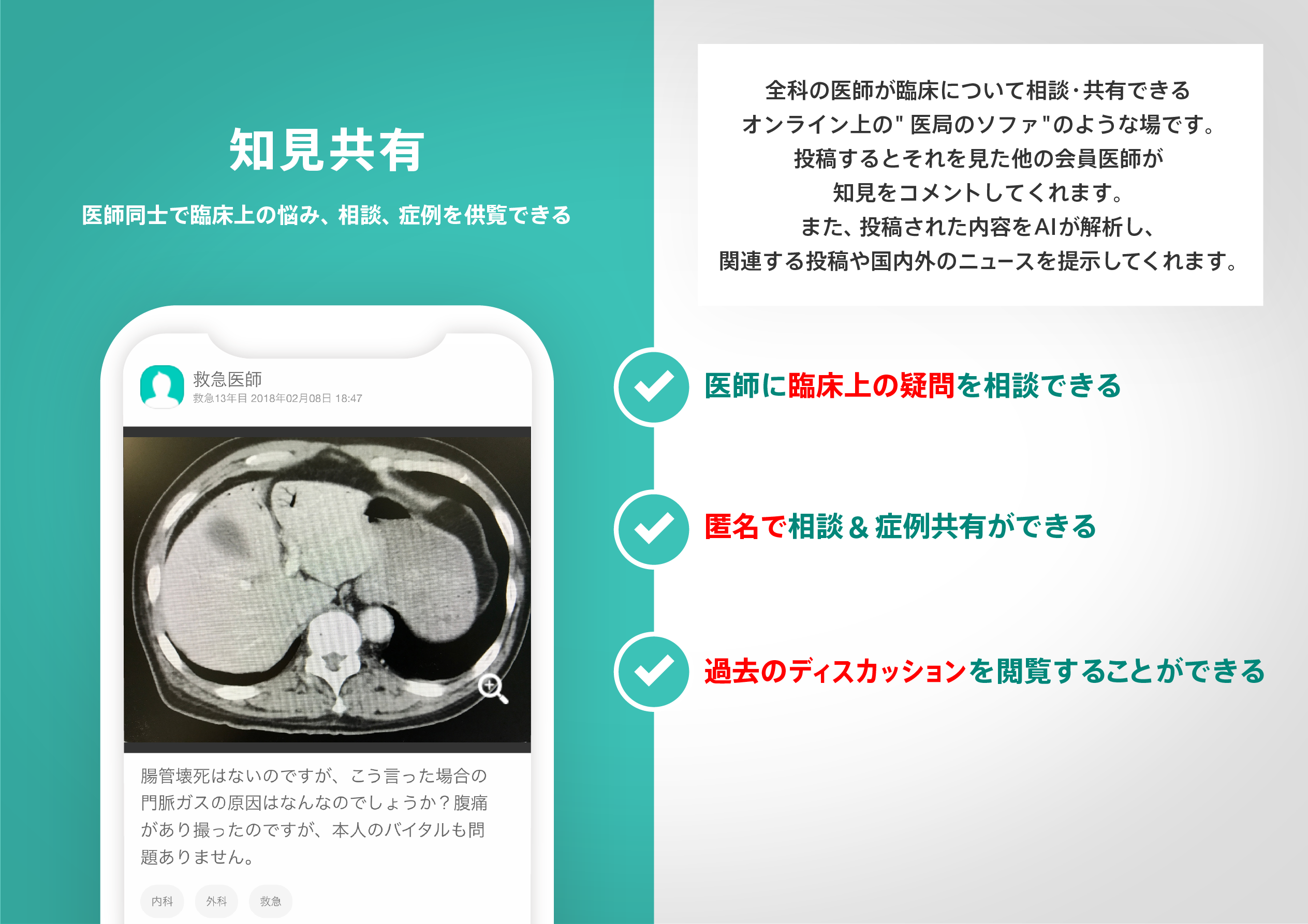
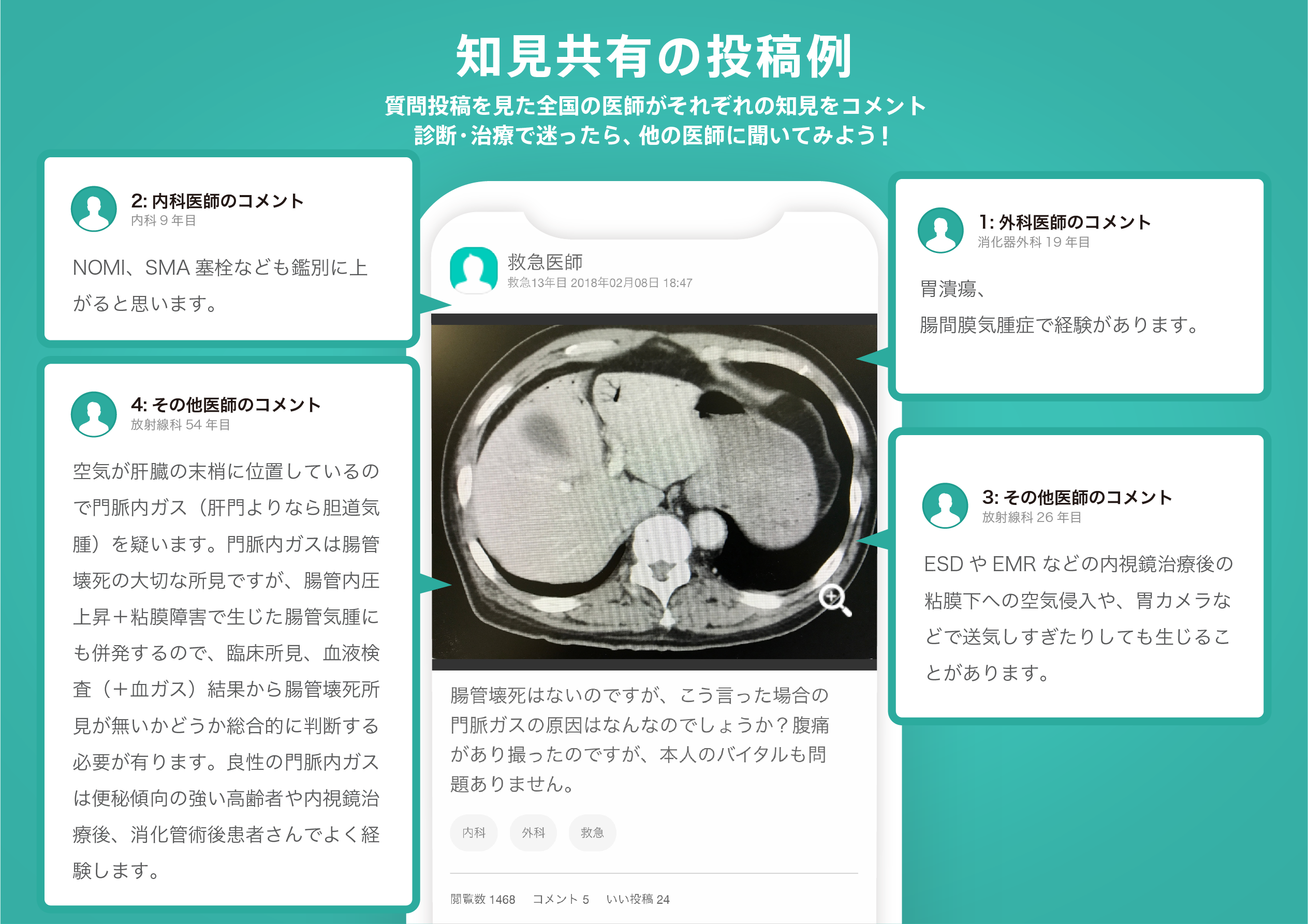
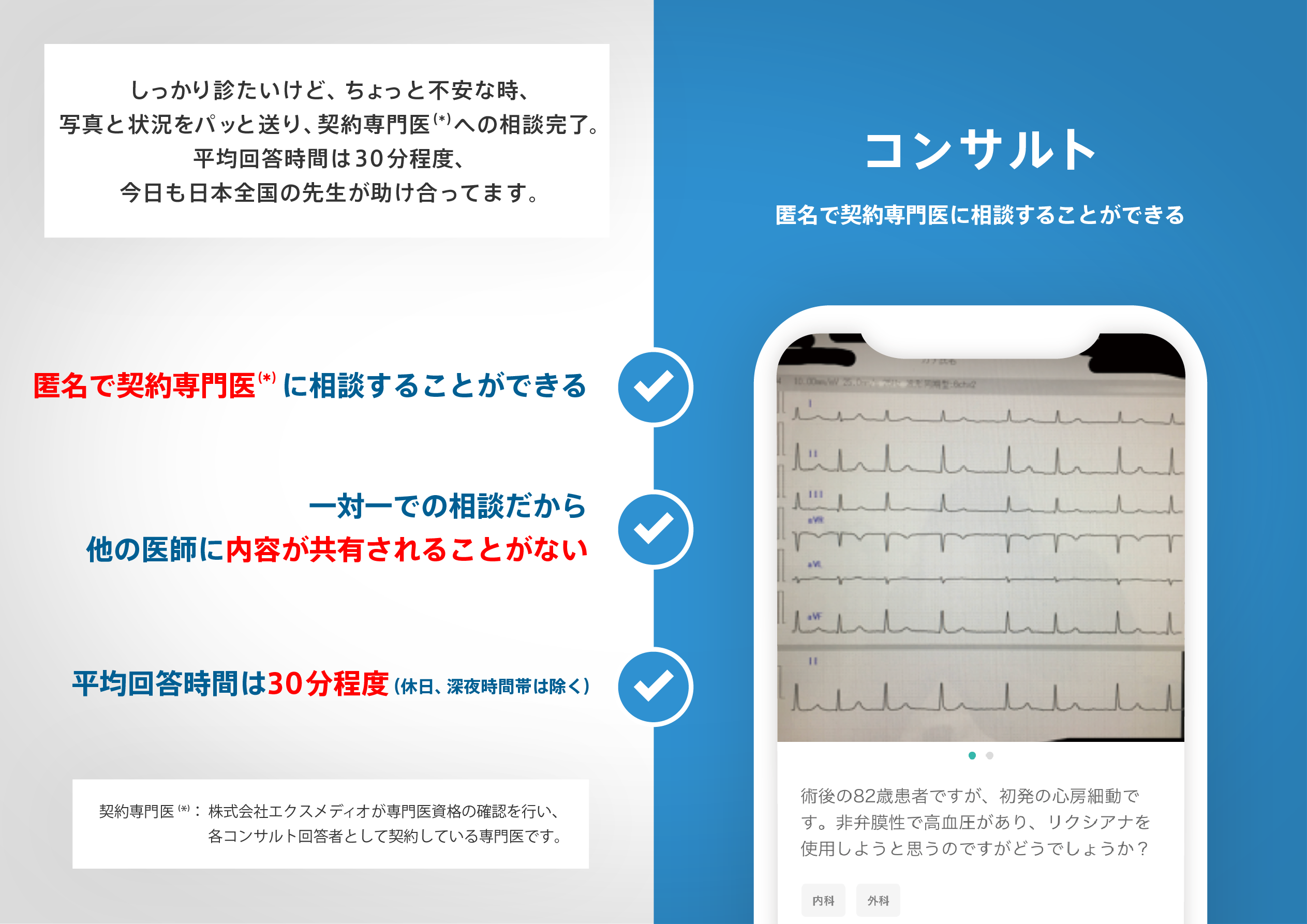
ヒポクラ x マイナビのご紹介

無料会員登録していただくと、さらに便利で効率的な検索が可能になります。