著名医師による解説が無料で読めます
すると翻訳の精度が向上します
骨髄の外側の血液細胞の形成として定義される異所性髄外hematopoiesis(EMH)は、通常、骨の黄色の骨髄を赤い骨髄に変換した後でも、体がまだ需要を満たすことができないときに、慢性貧血のシナリオで発生します。赤血球用。異所性髄外hematopoisisは、肝臓と脾臓で最も一般的に発生しますが、実際には体内のほぼどこでも発生する可能性があります。以前の報告では、EMHが視床腫瘤として提示されていることを記録していますが、そのような病変はほとんど常に、溶血性貧血、骨髄線維症、骨髄性筋腫症症候群、サラセミア、真珠科、ベラ、白血病、またはリンパ腫などの素因となる血液障害に関連しています。この報告書の著者は、後部脊髄元素から生じる症候性硬膜外および傍脊髄子宮頸部病変を呈した患者におけるEMHの最初の報告された例について説明しており、既知の素因となっている血液疾患はありません。最初のX線写真により、C2-3層と棘突起から後方に発生する骨の病変が明らかになりました。その後のイメージングは、CT誘導生検、末梢血塗抹標本、および骨髄吸引液によって確認された診断を示唆しました。硬膜外の圧迫と頸部頸部と皮膚嚢のわずかな変位にもかかわらず、患者の症状は痛みと頸部の可動域の減少に限定されていました。したがって、外科的療法を支持して手術が延期されました。EMHの治療のためのいくつかの代替モダリティが、細胞毒性薬や放射線療法を含む文献で提案されています。著者らは、2.5 Gy画分に分割された合計25 Gyの指向性低用量放射線療法を使用したアプローチを選択しました。3か月のフォローアップで、患者は無症候性であり続け、MRIは病変の寸法の有意な減少を示しました。既存の血液障害がない場合に脊髄圧縮を伴う髄外造血は、臨床神経外科的実践の文脈では報告されていません。化学療法と放射線療法は、症状がほとんどない場合にほとんど苦しむ患者の大多数で効果的な治療選択肢であるため、EMHが硬膜外病変として存在する可能性があることを認識することは重要です。指示された治療を行う前に、基礎となる血液障害の広範な評価が必要です。これらの非常に血管化された質量の不注意な切除は、通常、優れた長期転帰を提供する医療と比較して実証済みの利益のない壊滅的な術中出血を危険にさらす可能性があります。
骨髄の外側の血液細胞の形成として定義される異所性髄外hematopoiesis(EMH)は、通常、骨の黄色の骨髄を赤い骨髄に変換した後でも、体がまだ需要を満たすことができないときに、慢性貧血のシナリオで発生します。赤血球用。異所性髄外hematopoisisは、肝臓と脾臓で最も一般的に発生しますが、実際には体内のほぼどこでも発生する可能性があります。以前の報告では、EMHが視床腫瘤として提示されていることを記録していますが、そのような病変はほとんど常に、溶血性貧血、骨髄線維症、骨髄性筋腫症症候群、サラセミア、真珠科、ベラ、白血病、またはリンパ腫などの素因となる血液障害に関連しています。この報告書の著者は、後部脊髄元素から生じる症候性硬膜外および傍脊髄子宮頸部病変を呈した患者におけるEMHの最初の報告された例について説明しており、既知の素因となっている血液疾患はありません。最初のX線写真により、C2-3層と棘突起から後方に発生する骨の病変が明らかになりました。その後のイメージングは、CT誘導生検、末梢血塗抹標本、および骨髄吸引液によって確認された診断を示唆しました。硬膜外の圧迫と頸部頸部と皮膚嚢のわずかな変位にもかかわらず、患者の症状は痛みと頸部の可動域の減少に限定されていました。したがって、外科的療法を支持して手術が延期されました。EMHの治療のためのいくつかの代替モダリティが、細胞毒性薬や放射線療法を含む文献で提案されています。著者らは、2.5 Gy画分に分割された合計25 Gyの指向性低用量放射線療法を使用したアプローチを選択しました。3か月のフォローアップで、患者は無症候性であり続け、MRIは病変の寸法の有意な減少を示しました。既存の血液障害がない場合に脊髄圧縮を伴う髄外造血は、臨床神経外科的実践の文脈では報告されていません。化学療法と放射線療法は、症状がほとんどない場合にほとんど苦しむ患者の大多数で効果的な治療選択肢であるため、EMHが硬膜外病変として存在する可能性があることを認識することは重要です。指示された治療を行う前に、基礎となる血液障害の広範な評価が必要です。これらの非常に血管化された質量の不注意な切除は、通常、優れた長期転帰を提供する医療と比較して実証済みの利益のない壊滅的な術中出血を危険にさらす可能性があります。
Ectopic extramedullary hematopoiesis (EMH), defined as the formation of blood cells outside the bone marrow, usually occurs in a scenario of chronic anemia when, even after conversion of the bony yellow marrow to red marrow, the body is still unable to meet the demand for red blood cells. Ectopic extramedullary hematopoiesis most commonly occurs in the liver and spleen but may, in fact, occur almost anywhere in the body. Although previous reports have documented EMH presenting as paraspinal masses, such lesions have almost always been associated with a predisposing hematological disorder such as hemolytic anemia, myelofibrosis or myelodysplastic syndromes, thalassemia, polycythemia vera, leukemia, or lymphoma. The authors of this report describe the first reported instance of EMH in a patient presenting with a symptomatic epidural and paraspinal cervical lesion arising from the posterior spinal elements and no known predisposing hematological disease. Initial radiographs revealed a bony lesion arising posteriorly from the C2-3 laminae and spinous processes. Subsequent imaging suggested the diagnosis, which was confirmed by CT-guided biopsy, peripheral blood smears, and bone marrow aspirate. Despite epidural compression and slight displacement of the cervical cord and thecal sac, the patient's symptoms were limited to pain and diminished cervical range of motion. Therefore, surgery was deferred in favor of nonsurgical therapy. Several alternative modalities for the treatment of EMH have been suggested in the literature, including cytotoxic agents and radiotherapy. The authors opted for an approach utilizing directed low-dose radiotherapy of a total of 25 Gy divided in 2.5-Gy fractions. At the 3-month follow-up, the patient continued to be asymptomatic, and MRI demonstrated a significant reduction in the dimensions of the lesion. Extramedullary hematopoiesis with spinal cord compression in the absence of a preexisting hematological disorder has not been described in the context of clinical neurosurgical practice. Recognizing that EMH may present as an epidural or paraspinal lesion is important since chemotherapy and radiotherapy are effective therapeutic options in the majority of patients who suffer few if any symptoms. Extensive evaluation for underlying hematological disorders is necessary before undertaking directed therapy. Inadvertent resection of these highly vascularized masses may risk catastrophic intraoperative hemorrhage with no proven benefit as compared with medical treatment, which usually provides excellent long-term outcomes.
医師のための臨床サポートサービス
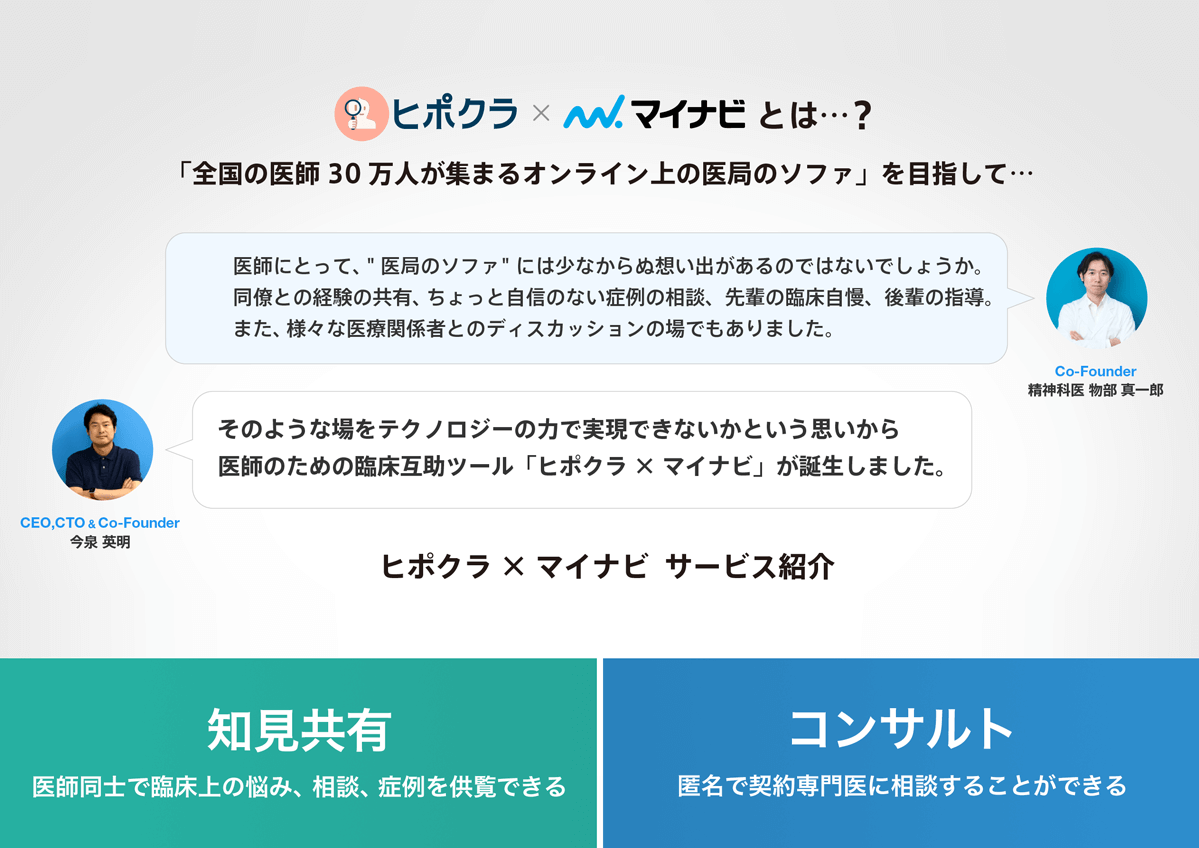
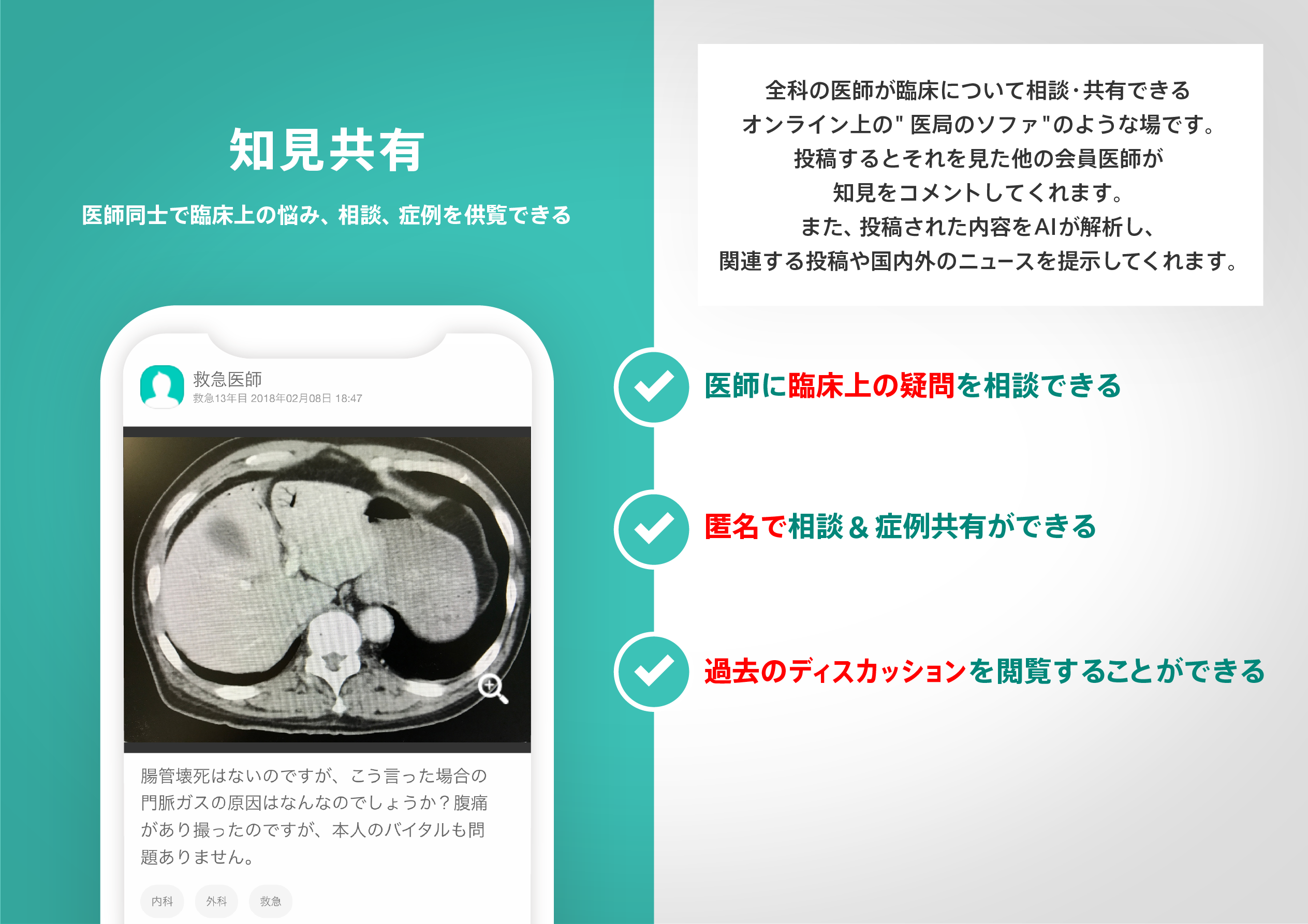
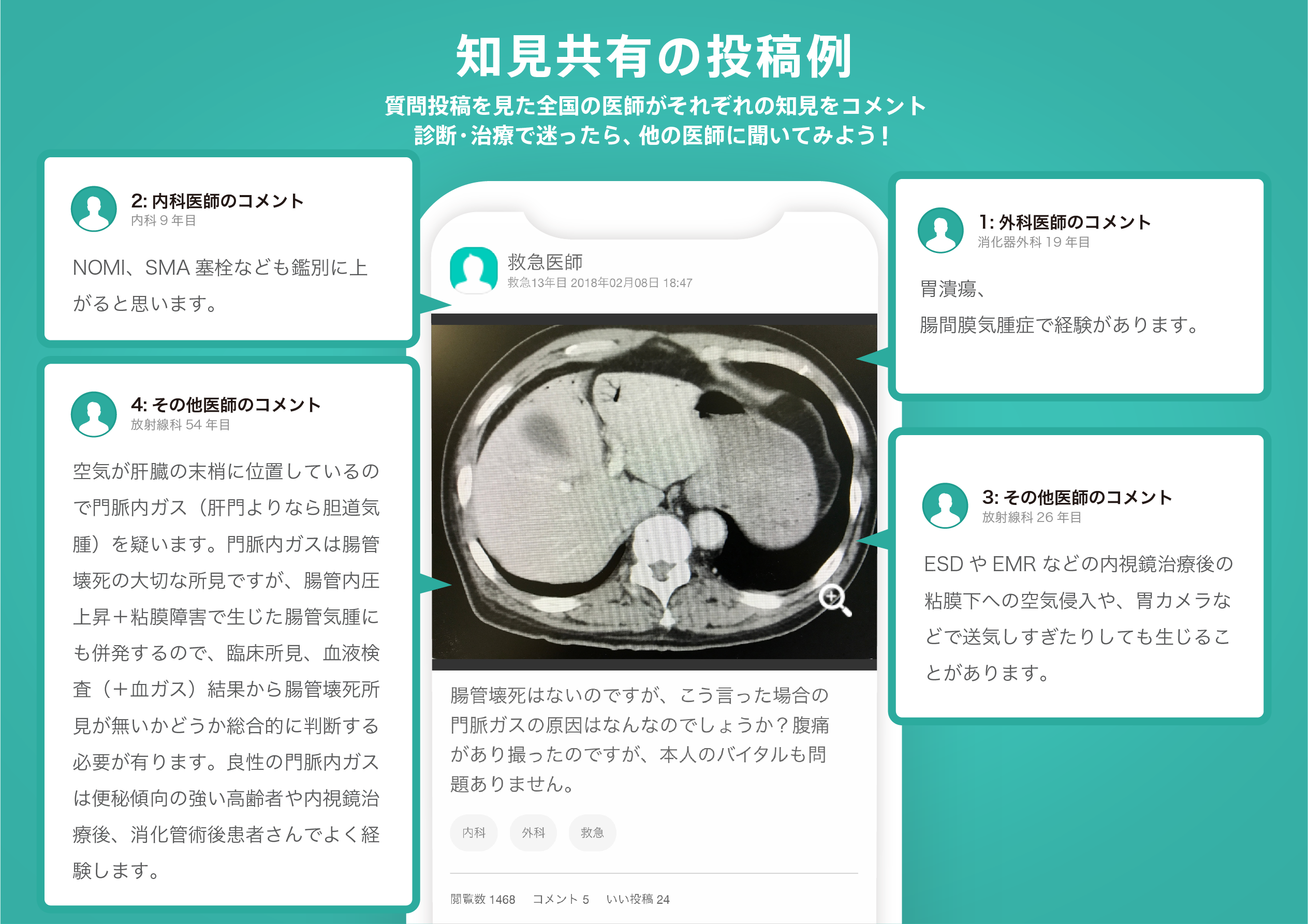
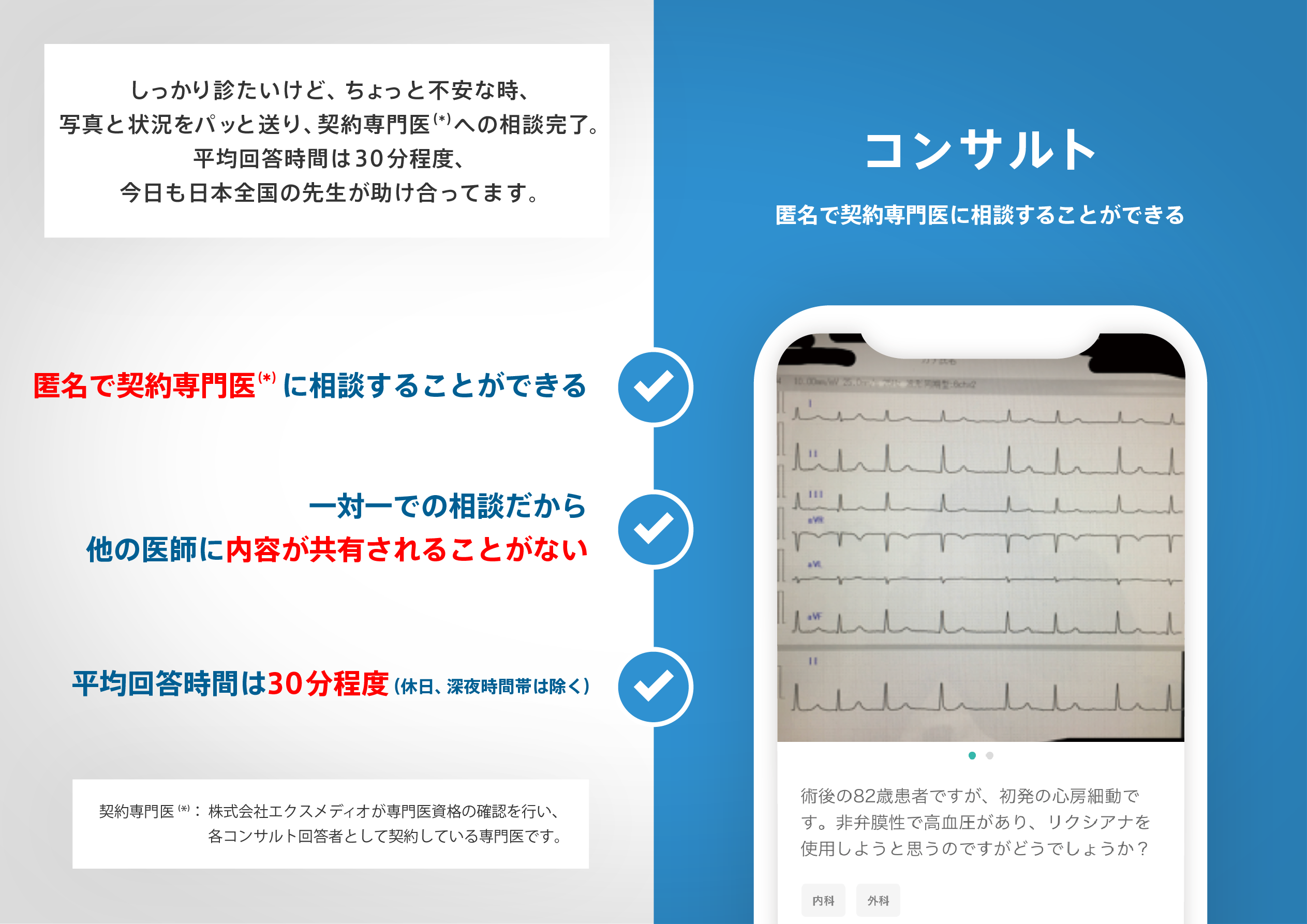
ヒポクラ x マイナビのご紹介

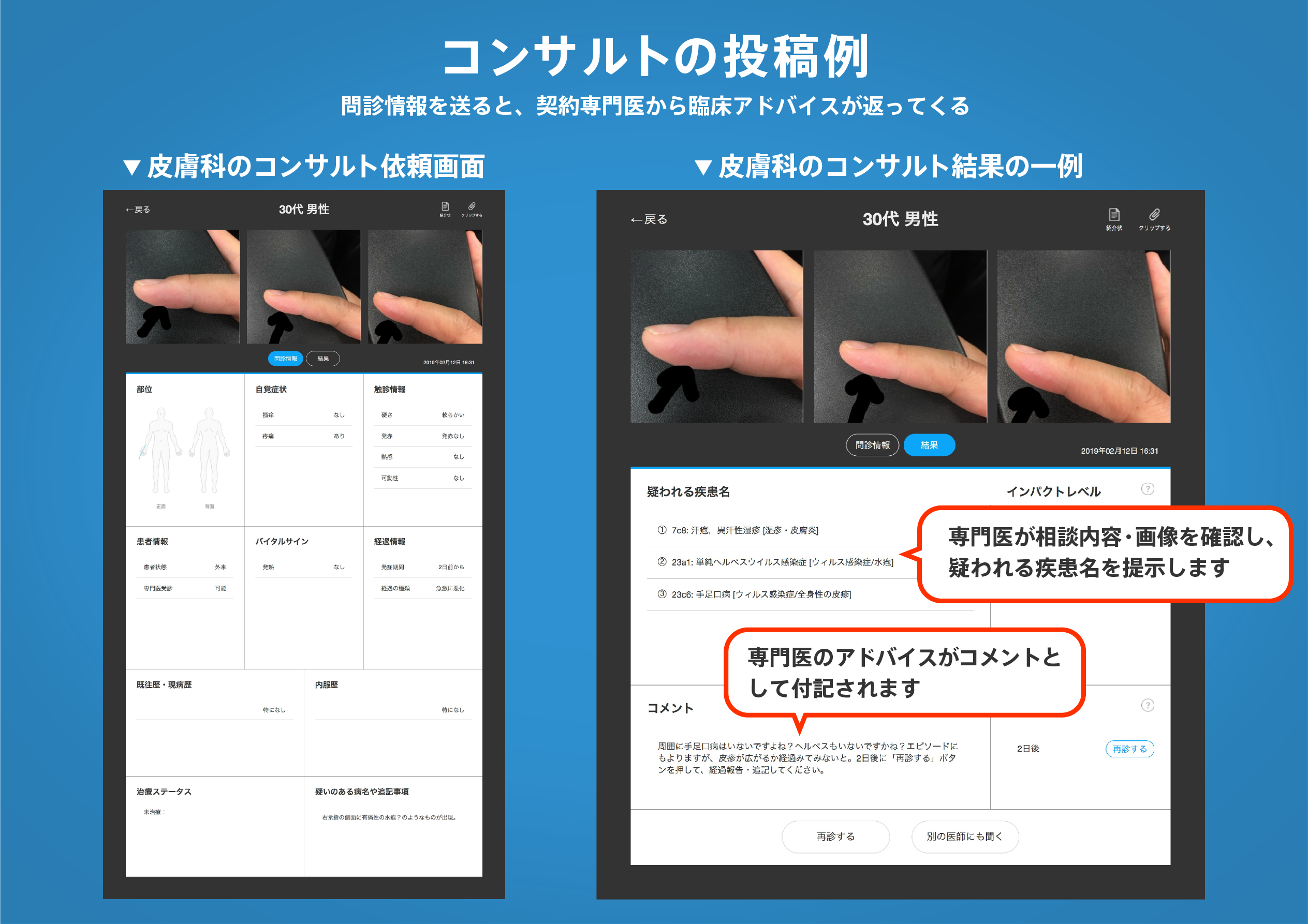
無料会員登録していただくと、さらに便利で効率的な検索が可能になります。