著名医師による解説が無料で読めます
すると翻訳の精度が向上します
最も重要なシャペロンタンパク質-Hsp70およびそれに向けられた自己免疫の発現は、アルコール使用障害(AUD)の被験者で増加した心血管疾患の危険因子です。この研究の目的は、禁欲期間中のAUD患者の血清における抗HSP 70タンパク質抗体(抗HSP 70)のレベルを評価することでした。材料と方法。この研究には、DSM IV基準に基づいてAUDが診断された54人の被験者が含まれていました。研究されたグループ臨床評価では、血漿脂質、赤血球(TK)の塩基性トランスケトラーゼ活性、トランスケトラーゼのチアミンピロリン酸(TPP)活性化、および抗HSP 70抗体のレベルも評価されました。結果。AUD被験者では、禁欲期間中に抗HSP 70レベルが低下しました。棄権の最初の月には、総コレステロール濃度(rs = -0.8857、p = 0.0188)およびTPP刺激の割合(RS = -0.5960、P <0.05)と、HDLコレステロールの不念の6か月間(RS = -0.6848、P = 0.0289)と負の相関がありました。1年間の禁欲抗HSP 70の後、基本的なTK活性と正の相関がありました(RS = 0.9550、p = 0.0008)。性は、AUD被験者の抗hsp 70レベルに影響を与える独立した要因です(b = 60.9469、p = 0.0435)。臨床評価の結果を含む重回帰モデルでは、1か月の抗HSP 70の抗HSP 70抗体のレベルに対するその効果は、微調整スケールスコア(BETA = -1.4543、P = 0.0144)およびAUDITスコア(BETA-= 1.2255、P = 0.0224)と相関していました。2〜6か月の抑制抗HSP 70は、調整スコアと相関していました(Beta = 1.1110、P = 0.0418)。1年間の棄権後の抗HSP 70は、監査スコアと相関していました(Beta = -1.2161、p = 0.0210)。結論。HSP 70に対する自己免疫反応は、AUD患者の棄権中に減少します。血漿脂質とチアミン欠乏症との関係は、心血管障害のリスクの増加につながる可能性があります。微調整と監査のスコアリングは、抗HSP 70抗体の役割のコンテキストでの臨床評価に最も役立つようです。
最も重要なシャペロンタンパク質-Hsp70およびそれに向けられた自己免疫の発現は、アルコール使用障害(AUD)の被験者で増加した心血管疾患の危険因子です。この研究の目的は、禁欲期間中のAUD患者の血清における抗HSP 70タンパク質抗体(抗HSP 70)のレベルを評価することでした。材料と方法。この研究には、DSM IV基準に基づいてAUDが診断された54人の被験者が含まれていました。研究されたグループ臨床評価では、血漿脂質、赤血球(TK)の塩基性トランスケトラーゼ活性、トランスケトラーゼのチアミンピロリン酸(TPP)活性化、および抗HSP 70抗体のレベルも評価されました。結果。AUD被験者では、禁欲期間中に抗HSP 70レベルが低下しました。棄権の最初の月には、総コレステロール濃度(rs = -0.8857、p = 0.0188)およびTPP刺激の割合(RS = -0.5960、P <0.05)と、HDLコレステロールの不念の6か月間(RS = -0.6848、P = 0.0289)と負の相関がありました。1年間の禁欲抗HSP 70の後、基本的なTK活性と正の相関がありました(RS = 0.9550、p = 0.0008)。性は、AUD被験者の抗hsp 70レベルに影響を与える独立した要因です(b = 60.9469、p = 0.0435)。臨床評価の結果を含む重回帰モデルでは、1か月の抗HSP 70の抗HSP 70抗体のレベルに対するその効果は、微調整スケールスコア(BETA = -1.4543、P = 0.0144)およびAUDITスコア(BETA-= 1.2255、P = 0.0224)と相関していました。2〜6か月の抑制抗HSP 70は、調整スコアと相関していました(Beta = 1.1110、P = 0.0418)。1年間の棄権後の抗HSP 70は、監査スコアと相関していました(Beta = -1.2161、p = 0.0210)。結論。HSP 70に対する自己免疫反応は、AUD患者の棄権中に減少します。血漿脂質とチアミン欠乏症との関係は、心血管障害のリスクの増加につながる可能性があります。微調整と監査のスコアリングは、抗HSP 70抗体の役割のコンテキストでの臨床評価に最も役立つようです。
The expression of the most important chaperone protein - Hsp70 and autoimmunity directed against it is a risk factor of cardiovascular diseases, increased in subjects with alcohol use disorder (AUD). The aim of the study was to evaluate the level of anti-Hsp 70 protein antibodies (anti-Hsp 70) in sera of AUD patients during abstinence period. Material and methods. The study included 54 subjects with AUD diagnosed basing on DSM IV criteria. In the studied group clinimetric evaluation was performed, plasma lipids, basic transketolase activity in erythrocytes (TK), thiamine pyrophosphate (TPP) activation of transketolase and the level of anti-Hsp 70 antibodies were evaluated as well. Results. In AUD subjects anti-Hsp 70 level was decreased during abstinence period. During first month of abstinency it correlated negatively with total cholesterol concentration (rS=-0.8857, p=0.0188) and the percentage of TPP stimulation (rS=-0.5960, p<0.05), and during 6 months of abstinence with HDL cholesterol (rS=-0.6848, p=0.0289). After 1 year of abstinence anti-Hsp 70 correlated positively with basic TK activity (rS=0.9550, p=0.0008). Sex is an independent factor influencing anti-Hsp 70 level in AUD subjects (B=60.9469, p=0.0435). In multiple regression model including results of clinimetric evaluation and its effect on the level of anti-Hsp 70 antibodies in AUD patients during 1 month of abstinency anti-Hsp 70 correlated with TWEAK scale score (BETA=-1.4543, p=0.0144) and AUDIT score (BETA-=1.2255, p=0.0224). In 2-6 months of abstinency anti-Hsp 70 correlated with TWEAK score (BETA=1.1110, p=0.0418). After 1 year of abstinency anti-Hsp 70 correlated with AUDIT score (BETA=-1.2161, p=0.0210). Conclusion. The autoimmune reaction against Hsp 70 is decreased during abstinency in AUD patients. Its relation with plasma lipids and thiamine deficiency may lead to increased risk of cardiovascular disorders. TWEAK and AUDIT scoring seem to be most useful for clinimetric evaluation in the context of the role of anti-Hsp 70 antibodies.
医師のための臨床サポートサービス
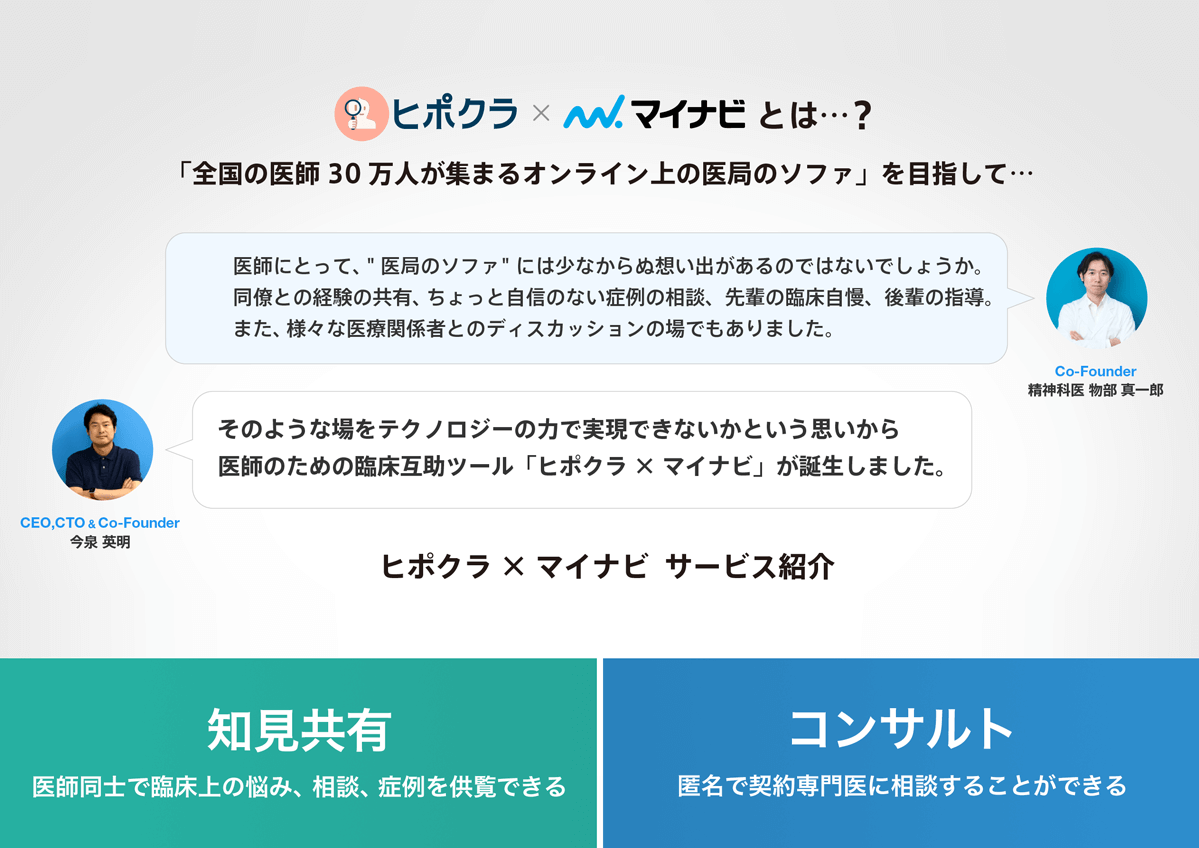
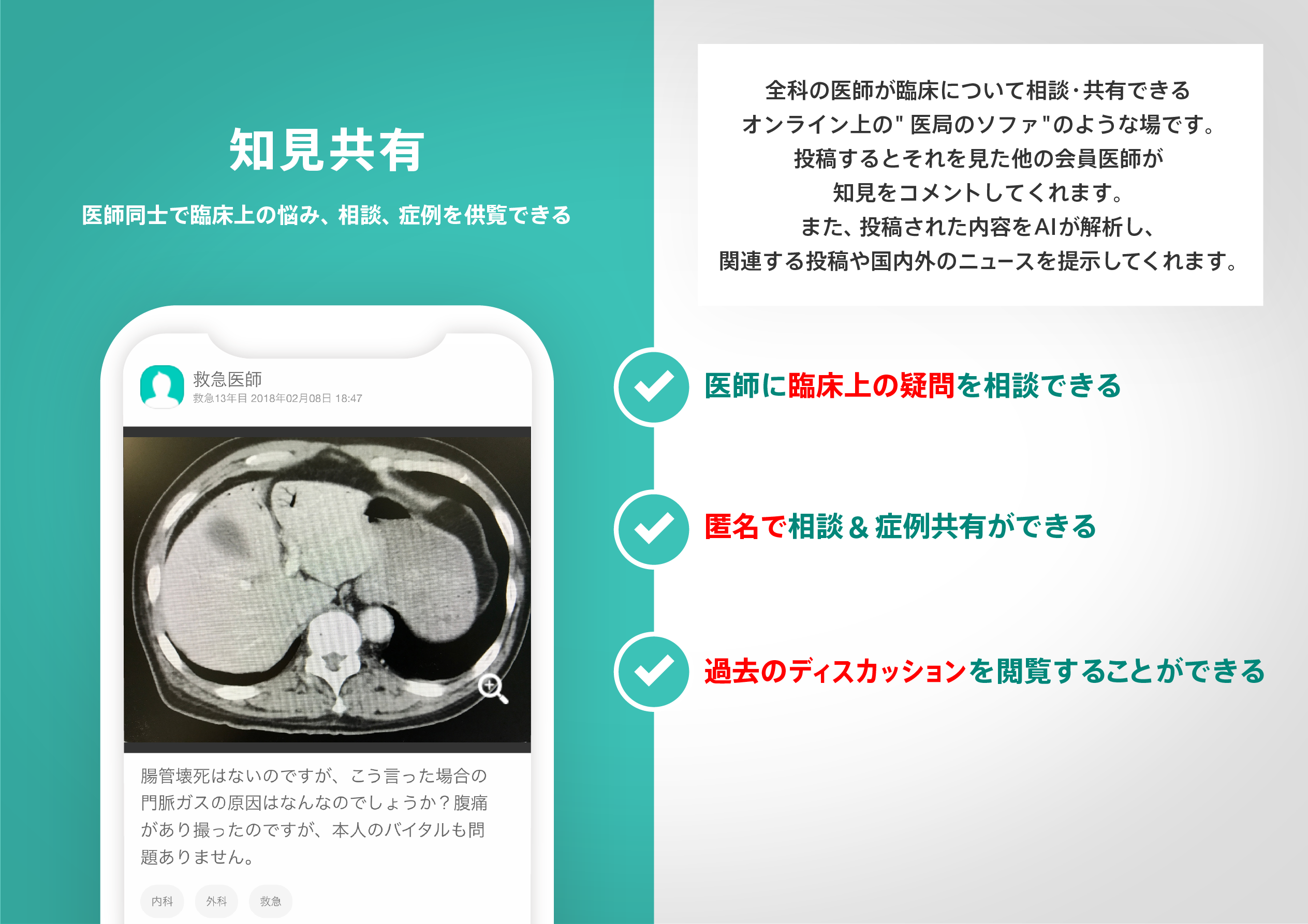
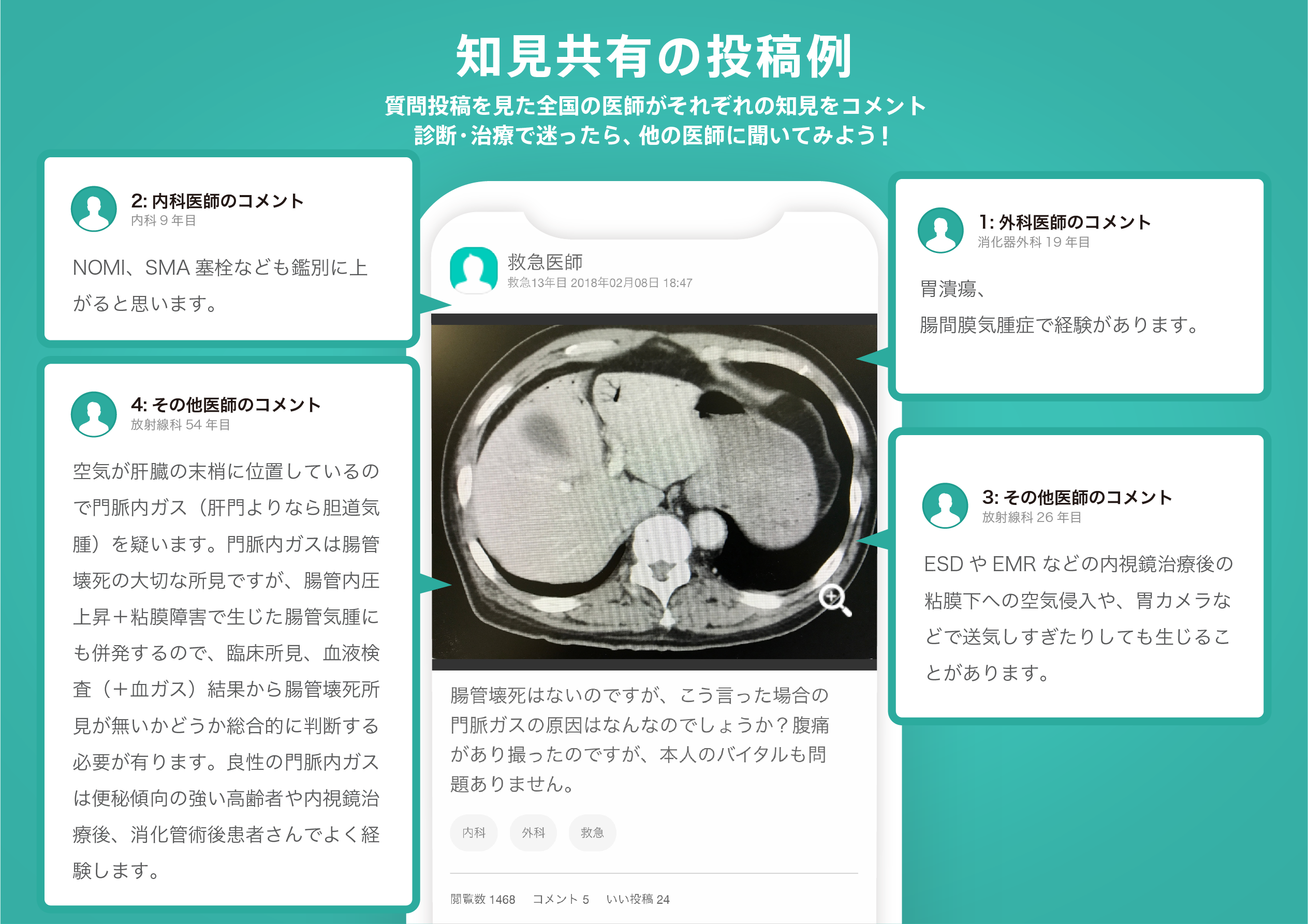
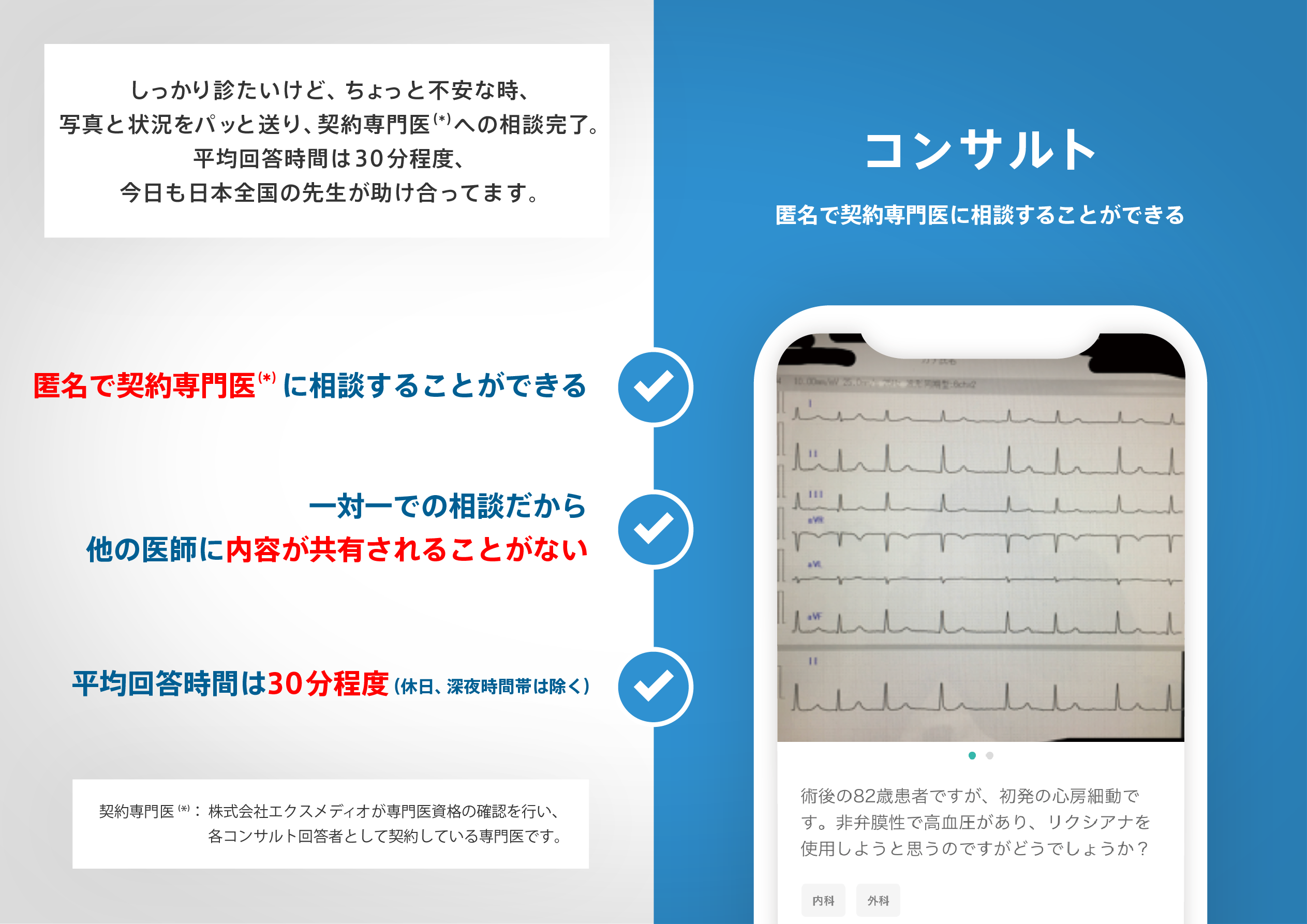
ヒポクラ x マイナビのご紹介

無料会員登録していただくと、さらに便利で効率的な検索が可能になります。