著名医師による解説が無料で読めます
すると翻訳の精度が向上します
理論的根拠:動物では、ニコチンはニコチン摂取量とは無関係の刺激からの補強を強化します。人間の研究は示唆的ですが、ニコチンの同様の影響を明確に示していません。 目的:喫煙を介してニコチンの急性効果を評価し、ポジティブ(お金、音楽)または否定的な(騒音の終了)強化剤の強化、または「報酬」(コントロール)を評価しました。これらの異なる報酬は、ニコチン効果の一般化可能性を決定しました。 材料と方法:依存(n = 25)と非依存性(n = 27)喫煙者は、それぞれ一晩禁欲の後、3つのセッションに参加しました。被験者内の設計を使用して、セッションには喫煙や喫煙が非喫煙(0.05 mg)またはニコチン(0.6 mg)クエスト(R)ブランドのタバコが含まれませんでした。比較のために、4回目のセッションでは、典型的なニコチン飽和度の下で反応を測定するために、自分のブランドを吸う前に禁欲を伴いませんでした。強化は、報酬のための単純なオペラントコンピュータータスクに関する回答によって評価されました。それぞれが、個別の試行中にプログレッシブ比率で単独で利用できます。 結果:音楽の強化効果は、他の報酬ではなく、ニコチンのタバコのために、または喫煙なしと比較してニコチンのタバコのために大きかった。ニコチンの強化効果は、依存グループと非依存グループの間で違いはありませんでした。これは、離脱緩和の影響がないことを示しています。禁欲後の急性ニコチンのために反応することは、禁欲のない後に自分のブランドに反応することに非常に似ていました。 結論:禁欲後の喫煙による急性ニコチン摂取自体は、おそらく禁欲のない後の喫煙に匹敵する方法で、喫煙とそれに関連しない報酬の補強値を高めます。ニコチンの強化効果は、特定の報酬、おそらく自然の感覚に特有のものである可能性があります。
理論的根拠:動物では、ニコチンはニコチン摂取量とは無関係の刺激からの補強を強化します。人間の研究は示唆的ですが、ニコチンの同様の影響を明確に示していません。 目的:喫煙を介してニコチンの急性効果を評価し、ポジティブ(お金、音楽)または否定的な(騒音の終了)強化剤の強化、または「報酬」(コントロール)を評価しました。これらの異なる報酬は、ニコチン効果の一般化可能性を決定しました。 材料と方法:依存(n = 25)と非依存性(n = 27)喫煙者は、それぞれ一晩禁欲の後、3つのセッションに参加しました。被験者内の設計を使用して、セッションには喫煙や喫煙が非喫煙(0.05 mg)またはニコチン(0.6 mg)クエスト(R)ブランドのタバコが含まれませんでした。比較のために、4回目のセッションでは、典型的なニコチン飽和度の下で反応を測定するために、自分のブランドを吸う前に禁欲を伴いませんでした。強化は、報酬のための単純なオペラントコンピュータータスクに関する回答によって評価されました。それぞれが、個別の試行中にプログレッシブ比率で単独で利用できます。 結果:音楽の強化効果は、他の報酬ではなく、ニコチンのタバコのために、または喫煙なしと比較してニコチンのタバコのために大きかった。ニコチンの強化効果は、依存グループと非依存グループの間で違いはありませんでした。これは、離脱緩和の影響がないことを示しています。禁欲後の急性ニコチンのために反応することは、禁欲のない後に自分のブランドに反応することに非常に似ていました。 結論:禁欲後の喫煙による急性ニコチン摂取自体は、おそらく禁欲のない後の喫煙に匹敵する方法で、喫煙とそれに関連しない報酬の補強値を高めます。ニコチンの強化効果は、特定の報酬、おそらく自然の感覚に特有のものである可能性があります。
RATIONALE: In animals, nicotine enhances reinforcement from stimuli unrelated to nicotine intake. Human research is suggestive but has not clearly shown a similar influence of nicotine. OBJECTIVES: We assessed acute effects of nicotine via smoking on enhancement of positive (money, music) or negative (termination of noise) reinforcers, or no "reward" (control). These different rewards determined the generalizability of nicotine effects. MATERIALS AND METHODS: Dependent (n = 25) and nondependent (n = 27) smokers participated in three sessions, each after overnight abstinence. Using a within-subjects design, sessions involved no smoking or smoking denicotinized (0.05 mg) or nicotine (0.6 mg) Quest(R) brand cigarettes. For comparison, a fourth session involved no abstinence prior to smoking one's own brand to gauge responses under typical nicotine satiation. Reinforcement was assessed by responses on a simple operant computer task for the rewards, each available singly on a progressive ratio schedule during separate trials. RESULTS: The reinforcing effect of music, but not other rewards, was greater due to the nicotine cigarette, compared to the denicotinized cigarette or no smoking. Reinforcement enhancing effects of nicotine did not differ between dependent and nondependent groups, indicating no influence of withdrawal relief. Responding due to acute nicotine after abstinence was very similar to responding to one's own brand after no abstinence. CONCLUSIONS: Acute nicotine intake per se from smoking after abstinence enhances the reinforcing value of rewards unassociated with smoking, perhaps in a manner comparable to ad lib smoking after no abstinence. Nicotine's reinforcement enhancing effects may be specific to certain rewards, perhaps those sensory in nature.
医師のための臨床サポートサービス
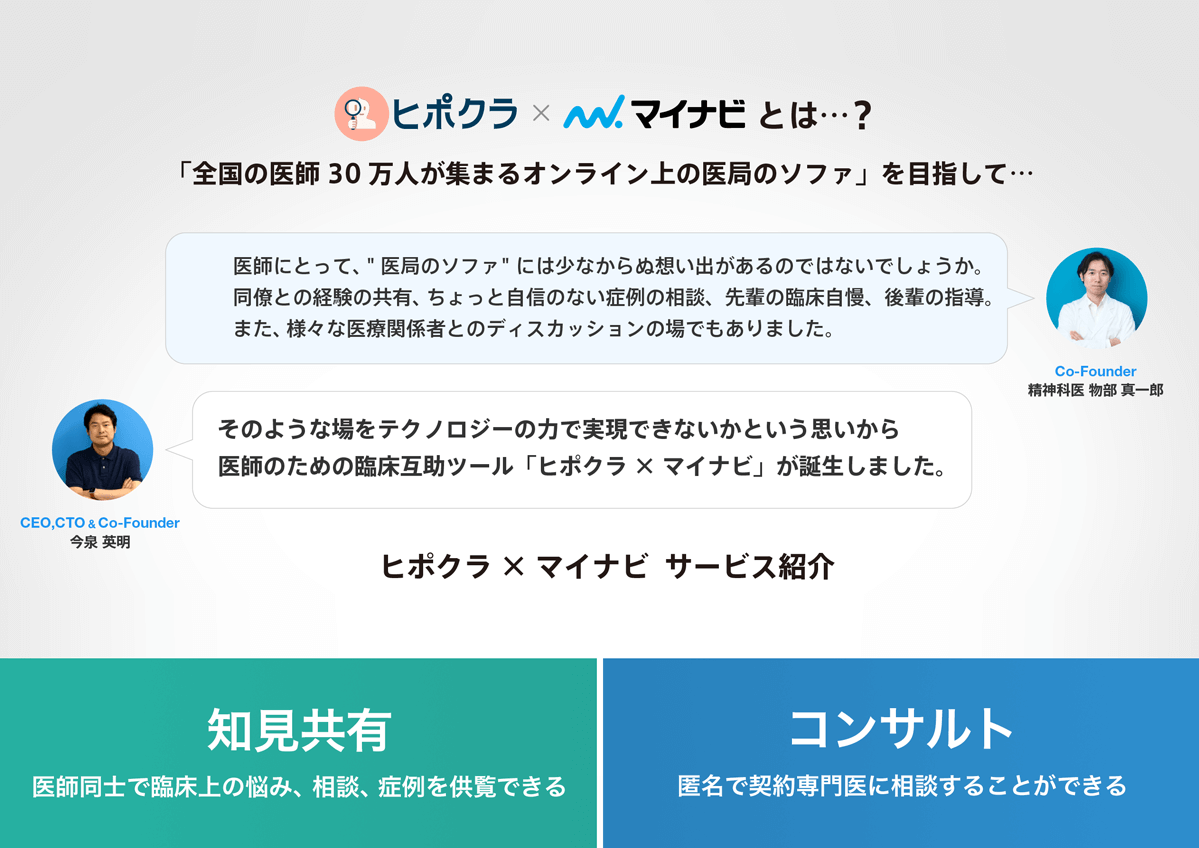
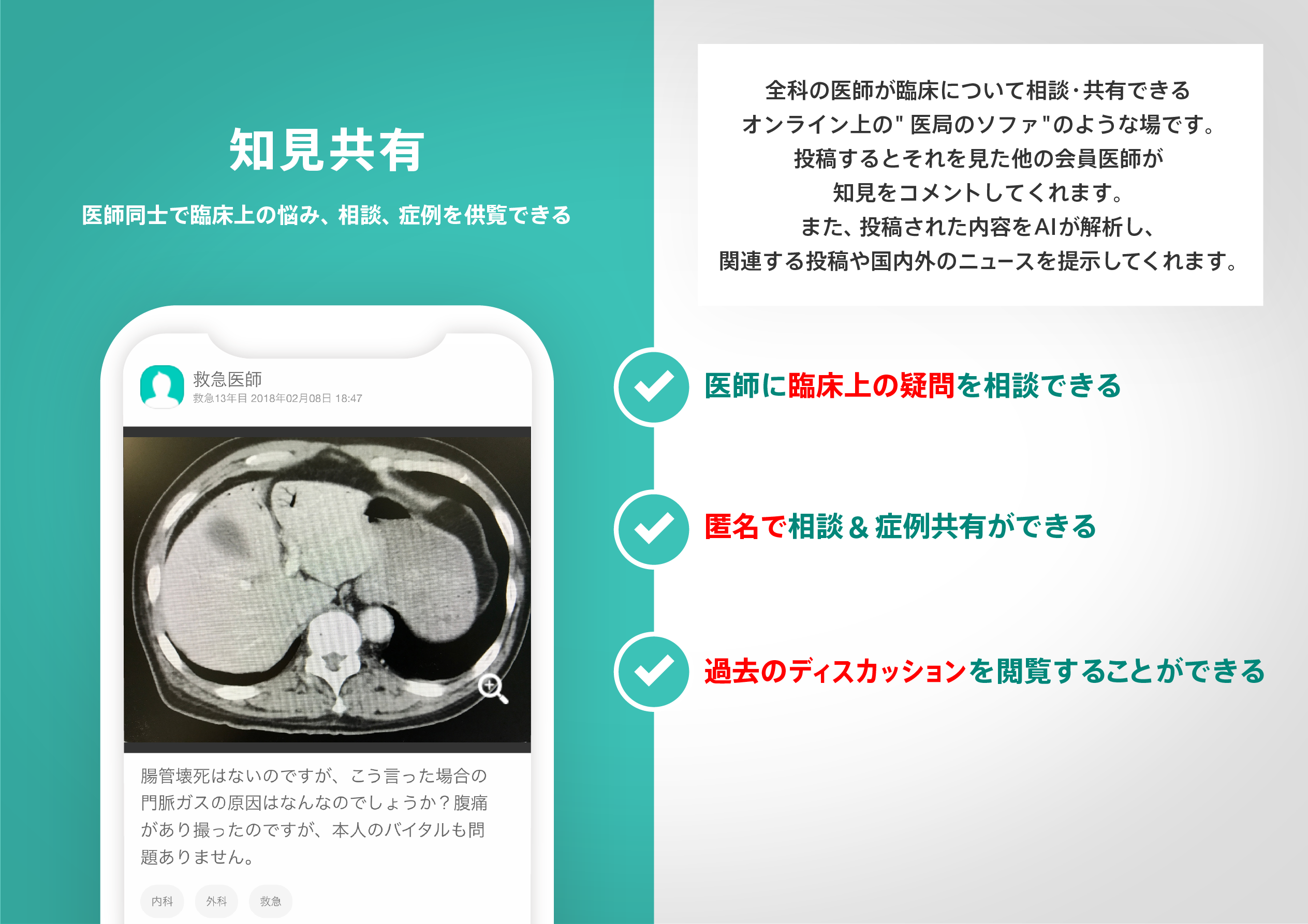
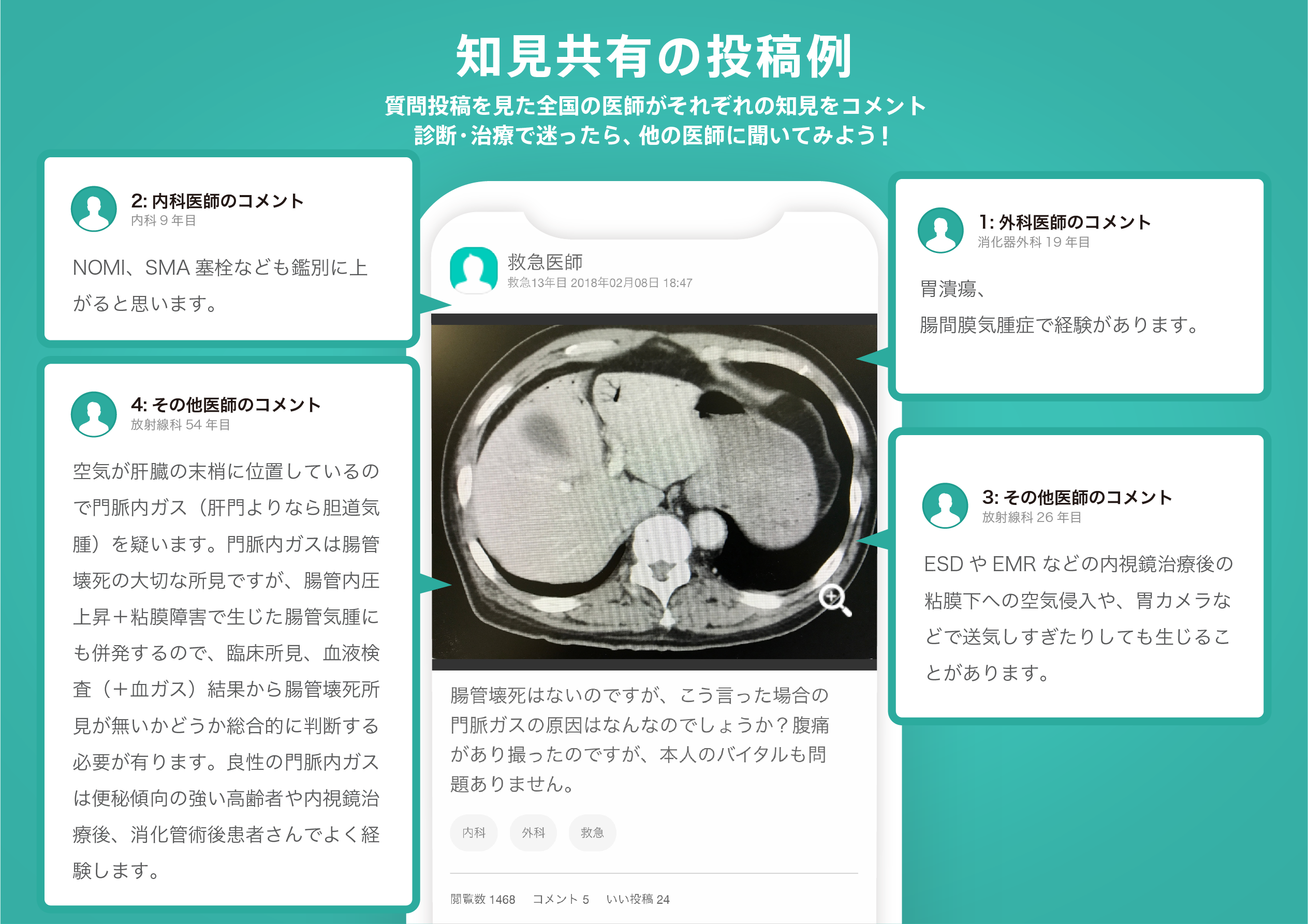
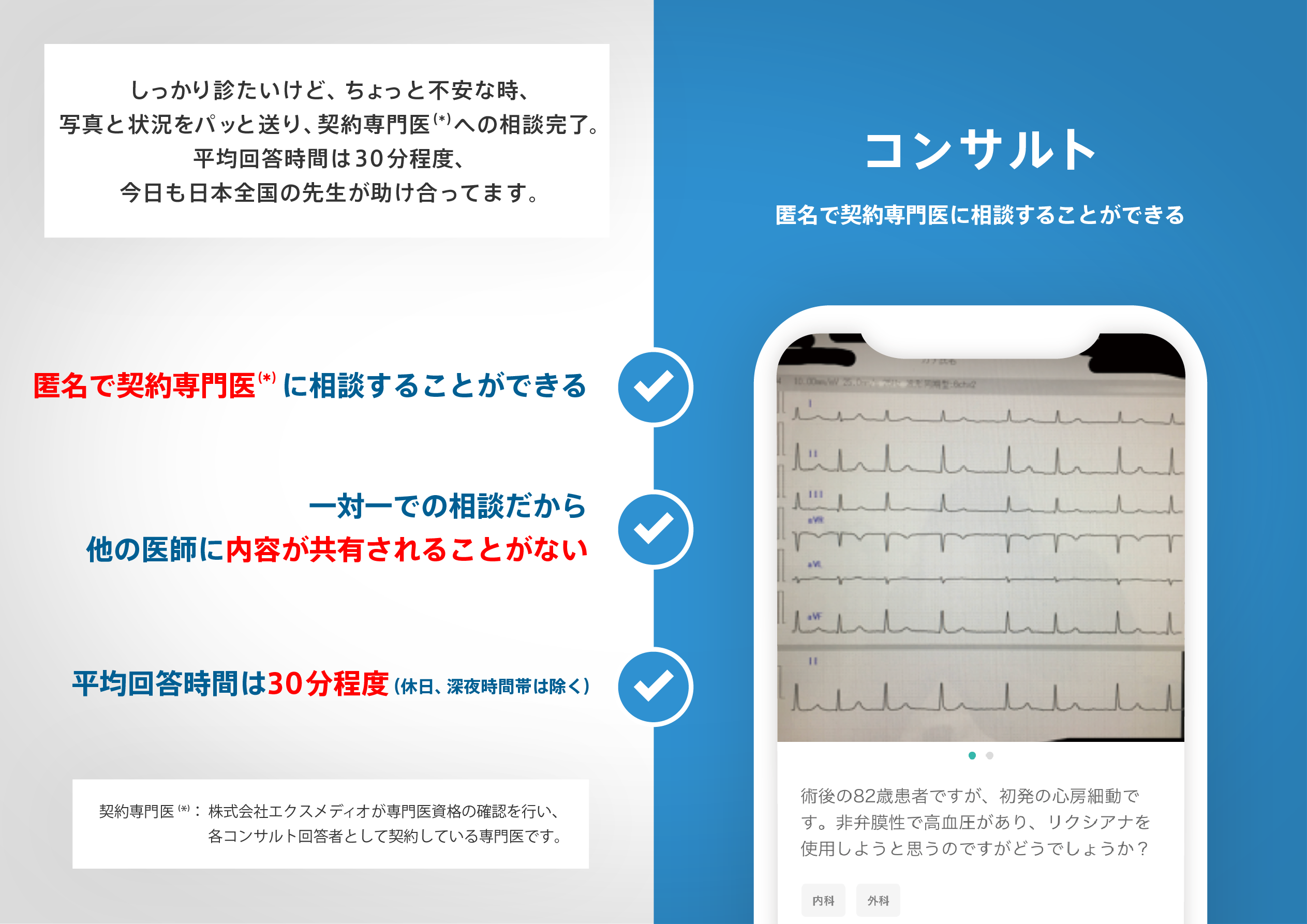
ヒポクラ x マイナビのご紹介

無料会員登録していただくと、さらに便利で効率的な検索が可能になります。