著名医師による解説が無料で読めます
すると翻訳の精度が向上します
はじめに:ストレス尿失禁(SUI)は、成人女性の間で最も頻繁な尿失禁です。 目的:この研究の目的は、ストレス尿失禁の発症に及ぼす環境的、全身的、産科的要因の効果の評価、および変化を起こす可能性のある領域の診断と決定でした。 材料と方法:この研究では、ルブリン地域に住む30〜75歳の313人の女性を対象としています。回答者は、臨床診断、SUIの症状の発生、またはその欠如に従って2つのグループに分けられました。グループI- SUI症状のある女性(119)、グループII- SUIのない女性(194)。Gaudenzのアンケート、関連文献からのデータ、および「有能な審査員」テストに基づいて、自己設計の研究手段を使用して診断調査が実施されました。次の統計テストを使用して、2つの構造インジケーター(分数、周波数)を比較しました。カイ二乗検定とT-スタジントテスト。統計分析は、Statistica 9(Statsoft)ソフトウェアによって実行されました。 結果と結論:SUI患者のグループと対照群のグループ間で、配達の数とその期間に関して、統計的に有意な差が見つかりました。この研究は、外科的分娩の場合、または出生時体重が4000 g以上の赤ちゃんの自然出産の場合、SUIの発症の統計的に高い確率があることを示しました。この研究は、硬い身体的研究と過去の婦人科の手術が尿失禁の危険因子であることを示しました。心理社会的性質の障壁も見つかりました(SUIの開示に伴う恥と恥ずかしさの感覚)。これにより、回答者の尿失禁予防行動への参加が最小限に抑えられました。
はじめに:ストレス尿失禁(SUI)は、成人女性の間で最も頻繁な尿失禁です。 目的:この研究の目的は、ストレス尿失禁の発症に及ぼす環境的、全身的、産科的要因の効果の評価、および変化を起こす可能性のある領域の診断と決定でした。 材料と方法:この研究では、ルブリン地域に住む30〜75歳の313人の女性を対象としています。回答者は、臨床診断、SUIの症状の発生、またはその欠如に従って2つのグループに分けられました。グループI- SUI症状のある女性(119)、グループII- SUIのない女性(194)。Gaudenzのアンケート、関連文献からのデータ、および「有能な審査員」テストに基づいて、自己設計の研究手段を使用して診断調査が実施されました。次の統計テストを使用して、2つの構造インジケーター(分数、周波数)を比較しました。カイ二乗検定とT-スタジントテスト。統計分析は、Statistica 9(Statsoft)ソフトウェアによって実行されました。 結果と結論:SUI患者のグループと対照群のグループ間で、配達の数とその期間に関して、統計的に有意な差が見つかりました。この研究は、外科的分娩の場合、または出生時体重が4000 g以上の赤ちゃんの自然出産の場合、SUIの発症の統計的に高い確率があることを示しました。この研究は、硬い身体的研究と過去の婦人科の手術が尿失禁の危険因子であることを示しました。心理社会的性質の障壁も見つかりました(SUIの開示に伴う恥と恥ずかしさの感覚)。これにより、回答者の尿失禁予防行動への参加が最小限に抑えられました。
INTRODUCTION: Stress urinary incontinence (SUI) is the most frequent type of urinary incontinence among adult women. OBJECTIVE: The objective of the study was evaluation of the effect of environmental, systemic and obstetrical factors on the development of stress urinary incontinence, and diagnosing and determination of areas in which changes could be made. MATERIAL AND METHOD: The study covered 313 females aged 30-75 living in the Lublin Region. The respondents were divided into two groups according to the clinical diagnosis, occurrence of symptoms of SUI or lack thereof: Group I - women with SUI symptoms (119), Group II - women without SUI (194). A diagnostic survey was conducted with the use of a self-designed research instrument based on the Gaudenz questionnaire, data from relevant literature and the 'competent judges' test. The following statistical tests were used to compare two structure indicators (fraction, frequency); chi-square test and t-Student test. Statistical analysis was performed by means of STATISTICA 9 (StatSoft) software. RESULTS AND CONCLUSIONS: Statistically significant differences were found between the group of patients with SUI and the control group, with respect to the number of deliveries and their duration. The study showed that there is a statistically higher probability of the development of SUI in the case of surgical delivery, or natural childbirth of a baby with a birth weight of 4000 g or more. The study showed that hard physical work and past gynaecological surgeries are risk factors of urinary incontinence. Barriers of a psychosocial nature were also found (feeling of shame and embarrassment accompanying disclosure of the SUI), which minimized the respondents' participation in urinary incontinence prophylactic actions.
医師のための臨床サポートサービス
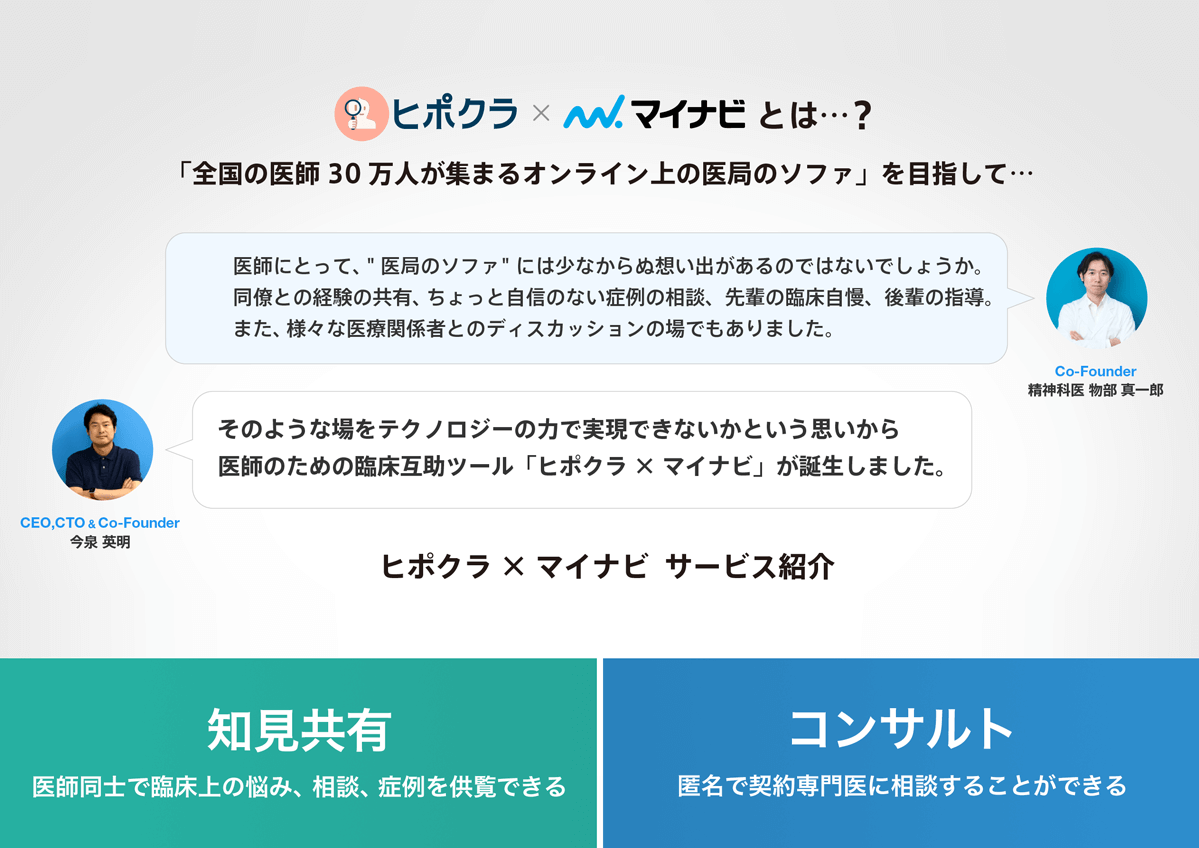
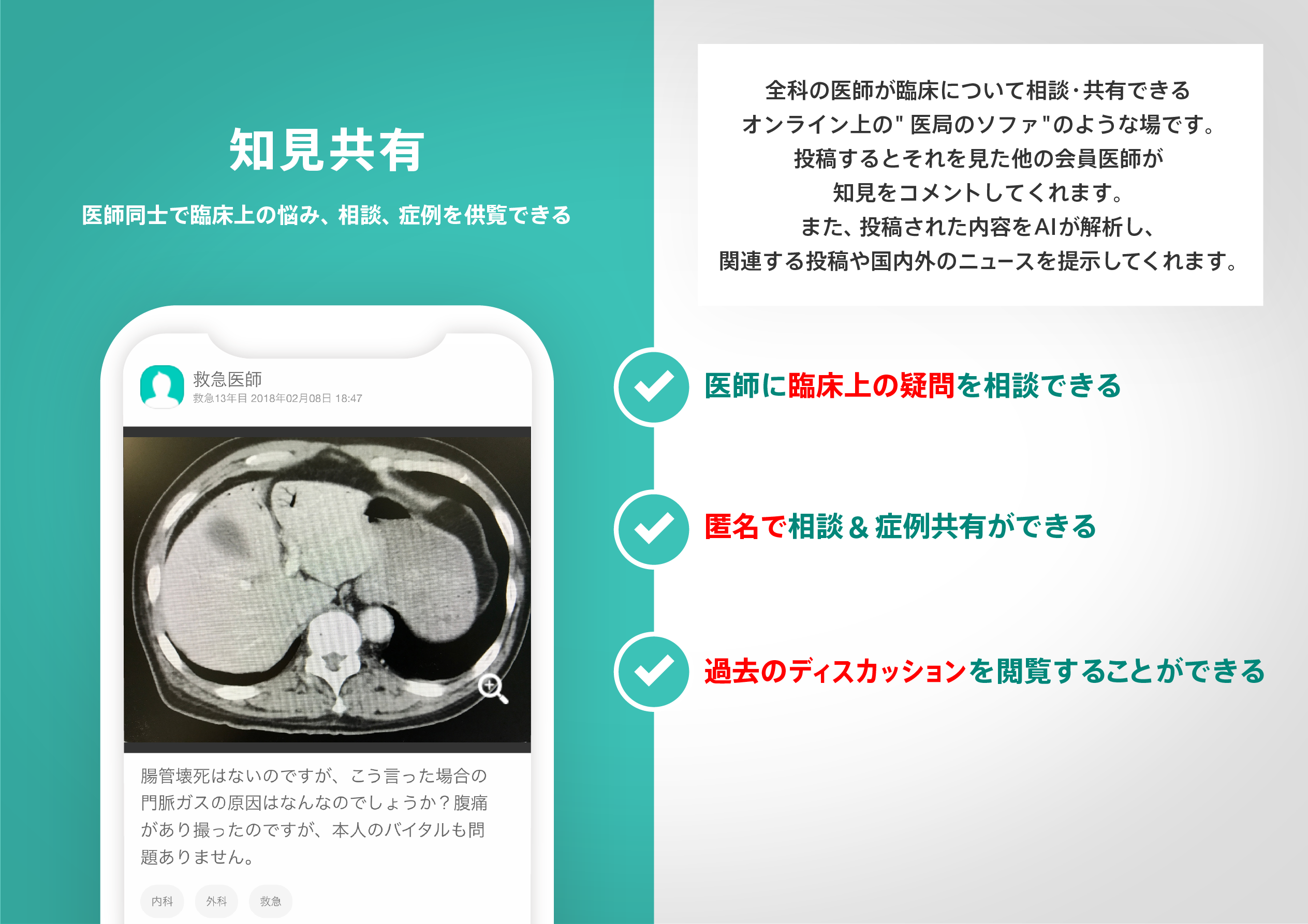
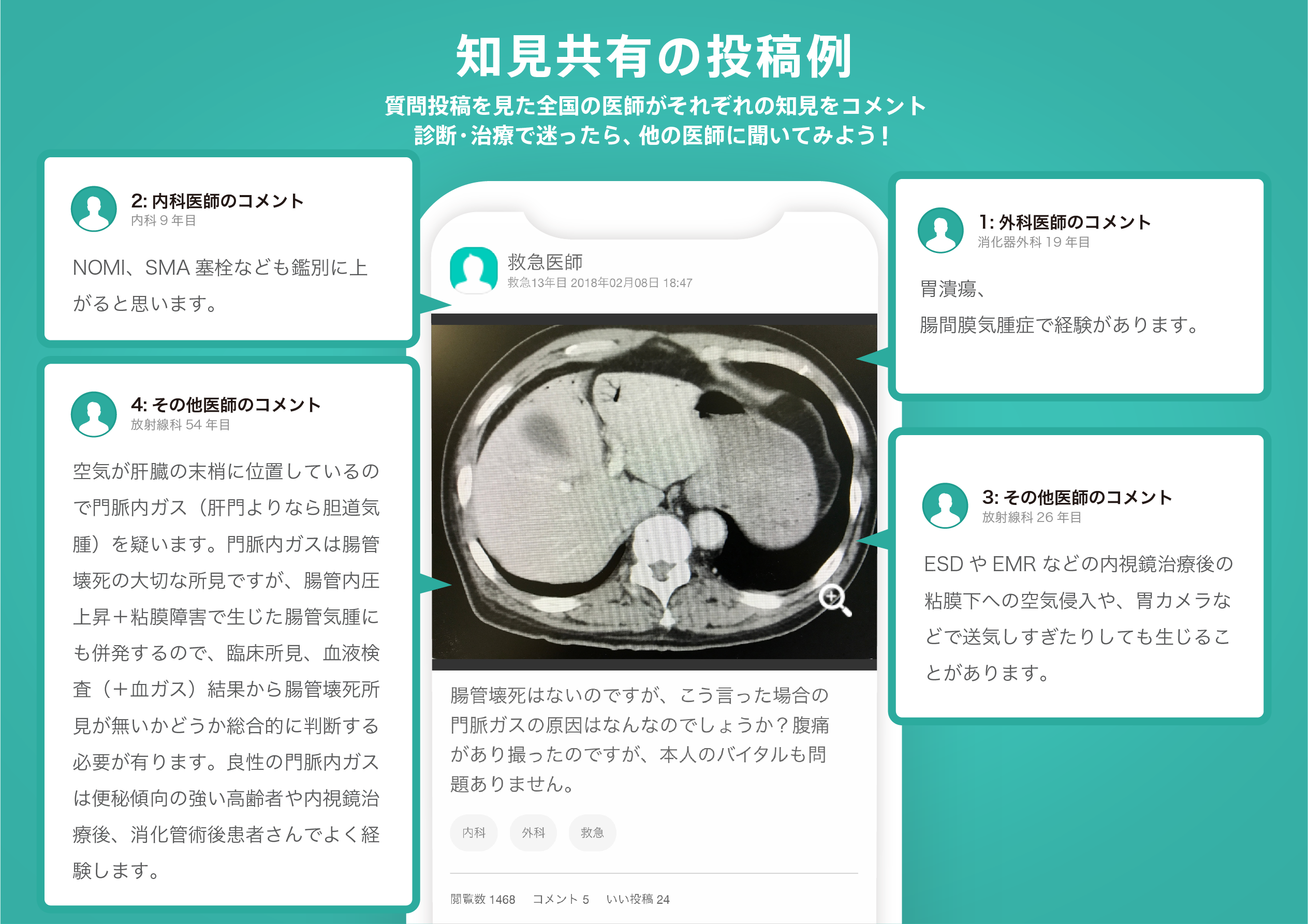
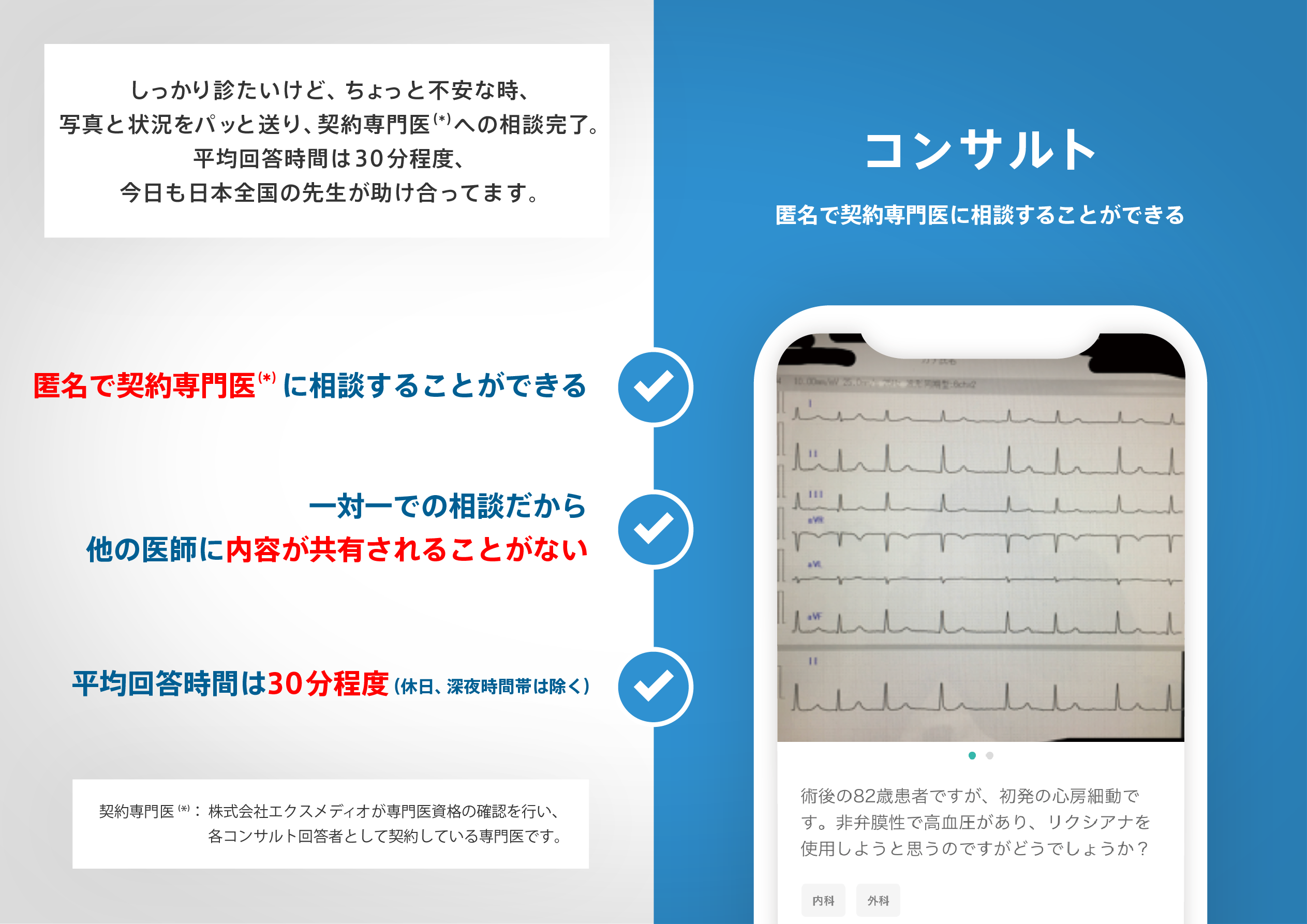
ヒポクラ x マイナビのご紹介

無料会員登録していただくと、さらに便利で効率的な検索が可能になります。