著名医師による解説が無料で読めます
すると翻訳の精度が向上します
目的:肩の後脱臼はまれであり、通常発作の結果です。「リバースヒルサックス病変」として知られる上腕骨頭の前方欠陥は、再発脱臼のリスクを高め、治療が困難です。経皮バルーンの拡張とセメント固定を使用して、前胸部骨折の脱臼または縮小のための経皮的技術を開発しました。 方法:2009年から2012年にかけて、33歳、72歳、75歳の3人の患者が我々の施設に入院し、前方の「逆ヒルサックス」の衝動骨折を示す後部肩脱臼を示しました。1つのケースは二国間(4つの骨折)でした。患者は座位で手術を受けました。上腕骨の頭は、バルーンの膨張中に外部固定器ピンによって安定化されました。すべての場合において、欠陥の還元または充填が得られました。すべての患者を追跡し、1年後に独立した観察者によって2人の患者(3つの骨折)が検査されました。臨床結果は、一定のスコアとRAND-36物理コンポーネントスコアを使用して評価されました。コンピューター断層撮影(CT)スキャンは、手術の前後および最新のフォローアップですべての患者で得られました。 結果:術後3か月で、すべての患者は制限なしに仕事または日常生活の活動を再開しました。平均定数スコアは71、RAND-36スコアは85.5でした。1年後、平均一定のスコアは73で、RAND-36スコアは十分な追跡調査を受けた2人の患者で86.4でした。術後のX線写真とCTスキャンでは、上腕骨頭の球状性が回復し、すべての場合に逆ヒルサックスの課題が満たされたり減少したりしました。再発脱臼はありませんでした。 結論:この小さなシリーズに基づいて、この手法は、再発脱臼のリスクがある上腕骨頭の深い衝突骨折を示す後部肩剥離のために現在の装甲に追加されるべきであると考えています。
目的:肩の後脱臼はまれであり、通常発作の結果です。「リバースヒルサックス病変」として知られる上腕骨頭の前方欠陥は、再発脱臼のリスクを高め、治療が困難です。経皮バルーンの拡張とセメント固定を使用して、前胸部骨折の脱臼または縮小のための経皮的技術を開発しました。 方法:2009年から2012年にかけて、33歳、72歳、75歳の3人の患者が我々の施設に入院し、前方の「逆ヒルサックス」の衝動骨折を示す後部肩脱臼を示しました。1つのケースは二国間(4つの骨折)でした。患者は座位で手術を受けました。上腕骨の頭は、バルーンの膨張中に外部固定器ピンによって安定化されました。すべての場合において、欠陥の還元または充填が得られました。すべての患者を追跡し、1年後に独立した観察者によって2人の患者(3つの骨折)が検査されました。臨床結果は、一定のスコアとRAND-36物理コンポーネントスコアを使用して評価されました。コンピューター断層撮影(CT)スキャンは、手術の前後および最新のフォローアップですべての患者で得られました。 結果:術後3か月で、すべての患者は制限なしに仕事または日常生活の活動を再開しました。平均定数スコアは71、RAND-36スコアは85.5でした。1年後、平均一定のスコアは73で、RAND-36スコアは十分な追跡調査を受けた2人の患者で86.4でした。術後のX線写真とCTスキャンでは、上腕骨頭の球状性が回復し、すべての場合に逆ヒルサックスの課題が満たされたり減少したりしました。再発脱臼はありませんでした。 結論:この小さなシリーズに基づいて、この手法は、再発脱臼のリスクがある上腕骨頭の深い衝突骨折を示す後部肩剥離のために現在の装甲に追加されるべきであると考えています。
PURPOSE: Posterior shoulder dislocations are rare, and are usually the result of seizures. Anterior defects of the humeral head known as "reverse Hill-Sachs lesions" may increase the risk of recurrent dislocation and are difficult to treat. We developed a percutaneous technique for reduction of the dislocation or reduction of the anterior impaction fracture, using percutaneous balloon dilatation and cement fixation. METHODS: From 2009 to 2012, three patients aged 33, 72 and 75 years were admitted to our institution with a posterior shoulder dislocation showing an anterior "reverse Hill-Sachs" impaction fracture. One case was bilateral (four fractures). Patients were operated upon in the sitting position; the humeral head was stabilised by external fixator pins during balloon inflation. Reduction or filling of the defect was obtained in all cases. All patients were followed up and two patients (three fractures) were examined after one year by an independent observer. The clinical results were assessed using the Constant score and the RAND-36 physical components score. A computed tomography (CT) scan was obtained in all patients before and after the operation and at the latest follow-up. RESULTS: At three months postoperatively, all patients had resumed work or daily life activities with no limitation. The mean Constant score was 71 and RAND-36 score was 85.5. After one year, the mean Constant score was 73 and the RAND-36 score was 86.4 for the two patients who had sufficient follow-up. On the postoperative radiograph and CT scan, sphericity of the humeral head was restored, and the reverse Hill-Sachs impaction was filled or reduced in all cases. There was no recurrent dislocation. CONCLUSION: Based on this small series, we believe that this technique should be added to our current armamentarium for posterior shoulder dislocations showing a deep impaction fracture of the humeral head that are at risk for recurrent dislocation.
医師のための臨床サポートサービス
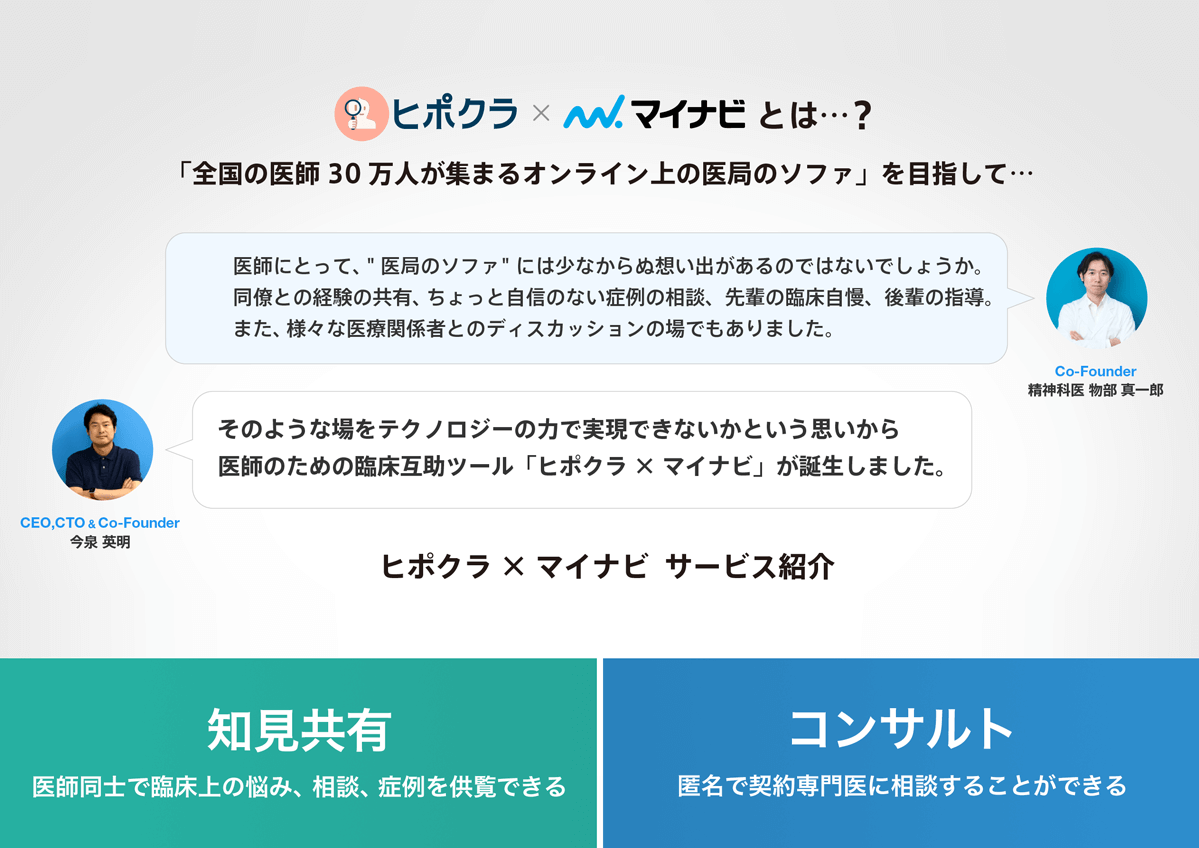
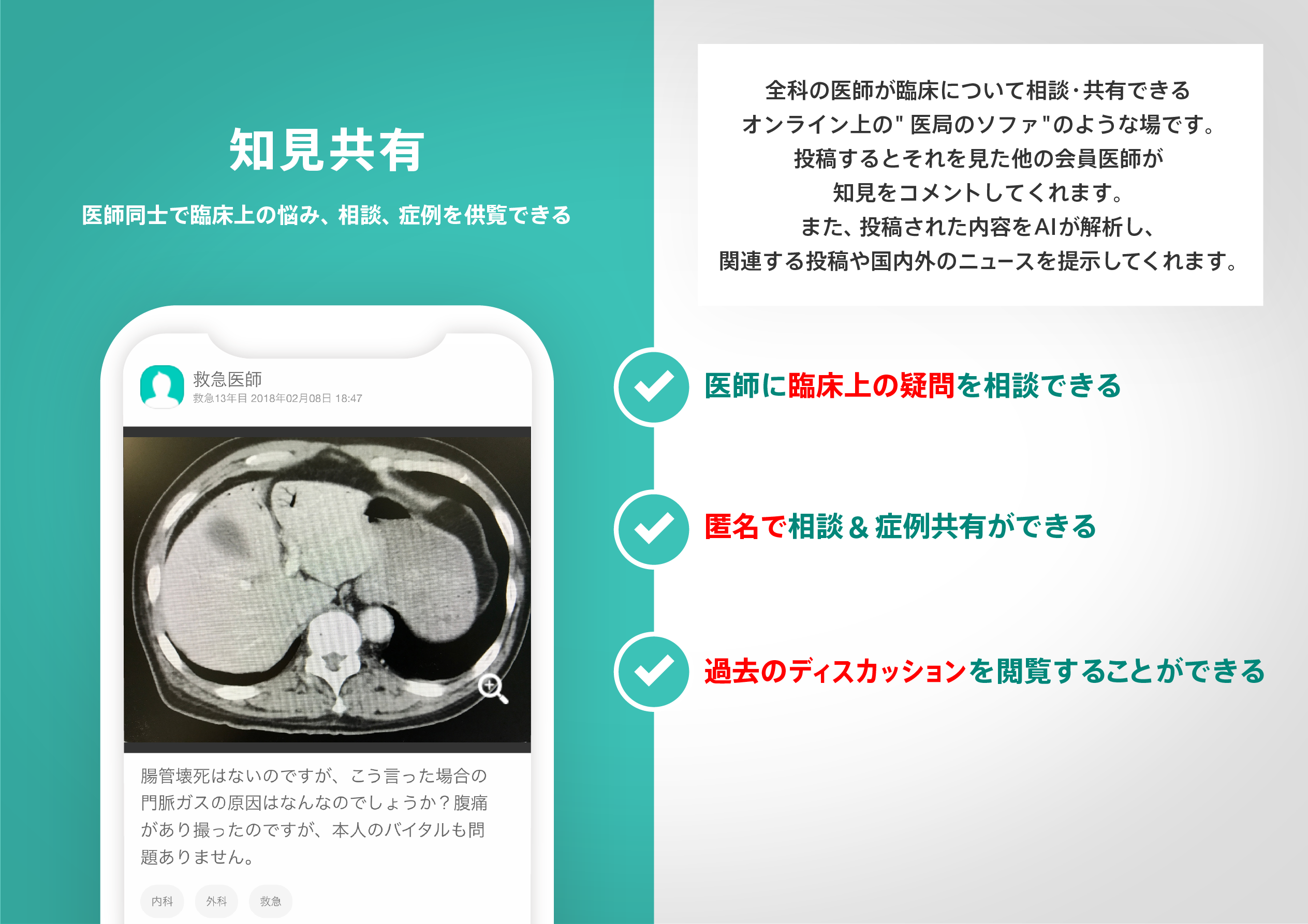
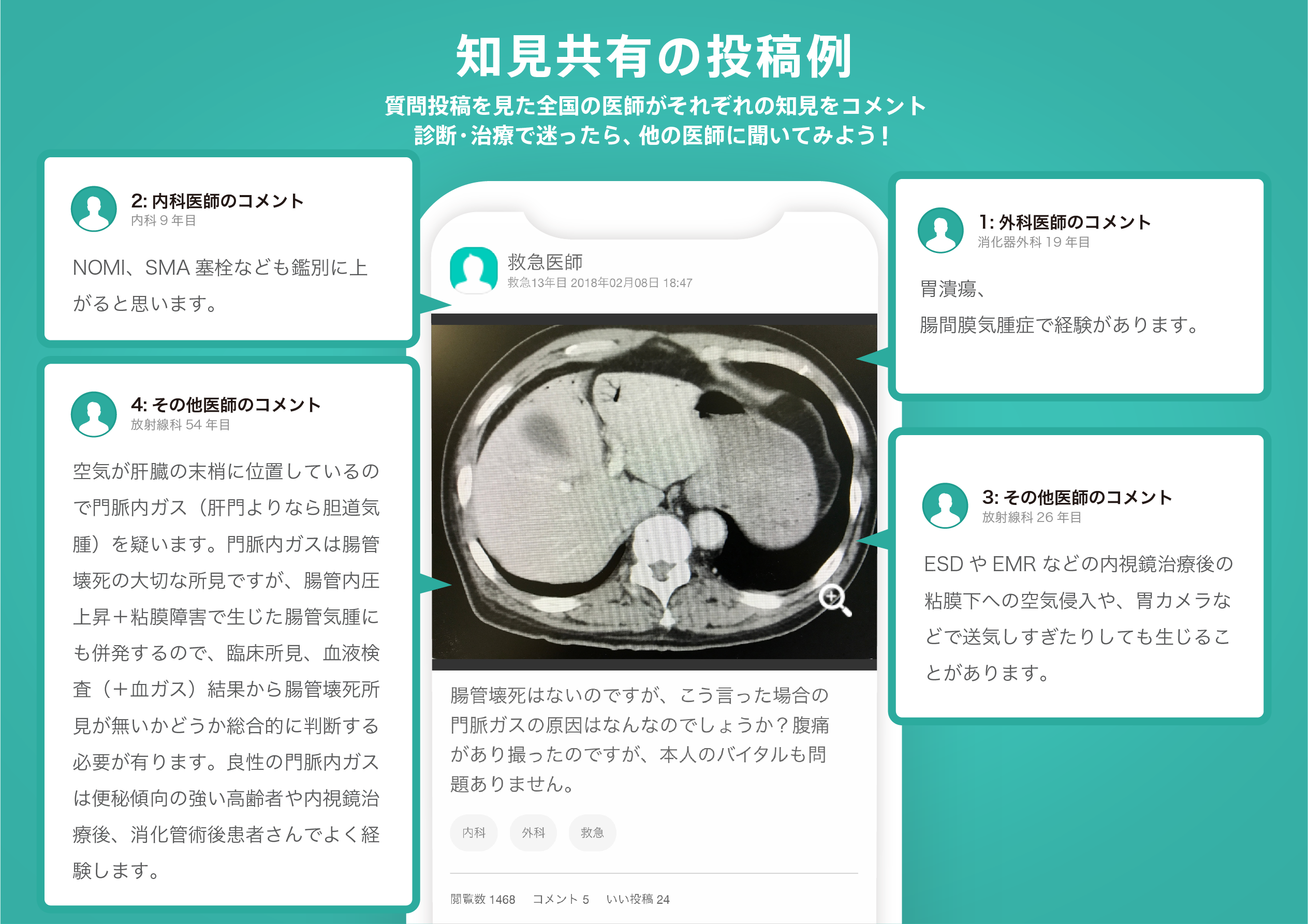
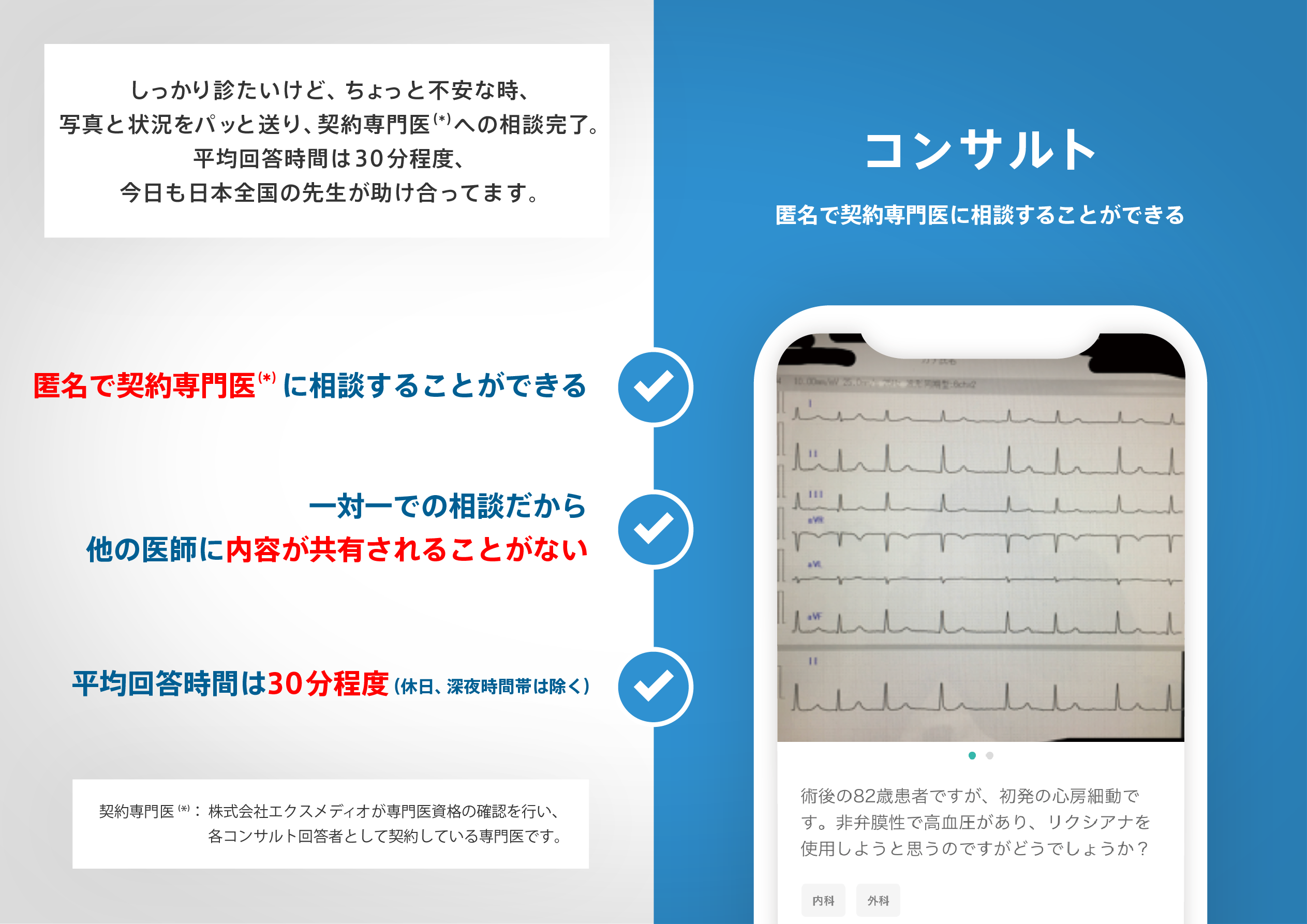
ヒポクラ x マイナビのご紹介

無料会員登録していただくと、さらに便利で効率的な検索が可能になります。