著名医師による解説が無料で読めます
すると翻訳の精度が向上します
目的:この研究の目的は、肝細胞胆管癌腫瘍を組み合わせた診断のための術前イメージングの診断精度を評価し、そのような腫瘍を施設に提示する患者の臨床的およびイメージング特徴と人口統計を評価することでした。 材料と方法:2001年1月から2011年1月まで、29人の患者が病理学的に証明された肝細胞胆管癌腫瘍をこの施設に提示しました。これらの患者のイメージング研究、臨床データ、および人口統計情報のレトロスペクティブレビューが実施されました。6年および18年の経験を持つ2人の放射線科医が、肝細胞胆管癌腫瘍を組み合わせた患者と肝細胞癌(HCC)(n = 15)および胆管癌(n = 18)の対照症例を伴う患者の画像研究をレビューしました。レビュアーは病理学的診断に盲目にされました。提案された最終診断を伴うコントラスト強化MRIおよびCTのイメージング機能が記録されました。 結果:患者集団の人口統計は、肝硬変と肝炎が少数の患者に存在する他の報告された米国人口と類似していた。肝細胞胆管癌の組み合わせのイメージングの特徴は、HCCと胆管癌の腫瘍と重複しています。複合肝細胞胆管癌腫瘍の正しい診断は、いずれかの放射線科医によって少数の症例で行われ、誤診はより頻繁にHCCよりも胆管癌の提案につながりました。組み合わせた肝細胞胆管癌腫瘍の診断のための感受性と特異性は、それぞれ33%から34%、81%から100%の範囲でした。 結論:イメージングの特徴に基づいた肝細胞胆管癌腫瘍を組み合わせた術前診断は、少数の症例では正確です。腫瘍マーカーと危険因子は、精度を改善するのに役立つ場合があります。ただし、HCCまたは胆管癌の古典的なイメージング機能と支持情報がない場合は、診断の確認のために生検を検討する必要があります。
目的:この研究の目的は、肝細胞胆管癌腫瘍を組み合わせた診断のための術前イメージングの診断精度を評価し、そのような腫瘍を施設に提示する患者の臨床的およびイメージング特徴と人口統計を評価することでした。 材料と方法:2001年1月から2011年1月まで、29人の患者が病理学的に証明された肝細胞胆管癌腫瘍をこの施設に提示しました。これらの患者のイメージング研究、臨床データ、および人口統計情報のレトロスペクティブレビューが実施されました。6年および18年の経験を持つ2人の放射線科医が、肝細胞胆管癌腫瘍を組み合わせた患者と肝細胞癌(HCC)(n = 15)および胆管癌(n = 18)の対照症例を伴う患者の画像研究をレビューしました。レビュアーは病理学的診断に盲目にされました。提案された最終診断を伴うコントラスト強化MRIおよびCTのイメージング機能が記録されました。 結果:患者集団の人口統計は、肝硬変と肝炎が少数の患者に存在する他の報告された米国人口と類似していた。肝細胞胆管癌の組み合わせのイメージングの特徴は、HCCと胆管癌の腫瘍と重複しています。複合肝細胞胆管癌腫瘍の正しい診断は、いずれかの放射線科医によって少数の症例で行われ、誤診はより頻繁にHCCよりも胆管癌の提案につながりました。組み合わせた肝細胞胆管癌腫瘍の診断のための感受性と特異性は、それぞれ33%から34%、81%から100%の範囲でした。 結論:イメージングの特徴に基づいた肝細胞胆管癌腫瘍を組み合わせた術前診断は、少数の症例では正確です。腫瘍マーカーと危険因子は、精度を改善するのに役立つ場合があります。ただし、HCCまたは胆管癌の古典的なイメージング機能と支持情報がない場合は、診断の確認のために生検を検討する必要があります。
OBJECTIVE: The purpose of this study was to evaluate the diagnostic accuracy of preoperative imaging for diagnosis of combined hepatocellular cholangiocarcinoma tumors and to evaluate the clinical and imaging features and demographics of patients presenting to our institution with such tumors. MATERIALS AND METHODS: From January 2001 to January 2011, 29 patients presented with pathologically proven combined hepatocellular cholangiocarcinoma tumors to our institution. A retrospective review of the imaging studies, clinical data, and demographic information in these patients was conducted. Two radiologists with 6 and 18 years of experience reviewed the imaging studies of patients with combined hepatocellular cholangiocarcinoma tumors and matched control cases of hepatocellular carcinoma (HCC) (n = 15) and cholangiocarcinoma (n = 18). The reviewers were blinded to the pathologic diagnosis. Imaging features on contrast-enhanced MRI and CT with the suggested final diagnosis were recorded. RESULTS: The demographics of our patient population were similar to other reported U.S. populations, with cirrhosis and hepatitis present in a minority of patients. The imaging features of combined hepatocellular cholangiocarcinoma tumors overlapped with those of HCC and cholangiocarcinoma. The correct diagnosis of combined hepatocellular cholangiocarcinoma tumors was made in a minority of cases by either radiologist, with misdiagnosis more often leading to suggestion of cholangiocarcinoma than HCC. Sensitivities and specificities for diagnosis of combined hepatocellular cholangiocarcinoma tumors ranged from 33% to 34% and 81% to 100%, respectively. CONCLUSION: Preoperative diagnosis of combined hepatocellular cholangiocarcinoma tumors on the basis of imaging features is accurate in the minority of cases. Tumor markers and risk factors may help improve accuracy; however, in the absence of classic imaging features and supportive information for HCC or cholangiocarcinoma, biopsy should be considered for confirmation of diagnosis.
医師のための臨床サポートサービス
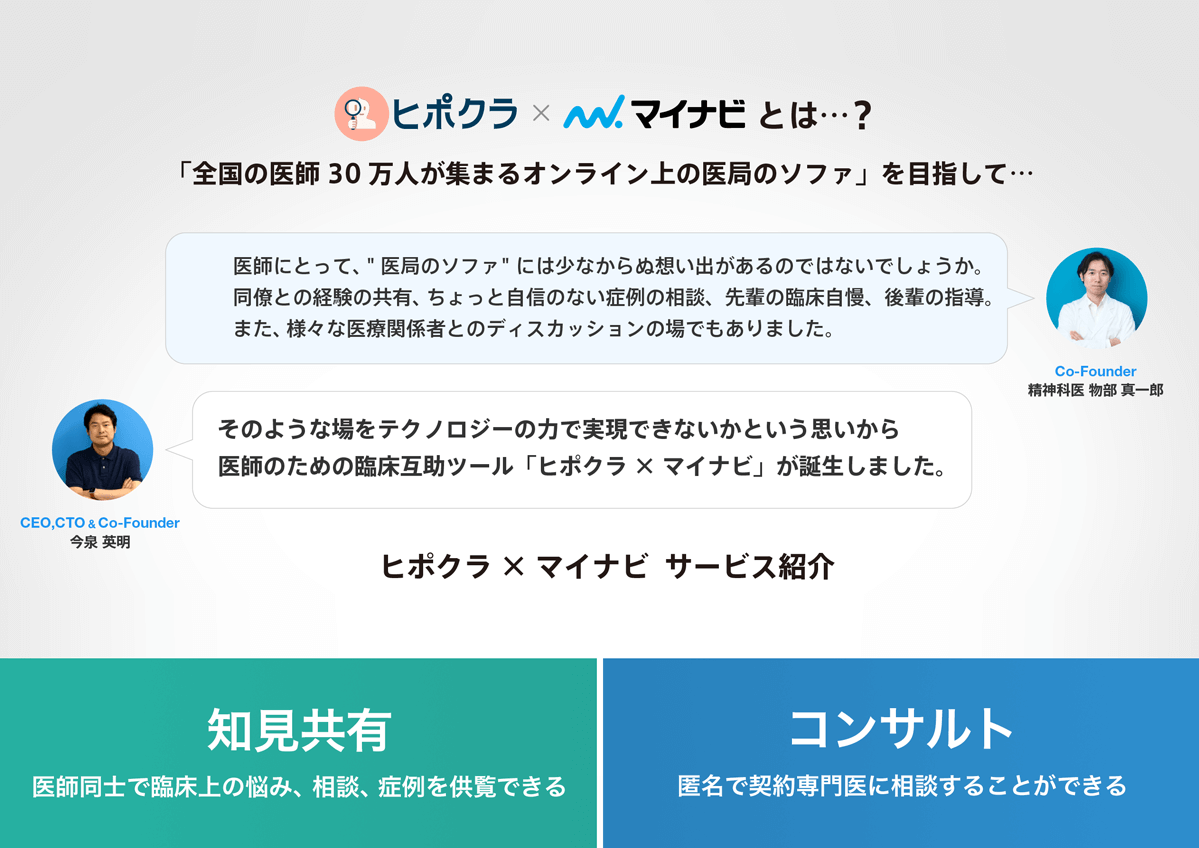
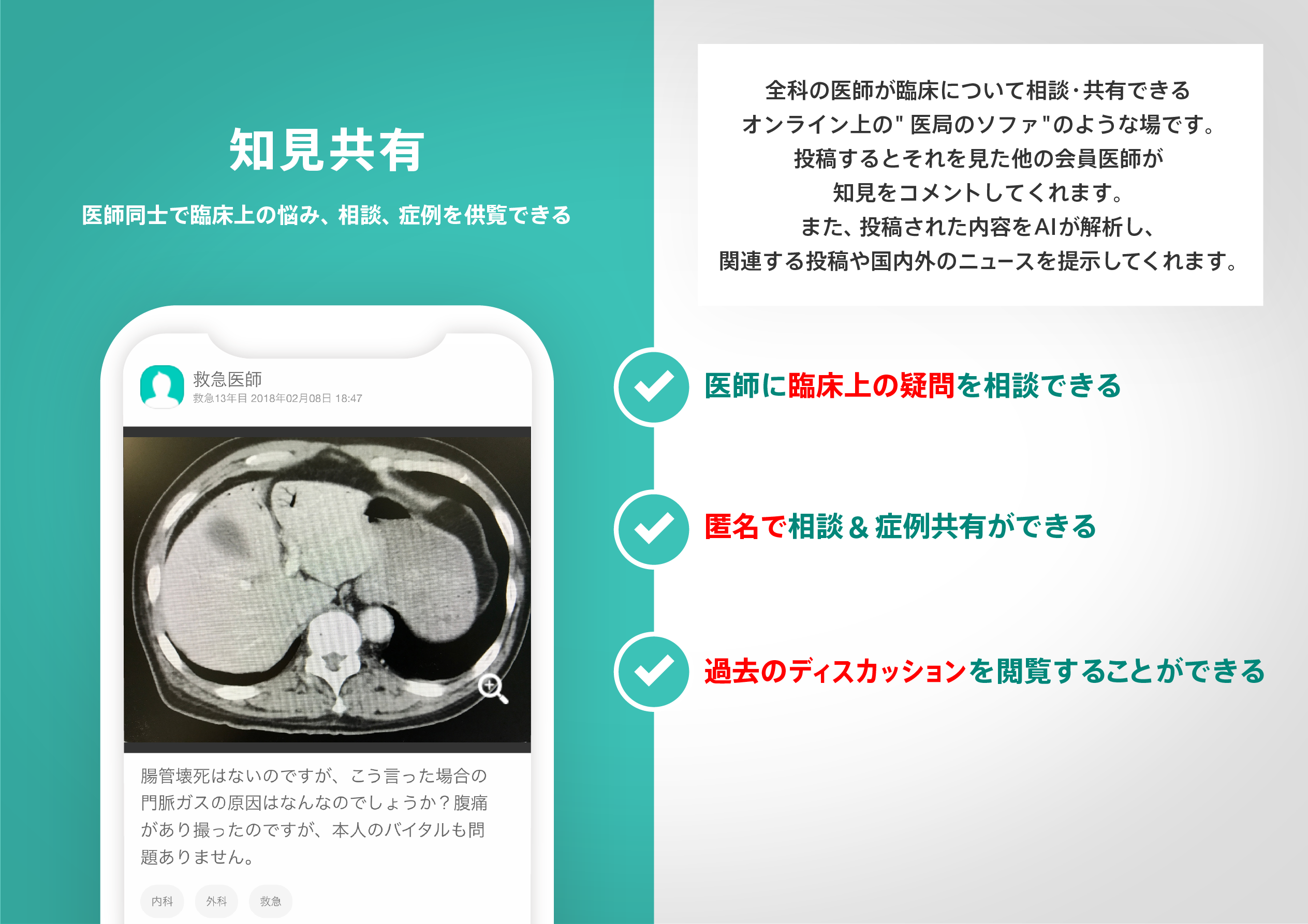
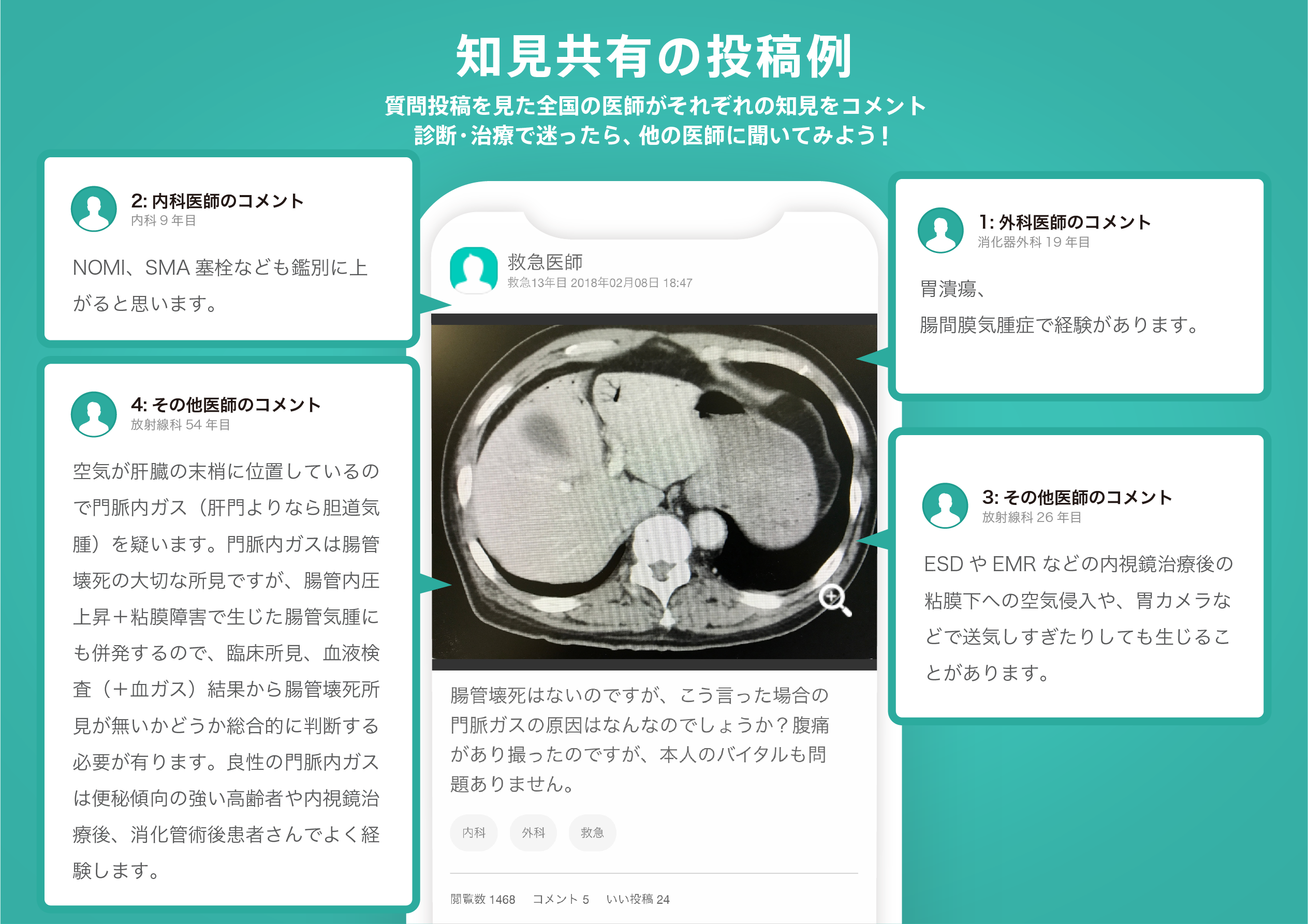
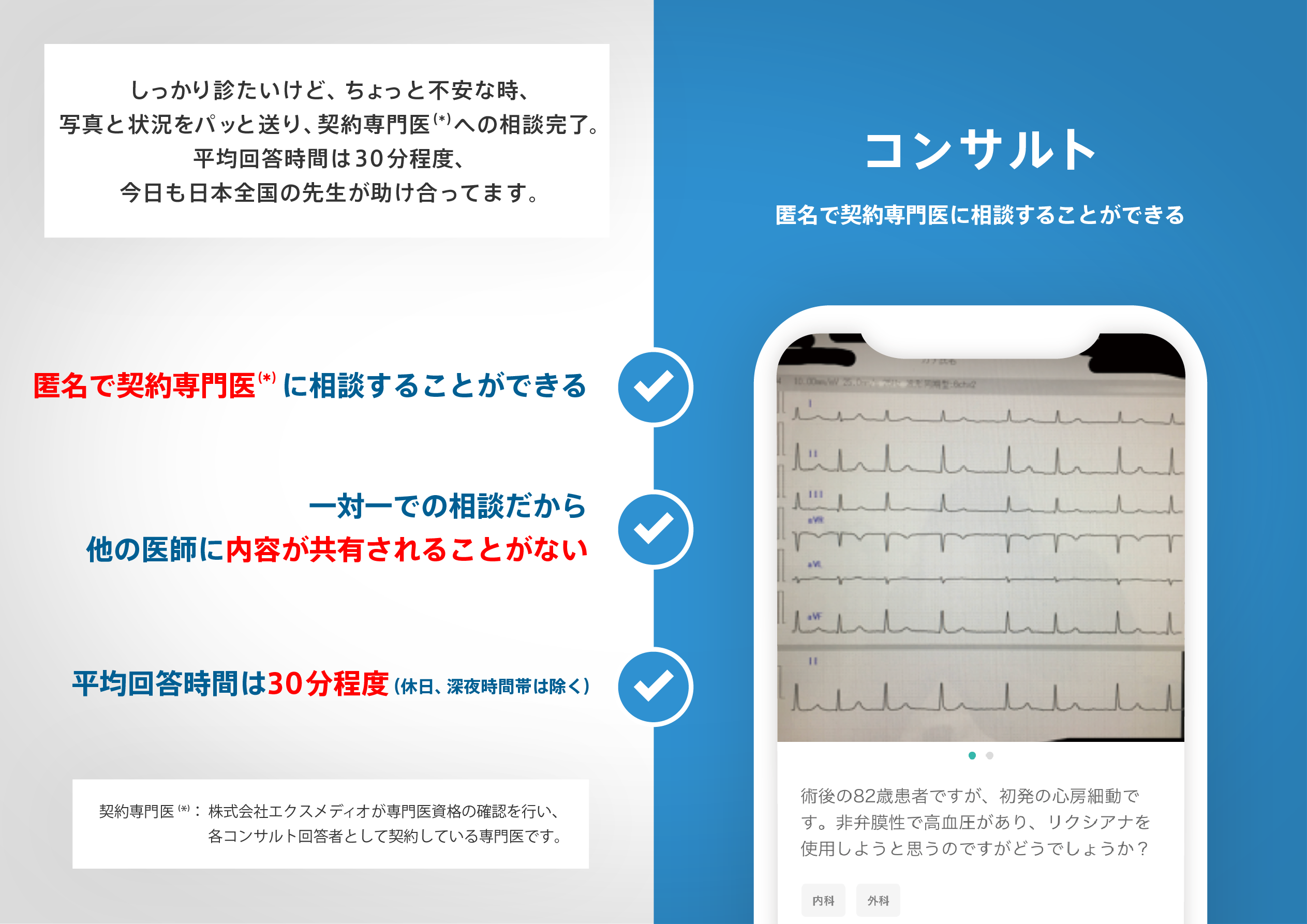
ヒポクラ x マイナビのご紹介

無料会員登録していただくと、さらに便利で効率的な検索が可能になります。