著名医師による解説が無料で読めます
すると翻訳の精度が向上します
ナノメートルスケールで材料を製造および操作する能力の最近の進歩により、多くの種類のナノ粒子の生産および使用が増加している。量子ドット(QD)は、半導体材料(セレン化カドミウム、硫化亜鉛など)のコアと他の元素のシェルまたはドーパントで構成される小さな蛍光ナノ粒子です。粒子のコアの組成、サイズ、シェル、および表面化学はすべて、細胞の毒性に影響を与えることがわかっています。この研究の目的は、ゼブラフィッシュ肝細胞 (ZFL) におけるイオン性カドミウム (Cd) および亜鉛 (Zn) と、カドミウムおよび亜鉛を含む量子ドットの毒性を比較することでした。予想通り、Cd(2+) は Zn(2+) よりも毒性が高く、QD の IC50-24 h 値の一般的な傾向は CdTe < CdSe/ZnS または InP/ZnS であることが判明しました。これは、ZnS シェルを持つ CdSe/ZnS QD が裸のコア CdTe 結晶よりも細胞適合性が高いことを示唆しています。より小さな量子ドットは、より大きな量子ドットよりも大きな毒性を示しました。これらの曝露から単離された mRNA を使用して、メタロチオネイン (MT)、金属応答要素結合転写因子 (MTF-1)、二価金属トランスポーター (DMT-1)、zrt および irt 様タンパク質 (ZIP-1)、亜鉛トランスポーター ZnT-1 などの金属応答遺伝子の発現を測定しました。CdTe 曝露は、CdSO4 曝露と同様に用量依存的にこれらの遺伝子の発現を誘導しました。しかし、CdSe/ZnSおよびInP/ZnSは、対応するCdまたはZn塩とは異なる方法で金属ホメオスタシス遺伝子の遺伝子発現を変化させた。これは、ZnS シェルが Cd(2+) の放出に起因する QD 毒性を軽減するが、ナノ粒子自体によって引き起こされる毒性効果を除去しないことを意味します。
ナノメートルスケールで材料を製造および操作する能力の最近の進歩により、多くの種類のナノ粒子の生産および使用が増加している。量子ドット(QD)は、半導体材料(セレン化カドミウム、硫化亜鉛など)のコアと他の元素のシェルまたはドーパントで構成される小さな蛍光ナノ粒子です。粒子のコアの組成、サイズ、シェル、および表面化学はすべて、細胞の毒性に影響を与えることがわかっています。この研究の目的は、ゼブラフィッシュ肝細胞 (ZFL) におけるイオン性カドミウム (Cd) および亜鉛 (Zn) と、カドミウムおよび亜鉛を含む量子ドットの毒性を比較することでした。予想通り、Cd(2+) は Zn(2+) よりも毒性が高く、QD の IC50-24 h 値の一般的な傾向は CdTe < CdSe/ZnS または InP/ZnS であることが判明しました。これは、ZnS シェルを持つ CdSe/ZnS QD が裸のコア CdTe 結晶よりも細胞適合性が高いことを示唆しています。より小さな量子ドットは、より大きな量子ドットよりも大きな毒性を示しました。これらの曝露から単離された mRNA を使用して、メタロチオネイン (MT)、金属応答要素結合転写因子 (MTF-1)、二価金属トランスポーター (DMT-1)、zrt および irt 様タンパク質 (ZIP-1)、亜鉛トランスポーター ZnT-1 などの金属応答遺伝子の発現を測定しました。CdTe 曝露は、CdSO4 曝露と同様に用量依存的にこれらの遺伝子の発現を誘導しました。しかし、CdSe/ZnSおよびInP/ZnSは、対応するCdまたはZn塩とは異なる方法で金属ホメオスタシス遺伝子の遺伝子発現を変化させた。これは、ZnS シェルが Cd(2+) の放出に起因する QD 毒性を軽減するが、ナノ粒子自体によって引き起こされる毒性効果を除去しないことを意味します。
Recent advances in the ability to manufacture and manipulate materials at the nanometer scale have led to increased production and use of many types of nanoparticles. Quantum dots (QDs) are small, fluorescent nanoparticles composed of a core of semiconductor material (e.g. cadmium selenide, zinc sulfide) and shells or dopants of other elements. Particle core composition, size, shell, and surface chemistry have all been found to influence toxicity in cells. The aim of this study was to compare the toxicities of ionic cadmium (Cd) and zinc (Zn) and Cd- and Zn-containing QDs in zebrafish liver cells (ZFL). As expected, Cd(2+) was more toxic than Zn(2+), and the general trend of IC50-24 h values of QDs was determined to be CdTe < CdSe/ZnS or InP/ZnS, suggesting that ZnS-shelled CdSe/ZnS QDs were more cytocompatible than bare core CdTe crystals. Smaller QDs showed greater toxicity than larger QDs. Isolated mRNA from these exposures was used to measure the expression of metal response genes including metallothionein (MT), metal response element-binding transcription factor (MTF-1), divalent metal transporter (DMT-1), zrt and irt like protein (ZIP-1) and the zinc transporter, ZnT-1. CdTe exposure induced expression of these genes in a dose dependent manner similar to that of CdSO4 exposure. However, CdSe/ZnS and InP/ZnS altered gene expression of metal homeostasis genes in a manner different from that of the corresponding Cd or Zn salts. This implies that ZnS shells reduce QD toxicity attributed to the release of Cd(2+), but do not eliminate toxic effects caused by the nanoparticles themselves.
医師のための臨床サポートサービス
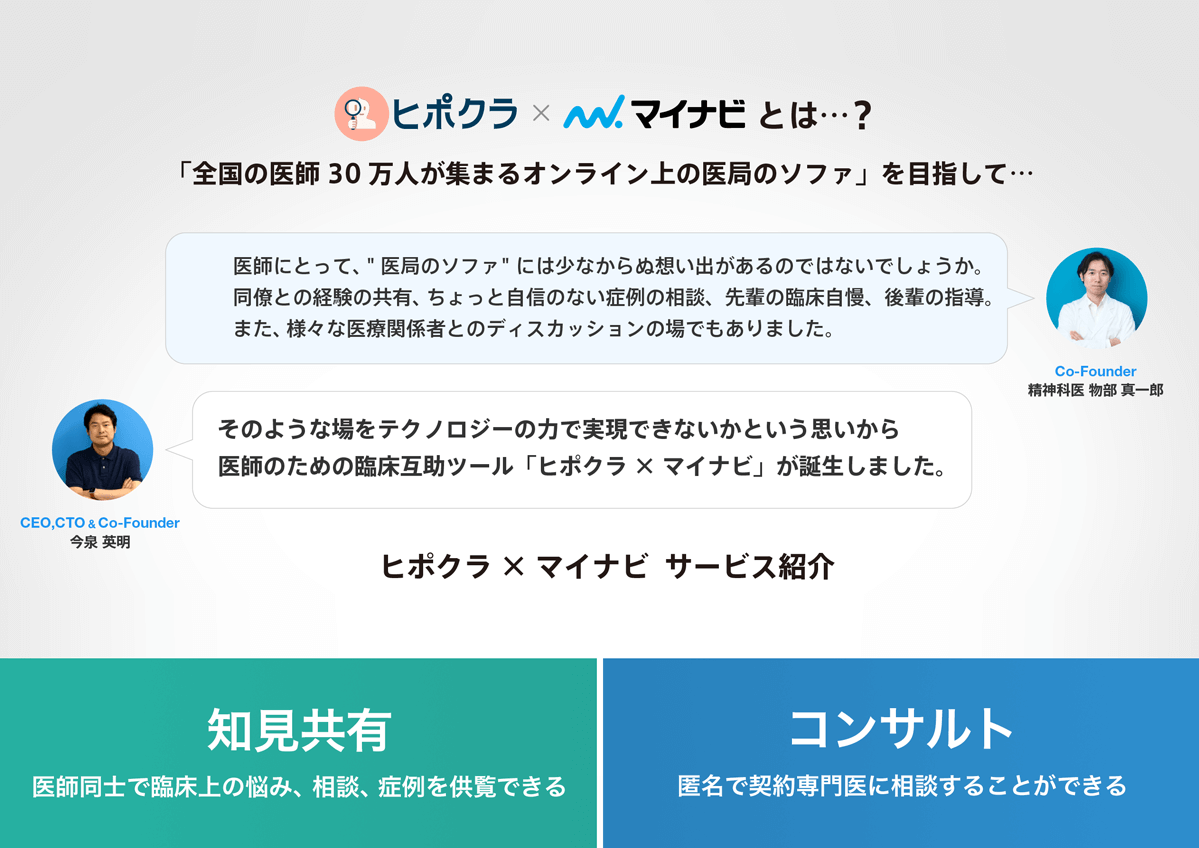
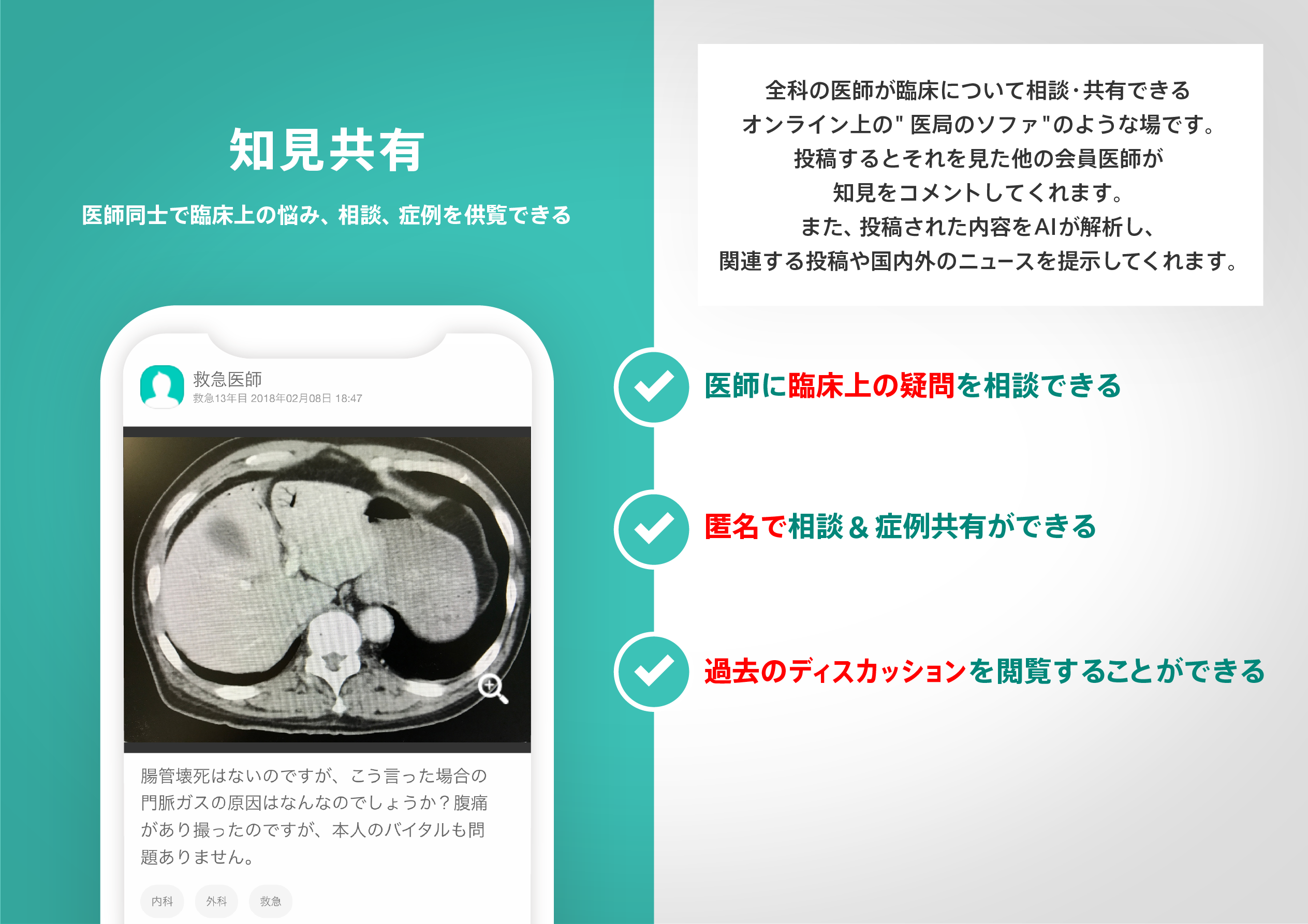
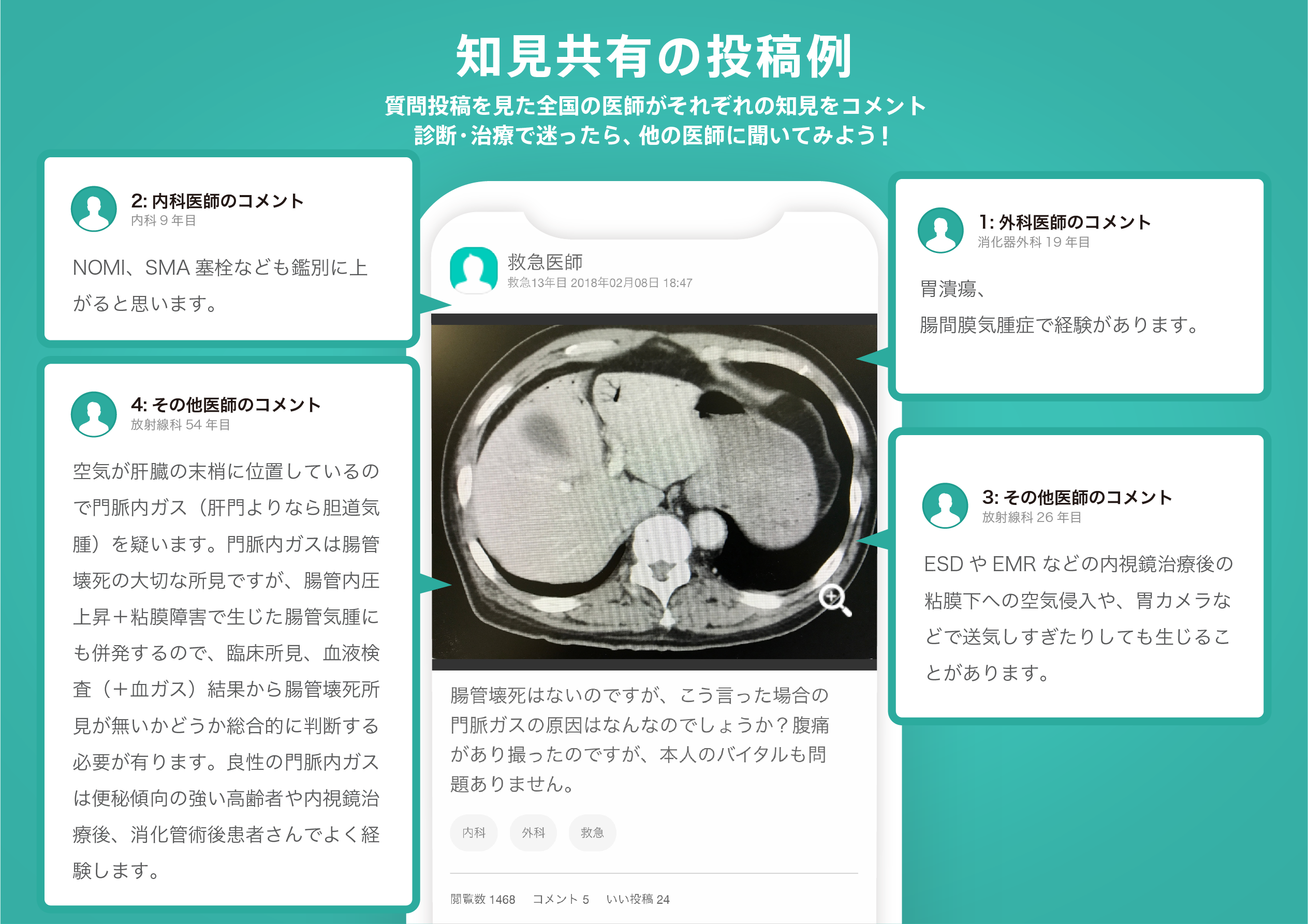
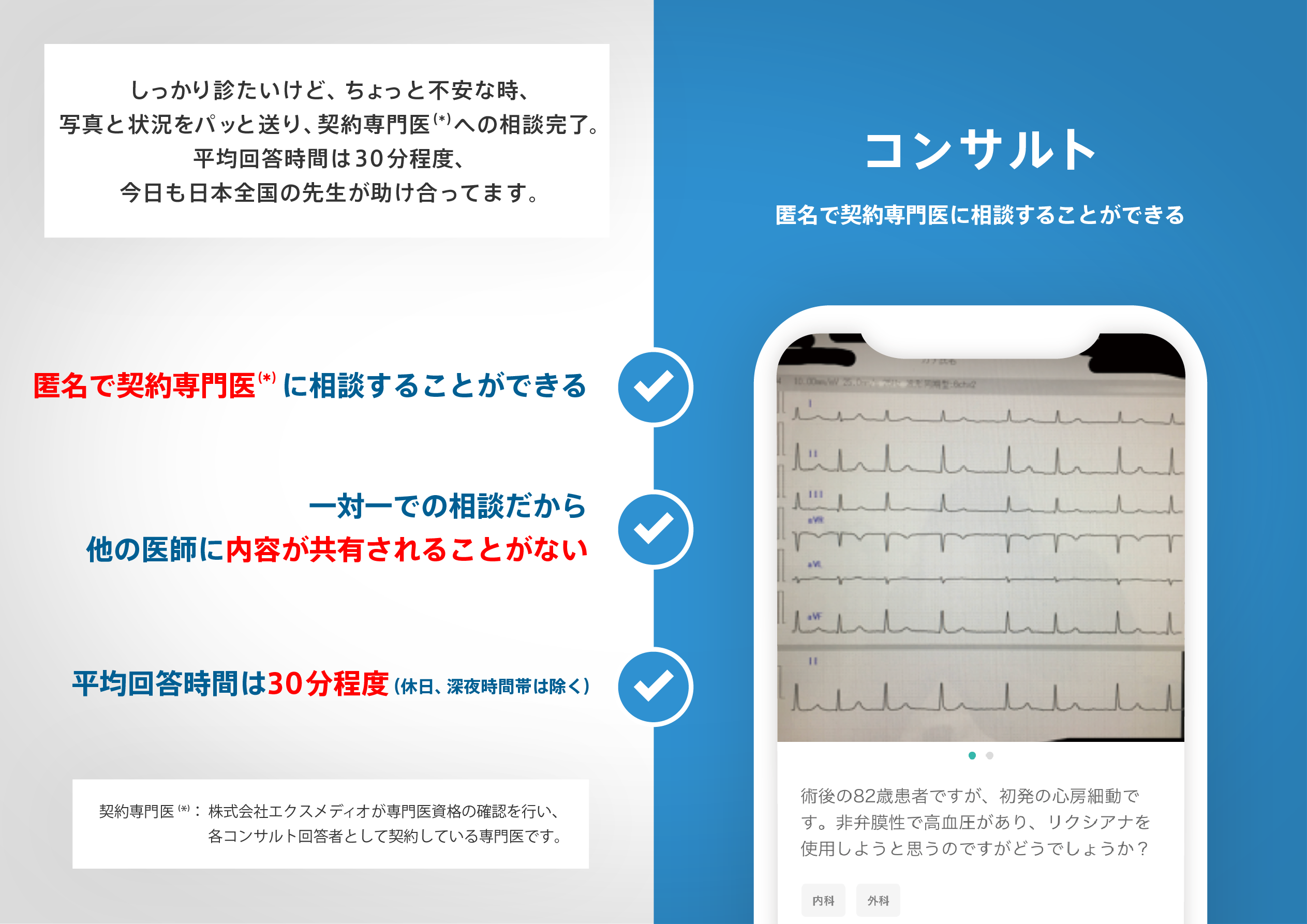
ヒポクラ x マイナビのご紹介

無料会員登録していただくと、さらに便利で効率的な検索が可能になります。