著名医師による解説が無料で読めます
すると翻訳の精度が向上します
キサンチン酸の形成を触媒するキサンチンオキシダーゼ(XOD)の活性に対する加水分解性タンニン、凝縮タンニン、および関連するポリフェノールの阻害効果を調査しました。阻害の強度に顕著な違いが観察されました。モノマーの加水分解性タンニン間の違いのいくつかは、分子のフェノールヒドロキシル基の数を反映した分子量によるものでした。しかし、いくつかのオリゴマーの加水分解性タンニンの阻害活性は、その大きな分子サイズにもかかわらず特に低いと思われました。また、炭水化物コアのアシル基の位置の違いが、モノマーおよびオリゴマーの加水分解性タンニンの阻害活性の違いを引き起こすことも観察されました。カフェ酸誘導体(カフェタニン)、3,5-Di-O-カフェイルキン酸(24)もこの酵素を阻害しました。ガロイル化とプロアントシアニジンの重合度も、阻害の強度に著しく影響することが示されました。本研究でテストされた化合物の中で、Mallotus japonicusから分離されたボロン酸ディラクトン(29)は、酵素を最も効果的に阻害しました。運動学的研究では、このジラクトンがXODを競合的に阻害したことが示されました。各タンニンについて、ヘモグロビンへの結合活性とXODに対する阻害効果の比較は、XODの阻害がタンパク質への非特異的結合に基づいていないことを示唆しています。XODに対する阻害効果と、ヒポキサンチン-XODシステムからのスーパーオキシドアニオンラジカル(O2-。)の生成に対する阻害効果と同様の比較により、O2-の阻害が明らかになりました。タンニンによる生成は、酵素に対する阻害活性によるものではなく、根本的な規制活性によるものです。
キサンチン酸の形成を触媒するキサンチンオキシダーゼ(XOD)の活性に対する加水分解性タンニン、凝縮タンニン、および関連するポリフェノールの阻害効果を調査しました。阻害の強度に顕著な違いが観察されました。モノマーの加水分解性タンニン間の違いのいくつかは、分子のフェノールヒドロキシル基の数を反映した分子量によるものでした。しかし、いくつかのオリゴマーの加水分解性タンニンの阻害活性は、その大きな分子サイズにもかかわらず特に低いと思われました。また、炭水化物コアのアシル基の位置の違いが、モノマーおよびオリゴマーの加水分解性タンニンの阻害活性の違いを引き起こすことも観察されました。カフェ酸誘導体(カフェタニン)、3,5-Di-O-カフェイルキン酸(24)もこの酵素を阻害しました。ガロイル化とプロアントシアニジンの重合度も、阻害の強度に著しく影響することが示されました。本研究でテストされた化合物の中で、Mallotus japonicusから分離されたボロン酸ディラクトン(29)は、酵素を最も効果的に阻害しました。運動学的研究では、このジラクトンがXODを競合的に阻害したことが示されました。各タンニンについて、ヘモグロビンへの結合活性とXODに対する阻害効果の比較は、XODの阻害がタンパク質への非特異的結合に基づいていないことを示唆しています。XODに対する阻害効果と、ヒポキサンチン-XODシステムからのスーパーオキシドアニオンラジカル(O2-。)の生成に対する阻害効果と同様の比較により、O2-の阻害が明らかになりました。タンニンによる生成は、酵素に対する阻害活性によるものではなく、根本的な規制活性によるものです。
The inhibitory effects of hydrolyzable tannins, condensed tannins and related polyphenols on the activity of xanthine oxidase (XOD), catalyzing uric acid formation from xanthine, were investigated. Marked differences in the strength of the inhibition were observed. Some of the differences among the monomeric hydrolyzable tannins were due to their molecular weights, reflecting the number of phenolic hydroxyl groups in the molecule. However, the inhibitory activity of several oligomeric hydrolyzable tannins seemed particularly low in spite of their large molecular size. It was also observed that differences in location of acyl groups on the carbohydrate cores caused differences in the inhibitory activity among monomeric and oligomeric hydrolyzable tannins. A caffeic acid derivative (caffeetannin), 3,5-di-O-caffeoylquinic acid (24), also inhibited this enzyme. Galloylation and the degree of polymerization in proanthocyanidins were also shown to affect remarkably the strength of the inhibition. Among the compounds tested in the present study, valoneic acid dilactone (29), isolated from Mallotus japonicus, inhibited the enzyme most effectively. A kinetic study showed that this dilactone inhibited XOD non-competitively. Comparison of the inhibitory effect on XOD, with the binding activity to hemoglobin, for each tannin, suggests that their inhibition of XOD is not based on non-specific binding to the protein. Similar comparison of the inhibitory effect on XOD with the inhibitory effect on the generation of superoxide anion radical (O2-.) from the hypoxanthine-XOD system revealed that the inhibition of O2-. generation by tannins is due to their radical-scavenging activity, and not due to their inhibitory activity upon the enzyme.
医師のための臨床サポートサービス
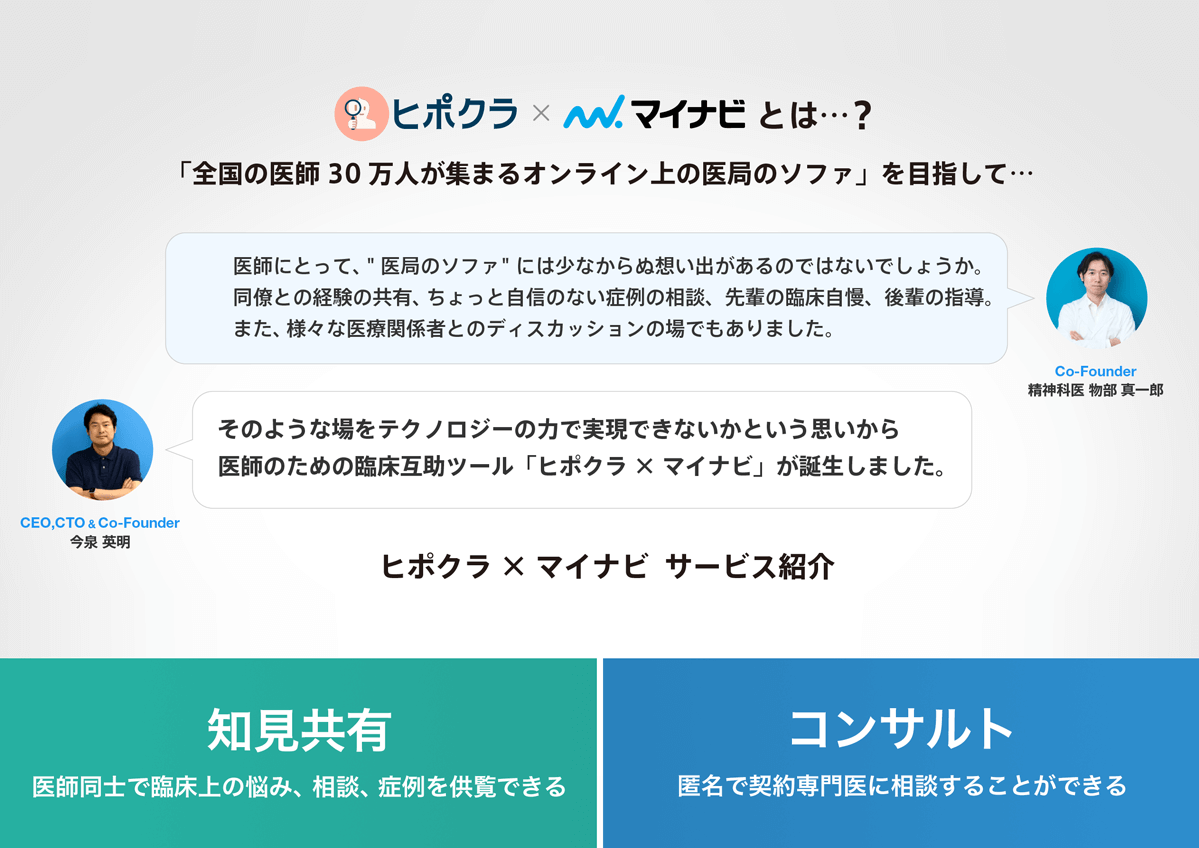
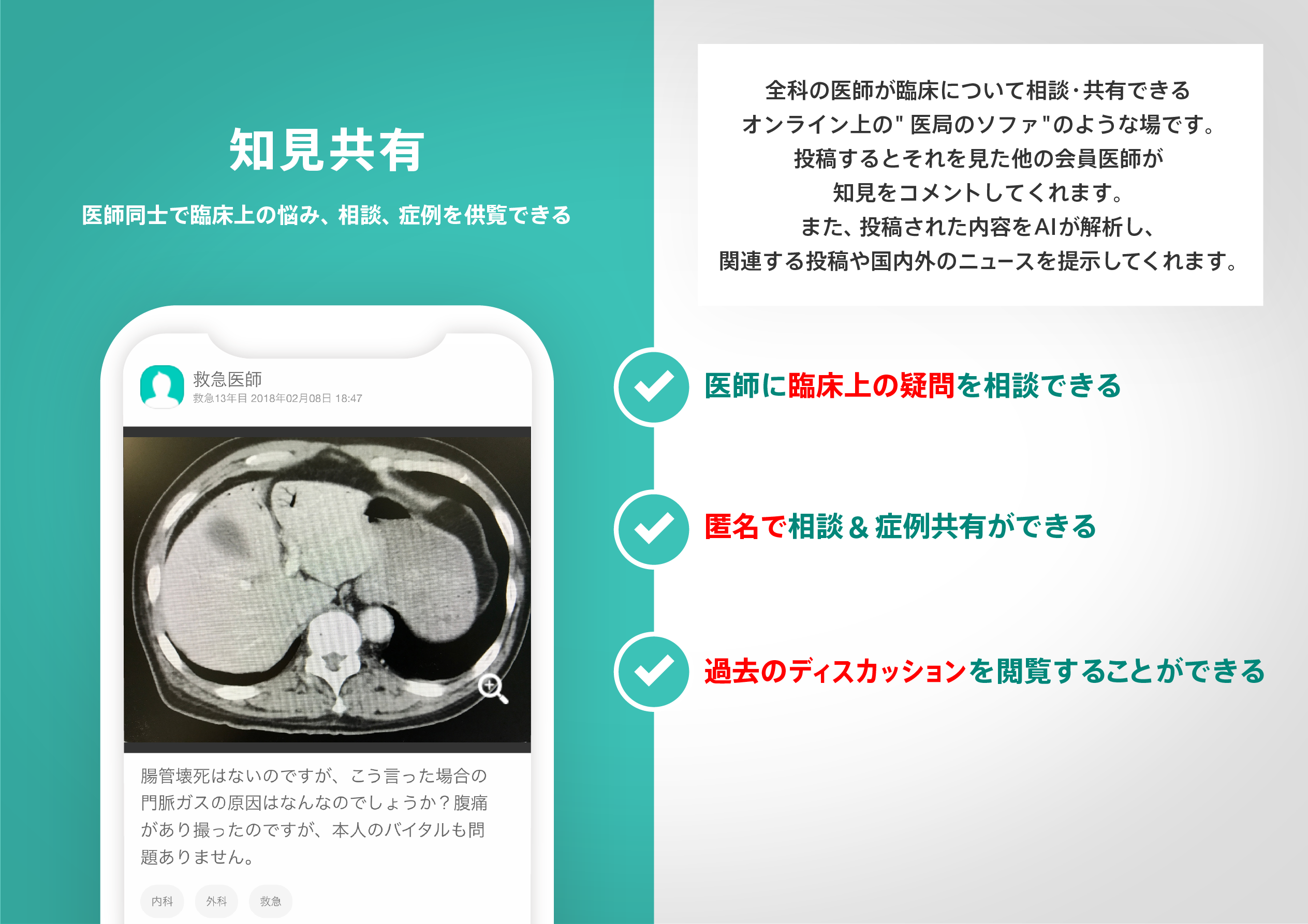
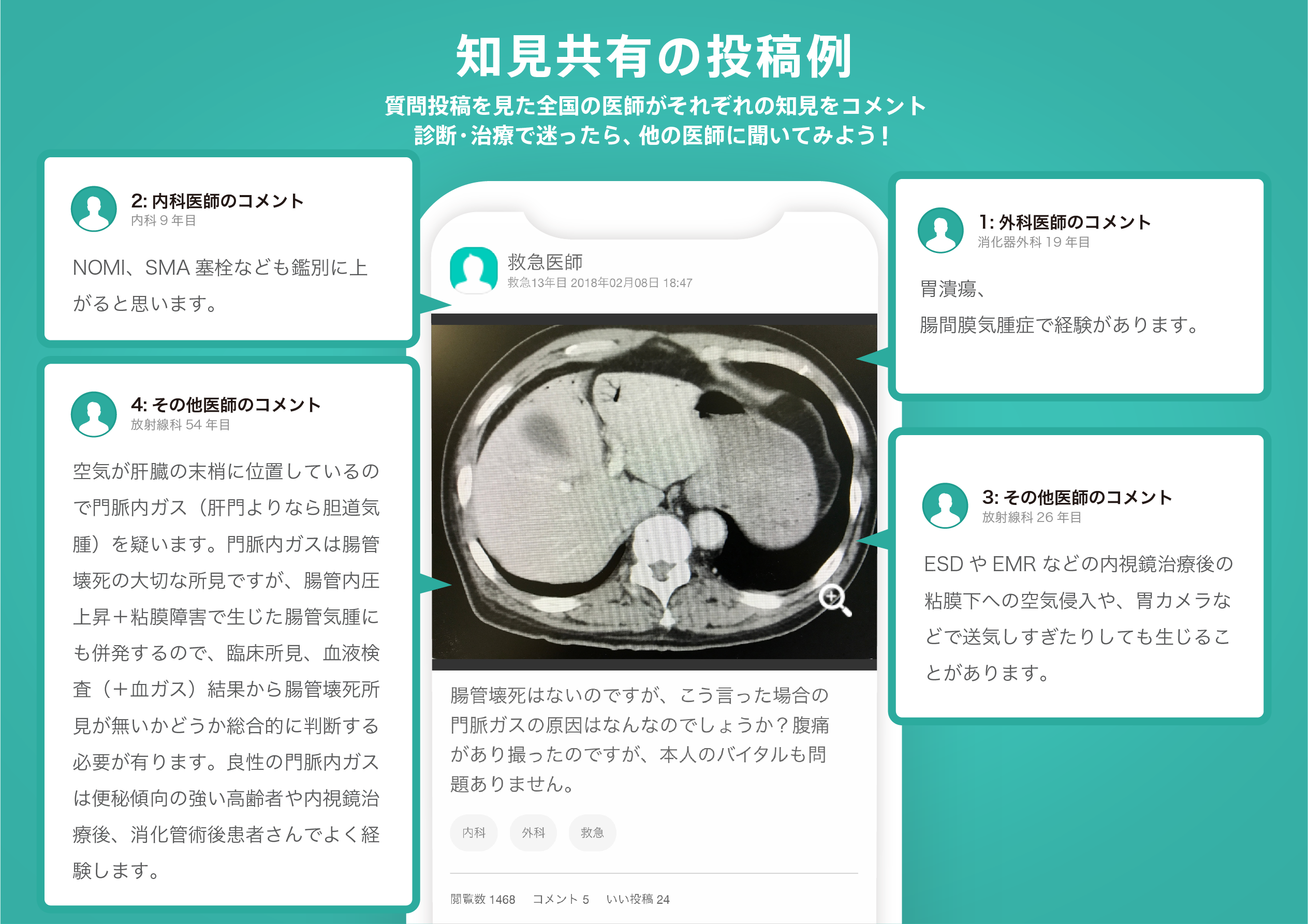
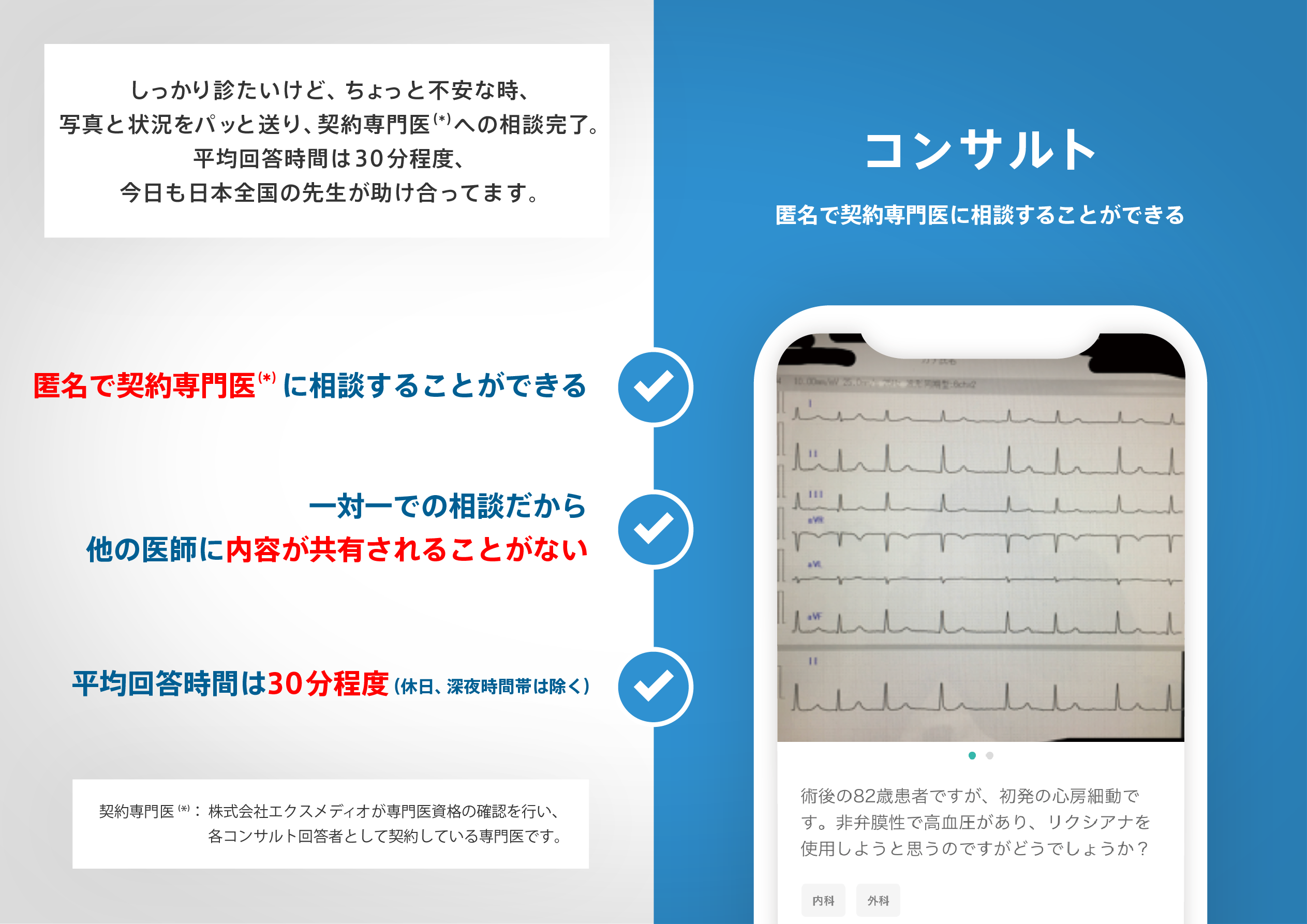
ヒポクラ x マイナビのご紹介

無料会員登録していただくと、さらに便利で効率的な検索が可能になります。