著名医師による解説が無料で読めます
すると翻訳の精度が向上します
カリプラジンは、米国食品医薬品局の承認を待っている潜在的な抗精神病薬です。これは、ほとんどの古い抗精神病薬のD2拮抗作用とは対照的に、D3受容体に対する親和性が高いドーパミンD2およびD3受容体の部分アゴニストです。ほとんどの親油性抗精神病薬と同様に、活性代謝産物の形成を伴う、主に多様な3A4であるシトクロムP450(CYP)によって広範な肝代謝を受けます。しかし、親化合物 - 特にその活性なデスメチル誘導体 - は非常にゆっくりとクリアされ、統合失調症患者の半減期は、カリプラジンの2〜5日からディスメチルカリプラジンの2〜3週間から2〜3週間までの範囲で除去されます。後者への曝露は、カリプラジンにとっては数倍でしたが、ディスメチルカリプラジンは12.5 mg/日の投与の3週間以内に定常状態に達しませんでした。その治療的役割に関する予備情報は、プレスリリースと科学会議で発表されたいくつかの要約から得られます。短期対照試験では、統合失調症の陽性症状と陰性症状を減らすことがプラセボよりも効果的であり、1.5〜12 mg/日の有効用量範囲がありました。カリプラジンは、プラセボよりもアカシシアおよび錐体外路副作用の発生率が高いと関連していたが、体重増加、代謝異常、プロラクチンの増加、またはQT延長を補正することはなかった。同様に、カリプラジンの有効性と双極性障害の治療に対する忍容性(man病/混合および抑うつエピソード)は、3〜12 mg/日の用量範囲で確立されましたが、再び長期データは利用できません。統合失調症および双極マニアにおけるカリプラジンの治療的役割と安全性プロファイルを定義するには、主に他の第二世代の抗精神病薬との直接的な「頭と頭と緊張間の比較)を示す適切に設計された臨床試験が必要です。
カリプラジンは、米国食品医薬品局の承認を待っている潜在的な抗精神病薬です。これは、ほとんどの古い抗精神病薬のD2拮抗作用とは対照的に、D3受容体に対する親和性が高いドーパミンD2およびD3受容体の部分アゴニストです。ほとんどの親油性抗精神病薬と同様に、活性代謝産物の形成を伴う、主に多様な3A4であるシトクロムP450(CYP)によって広範な肝代謝を受けます。しかし、親化合物 - 特にその活性なデスメチル誘導体 - は非常にゆっくりとクリアされ、統合失調症患者の半減期は、カリプラジンの2〜5日からディスメチルカリプラジンの2〜3週間から2〜3週間までの範囲で除去されます。後者への曝露は、カリプラジンにとっては数倍でしたが、ディスメチルカリプラジンは12.5 mg/日の投与の3週間以内に定常状態に達しませんでした。その治療的役割に関する予備情報は、プレスリリースと科学会議で発表されたいくつかの要約から得られます。短期対照試験では、統合失調症の陽性症状と陰性症状を減らすことがプラセボよりも効果的であり、1.5〜12 mg/日の有効用量範囲がありました。カリプラジンは、プラセボよりもアカシシアおよび錐体外路副作用の発生率が高いと関連していたが、体重増加、代謝異常、プロラクチンの増加、またはQT延長を補正することはなかった。同様に、カリプラジンの有効性と双極性障害の治療に対する忍容性(man病/混合および抑うつエピソード)は、3〜12 mg/日の用量範囲で確立されましたが、再び長期データは利用できません。統合失調症および双極マニアにおけるカリプラジンの治療的役割と安全性プロファイルを定義するには、主に他の第二世代の抗精神病薬との直接的な「頭と頭と緊張間の比較)を示す適切に設計された臨床試験が必要です。
Cariprazine is a potential antipsychotic awaiting approval from the US Food and Drug Administration. It is a dopamine D2- and D3-receptor partial agonist, with higher affinity for D3 receptors, as opposed to the D2 antagonism of most older antipsychotic agents. Like most lipophilic antipsychotics, it undergoes extensive hepatic metabolism by cytochrome P450 (CYP), mainly the highly variable 3A4, with the formation of active metabolites. However, the parent compound - particularly its active didesmethyl derivative - is cleared very slowly, with elimination half-lives in schizophrenic patients ranging from 2-5 days for cariprazine to 2-3 weeks for didesmethyl-cariprazine. Exposure to the latter was several times that for cariprazine, although didesmethyl-cariprazine did not reach steady state within the 3 weeks of 12.5 mg/day dosing. Preliminary information on its therapeutic role comes from press releases and a few abstracts presented at scientific meetings. In short-term controlled trials, it was more effective than placebo in reducing positive and negative symptoms of schizophrenia, with an effective dose range of 1.5-12 mg/day. Although cariprazine was associated with a higher incidence of akathisia and extrapyramidal side effects than placebo, it did not cause weight gain, metabolic abnormalities, prolactin increase, or corrected QT prolongation. Similarly, cariprazine's efficacy and tolerability for the treatment of bipolar disorder (manic/mixed and depressive episodes) was established in the dose range of 3-12 mg/day, although again no long-term data are available. Well-designed clinical trials, mainly direct "head-to-head" comparisons with other second-generation antipsychotic agents, are needed to define the therapeutic role and safety profile of cariprazine in schizophrenia and bipolar mania.
医師のための臨床サポートサービス
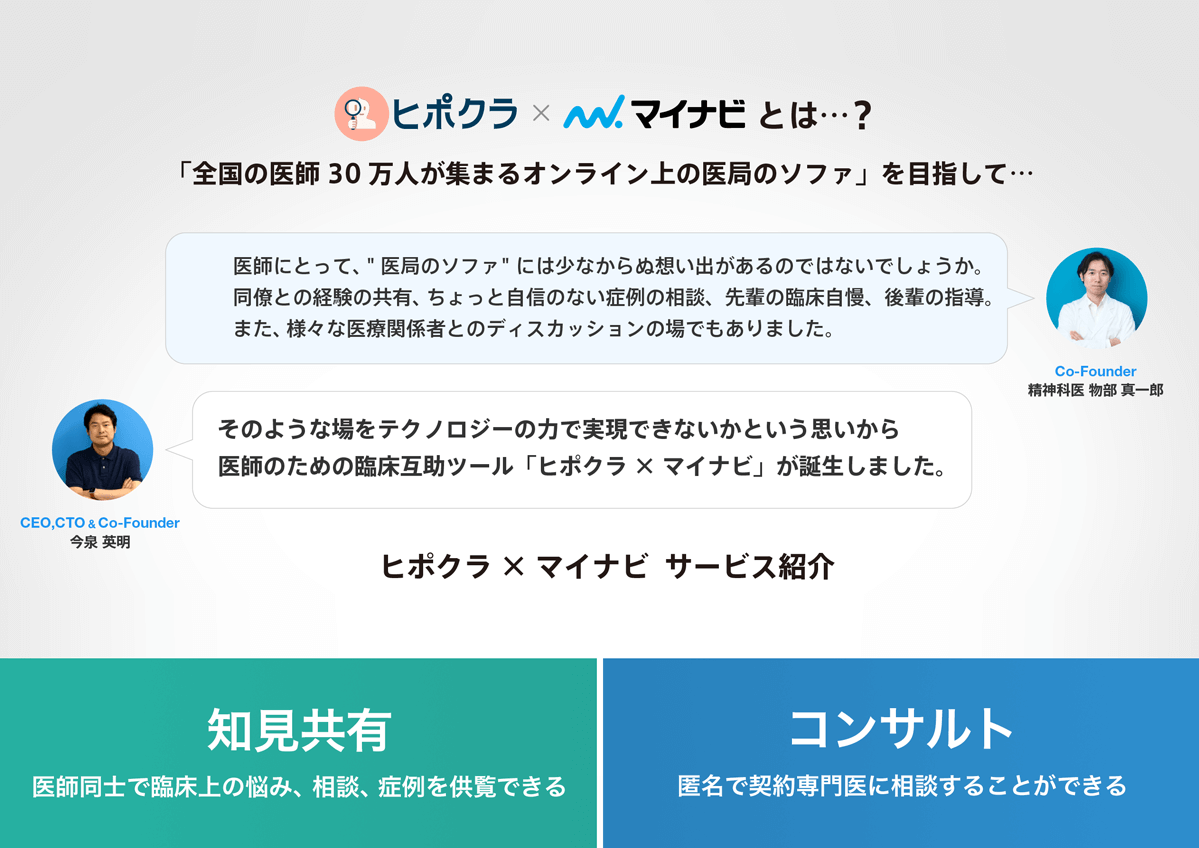
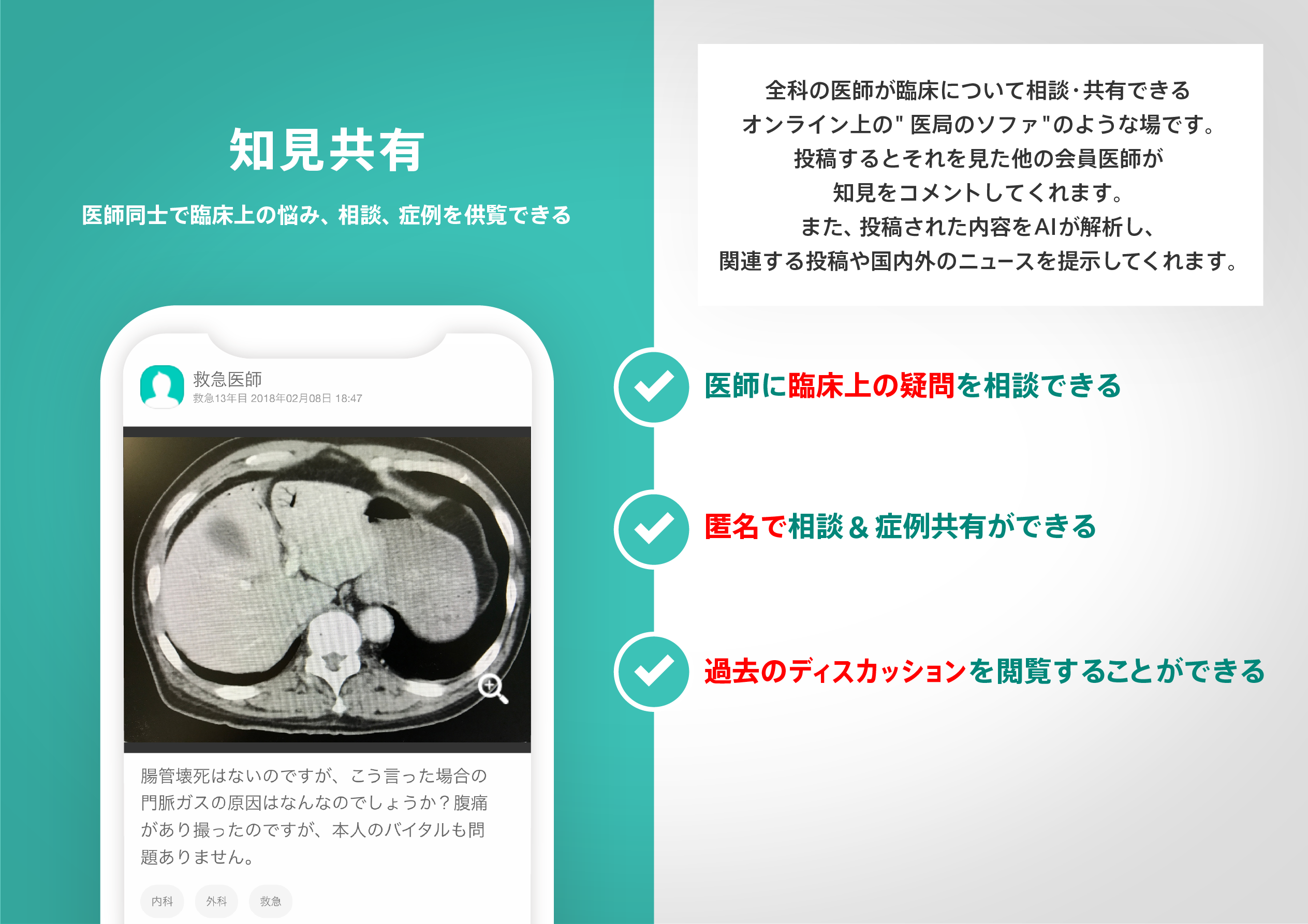
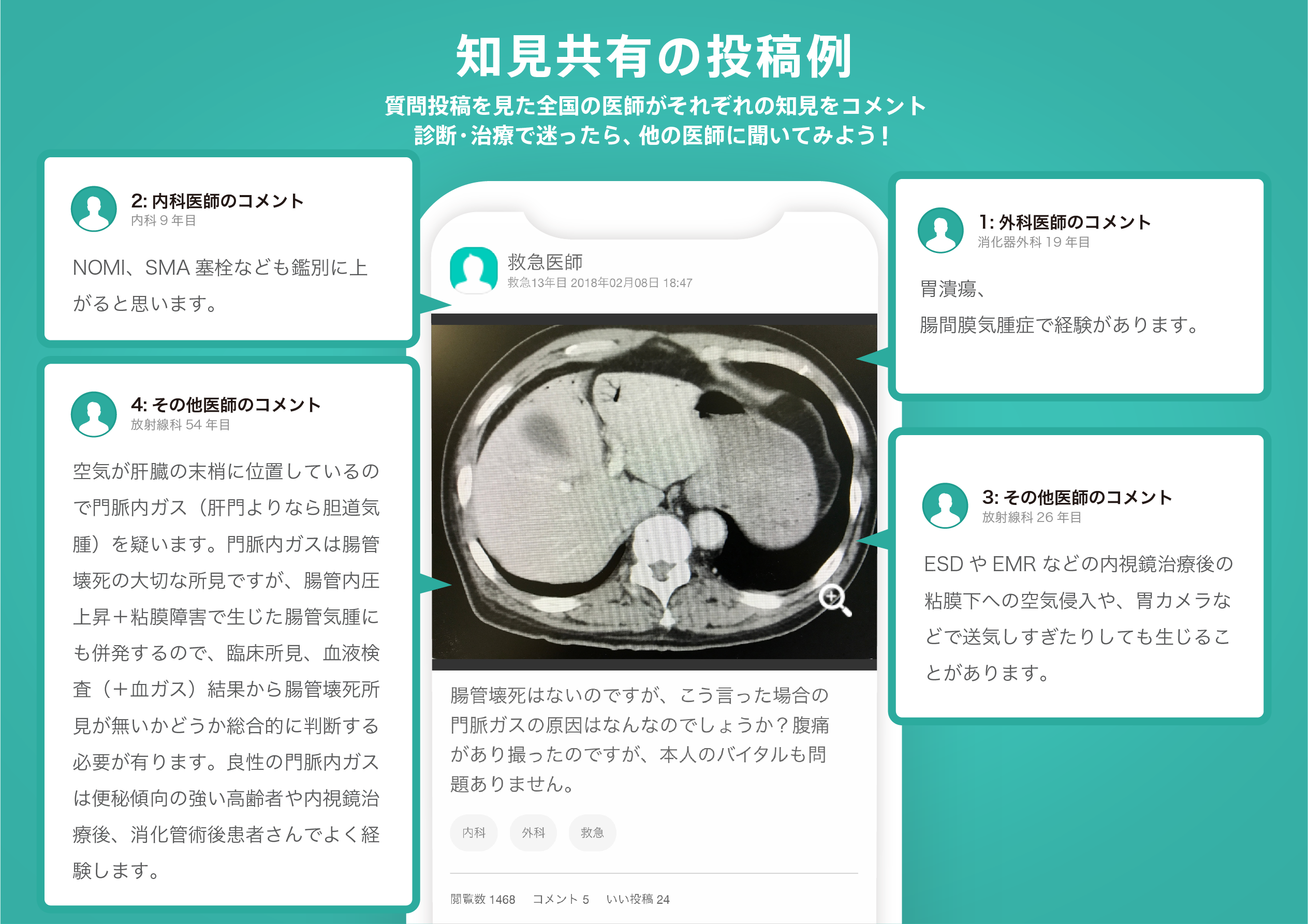
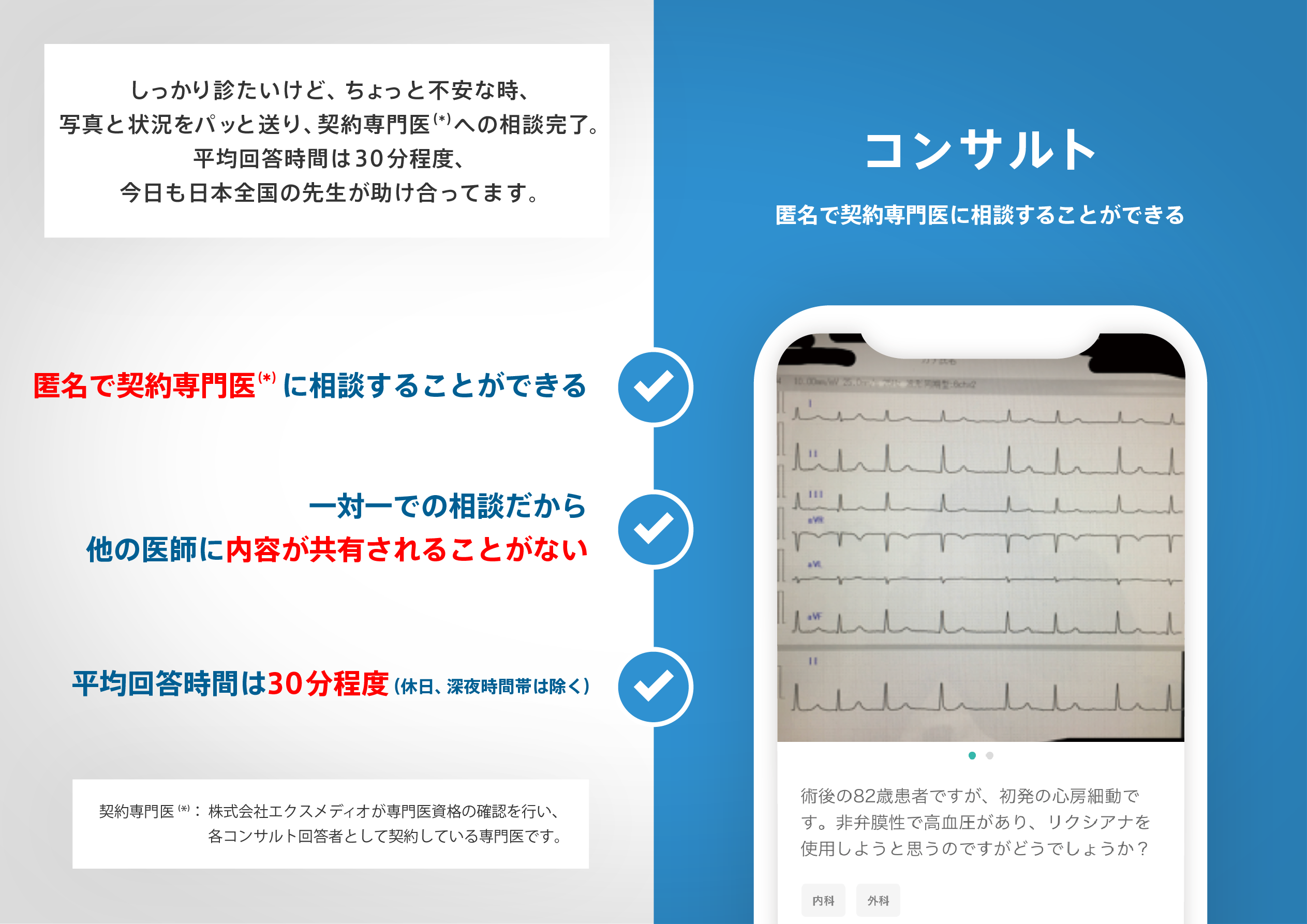
ヒポクラ x マイナビのご紹介

無料会員登録していただくと、さらに便利で効率的な検索が可能になります。