著名医師による解説が無料で読めます
すると翻訳の精度が向上します
背景:内側上顎骨折は、梨状口の外側縁、上顎前頭プロセス、および眼窩下縁の内側の側面を含む鼻酸酸酸酸酸のバットレス骨折であると考えています。この記事の目的は、内側上顎骨折を独自のタイプの顔面骨骨折として定義することを目的としています。 方法:内側上顎骨折の8人の患者は、2010年5月から2013年6月までの病院で治療されました。すべての患者は、3次元および多次元のコンピューター断層撮影スキャンを使用して術前に評価され、外科的に治療されました。 結果:被験者は7人の男性と1人の女性でした(平均年齢:17.5歳)。損傷の一般的なメカニズムは、対人的影響とそれに続く小さなオブジェクトの衝撃でした。すべての患者は、上顎神経および/またはその枝に影響を及ぼす生体上部および低赤移感を示し、一部の患者は鼻変形および/または複視も示しました。すべての場合に口頭アプローチが採用され、場合によっては科学的アプローチと組み合わされました。内側上顎骨折には、上顎、涙骨、骨骨骨、および/または鼻骨が含まれます。内側上顎骨折と鼻変形眼窩骨折の主な違いは、それらが影響する骨です。 結論:内側上顎骨折は、ユニークなタイプの鼻腔バットレス骨折であり、それらが影響する骨、症状、およびそれらの治療に使用される外科的アプローチのために、そのように分類する必要があります。
背景:内側上顎骨折は、梨状口の外側縁、上顎前頭プロセス、および眼窩下縁の内側の側面を含む鼻酸酸酸酸酸のバットレス骨折であると考えています。この記事の目的は、内側上顎骨折を独自のタイプの顔面骨骨折として定義することを目的としています。 方法:内側上顎骨折の8人の患者は、2010年5月から2013年6月までの病院で治療されました。すべての患者は、3次元および多次元のコンピューター断層撮影スキャンを使用して術前に評価され、外科的に治療されました。 結果:被験者は7人の男性と1人の女性でした(平均年齢:17.5歳)。損傷の一般的なメカニズムは、対人的影響とそれに続く小さなオブジェクトの衝撃でした。すべての患者は、上顎神経および/またはその枝に影響を及ぼす生体上部および低赤移感を示し、一部の患者は鼻変形および/または複視も示しました。すべての場合に口頭アプローチが採用され、場合によっては科学的アプローチと組み合わされました。内側上顎骨折には、上顎、涙骨、骨骨骨、および/または鼻骨が含まれます。内側上顎骨折と鼻変形眼窩骨折の主な違いは、それらが影響する骨です。 結論:内側上顎骨折は、ユニークなタイプの鼻腔バットレス骨折であり、それらが影響する骨、症状、およびそれらの治療に使用される外科的アプローチのために、そのように分類する必要があります。
BACKGROUND: We consider medial maxillary fractures to be a unique type of nasomaxillary buttress fracture involving the lateral margin of the piriform aperture, the maxillary frontal process and the medial aspect of the infraorbital rim. This article aims to define medial maxillary fractures as a unique type of facial bone fracture. METHODS: Eight patients with medial maxillary fractures were treated at our hospital from May 2010 to June 2013. Every patient was preoperatively evaluated using three-dimensional and multidimensional computed tomographic scans and surgically treated. RESULTS: The subjects were seven men and one woman (mean age: 17.5 years). The common mechanism of injury was interpersonal impact followed by small object impact. All of the patients exhibited epistaxis and hypoaesthesia affecting the maxillary nerve and/or its branches, and some patients also displayed nasal deformities and/or diplopia. An oral approach was employed in every case, and it was combined with a subciliary approach in some cases. Medial maxillary fractures involve the maxilla, lacrimal bone, ethmoid bone and/or nasal bone. The main difference between medial maxillary fractures and nasoethmoid orbital fractures is the bones they affect. CONCLUSIONS: Medial maxillary fractures are a unique type of nasomaxillary buttress fracture and should be classified as such because of the bones they affect, their symptoms and the surgical approaches used to treat them.
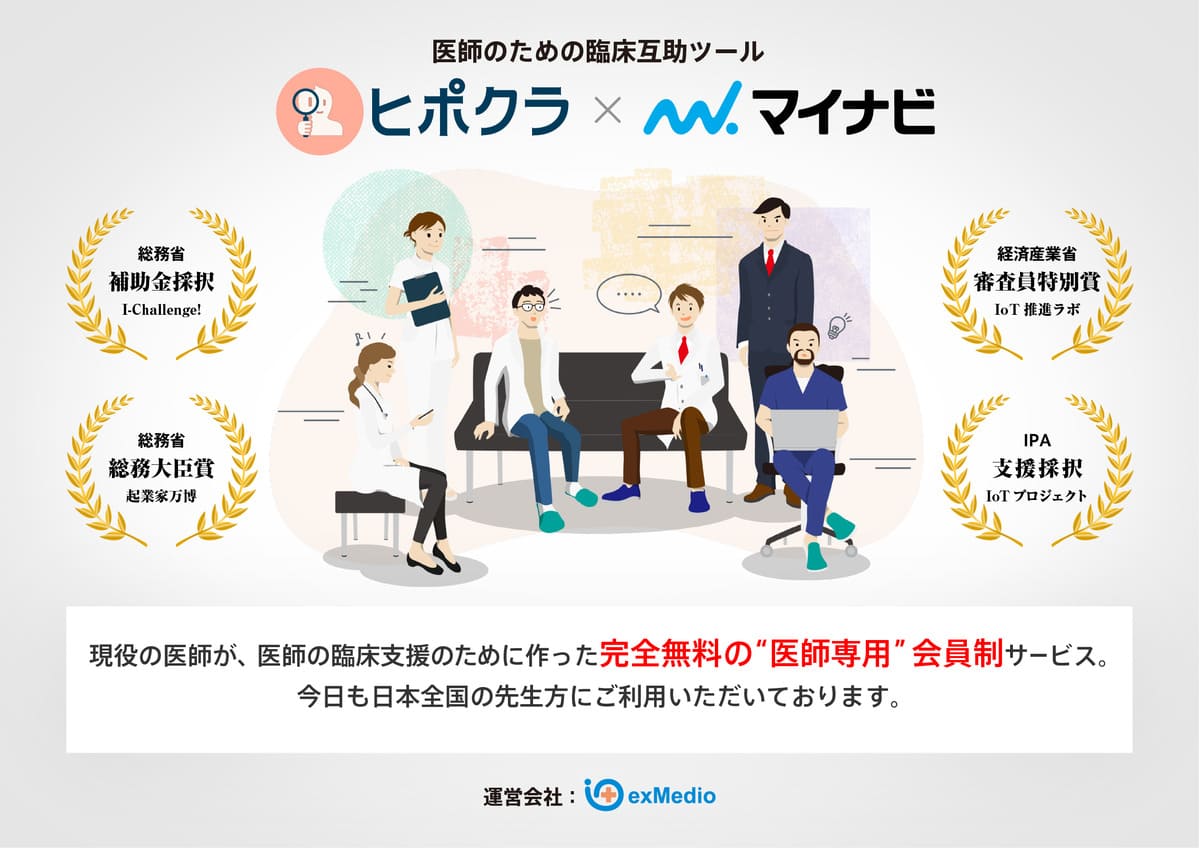
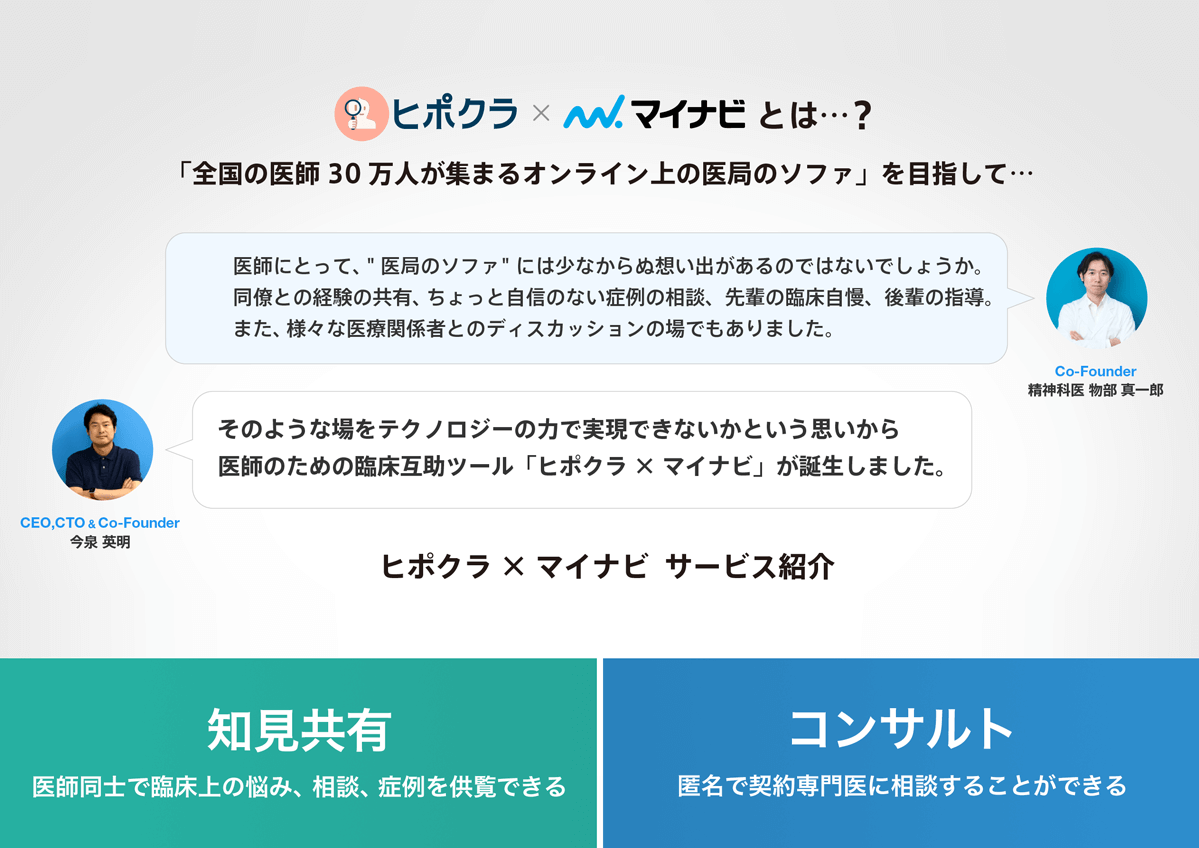
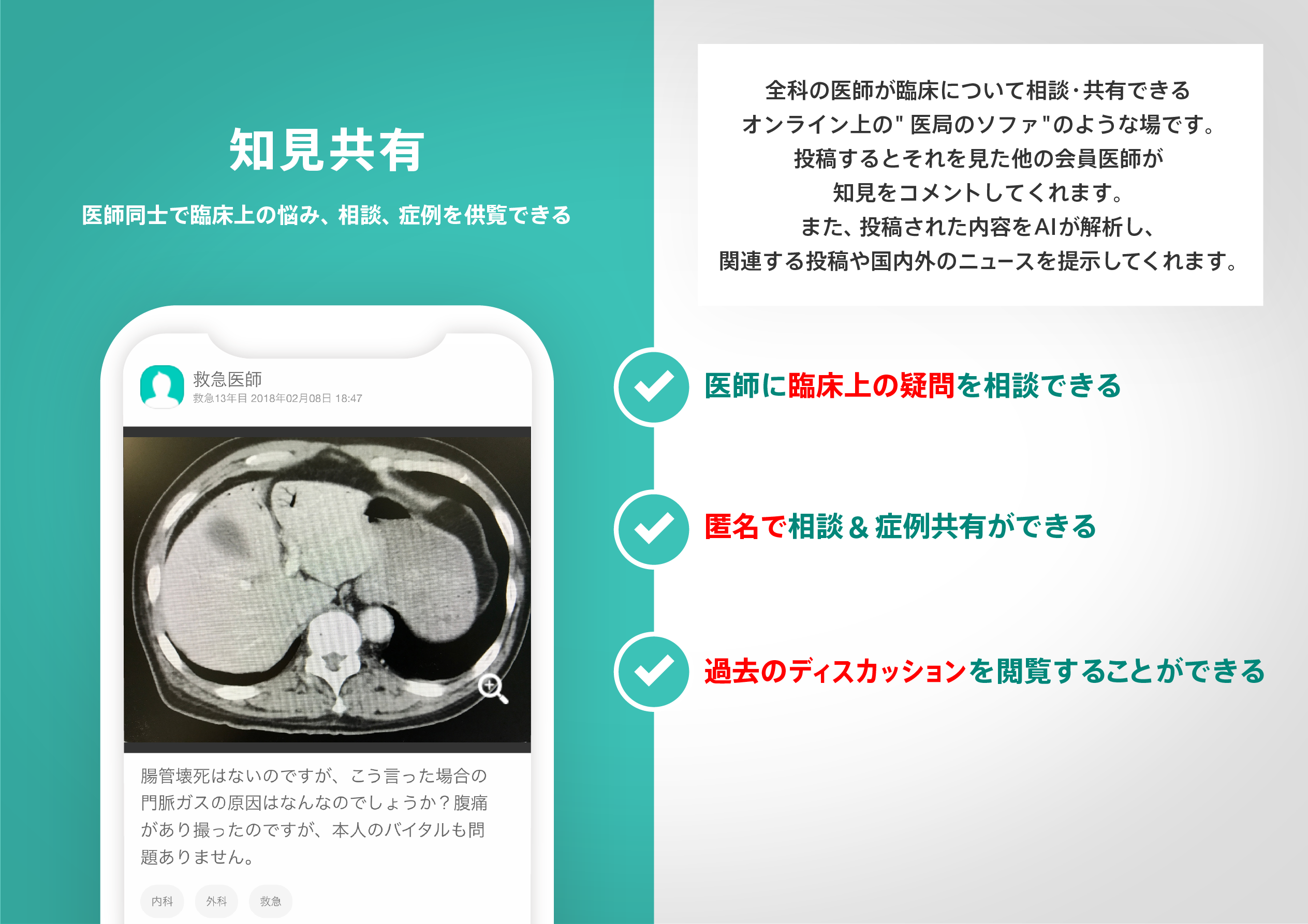
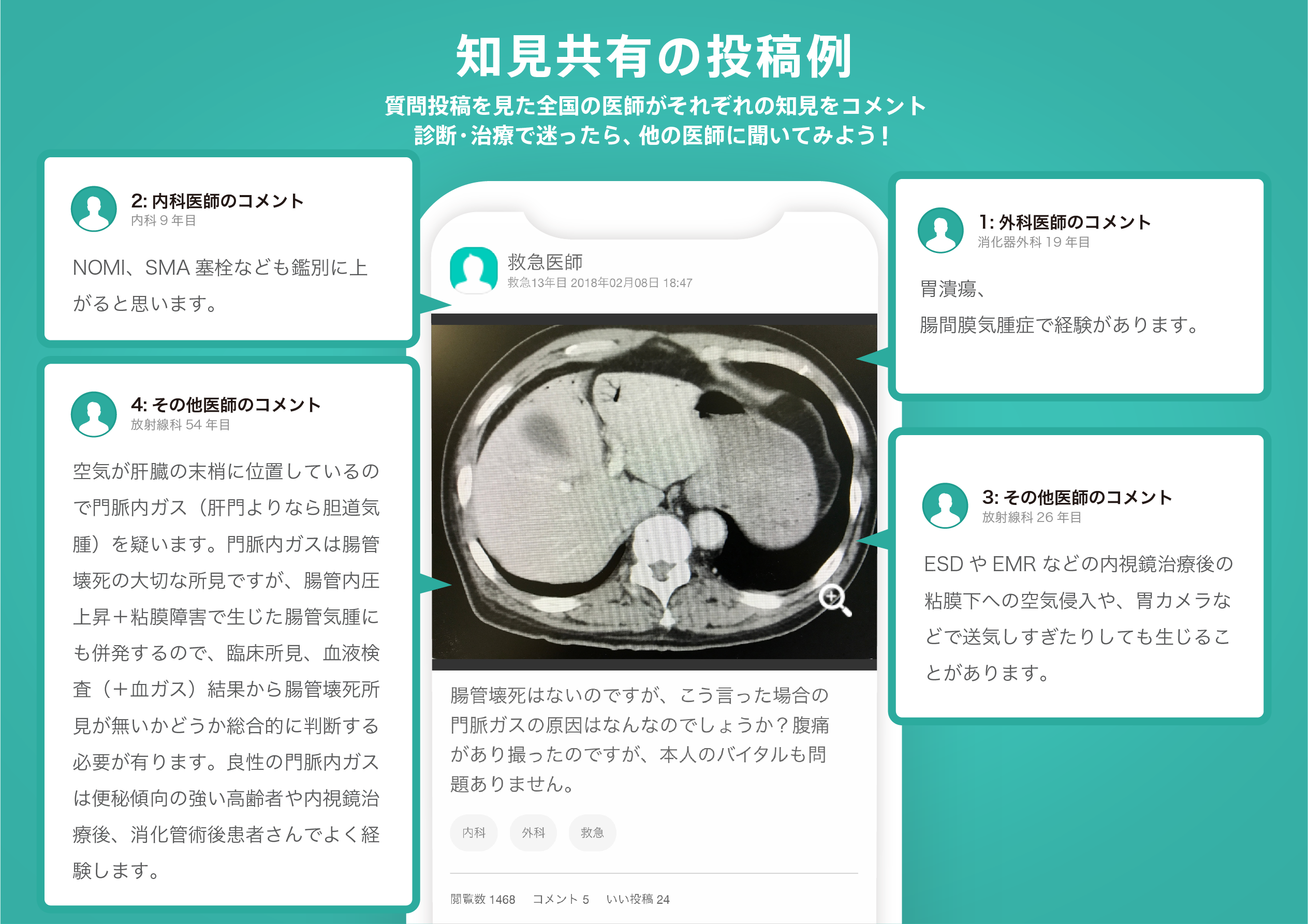
医師のための臨床サポートサービス
ヒポクラ x マイナビのご紹介
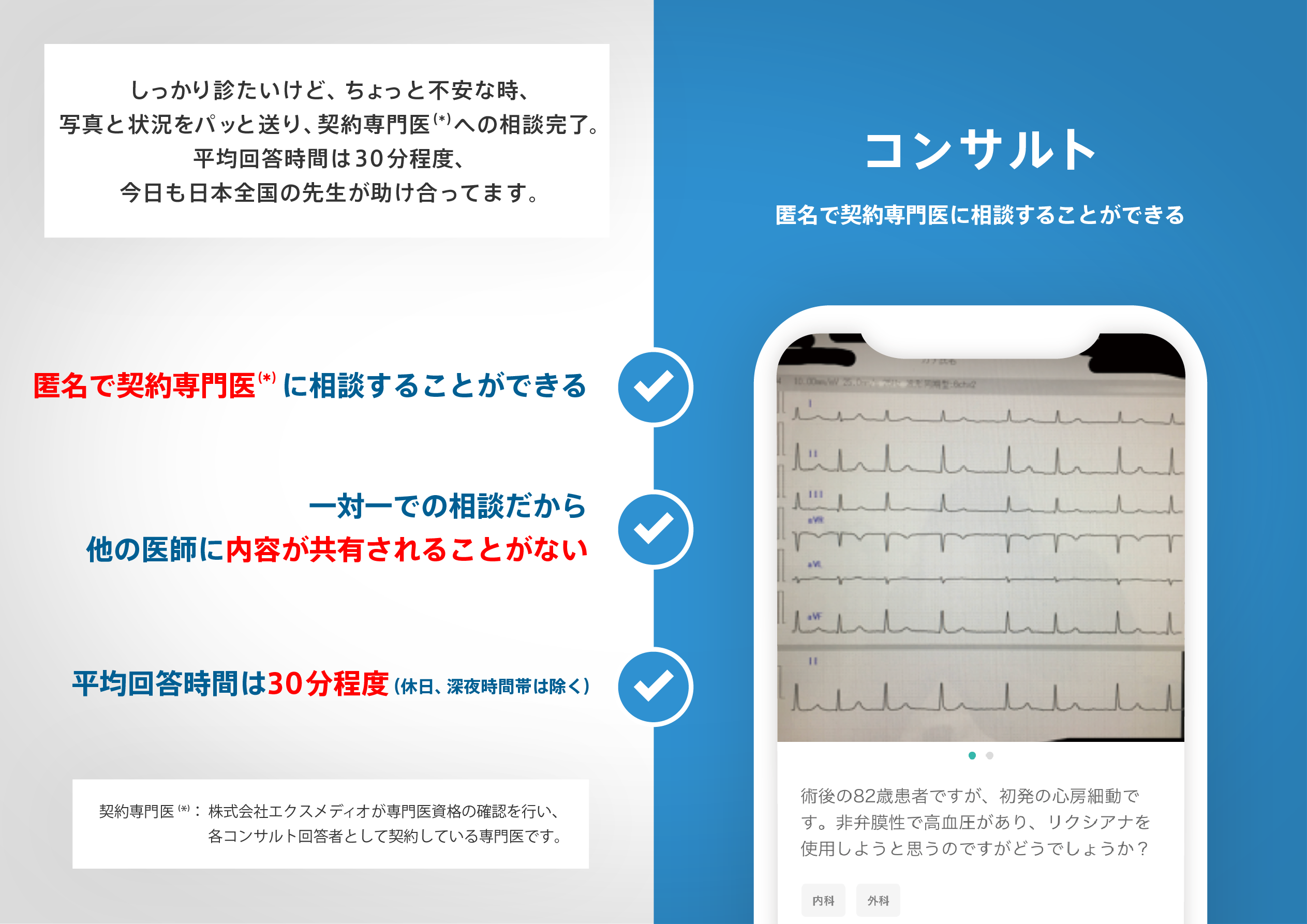
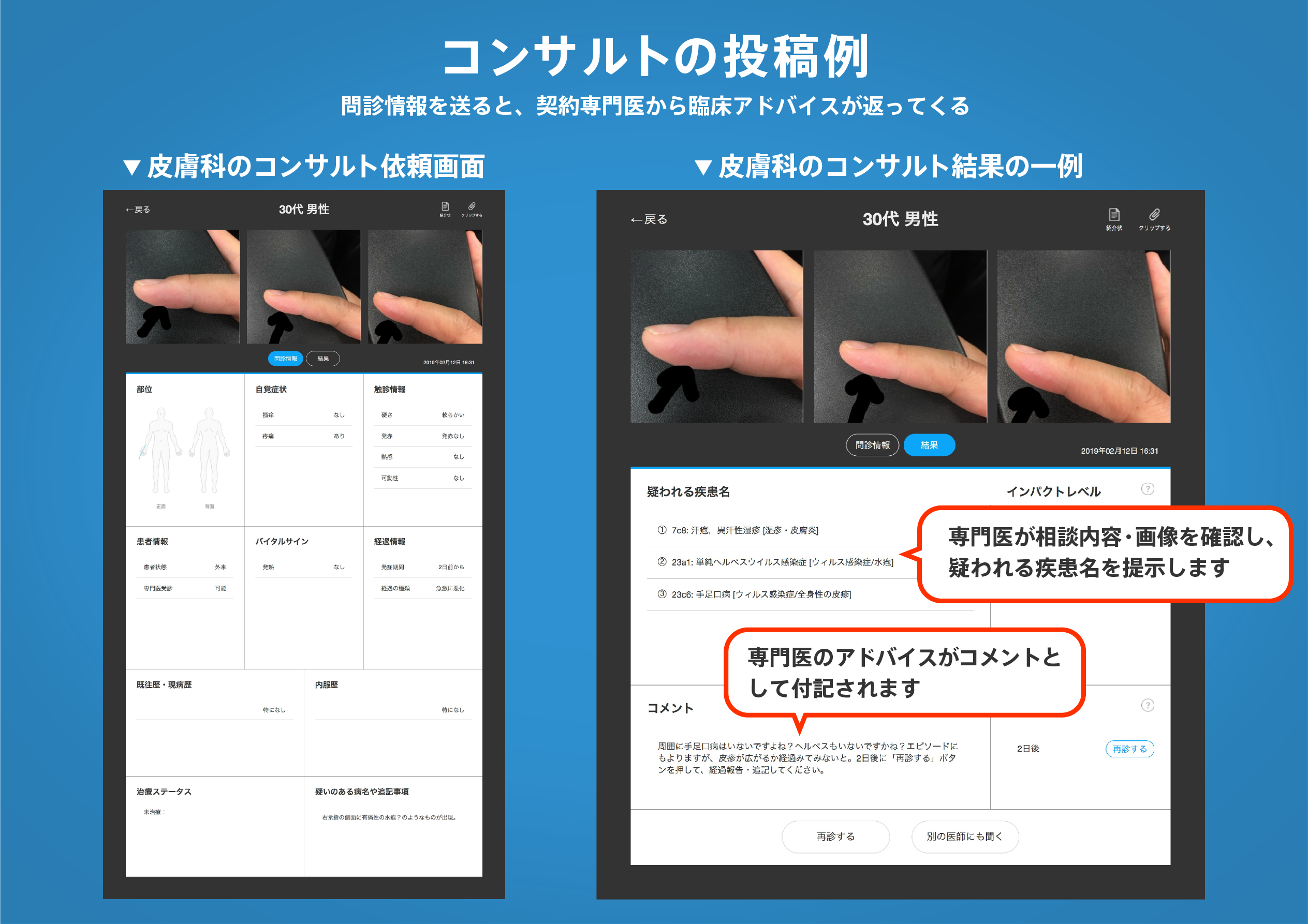
無料会員登録していただくと、さらに便利で効率的な検索が可能になります。