著名医師による解説が無料で読めます
すると翻訳の精度が向上します
血圧(Ginseol K-G1)が豊富なPanax Hyneng抽出物の効果を調査しました。120〜159 mm Hgの収縮期BP(SBP)または80〜99 mm Hgの間の拡張期BP(DBP)を持つ20歳以上の成人が含まれていました。最初の2週間のウォッシュアウト期間の終わりに、患者はコントロールグループ(プラセボ)、低用量ジンセオールK-G1グループ(100 mg)、および高用量ジンソールK-G1の3つのグループに分けられました。(300 mg)グループ。主要なエンドポイントは、8週間の治療後、プラセボとジンソールK-G1グループ間の座席SBP(SESBP)と座ったDBP(SEDBP)の変化の違いでした。合計90人の被験者がこの研究に参加しました(平均年齢、55.2±11.8歳、43人の男性)。8週目に、SESBPとSEDBPのレベルは、高用量ジンセオールK-G1グループのベースラインから大幅に減少しました(それぞれ-3.1 mm Hgおよび-2.3 mm Hg、p <0.05)。対照的に、コントロールまたは低用量のジンセオールK-G1グループでSESBPまたはSEDBPの有意な減少はありませんでした。SESBPとSEDBPの有意な差は、8週目の3つの治療群で特定されませんでした。SESBP≥130mm Hgまたは85 mm Hgを有する患者では、ジンソールK-G1の高用量はBPを減少させました。4週目のコントロールグループ。しかし、8週目に有意差はありませんでした。有害事象を経験した患者の割合は、治療群の間で同等でした。結論として、Ginseol K-G1は、4週間の治療後、特に高用量でBPに好ましい効果をもたらします。ただし、効果は8週間にわたって維持されていません。(臨床試験登録情報は、http://www.clinicaltrials.gov、識別子:NCT01483430で入手できます。)。
血圧(Ginseol K-G1)が豊富なPanax Hyneng抽出物の効果を調査しました。120〜159 mm Hgの収縮期BP(SBP)または80〜99 mm Hgの間の拡張期BP(DBP)を持つ20歳以上の成人が含まれていました。最初の2週間のウォッシュアウト期間の終わりに、患者はコントロールグループ(プラセボ)、低用量ジンセオールK-G1グループ(100 mg)、および高用量ジンソールK-G1の3つのグループに分けられました。(300 mg)グループ。主要なエンドポイントは、8週間の治療後、プラセボとジンソールK-G1グループ間の座席SBP(SESBP)と座ったDBP(SEDBP)の変化の違いでした。合計90人の被験者がこの研究に参加しました(平均年齢、55.2±11.8歳、43人の男性)。8週目に、SESBPとSEDBPのレベルは、高用量ジンセオールK-G1グループのベースラインから大幅に減少しました(それぞれ-3.1 mm Hgおよび-2.3 mm Hg、p <0.05)。対照的に、コントロールまたは低用量のジンセオールK-G1グループでSESBPまたはSEDBPの有意な減少はありませんでした。SESBPとSEDBPの有意な差は、8週目の3つの治療群で特定されませんでした。SESBP≥130mm Hgまたは85 mm Hgを有する患者では、ジンソールK-G1の高用量はBPを減少させました。4週目のコントロールグループ。しかし、8週目に有意差はありませんでした。有害事象を経験した患者の割合は、治療群の間で同等でした。結論として、Ginseol K-G1は、4週間の治療後、特に高用量でBPに好ましい効果をもたらします。ただし、効果は8週間にわたって維持されていません。(臨床試験登録情報は、http://www.clinicaltrials.gov、識別子:NCT01483430で入手できます。)。
We investigated the effect of Panax ginseng extract, which is rich in the ginsenoside protopanaxatriol (Ginseol K-g1), on blood pressure (BP). Adults over 20 years old with a systolic BP (SBP) between 120 and 159 mm Hg or a diastolic BP (DBP) between 80 and 99 mm Hg were included. At the end of an initial 2-week washout period, the patients were divided into three groups: the control group (placebo), the low-dose Ginseol K-g1 group (100 mg), and the high-dose Ginseol K-g1 (300 mg) group. The primary end point was the difference in seated SBP (seSBP) and seated DBP (seDBP) changes between the placebo and Ginseol K-g1 groups after 8 weeks of treatment. A total of 90 subjects participated in the study (mean age; 55.2 ± 11.8 years, 43 males). At week 8, levels of seSBP and seDBP were significantly decreased from baseline in the high-dose Ginseol K-g1 group (-3.1 mm Hg and -2.3 mm Hg, respectively, p < 0.05). In contrast, there was no significant decrease in seSBP or seDBP in the control or low-dose Ginseol K-g1 groups. No significant difference of seSBP and seDBP was identified among the three treatment groups at week 8. In patients who had a seSBP ≥ 130 mm Hg or an seDBP ≥ 85 mm Hg, the high dose of Ginseol K-g1 decreased the BP compared with the control group at week 4; however, there was no significant difference at week 8. The proportions of patients who experienced adverse events were comparable among the treatment groups. In conclusion, Ginseol K-g1 has a favorable effect on BP after 4 weeks of treatment, especially at a high dose. However, the effect is not maintained over 8 weeks. (Clinical trial registration information is available at http://www.clinicaltrials.gov , identifier: NCT01483430.).
医師のための臨床サポートサービス
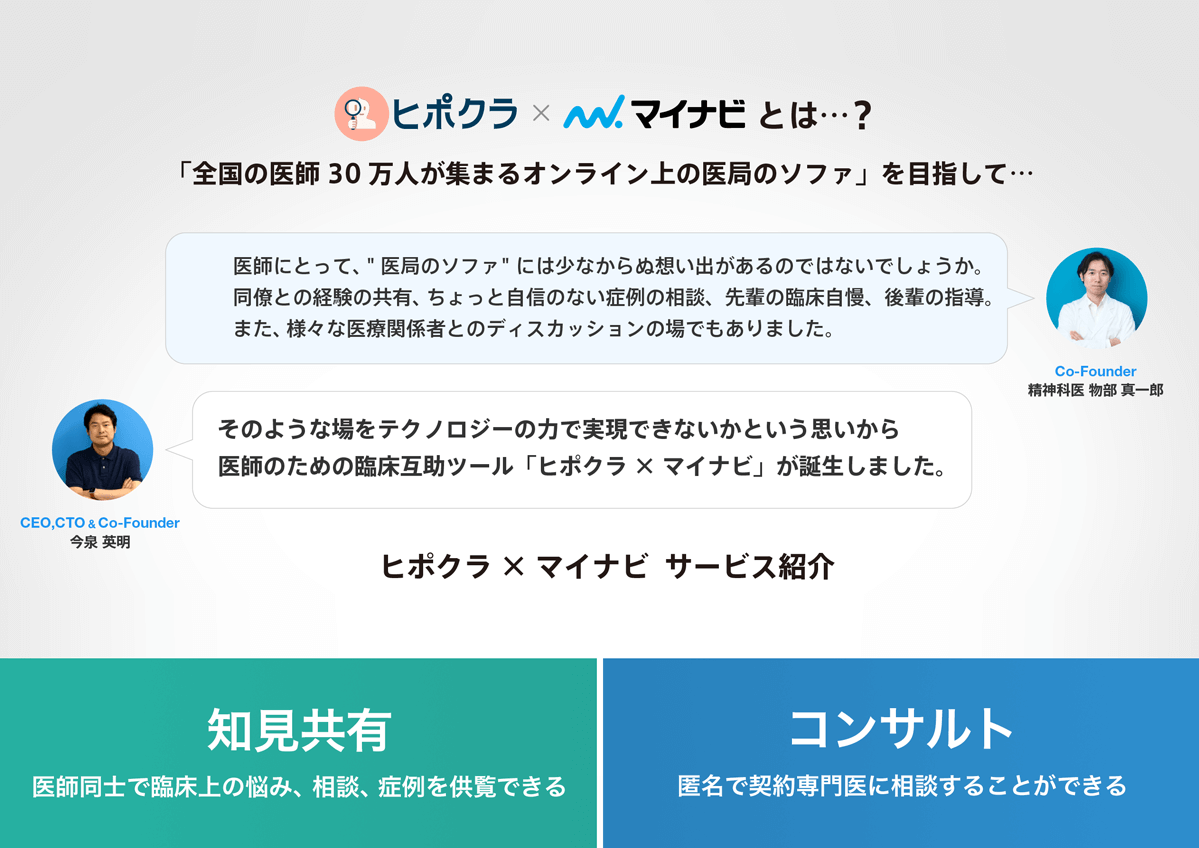
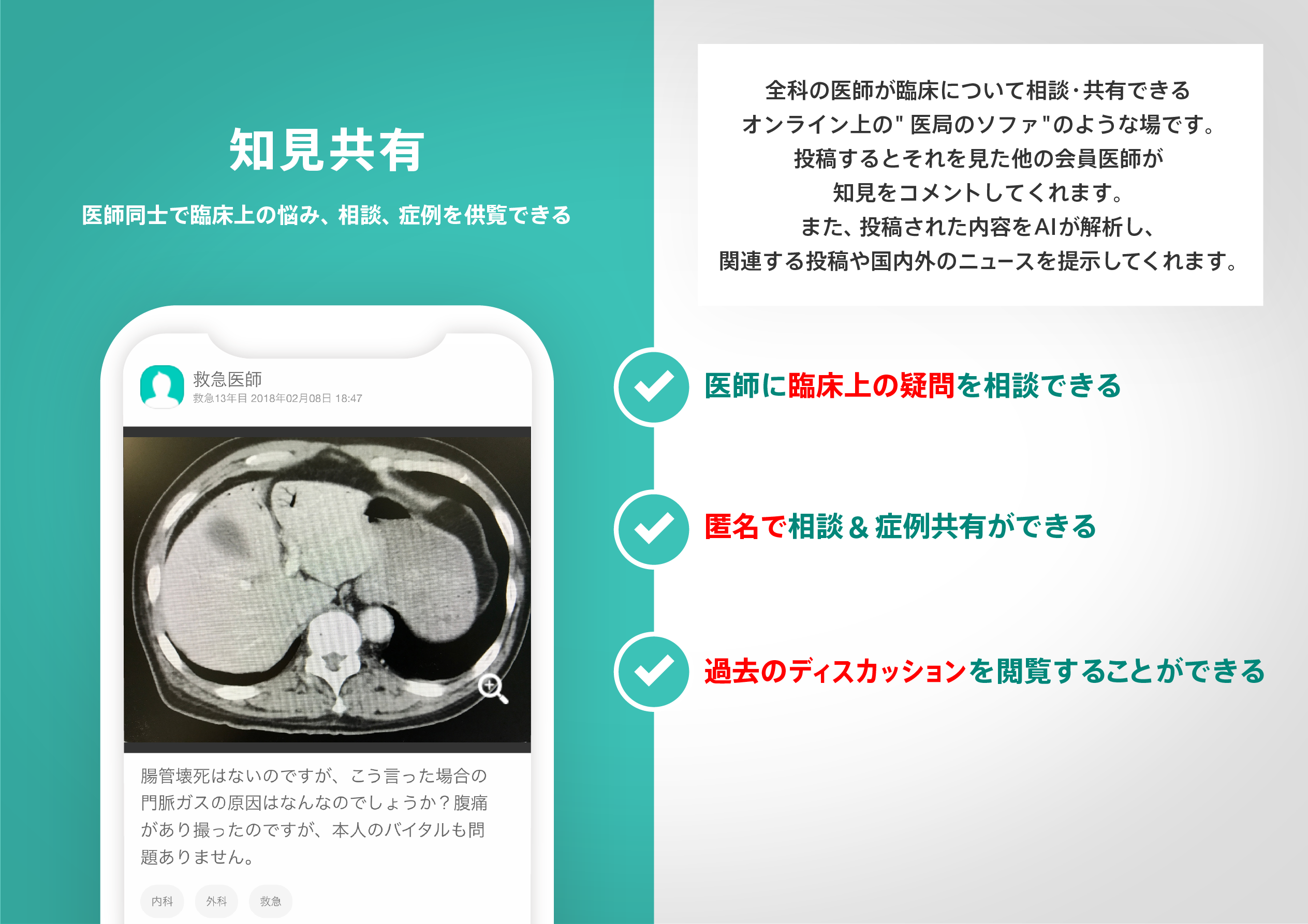
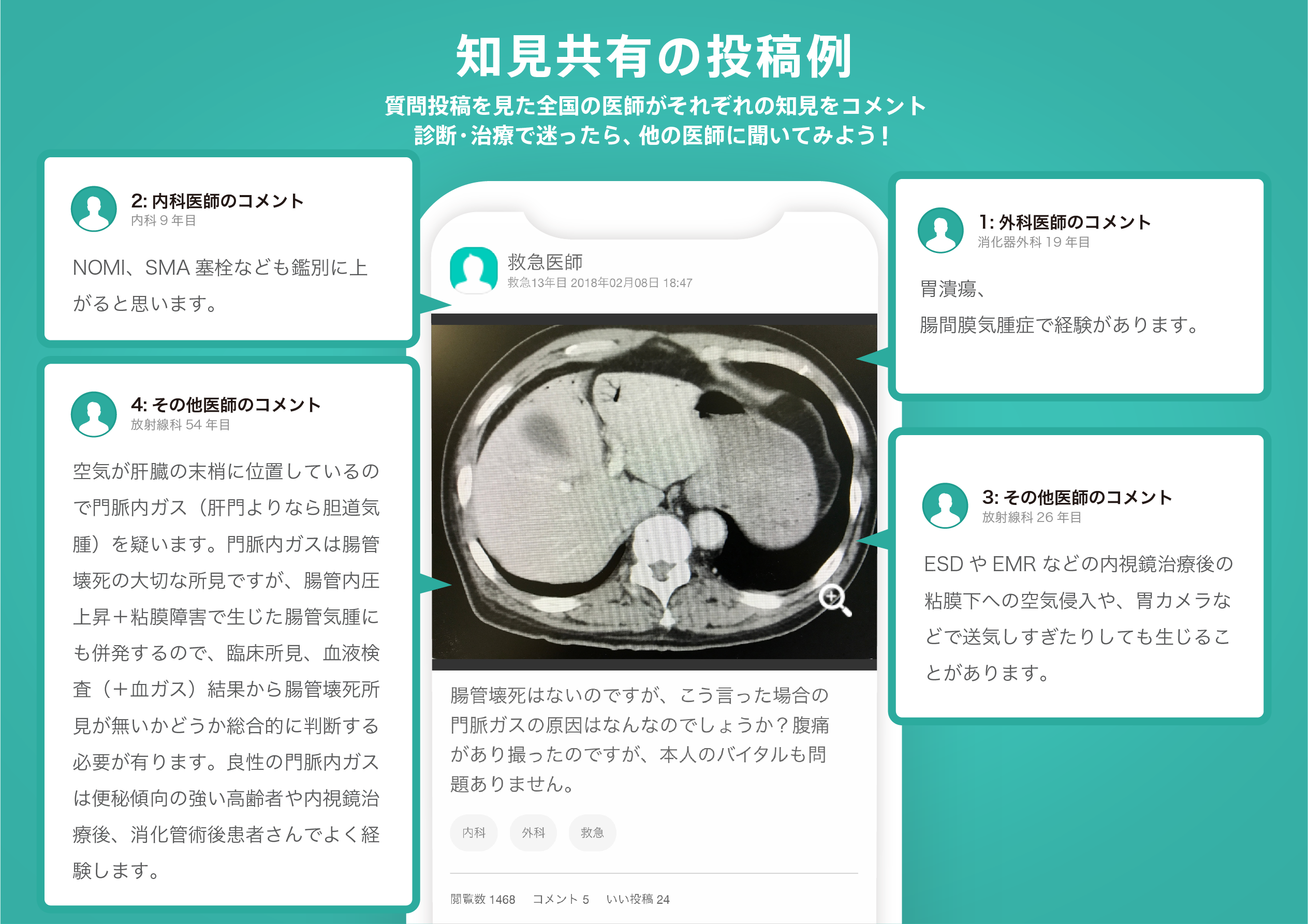
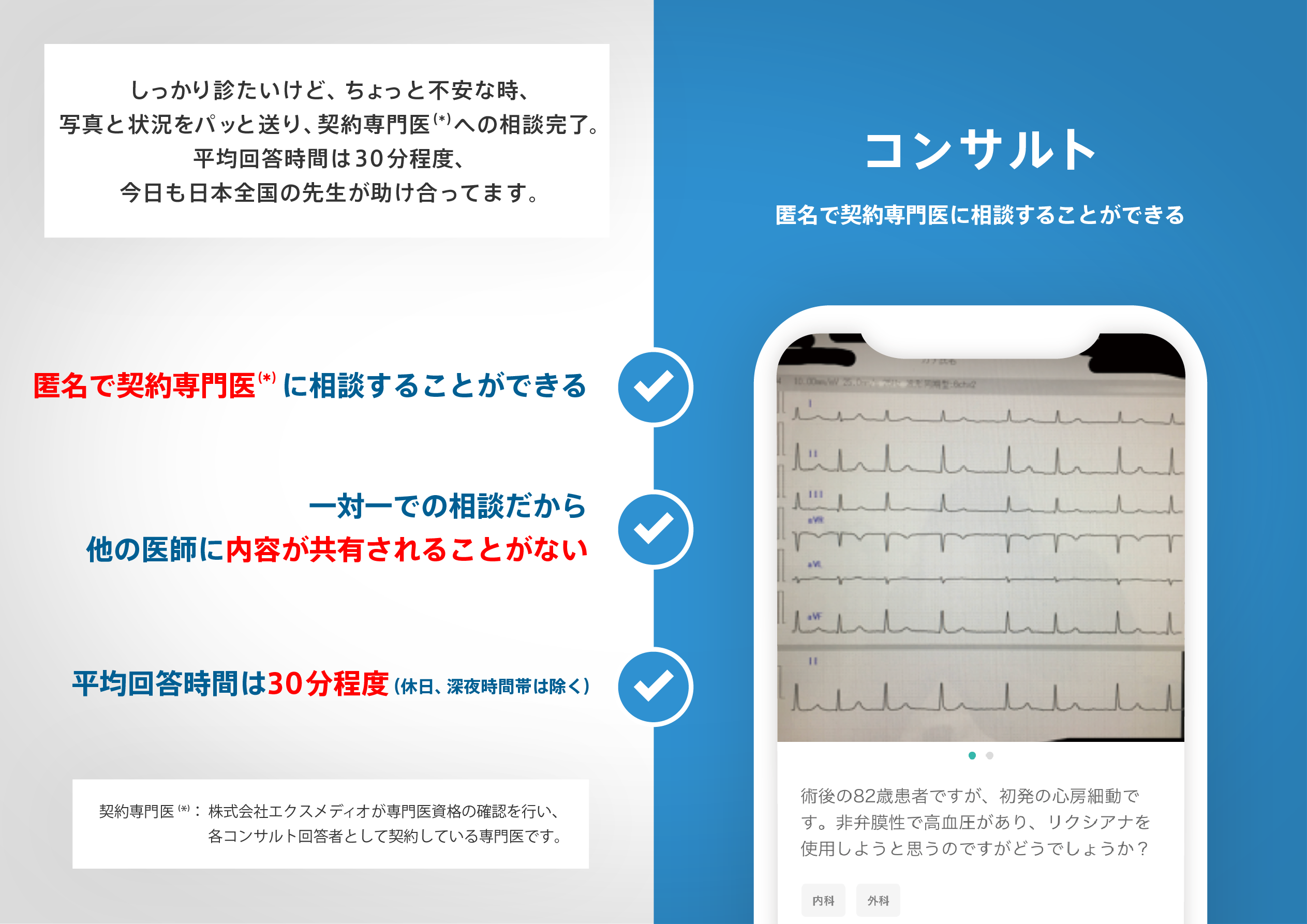
ヒポクラ x マイナビのご紹介

無料会員登録していただくと、さらに便利で効率的な検索が可能になります。