著名医師による解説が無料で読めます
すると翻訳の精度が向上します
背景:この研究の目的は、耐火性創傷の修復における人工真皮の移植と自己表皮の接ぎ木と組み合わせた真空補助閉鎖(VAC)の臨床効果を調査することを目的としています。 方法:耐衝撃性の傷のある患者は、壊加工を受けました。次に、VACデバイスを使用して、創傷肉芽組組織を培養しました。創傷顆粒組織が成長し始めた後、人工真皮はVAC治療で創傷に接ぎ木されました。次に、人工表皮の生存後に創傷を修復するために、人工真皮に自己表皮を移植しました。この研究では、主に入院期間の長さ、人工真皮の生存、人工真皮の移植前のVACを使用した肉芽組組織の培養に必要な時間、人工真皮の生存時間、自家性表皮の生存条件、機能への影響機能的な部分での癒された傷、ドナー部位の治癒条件、および傷の再発条件。 結果:22人の患者(95.7%)で治癒が成功しましたが、1人の子供の治療は失敗しました。22人の患者が6〜24か月間追跡されました。フォローアップの調査結果によると、皮膚移植片は良好な色と柔らかいテクスチャーでした。それらは耐性があり、機能に影響を与えませんでした。最終結果の出現は、全厚さの皮膚移植片の出現と同じでした。軽度または色素沈着せず、瘢痕形成はドナー部位で発生し、傷は再発しませんでした。 結論:人工真皮と自己表皮の移植と組み合わせた真空補助閉鎖は、耐火性の創傷を修復するための効果的な手段であり、臨床的普及と応用の価値があります。 証拠のレベルv:このジャーナルでは、著者が各記事にレベルの証拠を割り当てることを要求しています。これらのエビデンスに基づいた医療評価の完全な説明については、著者www.springer.com/00266の目次またはオンライン指示を参照してください。
背景:この研究の目的は、耐火性創傷の修復における人工真皮の移植と自己表皮の接ぎ木と組み合わせた真空補助閉鎖(VAC)の臨床効果を調査することを目的としています。 方法:耐衝撃性の傷のある患者は、壊加工を受けました。次に、VACデバイスを使用して、創傷肉芽組組織を培養しました。創傷顆粒組織が成長し始めた後、人工真皮はVAC治療で創傷に接ぎ木されました。次に、人工表皮の生存後に創傷を修復するために、人工真皮に自己表皮を移植しました。この研究では、主に入院期間の長さ、人工真皮の生存、人工真皮の移植前のVACを使用した肉芽組組織の培養に必要な時間、人工真皮の生存時間、自家性表皮の生存条件、機能への影響機能的な部分での癒された傷、ドナー部位の治癒条件、および傷の再発条件。 結果:22人の患者(95.7%)で治癒が成功しましたが、1人の子供の治療は失敗しました。22人の患者が6〜24か月間追跡されました。フォローアップの調査結果によると、皮膚移植片は良好な色と柔らかいテクスチャーでした。それらは耐性があり、機能に影響を与えませんでした。最終結果の出現は、全厚さの皮膚移植片の出現と同じでした。軽度または色素沈着せず、瘢痕形成はドナー部位で発生し、傷は再発しませんでした。 結論:人工真皮と自己表皮の移植と組み合わせた真空補助閉鎖は、耐火性の創傷を修復するための効果的な手段であり、臨床的普及と応用の価値があります。 証拠のレベルv:このジャーナルでは、著者が各記事にレベルの証拠を割り当てることを要求しています。これらのエビデンスに基づいた医療評価の完全な説明については、著者www.springer.com/00266の目次またはオンライン指示を参照してください。
BACKGROUND: This study aimed to investigate the clinical efficacy of vacuum-assisted closure (VAC) combined with grafting of artificial dermis and autologous epidermis in the repair of refractory wounds. METHODS: Patients with refractory wounds underwent debridement. Then the VAC device was used to culture wound granulation tissue. After the wound granulation tissue began to grow, artificial dermis was grafted on the wounds with VAC treatment. Then autologous epidermis was grafted on the artificial dermis to repair the wounds after survival of the artificial epidermis. The study mainly observed length of the hospital stay, survival of the artificial dermis, time required for culture of the granulation tissue using VAC before grafting of the artificial dermis, survival time of the artificial dermis, survival conditions of the autologous epidermis, influence on functions of a healed wound at a functional part, healing conditions of donor sites, and recurrence conditions of the wounds. RESULTS: Healing was successful for 22 patients (95.7%), but treatment failed for 1 child. The 22 patients were followed up for 6 to 24 months. According to follow-up findings, the skin grafts had good color and a soft texture. They were wear resistant and posed no influence on function. The appearance of the final results was the same as that of the full-thickness skin graft. Mild or no pigmentation and no scar formation occurred at the donor sites, and the wounds did not recur. CONCLUSION: Vacuum-assisted closure combined with grafting of artificial dermis and autologous epidermis is an effective means for repairing refractory wounds and is worth clinical popularizing and application. LEVEL OF EVIDENCE V: This journal requires that authors assign a level of evidence to each article. For a full description of these Evidence-Based Medicine ratings, please refer to the Table of Contents or the online Instructions to Authors www.springer.com/00266 .
医師のための臨床サポートサービス
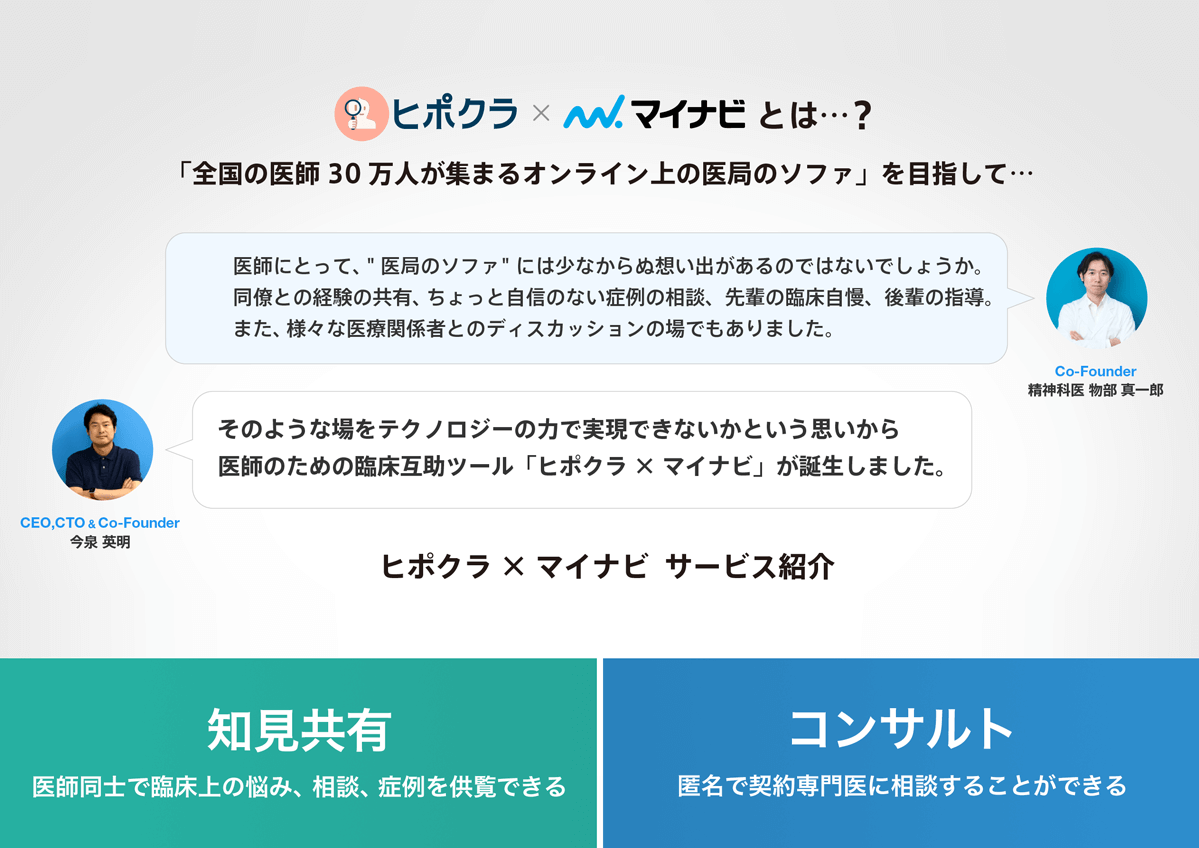
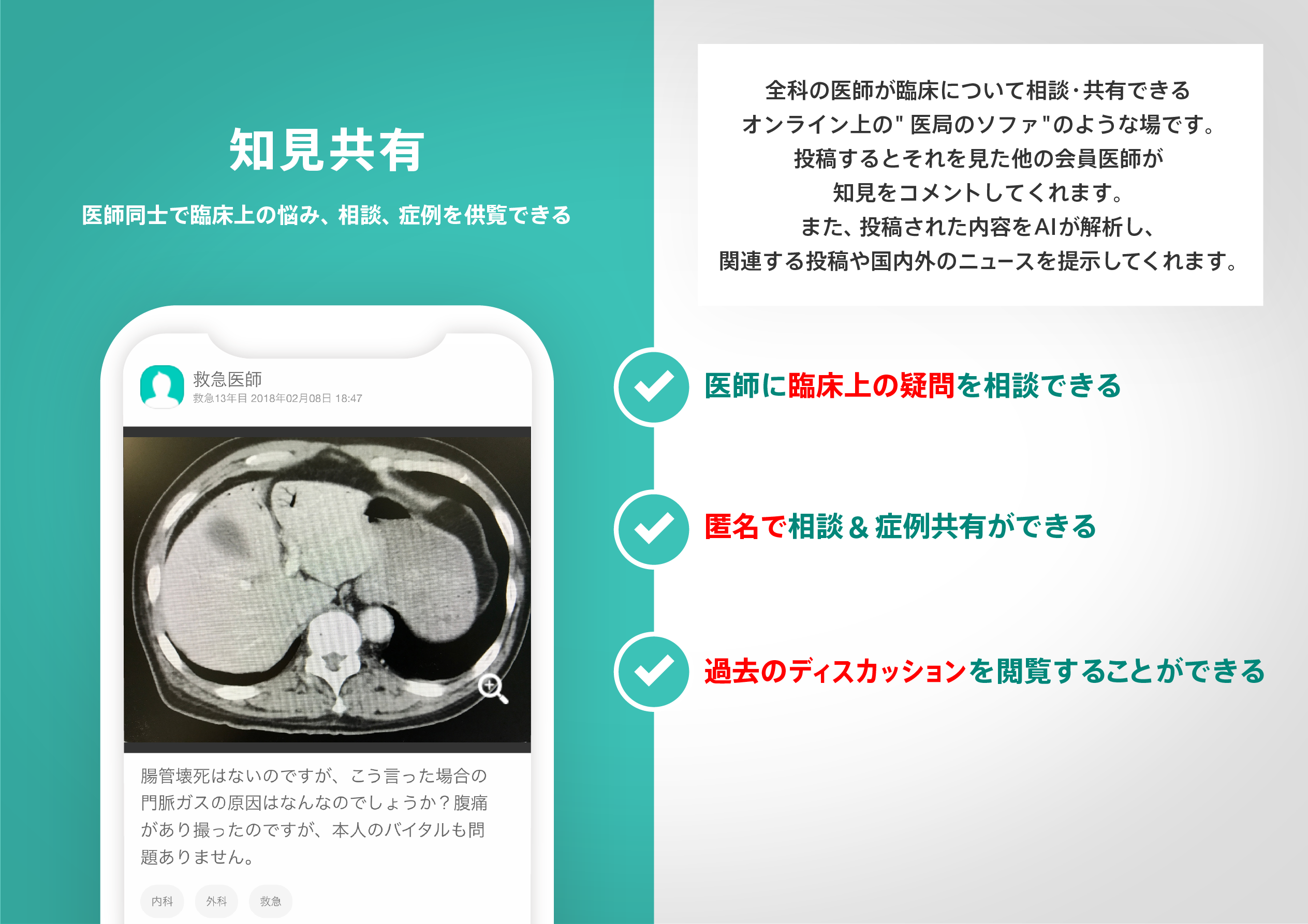
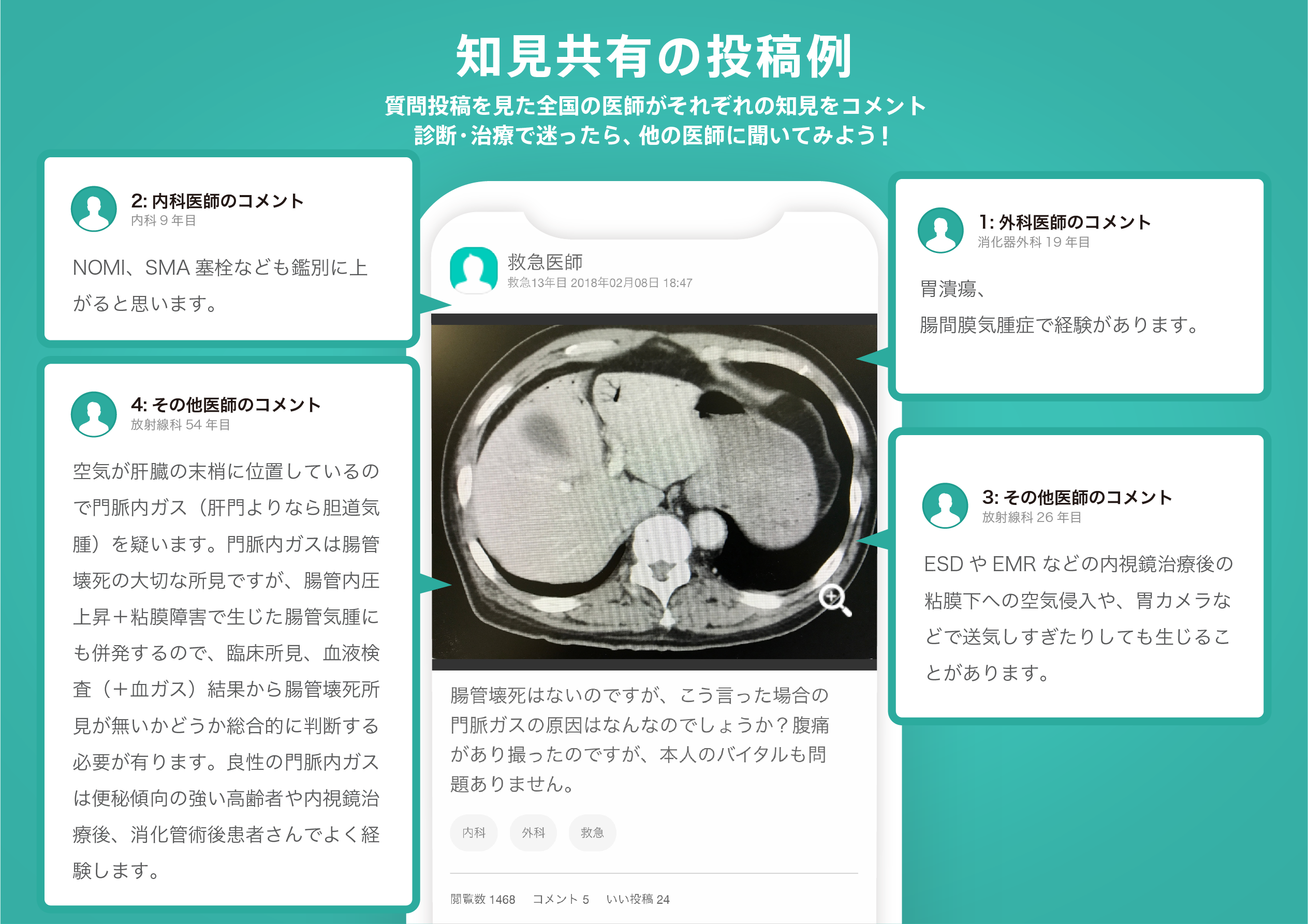
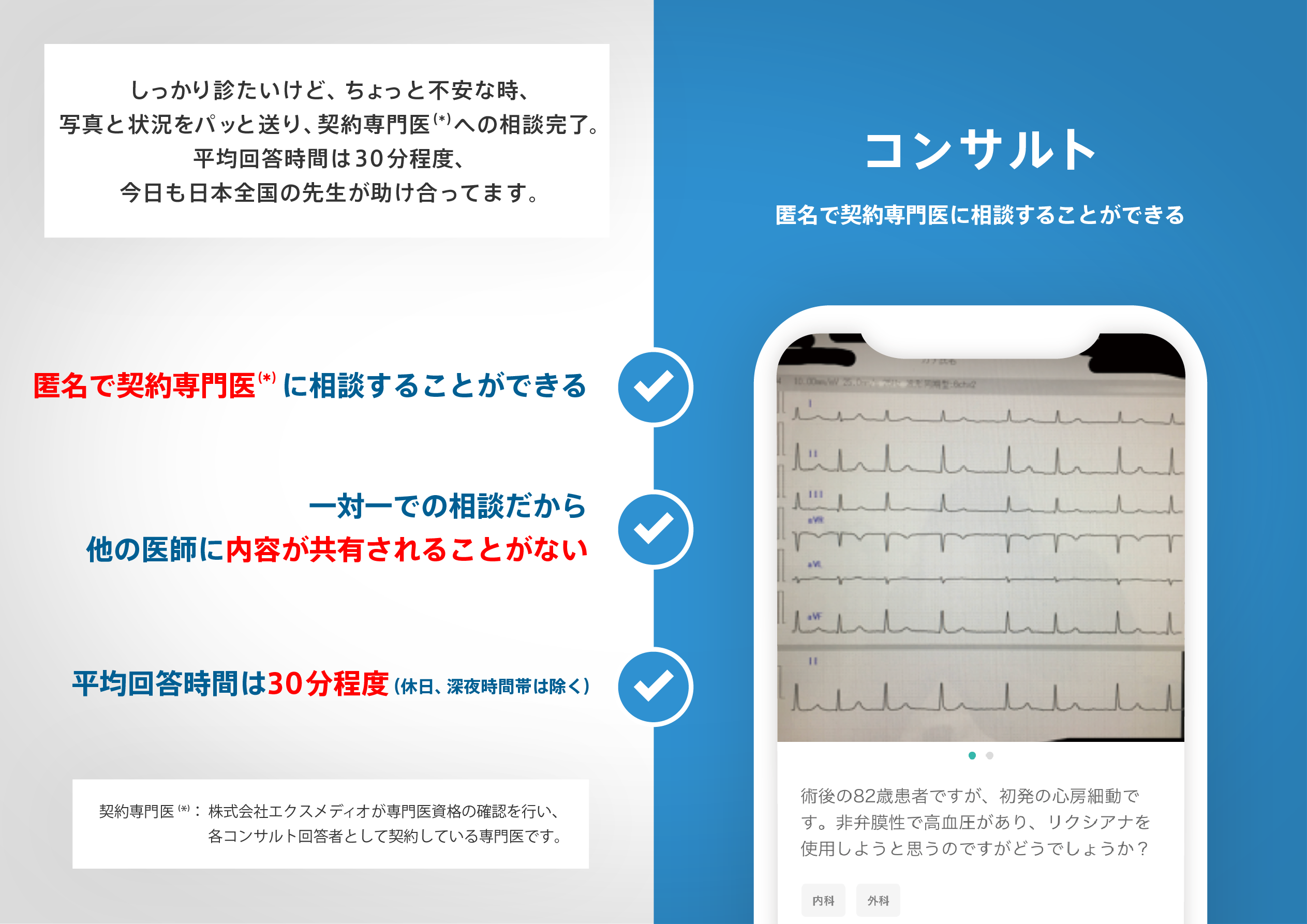
ヒポクラ x マイナビのご紹介

無料会員登録していただくと、さらに便利で効率的な検索が可能になります。