著名医師による解説が無料で読めます
すると翻訳の精度が向上します
この研究の目的は、エリートジュニアテニスプレーヤーの身体パフォーマンスを向上させるために、カフェイン入りエネルギードリンクの有効性を調査することでした。1週間で区切られた2つの異なるセッションでは、14人の若い(16±1歳)エリートレベルのテニスプレイヤーは、エナジードリンクまたはカフェインなし(プラセボ)の同じ飲み物の形で体重1 kgあたり3 mgカフェインを摂取しました。60分後、参加者はハンドグリップ強度テスト、最大速度サービングテスト、8×15 mのスプリントテストを実施し、シミュレートされたシングルマッチ(ベストオブ3セット)をプレイしました。試合中の瞬間的な走行速度は、グローバルポジショニング(GPS)デバイスを使用して評価されました。さらに、試合はビデオ録画され、その後に注目されました。プラセボドリンクと比較して、カフェイン入りエネルギードリンクの摂取により、両手でハンドグリップ力が約4.2%±7.2%(p = .03)増加し、高強度での走行ペース(46.7±28.5対63.3±27.7 m//h、p = .02)、およびシミュレートされた一致中のスプリントの数(12.1±1.7対13.2±1.7、p = .05)。スプリントテスト中に最大走行速度を増加させる傾向がありました(22.3±2.0対22.9±2.1 km/h、p = .07)、カフェイン入りエネルギードリンク(49.7%±9.8%対9.8%対カフェインしたエネルギーで稼働中のポイントの割合が高いプラセボドリンクと比較して、56.4%±10.0%、p = .07)。エナジードリンクは、サービングテスト中にボール速度を改善しませんでした(42.6±4.8対42.7±5.0 m/s、p = .49)。カフェイン入りエネルギードリンクの運動前の摂取は、エリートジュニアテニスプレーヤーの身体的パフォーマンスのいくつかの側面を強化するのに効果的でした。
この研究の目的は、エリートジュニアテニスプレーヤーの身体パフォーマンスを向上させるために、カフェイン入りエネルギードリンクの有効性を調査することでした。1週間で区切られた2つの異なるセッションでは、14人の若い(16±1歳)エリートレベルのテニスプレイヤーは、エナジードリンクまたはカフェインなし(プラセボ)の同じ飲み物の形で体重1 kgあたり3 mgカフェインを摂取しました。60分後、参加者はハンドグリップ強度テスト、最大速度サービングテスト、8×15 mのスプリントテストを実施し、シミュレートされたシングルマッチ(ベストオブ3セット)をプレイしました。試合中の瞬間的な走行速度は、グローバルポジショニング(GPS)デバイスを使用して評価されました。さらに、試合はビデオ録画され、その後に注目されました。プラセボドリンクと比較して、カフェイン入りエネルギードリンクの摂取により、両手でハンドグリップ力が約4.2%±7.2%(p = .03)増加し、高強度での走行ペース(46.7±28.5対63.3±27.7 m//h、p = .02)、およびシミュレートされた一致中のスプリントの数(12.1±1.7対13.2±1.7、p = .05)。スプリントテスト中に最大走行速度を増加させる傾向がありました(22.3±2.0対22.9±2.1 km/h、p = .07)、カフェイン入りエネルギードリンク(49.7%±9.8%対9.8%対カフェインしたエネルギーで稼働中のポイントの割合が高いプラセボドリンクと比較して、56.4%±10.0%、p = .07)。エナジードリンクは、サービングテスト中にボール速度を改善しませんでした(42.6±4.8対42.7±5.0 m/s、p = .49)。カフェイン入りエネルギードリンクの運動前の摂取は、エリートジュニアテニスプレーヤーの身体的パフォーマンスのいくつかの側面を強化するのに効果的でした。
The aim of this study was to investigate the effectiveness of a caffeinated energy drink to enhance physical performance in elite junior tennis players. In 2 different sessions separated by 1 wk, 14 young (16 ± 1 y) elite-level tennis players ingested 3 mg caffeine per kg body mass in the form of an energy drink or the same drink without caffeine (placebo). After 60 min, participants performed a handgrip-strength test, a maximal-velocity serving test, and an 8 × 15-m sprint test and then played a simulated singles match (best of 3 sets). Instantaneous running speed during the matches was assessed using global positioning (GPS) devices. Furthermore, the matches were videotaped and notated afterward. In comparison with the placebo drink, the ingestion of the caffeinated energy drink increased handgrip force by ~4.2% ± 7.2% (P = .03) in both hands, the running pace at high intensity (46.7 ± 28.5 vs 63.3 ± 27.7 m/h, P = .02), and the number of sprints (12.1 ± 1.7 vs 13.2 ± 1.7, P = .05) during the simulated match. There was a tendency for increased maximal running velocity during the sprint test (22.3 ± 2.0 vs 22.9 ± 2.1 km/h, P = .07) and higher percentage of points won on service with the caffeinated energy drink (49.7% ± 9.8% vs 56.4% ± 10.0%, P = .07) in comparison with the placebo drink. The energy drink did not improve ball velocity during the serving test (42.6 ± 4.8 vs 42.7 ± 5.0 m/s, P = .49). The preexercise ingestion of caffeinated energy drinks was effective to enhance some aspects of physical performance of elite junior tennis players.
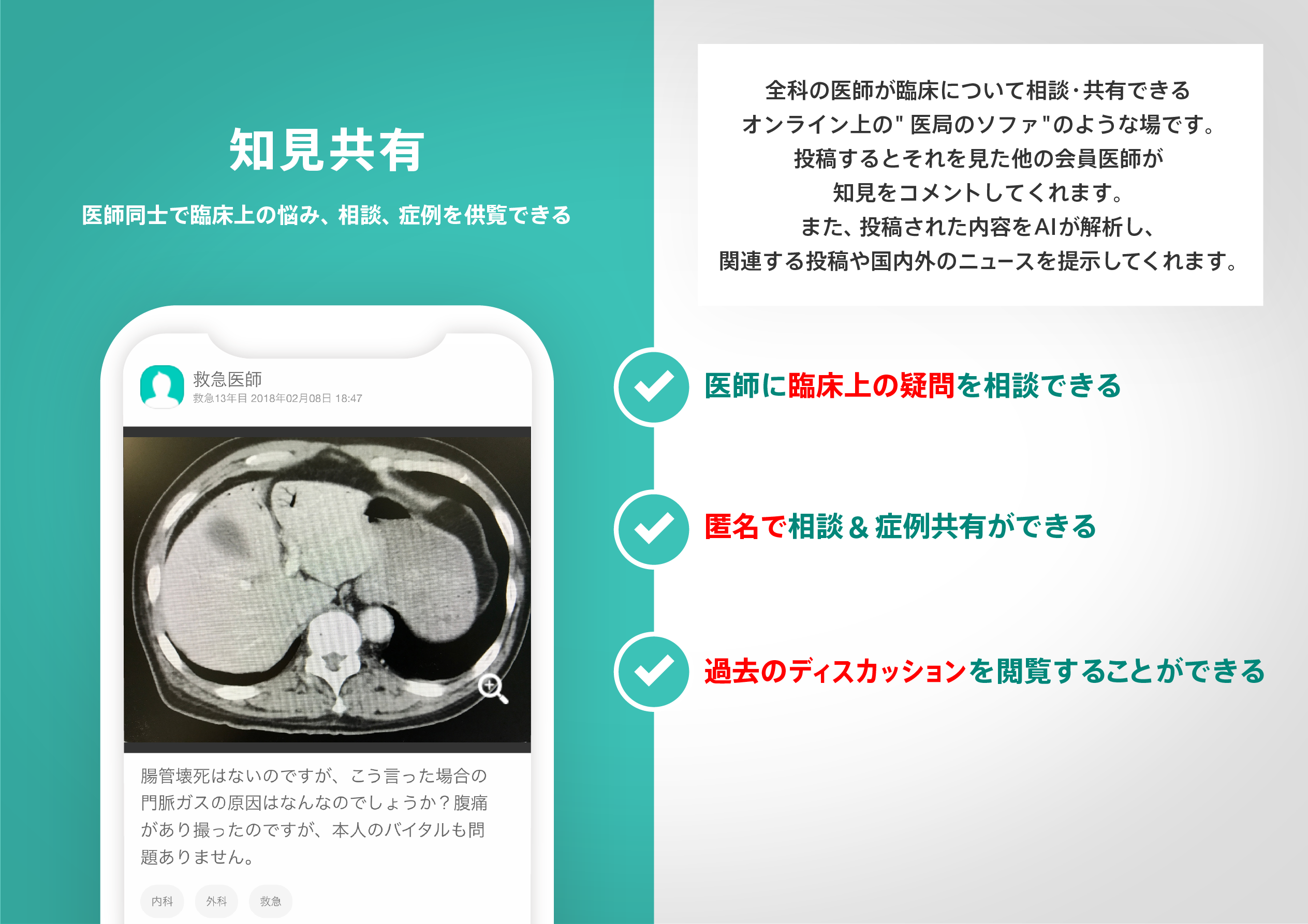
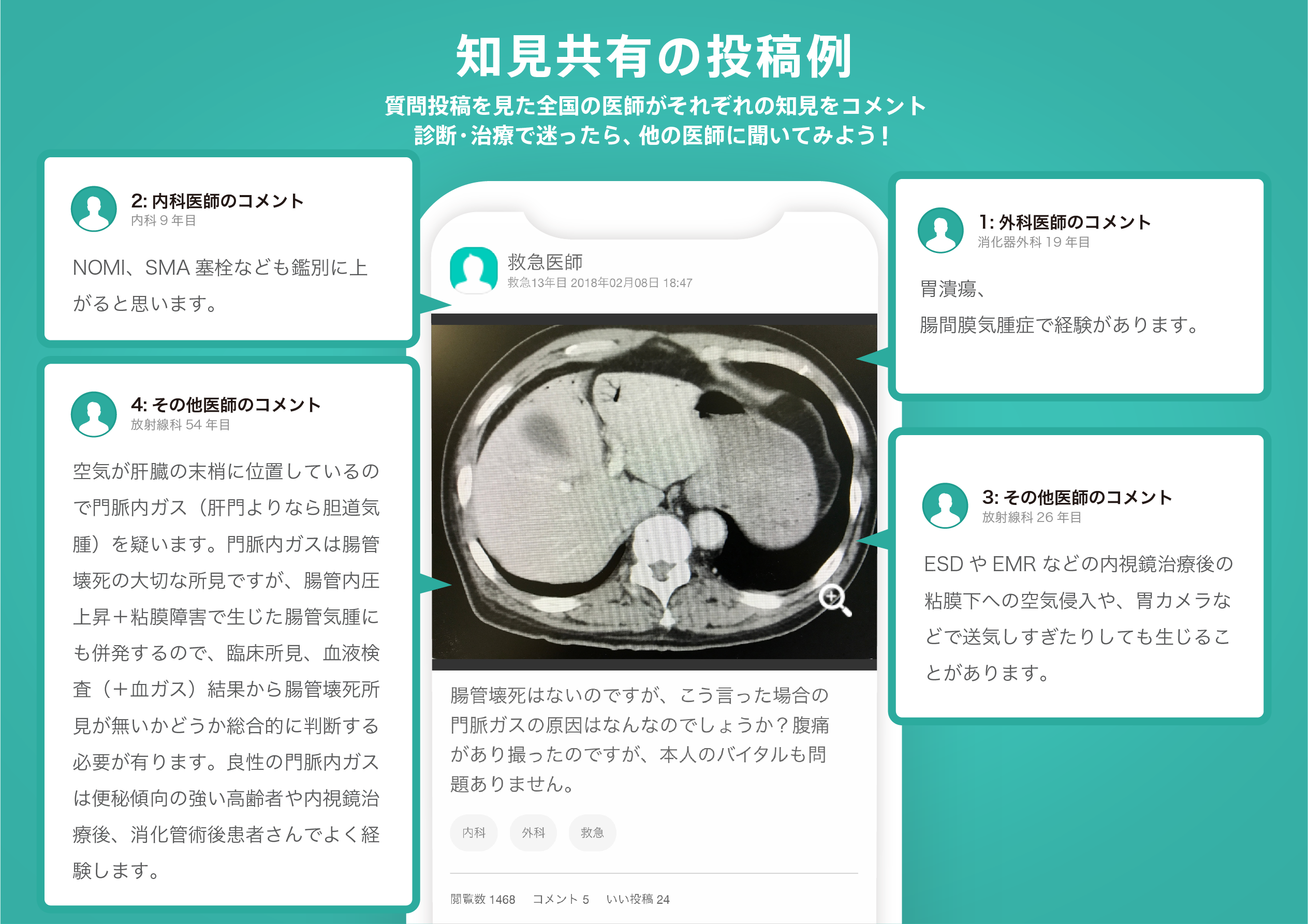
医師のための臨床サポートサービス
ヒポクラ x マイナビのご紹介
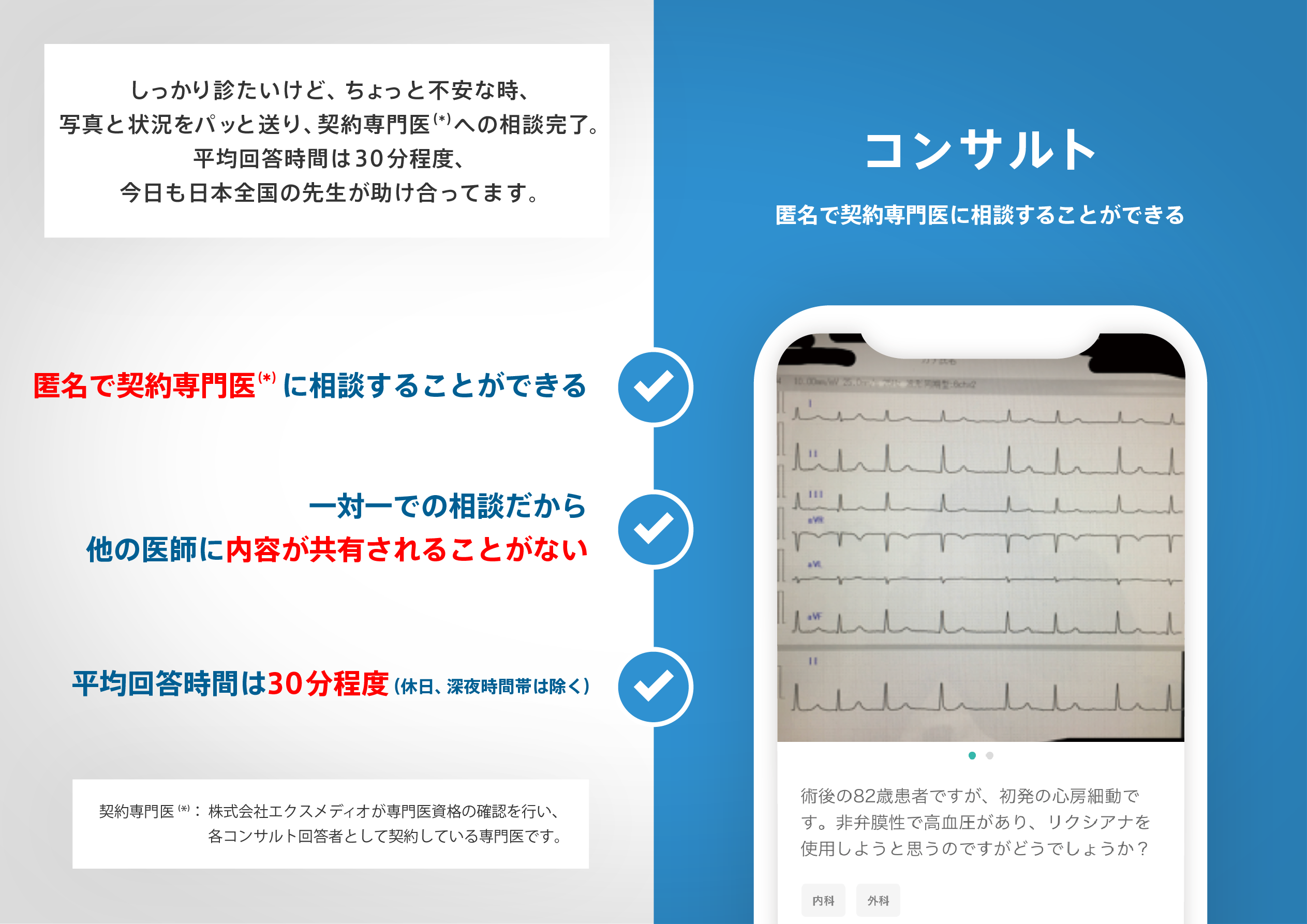
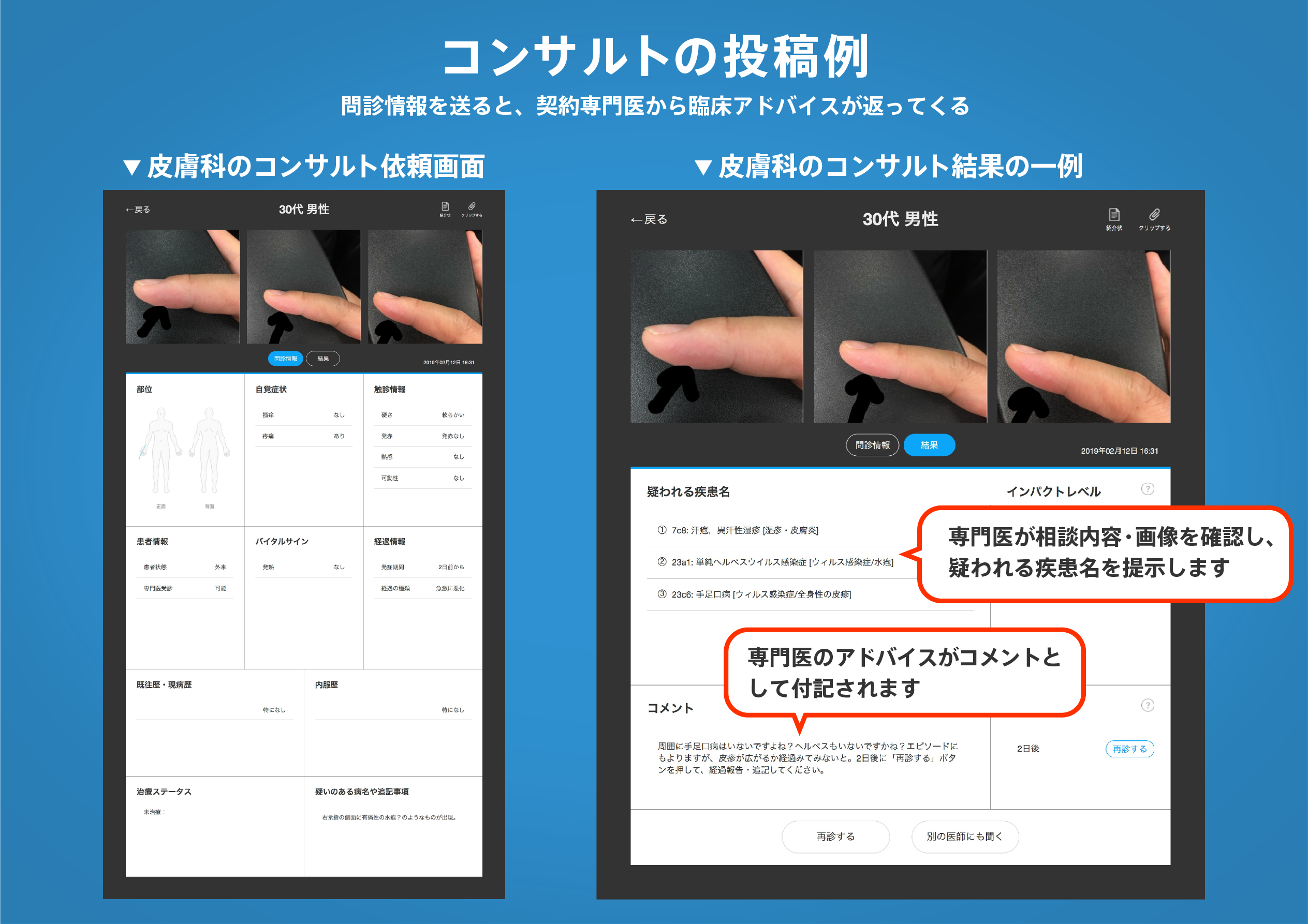
無料会員登録していただくと、さらに便利で効率的な検索が可能になります。