著名医師による解説が無料で読めます
すると翻訳の精度が向上します
背景:プログラム理論の識別と明確化は、品質改善(QI)イニシアチブの効果的な設計、実行、評価をサポートできます。プログラム理論には、合意された目的、この目的を達成するための潜在的な介入、介入との間の予想される原因/効果の関係、および改善を監視するための目的と対策が含まれます。このペーパーでは、プログラム理論の特定と明確化におけるQIイニシアチブ:アクション効果方法をサポートするために、研究および改善プログラムで使用されるアプローチの概要を説明します。 メソッド開発の背景:以前に使用されていたQIメソッド、ドライバー図、アクションエフェクト法に基づいて構築され、4つの年間ラウンドの改善イニシアチブにおける共同設計と反復を使用して開発されました。これにより、QIイニシアチブのプログラム理論を完全に表現するために必要な要素の仕様が作成されました。 アクション効果方法:アクション効果方法は、QIイニシアチブのプログラム理論を特定して明確にするための体系的で構造化されたプロセスです。この方法は、潜在的な介入と実装活動を、仮説と証明された原因/効果の関係の図式的表現を通じて全体的な改善目的と結び付けます。測定概念は、サービスの提供と患者およびシステムの結果の観点から、評価をサポートするために特定されています。 議論と結論:アクション効果方法は、QIイニシアチブの実行と評価を導くフレームワーク、他のQIメソッドの焦点、および利害関係者を引き付けるためのコミュニケーションツールを提供します。適切に表現されたプログラム理論を構成するものの明確な定義は、そのアプリケーションの忠実度の方法と評価を使用するために提供されます。
背景:プログラム理論の識別と明確化は、品質改善(QI)イニシアチブの効果的な設計、実行、評価をサポートできます。プログラム理論には、合意された目的、この目的を達成するための潜在的な介入、介入との間の予想される原因/効果の関係、および改善を監視するための目的と対策が含まれます。このペーパーでは、プログラム理論の特定と明確化におけるQIイニシアチブ:アクション効果方法をサポートするために、研究および改善プログラムで使用されるアプローチの概要を説明します。 メソッド開発の背景:以前に使用されていたQIメソッド、ドライバー図、アクションエフェクト法に基づいて構築され、4つの年間ラウンドの改善イニシアチブにおける共同設計と反復を使用して開発されました。これにより、QIイニシアチブのプログラム理論を完全に表現するために必要な要素の仕様が作成されました。 アクション効果方法:アクション効果方法は、QIイニシアチブのプログラム理論を特定して明確にするための体系的で構造化されたプロセスです。この方法は、潜在的な介入と実装活動を、仮説と証明された原因/効果の関係の図式的表現を通じて全体的な改善目的と結び付けます。測定概念は、サービスの提供と患者およびシステムの結果の観点から、評価をサポートするために特定されています。 議論と結論:アクション効果方法は、QIイニシアチブの実行と評価を導くフレームワーク、他のQIメソッドの焦点、および利害関係者を引き付けるためのコミュニケーションツールを提供します。適切に表現されたプログラム理論を構成するものの明確な定義は、そのアプリケーションの忠実度の方法と評価を使用するために提供されます。
BACKGROUND: The identification and articulation of programme theory can support effective design, execution and evaluation of quality improvement (QI) initiatives. Programme theory includes an agreed aim, potential interventions to achieve this aim, anticipated cause/effect relationships between the interventions and the aim and measures to monitor improvement. This paper outlines the approach used in a research and improvement programme to support QI initiatives in identifying and articulating programme theory: the action effect method. BACKGROUND TO METHOD DEVELOPMENT: Building on a previously used QI method, the driver diagram, the action effect method was developed using co-design and iteration over four annual rounds of improvement initiatives. This resulted in a specification of the elements required to fully articulate the programme theory of a QI initiative. THE ACTION EFFECT METHOD: The action effect method is a systematic and structured process to identify and articulate a QI initiative's programme theory. The method connects potential interventions and implementation activities with an overall improvement aim through a diagrammatic representation of hypothesised and evidenced cause/effect relationships. Measure concepts, in terms of service delivery and patient and system outcomes, are identified to support evaluation. DISCUSSION AND CONCLUSIONS: The action effect method provides a framework to guide the execution and evaluation of a QI initiative, a focal point for other QI methods and a communication tool to engage stakeholders. A clear definition of what constitutes a well-articulated programme theory is provided to guide the use of the method and assessment of the fidelity of its application.
医師のための臨床サポートサービス
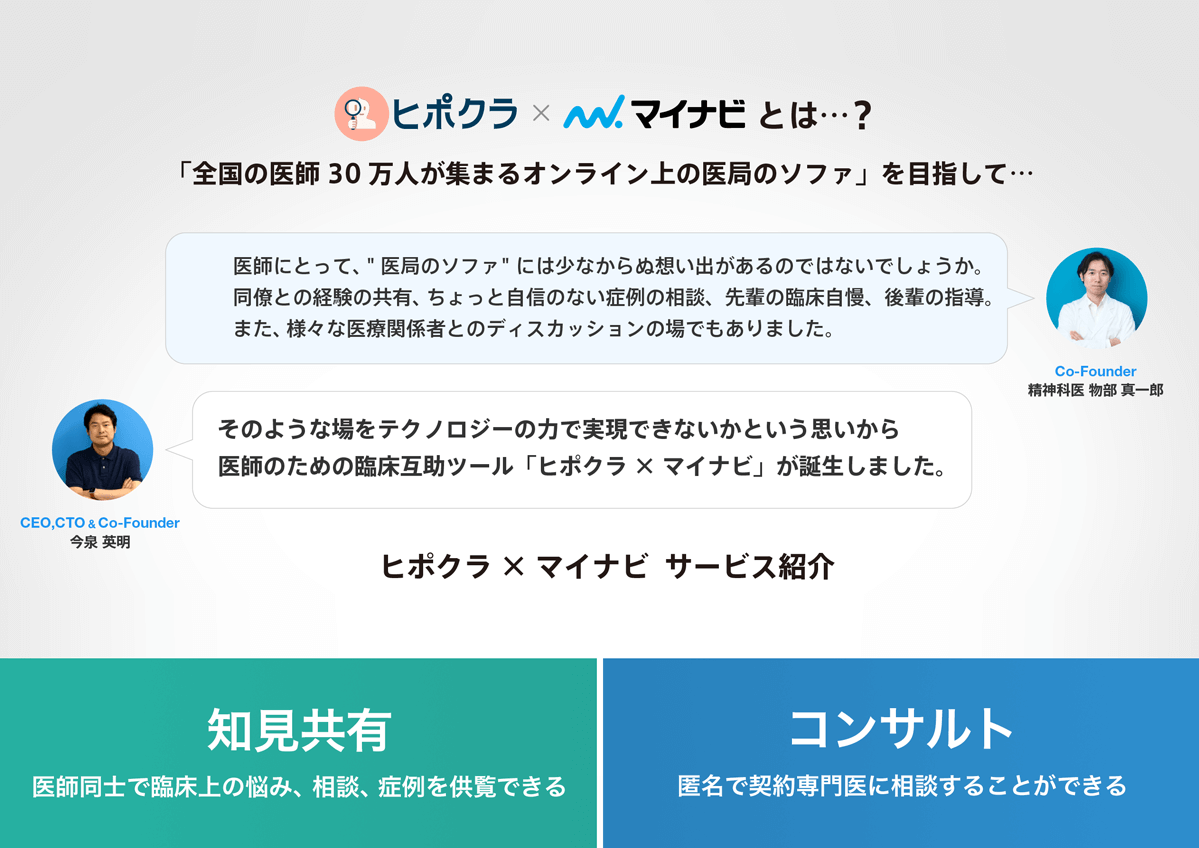
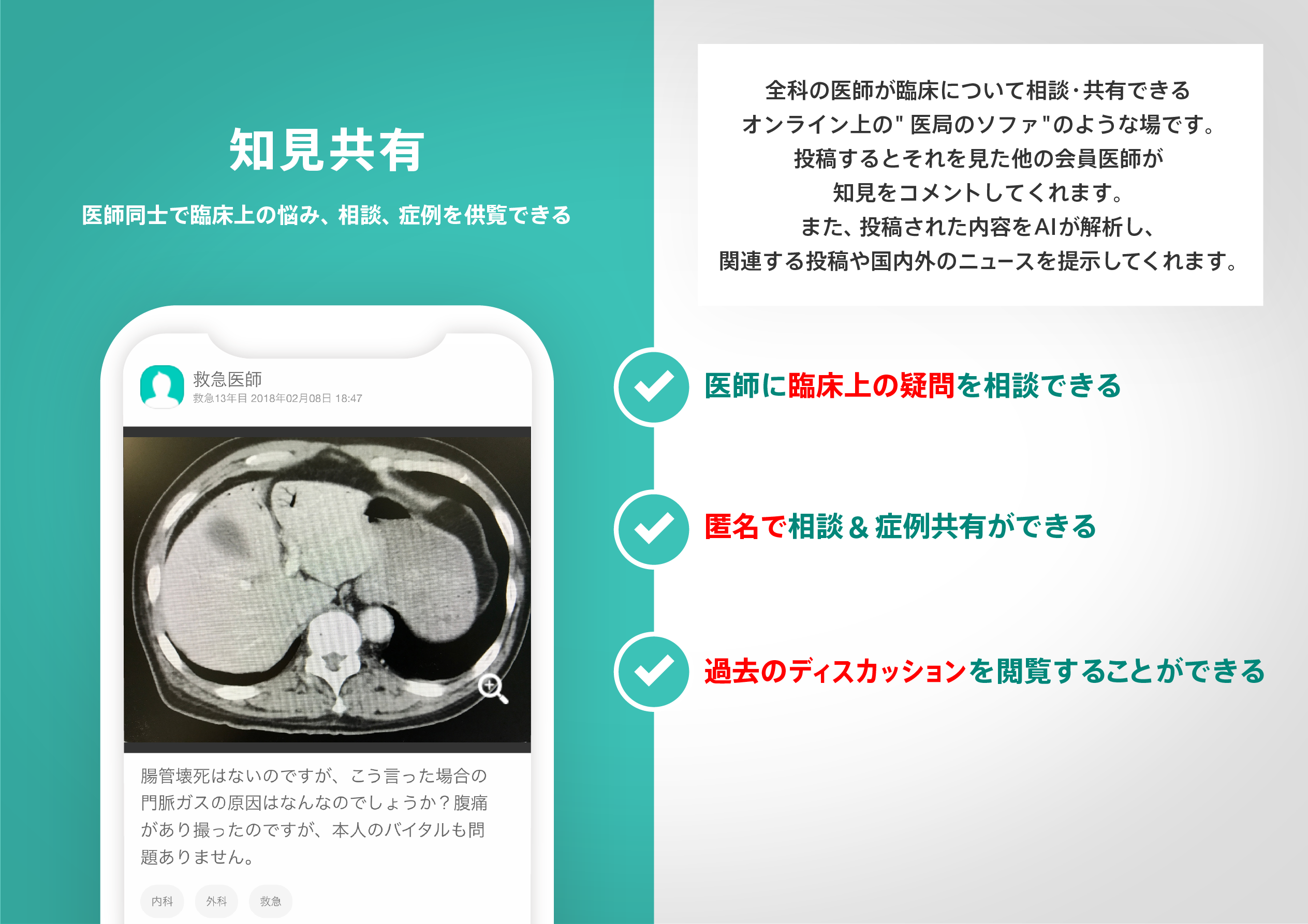
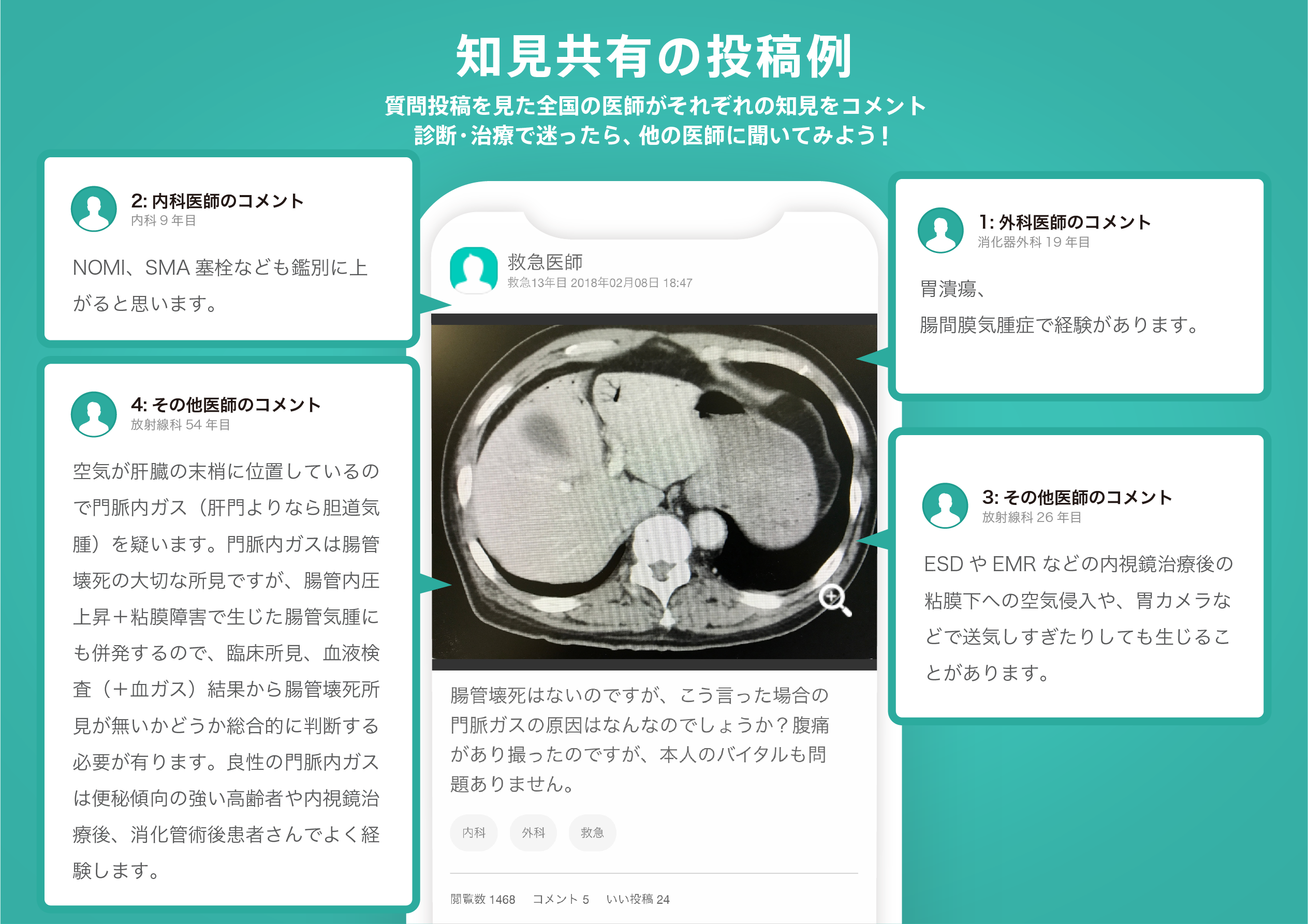
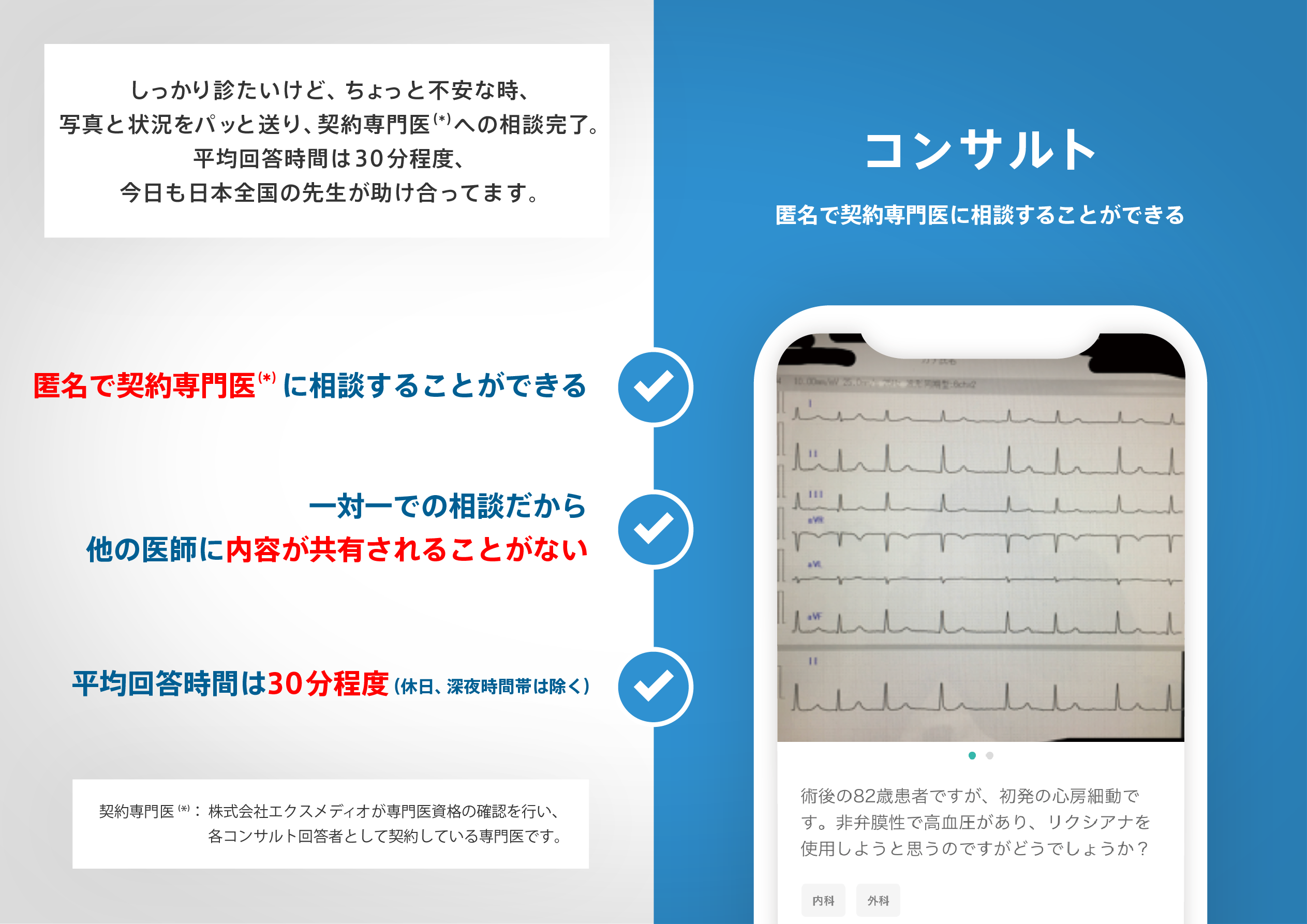
ヒポクラ x マイナビのご紹介

無料会員登録していただくと、さらに便利で効率的な検索が可能になります。