ビバリルディンは、経皮的冠動脈介入を受けている急性冠症候群(ACS)の患者における貴重な抗凝固剤オプションです。非経口抗凝固剤としてのヘパリンに対する利点には、より予測可能な薬物動態と薬力学、半減期の短い、補助因子の必要性、ある程度の抗血小板効果、血球結合トロンビンを阻害する能力が含まれます。しかし、現在のACSガイドラインでのヘパリン上のビバリンを使用することを支持する臨床的証拠は、現在の管理パターンを反映していない初期のランダム化試験に由来します。現在、クロピドグレル(すなわち、プラソグレルまたはチカグレロール)よりも強力な経口抗血小板エージェントの使用と、パルセントのための戦略の広範な実装(i.e.e.e.e.e.e.e.e.e.e.e.e.e.e.e.e.e.e.e.e.e.e.e.e.e.)介入、および救済状況でのみ糖タンパク質IIB/IIIA阻害剤の使用)。他の抗血栓治療の文脈におけるビバリン上のビバリンの有効性と安全性と安全性の微妙なバランスを定義することは、特に非常に最近の時期に多数の新しい試験が提示されているACSなどの急速に進化するシナリオで、臨床診療において課題のままです。ここでは、新しいデータ、未解決の問題、将来の方向性に焦点を当てて、ACSでのBivalirudinの使用に関する証拠の最新の概要を提供します。
ビバリルディンは、経皮的冠動脈介入を受けている急性冠症候群(ACS)の患者における貴重な抗凝固剤オプションです。非経口抗凝固剤としてのヘパリンに対する利点には、より予測可能な薬物動態と薬力学、半減期の短い、補助因子の必要性、ある程度の抗血小板効果、血球結合トロンビンを阻害する能力が含まれます。しかし、現在のACSガイドラインでのヘパリン上のビバリンを使用することを支持する臨床的証拠は、現在の管理パターンを反映していない初期のランダム化試験に由来します。現在、クロピドグレル(すなわち、プラソグレルまたはチカグレロール)よりも強力な経口抗血小板エージェントの使用と、パルセントのための戦略の広範な実装(i.e.e.e.e.e.e.e.e.e.e.e.e.e.e.e.e.e.e.e.e.e.e.e.e.e.)介入、および救済状況でのみ糖タンパク質IIB/IIIA阻害剤の使用)。他の抗血栓治療の文脈におけるビバリン上のビバリンの有効性と安全性と安全性の微妙なバランスを定義することは、特に非常に最近の時期に多数の新しい試験が提示されているACSなどの急速に進化するシナリオで、臨床診療において課題のままです。ここでは、新しいデータ、未解決の問題、将来の方向性に焦点を当てて、ACSでのBivalirudinの使用に関する証拠の最新の概要を提供します。
Bivalirudin is a valuable anticoagulant option in patients with acute coronary syndromes (ACS) undergoing percutaneous coronary intervention. Advantages over heparin as a parenteral anticoagulant include more predictable pharmacokinetics and pharmacodynamics, shorter half-life, no need for cofactors, some degree of antiplatelet effect, and the ability to inhibit clot-bound thrombin. Clinical evidence supporting the use of bivalirudin over heparin in current ACS guidelines, however, derives mostly from early randomised trials that may no longer reflect current management patterns, now including the use of oral antiplatelet agents more potent than clopidogrel (i.e. prasugrel or ticagrelor) and a broader implementation of strategies to reduce bleeding (i.e. radial access for percutaneous coronary intervention, and use of glycoprotein IIb/IIIa inhibitors only in bailout situations). Defining the fine balance between bivalirudin efficacy and safety over heparins in the context of other antithrombotic treatments remains a challenge in clinical practice, particularly in a fast-evolving scenario, such as ACS, where numerous new trials have been presented in very recent times. Here we provide an up-to-date overview of the evidence on the use of bivalirudin in ACS, with focus on new data, open issues, and future directions.
医師のための臨床サポートサービス
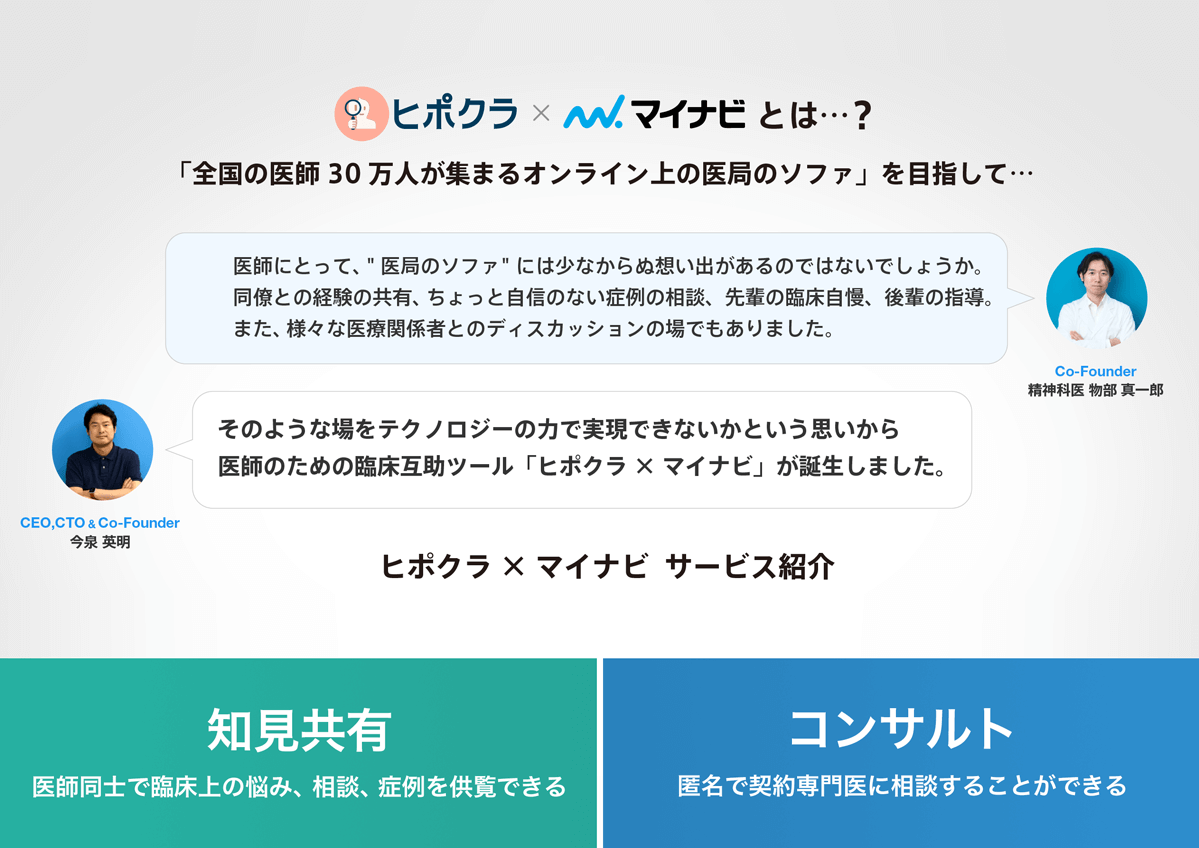
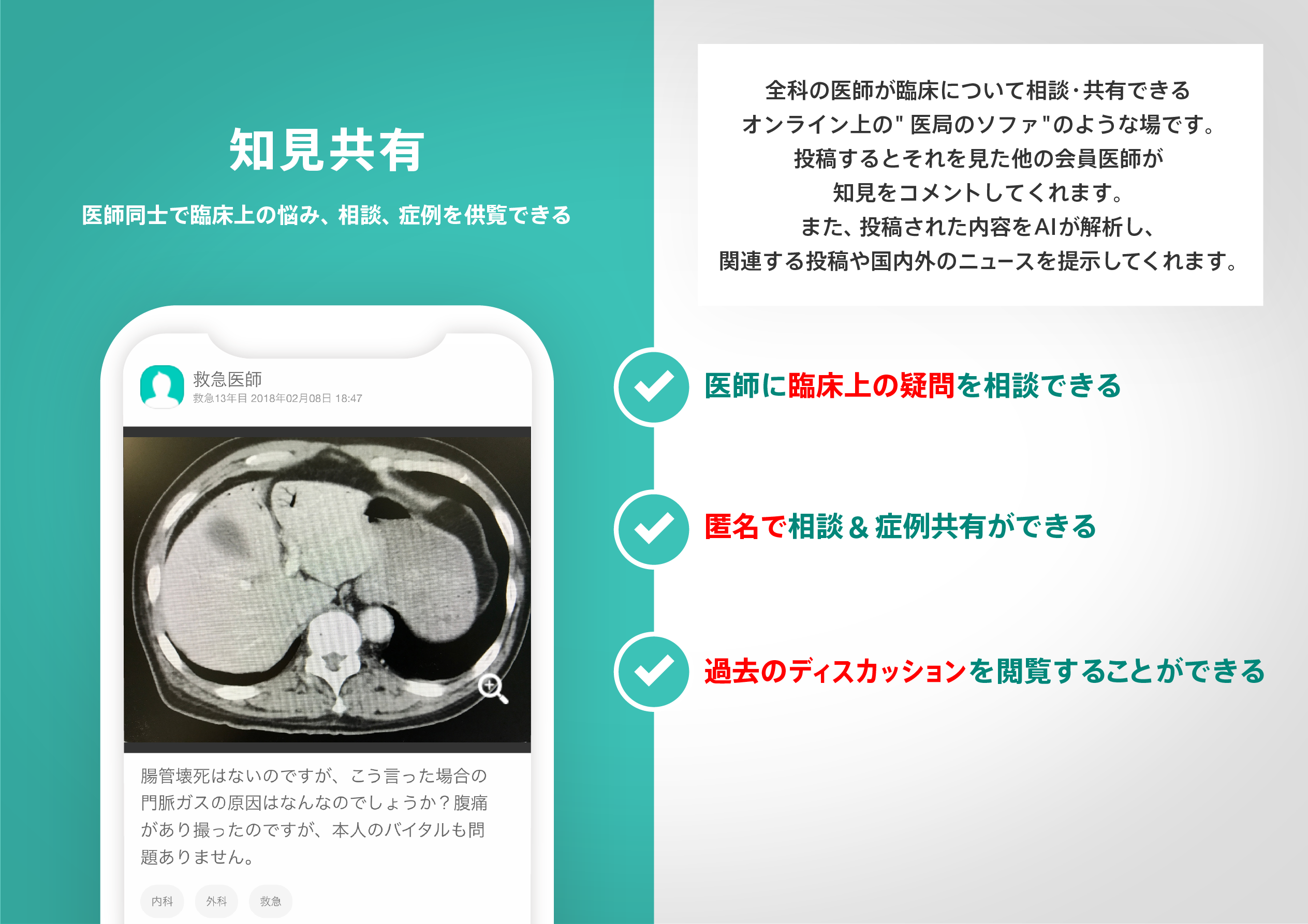
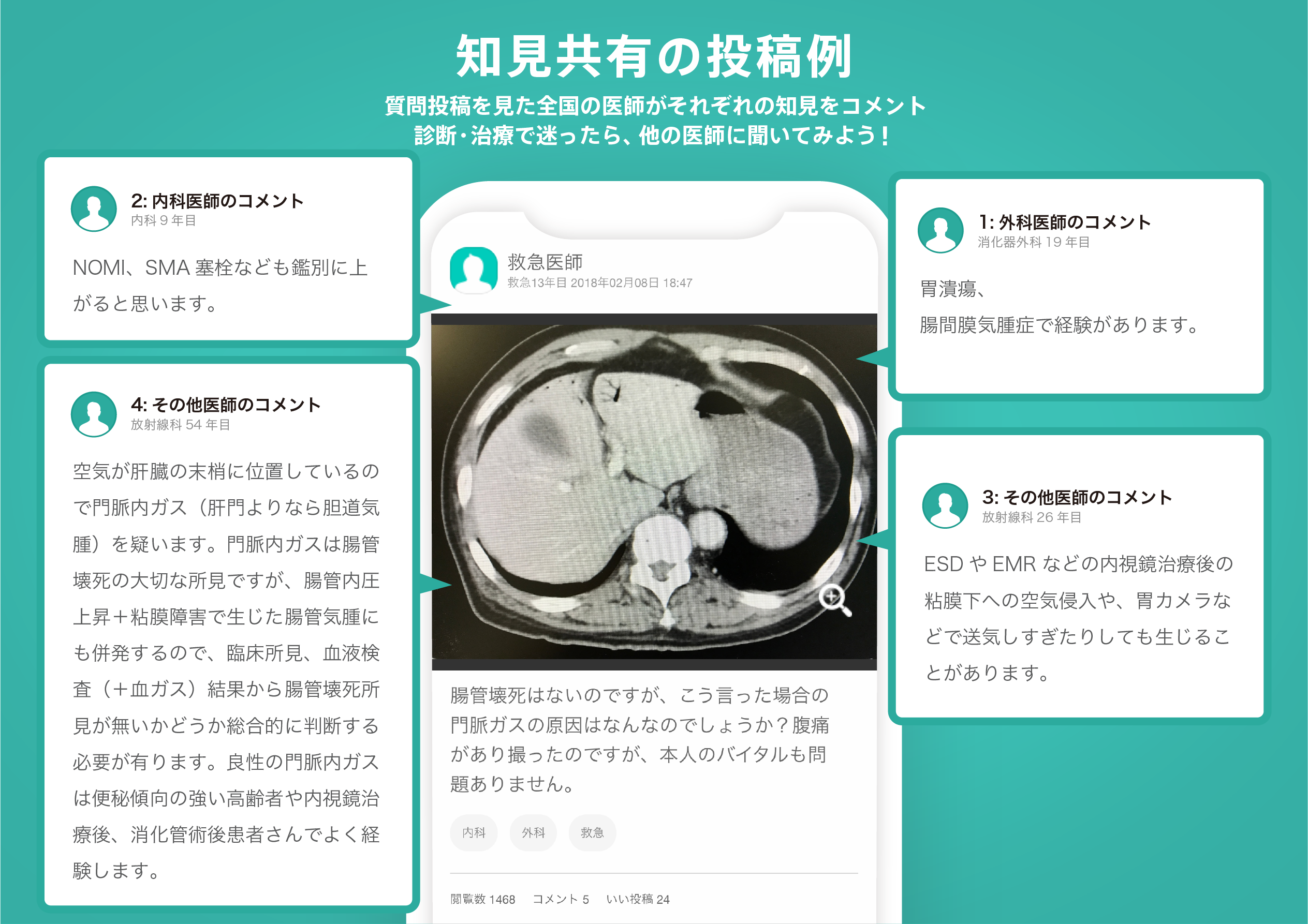
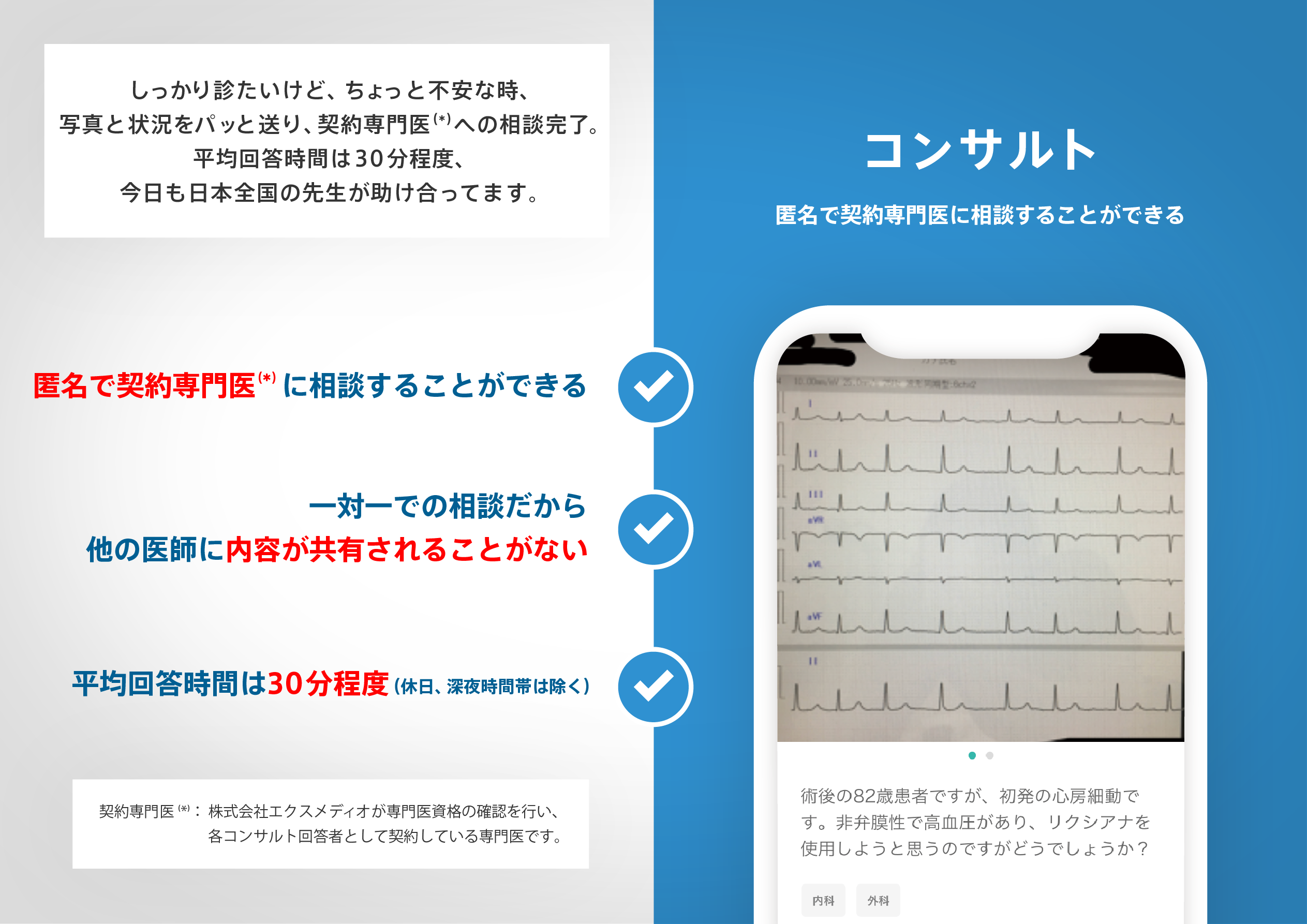
ヒポクラ x マイナビのご紹介


無料会員登録していただくと、さらに便利で効率的な検索が可能になります。