著名医師による解説が無料で読めます
すると翻訳の精度が向上します
結晶構造の測定の完了は、しばしば、深刻な障害のある埋め込まれた溶媒分子またはイオンの存在によって妨げられます。結晶構造の最小二乗洗練における計算された構造因子への貢献は、何らかの方法で含める必要があります。従来、原子論的溶媒障害モデルが試みられています。このようなアプローチは一般的に好ましいものですが、常に満足のいく結果につながるとは限らず、構造内のチャネルが連続した電子密度で満たされている場合、不可能である可能性さえあります。この論文は、溶媒障害の問題に対処する代替手段として、スクイーズ法を文書化しています。これは、最小二乗洗練プログラムShelxlの2014年バージョンと便利にインターフェイスします[Sheldrick(2015)。Acta Cryst。C71。マスコミで]および外部から受け入れる他の洗練プログラムは、計算された構造要因に固定拠出を提供しました。プラトンスクイーズツールは、位相最適化された差分密度マップの溶媒にアクセス可能な領域に見られる電子密度の逆浸漬変換により、構造因子への溶媒の寄与を計算します。実際の最小二乗構造の改良は、たとえばShelxlに委任されます。現在のプラトンスクイーズとShelxlの現在のバージョンは、現在であったSHELXL97プログラムによる最小二乗洗練が、固定された外部から提供された外部から提供された貢献の入力を許可しなかったため、スクイーズ手順の以前の実装との不必要な合併症のいくつかに対処するようになりました。構造ファクター計算。ABIN命令がABIN命令がある場合は、そのプログラムが外部ファイル(.FABファイル)からの溶媒の寄与を受け入れるため、観測された強度から一時的に溶媒の寄与を一時的に減算する必要はなく、最小二乗洗練にSHELXLを使用できるようにする必要はありません。使用済み。さらに、障害のある溶媒を含む多くの双子の構造が、絞りによっても治療可能になりました。スクイーズ計算の詳細は、Merged Reflectionデータとともに、CIFアーカイブファイルに自動的に含まれるようになりました。スクイーズ手順の現在の実装について説明し、3つの例で説明および説明されています。それらの2つは、公開された構造の反射データに基づいており、1つは公開された構造用に生成された合成反射データに基づいています。
結晶構造の測定の完了は、しばしば、深刻な障害のある埋め込まれた溶媒分子またはイオンの存在によって妨げられます。結晶構造の最小二乗洗練における計算された構造因子への貢献は、何らかの方法で含める必要があります。従来、原子論的溶媒障害モデルが試みられています。このようなアプローチは一般的に好ましいものですが、常に満足のいく結果につながるとは限らず、構造内のチャネルが連続した電子密度で満たされている場合、不可能である可能性さえあります。この論文は、溶媒障害の問題に対処する代替手段として、スクイーズ法を文書化しています。これは、最小二乗洗練プログラムShelxlの2014年バージョンと便利にインターフェイスします[Sheldrick(2015)。Acta Cryst。C71。マスコミで]および外部から受け入れる他の洗練プログラムは、計算された構造要因に固定拠出を提供しました。プラトンスクイーズツールは、位相最適化された差分密度マップの溶媒にアクセス可能な領域に見られる電子密度の逆浸漬変換により、構造因子への溶媒の寄与を計算します。実際の最小二乗構造の改良は、たとえばShelxlに委任されます。現在のプラトンスクイーズとShelxlの現在のバージョンは、現在であったSHELXL97プログラムによる最小二乗洗練が、固定された外部から提供された外部から提供された貢献の入力を許可しなかったため、スクイーズ手順の以前の実装との不必要な合併症のいくつかに対処するようになりました。構造ファクター計算。ABIN命令がABIN命令がある場合は、そのプログラムが外部ファイル(.FABファイル)からの溶媒の寄与を受け入れるため、観測された強度から一時的に溶媒の寄与を一時的に減算する必要はなく、最小二乗洗練にSHELXLを使用できるようにする必要はありません。使用済み。さらに、障害のある溶媒を含む多くの双子の構造が、絞りによっても治療可能になりました。スクイーズ計算の詳細は、Merged Reflectionデータとともに、CIFアーカイブファイルに自動的に含まれるようになりました。スクイーズ手順の現在の実装について説明し、3つの例で説明および説明されています。それらの2つは、公開された構造の反射データに基づいており、1つは公開された構造用に生成された合成反射データに基づいています。
The completion of a crystal structure determination is often hampered by the presence of embedded solvent molecules or ions that are seriously disordered. Their contribution to the calculated structure factors in the least-squares refinement of a crystal structure has to be included in some way. Traditionally, an atomistic solvent disorder model is attempted. Such an approach is generally to be preferred, but it does not always lead to a satisfactory result and may even be impossible in cases where channels in the structure are filled with continuous electron density. This paper documents the SQUEEZE method as an alternative means of addressing the solvent disorder issue. It conveniently interfaces with the 2014 version of the least-squares refinement program SHELXL [Sheldrick (2015). Acta Cryst. C71. In the press] and other refinement programs that accept externally provided fixed contributions to the calculated structure factors. The PLATON SQUEEZE tool calculates the solvent contribution to the structure factors by back-Fourier transformation of the electron density found in the solvent-accessible region of a phase-optimized difference electron-density map. The actual least-squares structure refinement is delegated to, for example, SHELXL. The current versions of PLATON SQUEEZE and SHELXL now address several of the unnecessary complications with the earlier implementation of the SQUEEZE procedure that were a necessity because least-squares refinement with the now superseded SHELXL97 program did not allow for the input of fixed externally provided contributions to the structure-factor calculation. It is no longer necessary to subtract the solvent contribution temporarily from the observed intensities to be able to use SHELXL for the least-squares refinement, since that program now accepts the solvent contribution from an external file (.fab file) if the ABIN instruction is used. In addition, many twinned structures containing disordered solvents are now also treatable by SQUEEZE. The details of a SQUEEZE calculation are now automatically included in the CIF archive file, along with the unmerged reflection data. The current implementation of the SQUEEZE procedure is described, and discussed and illustrated with three examples. Two of them are based on the reflection data of published structures and one on synthetic reflection data generated for a published structure.
医師のための臨床サポートサービス
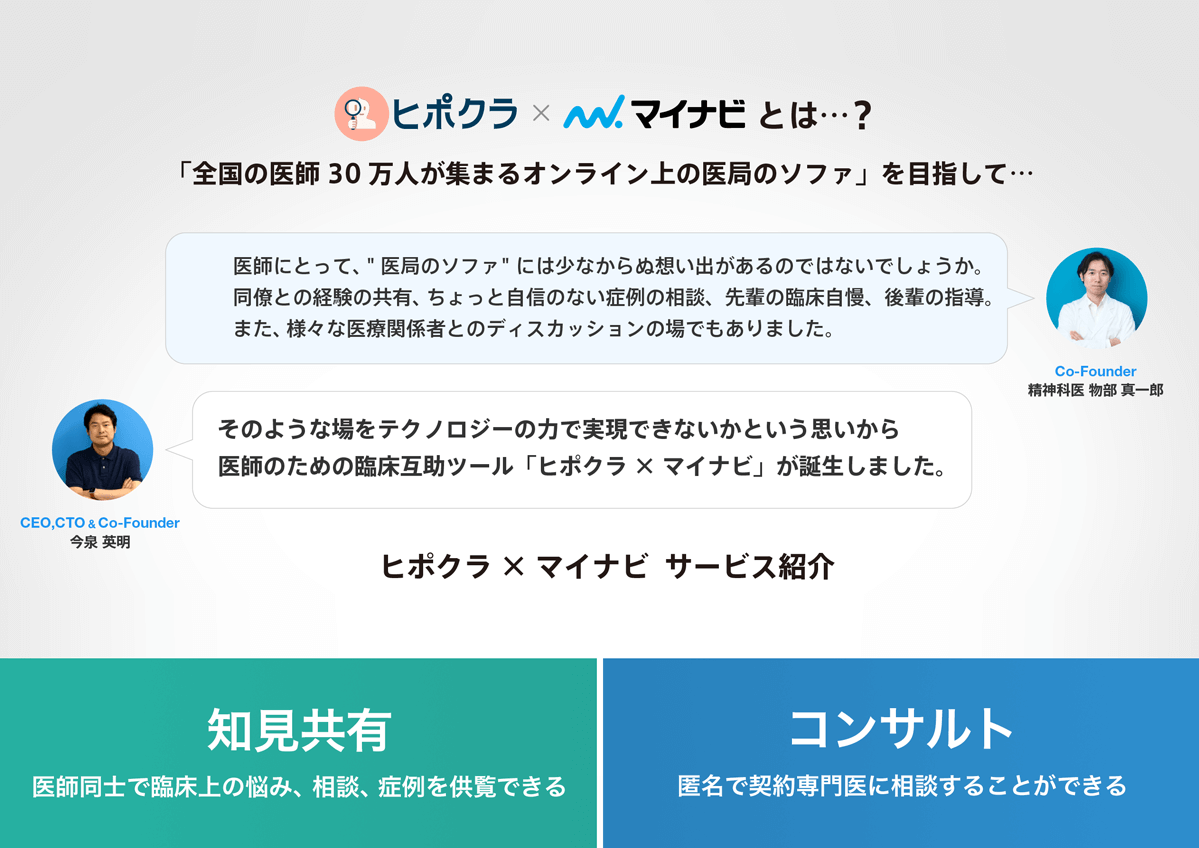
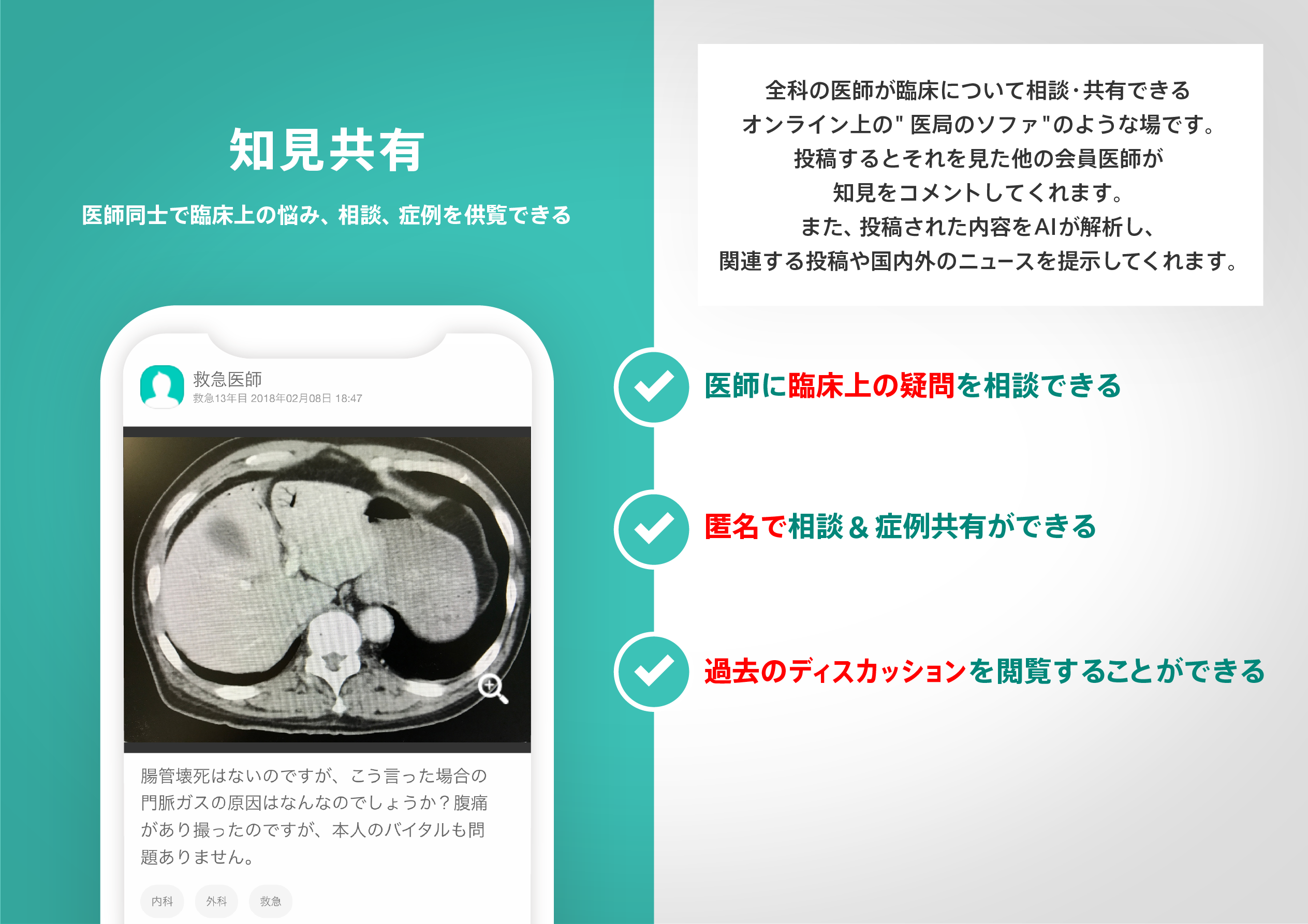
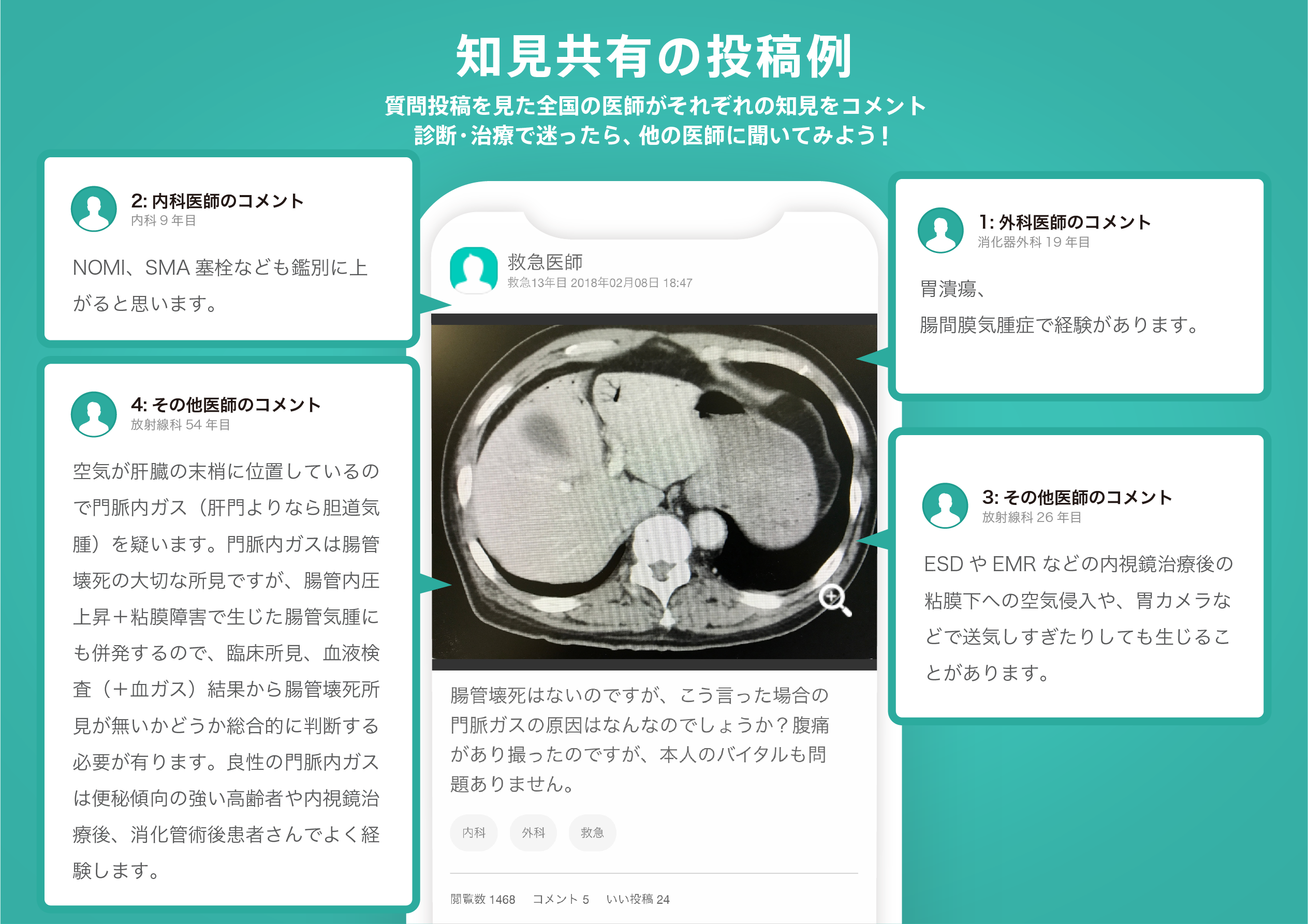
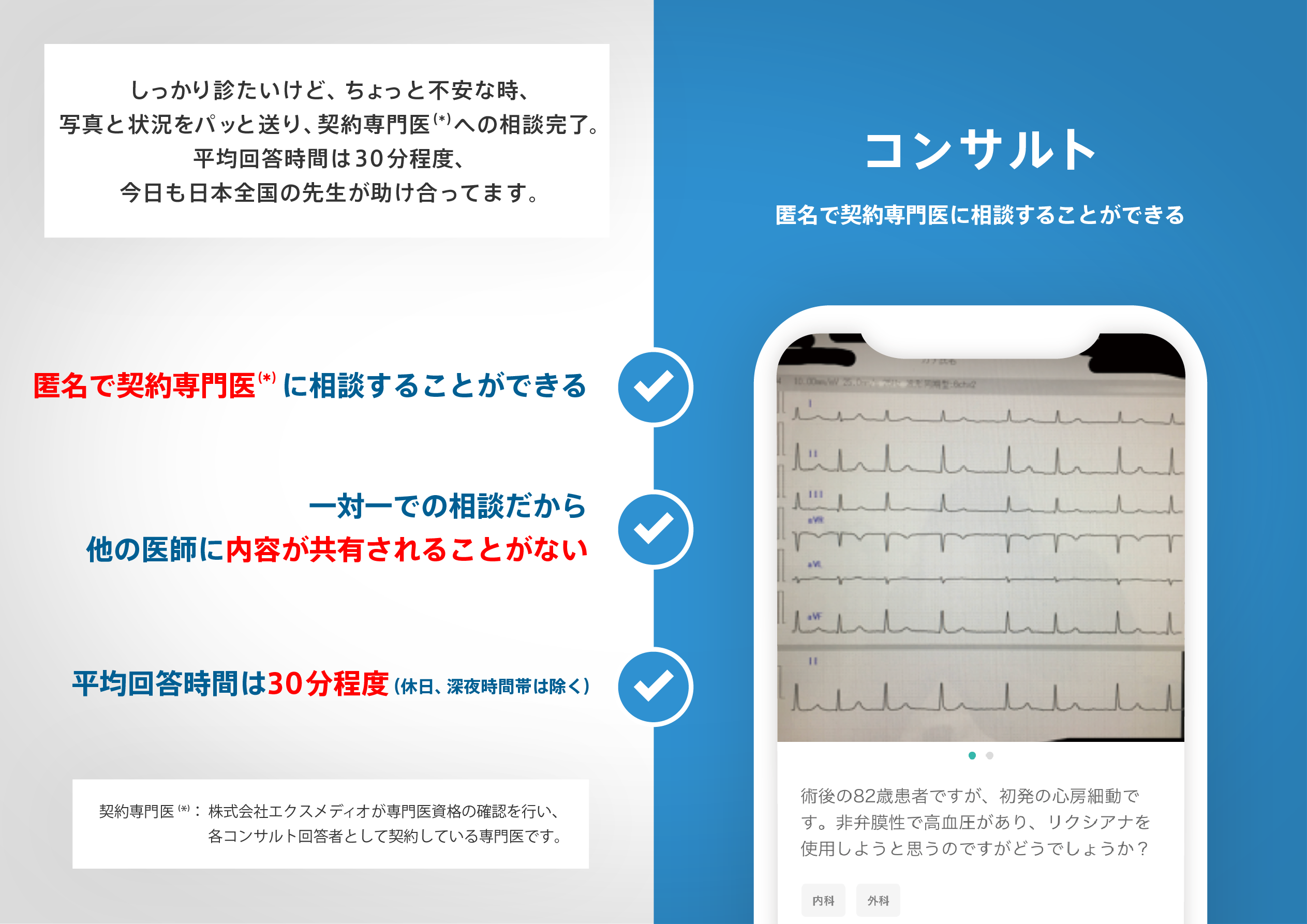
ヒポクラ x マイナビのご紹介

無料会員登録していただくと、さらに便利で効率的な検索が可能になります。