著名医師による解説が無料で読めます
すると翻訳の精度が向上します
海馬のシータ振動は、移動、学習、記憶、防御と影響など、さまざまなプロセスにリンクされています。外側中隔(LS)は、海馬のシータリズムの生成に関係していますが、このプロセスにおけるその正確な役割はよく理解されていません。ここでは、ウレタン染色ラットの網状形成の刺激によって誘発される海馬シータ活性の頻度に対する背側LS(DLS)の直接的な薬理学的阻害または脱抑制の影響を調査しました。GABAA受容体アゴニストのMusimolのDLSへの両側注入は、シータ頻度を大幅に増加させることがわかりました。驚くべきことに、GABAA受容体拮抗薬ガバジンのDLINTIONSIONSIONSは、網状に誘発されたシータ活性を大幅に廃止しました。また、これらの同じ化合物を局所的に内側中隔(MS)に注入して、神経解剖学的特異性をテストしました。DLSに見られる効果とは対照的に、MuscimolのIntra-MS注入はシータ周波数に影響を与えませんでしたが、ガバジンのIntra-MS注入はシータ周波数を増加させました。行動防御における海馬シータの仮説的な役割を考えると、我々はまた、不安の2つのモデル、迷路の上昇、および摂食パラダイムの斬新誘発性抑制の2つのモデルにおけるムシモールの筋肉内適用の効果を調べました。どちらのテストでも、ムシモール注入後の明確な抗不安症状の効果が明らかになりました。DLS-Muscimolがシータ頻度を増加させながら不安のような行動を減らすという事実は、不安溶解の影響力のあるシータ抑制モデルに挑戦します。さらに重要なことは、この実験は、げっ歯類の海馬におけるシータ振動の発現の重要なゲーティングメカニズムとして、LS、特に背側の側面の新しい役割を明らかにしています。
海馬のシータ振動は、移動、学習、記憶、防御と影響など、さまざまなプロセスにリンクされています。外側中隔(LS)は、海馬のシータリズムの生成に関係していますが、このプロセスにおけるその正確な役割はよく理解されていません。ここでは、ウレタン染色ラットの網状形成の刺激によって誘発される海馬シータ活性の頻度に対する背側LS(DLS)の直接的な薬理学的阻害または脱抑制の影響を調査しました。GABAA受容体アゴニストのMusimolのDLSへの両側注入は、シータ頻度を大幅に増加させることがわかりました。驚くべきことに、GABAA受容体拮抗薬ガバジンのDLINTIONSIONSIONSは、網状に誘発されたシータ活性を大幅に廃止しました。また、これらの同じ化合物を局所的に内側中隔(MS)に注入して、神経解剖学的特異性をテストしました。DLSに見られる効果とは対照的に、MuscimolのIntra-MS注入はシータ周波数に影響を与えませんでしたが、ガバジンのIntra-MS注入はシータ周波数を増加させました。行動防御における海馬シータの仮説的な役割を考えると、我々はまた、不安の2つのモデル、迷路の上昇、および摂食パラダイムの斬新誘発性抑制の2つのモデルにおけるムシモールの筋肉内適用の効果を調べました。どちらのテストでも、ムシモール注入後の明確な抗不安症状の効果が明らかになりました。DLS-Muscimolがシータ頻度を増加させながら不安のような行動を減らすという事実は、不安溶解の影響力のあるシータ抑制モデルに挑戦します。さらに重要なことは、この実験は、げっ歯類の海馬におけるシータ振動の発現の重要なゲーティングメカニズムとして、LS、特に背側の側面の新しい役割を明らかにしています。
Hippocampal theta oscillations are linked to various processes, including locomotion, learning and memory, and defense and affect. The lateral septum (LS) has been implicated in the generation of the hippocampal theta rhythm, but its precise role in this process is not well understood. Here, we investigated the effects of direct pharmacological inhibition or disinhibition of the dorsal LS (dLS) on the frequency of hippocampal theta activity elicited by stimulation of the reticular formation in urethane-anesthetized rats. We found that bilateral infusions of the GABAA receptor agonist muscimol into the dLS significantly increased theta frequency. Strikingly, intra-dLS infusions of the GABAA receptor antagonist GABAzine largely abolished reticularly elicited theta activity. We also locally injected these same compounds into the medial septum (MS) to test for neuroanatomical specificity. In contrast to the effects seen in the dLS, intra-MS infusions of muscimol had no effect on theta frequency, whereas intra-MS infusions of GABAzine increased theta frequency. Given the hypothesized role of hippocampal theta in behavioral defense, we also examined the effects of intra-dLS application of muscimol in two models of anxiety, the elevated plus maze and the novelty-induced suppression of feeding paradigm; both tests revealed clear, anxiolytic-like effects following muscimol infusions. The fact that dLS-muscimol increased theta frequency while also reducing anxiety-like behaviors challenges the influential theta suppression model of anxiolysis, which predicts a slowing of theta with anxiolytic compounds. More importantly, the experiments reveal a novel role of the LS, especially its dorsal aspects, as an important gating mechanism for the expression of theta oscillations in the rodent hippocampus.
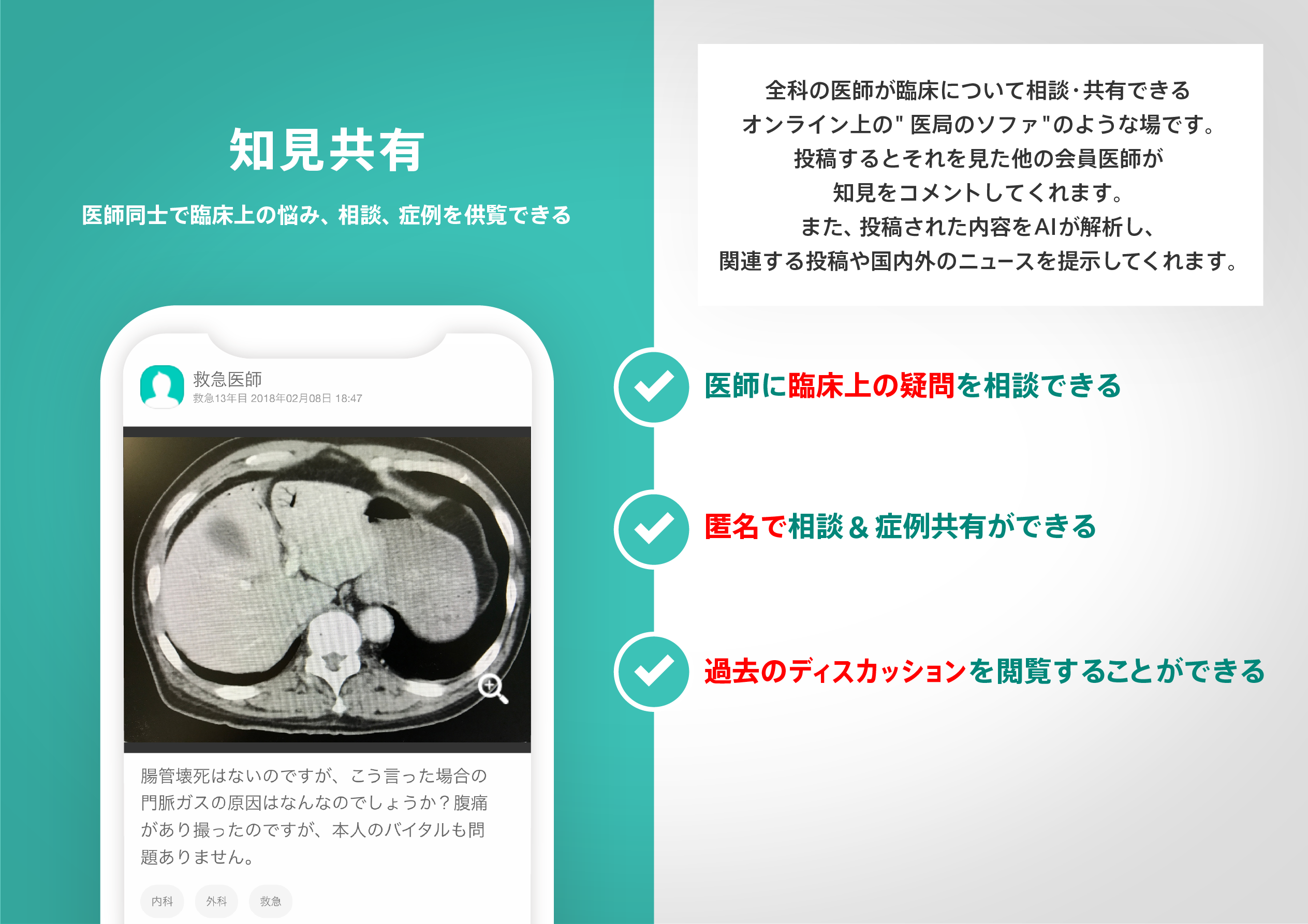
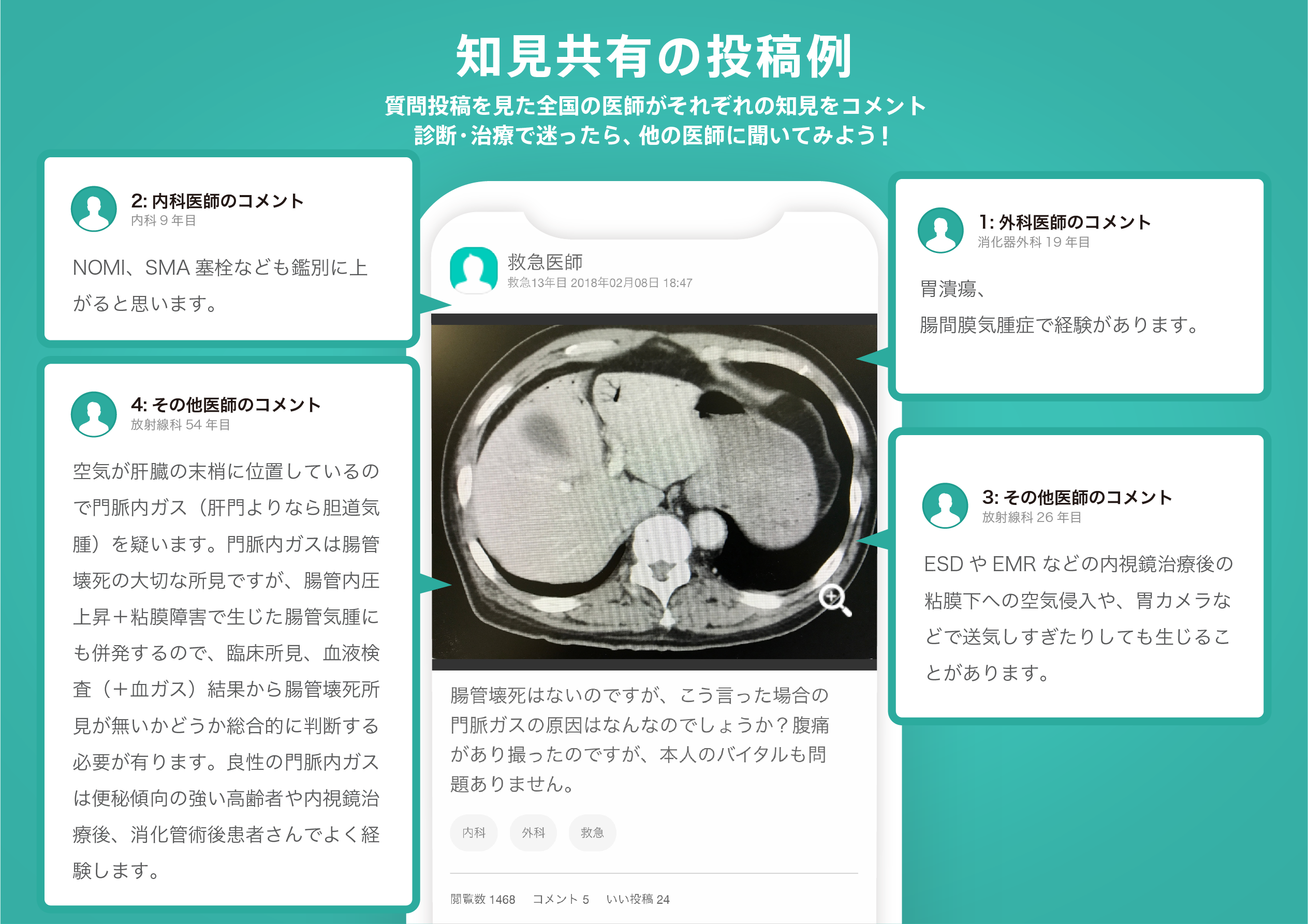
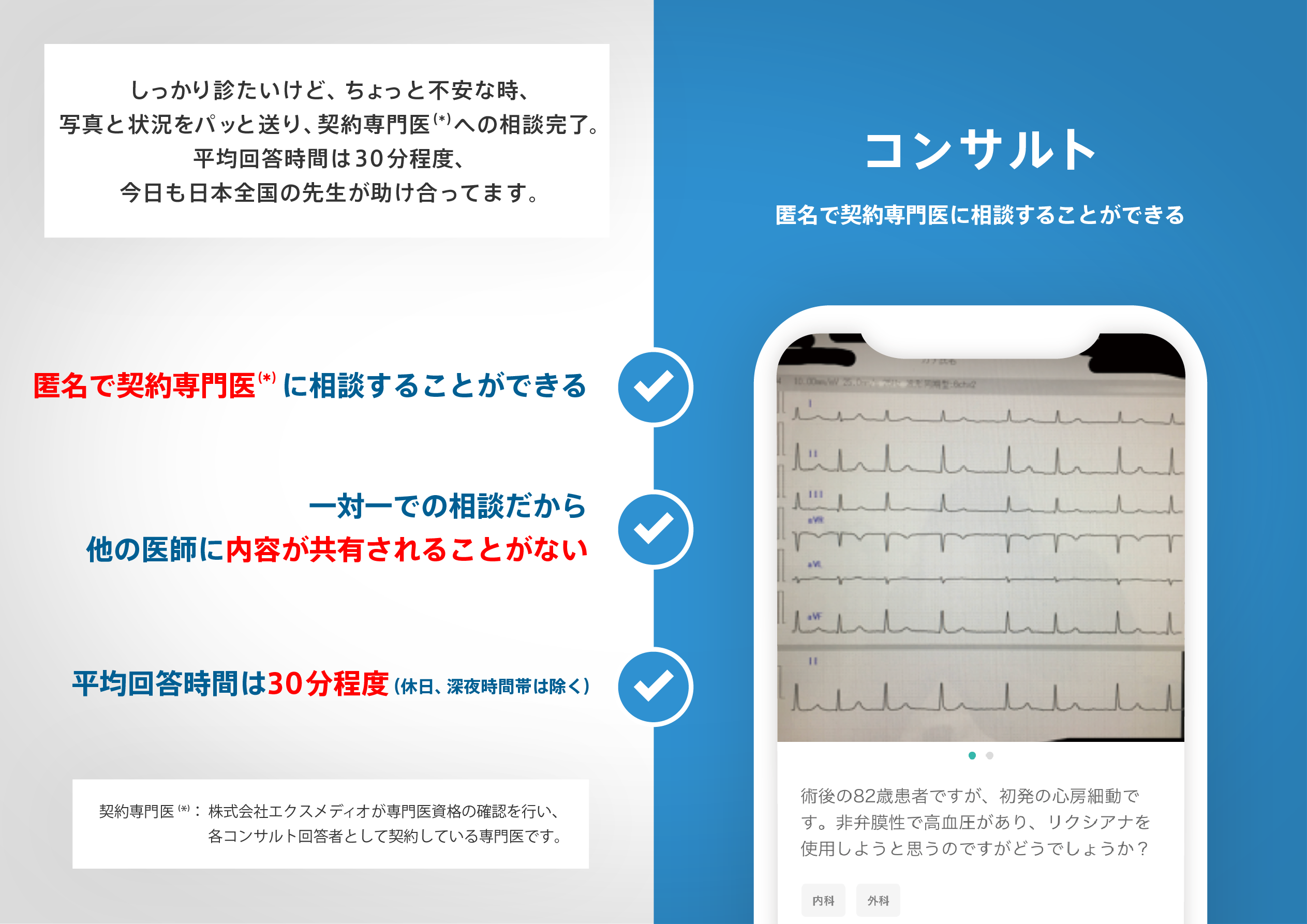
医師のための臨床サポートサービス
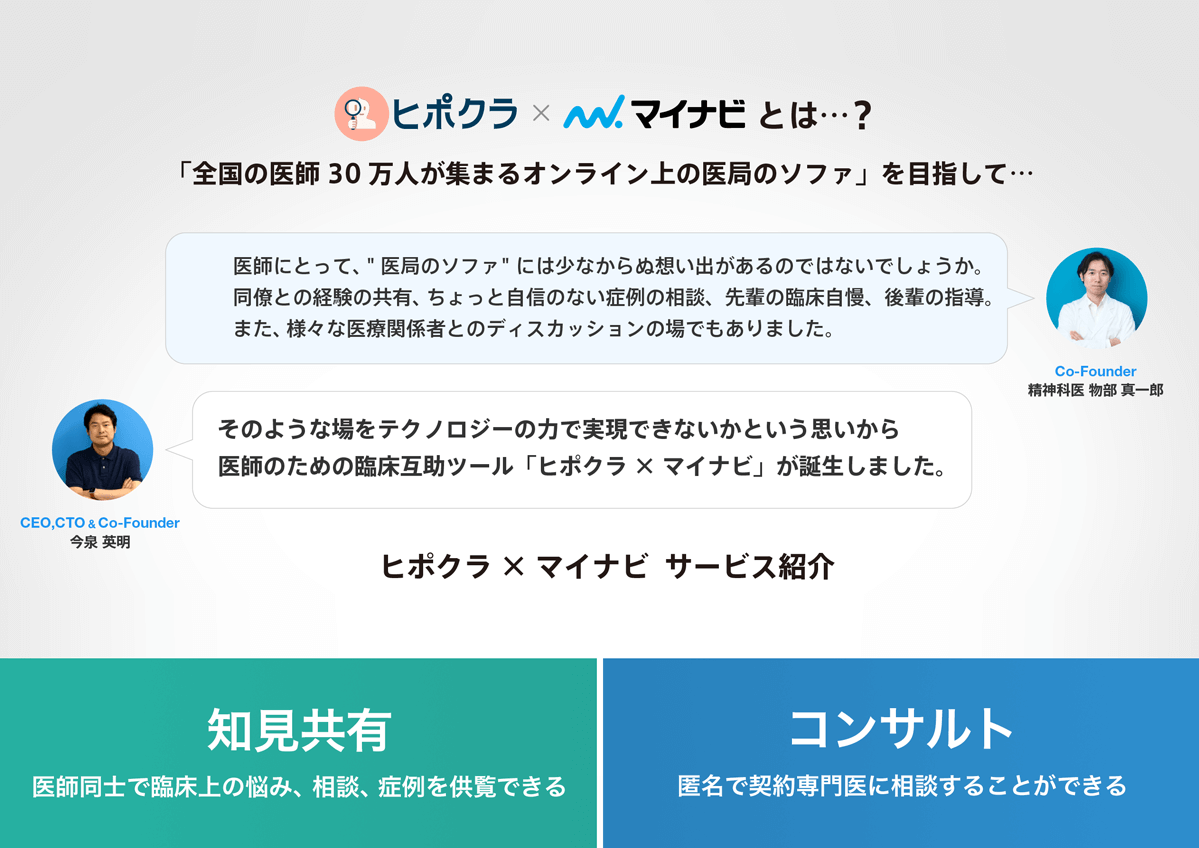
ヒポクラ x マイナビのご紹介

無料会員登録していただくと、さらに便利で効率的な検索が可能になります。