著名医師による解説が無料で読めます
すると翻訳の精度が向上します
急性疼痛は落ち込んだ気分を誘発し、慢性疼痛はうつ病を引き起こすことが知られています。一方、うつ病は、症状から治療反応に至るまでの痛みの行動に悪影響を与える可能性があります。痛みとうつ病は、中枢神経系(CNS)に独立して長期の可塑性を誘発します。ただし、併存疾患には、神経活性化の異なるパターンがあります。痛みとうつ病のこの複雑な関係の根底にある可能性のある神経回路と分子シグナル伝達経路の変化のレビューを実行しました。また、痛みやうつ病で発生するCNS可塑性のこの理解に基づいた現在および将来の治療法のいくつかについても議論しました。
急性疼痛は落ち込んだ気分を誘発し、慢性疼痛はうつ病を引き起こすことが知られています。一方、うつ病は、症状から治療反応に至るまでの痛みの行動に悪影響を与える可能性があります。痛みとうつ病は、中枢神経系(CNS)に独立して長期の可塑性を誘発します。ただし、併存疾患には、神経活性化の異なるパターンがあります。痛みとうつ病のこの複雑な関係の根底にある可能性のある神経回路と分子シグナル伝達経路の変化のレビューを実行しました。また、痛みやうつ病で発生するCNS可塑性のこの理解に基づいた現在および将来の治療法のいくつかについても議論しました。
Acute pain induces depressed mood, and chronic pain is known to cause depression. Depression, meanwhile, can also adversely affect pain behaviors ranging from symptomology to treatment response. Pain and depression independently induce long-term plasticity in the central nervous system (CNS). Comorbid conditions, however, have distinct patterns of neural activation. We performed a review of the changes in neural circuitry and molecular signaling pathways that may underlie this complex relationship between pain and depression. We also discussed some of the current and future therapies that are based on this understanding of the CNS plasticity that occurs with pain and depression.
医師のための臨床サポートサービス
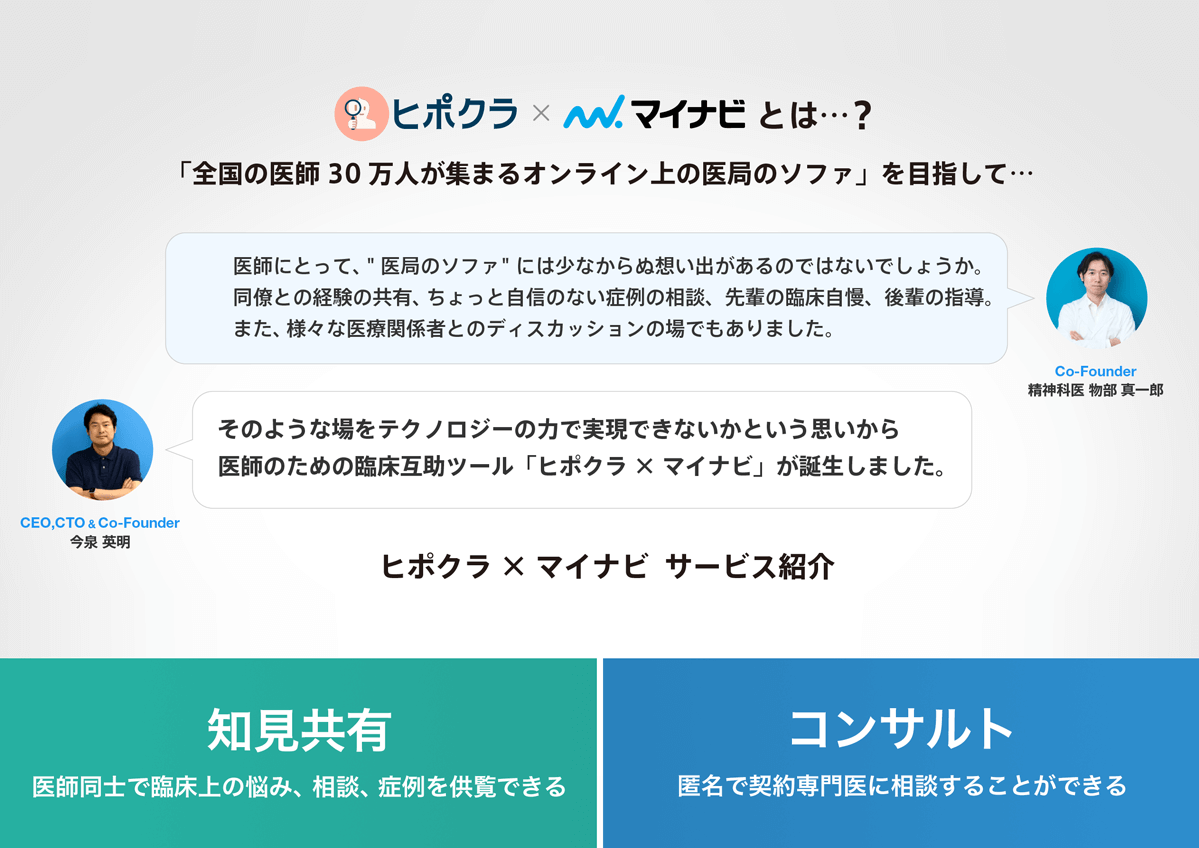
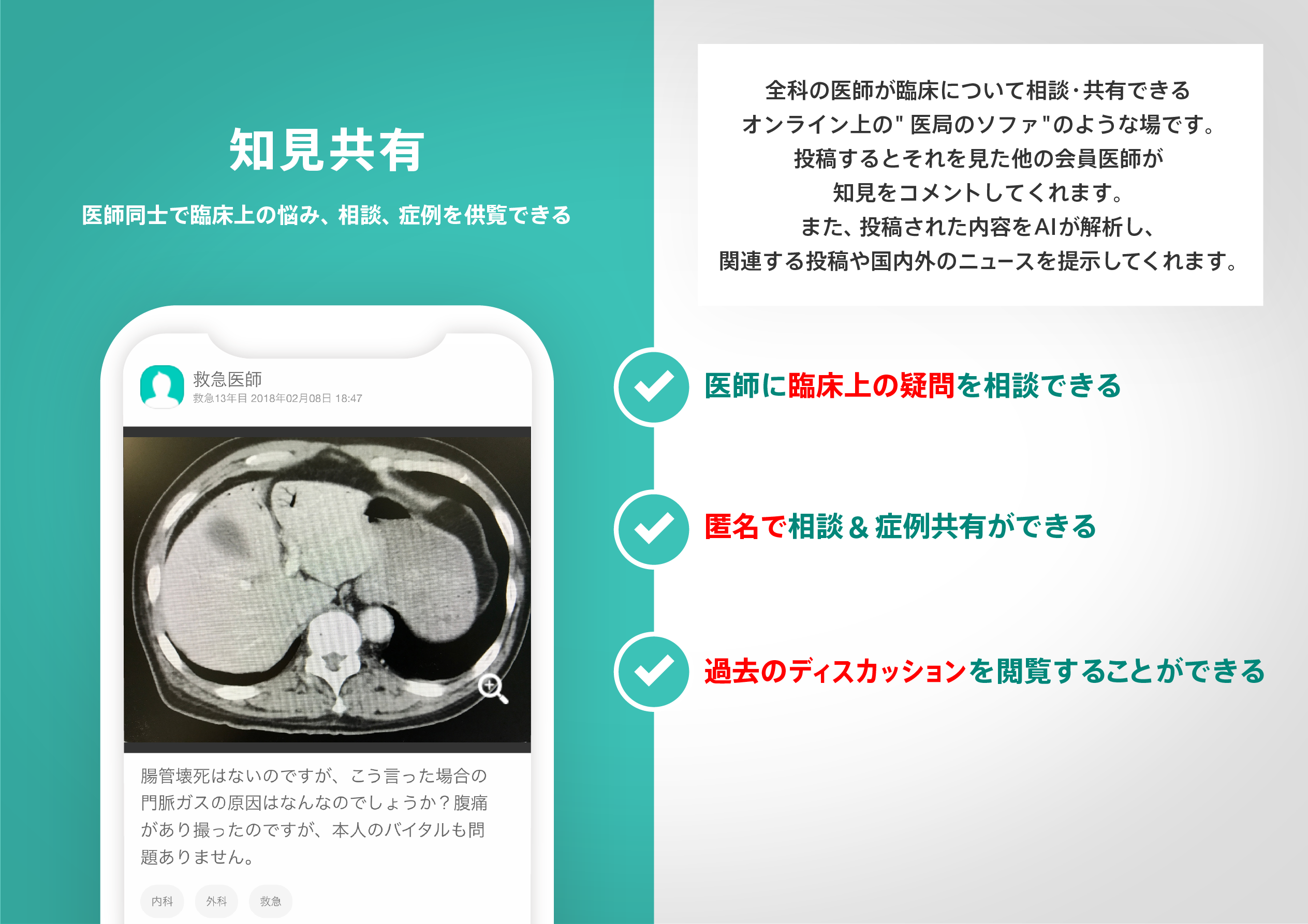
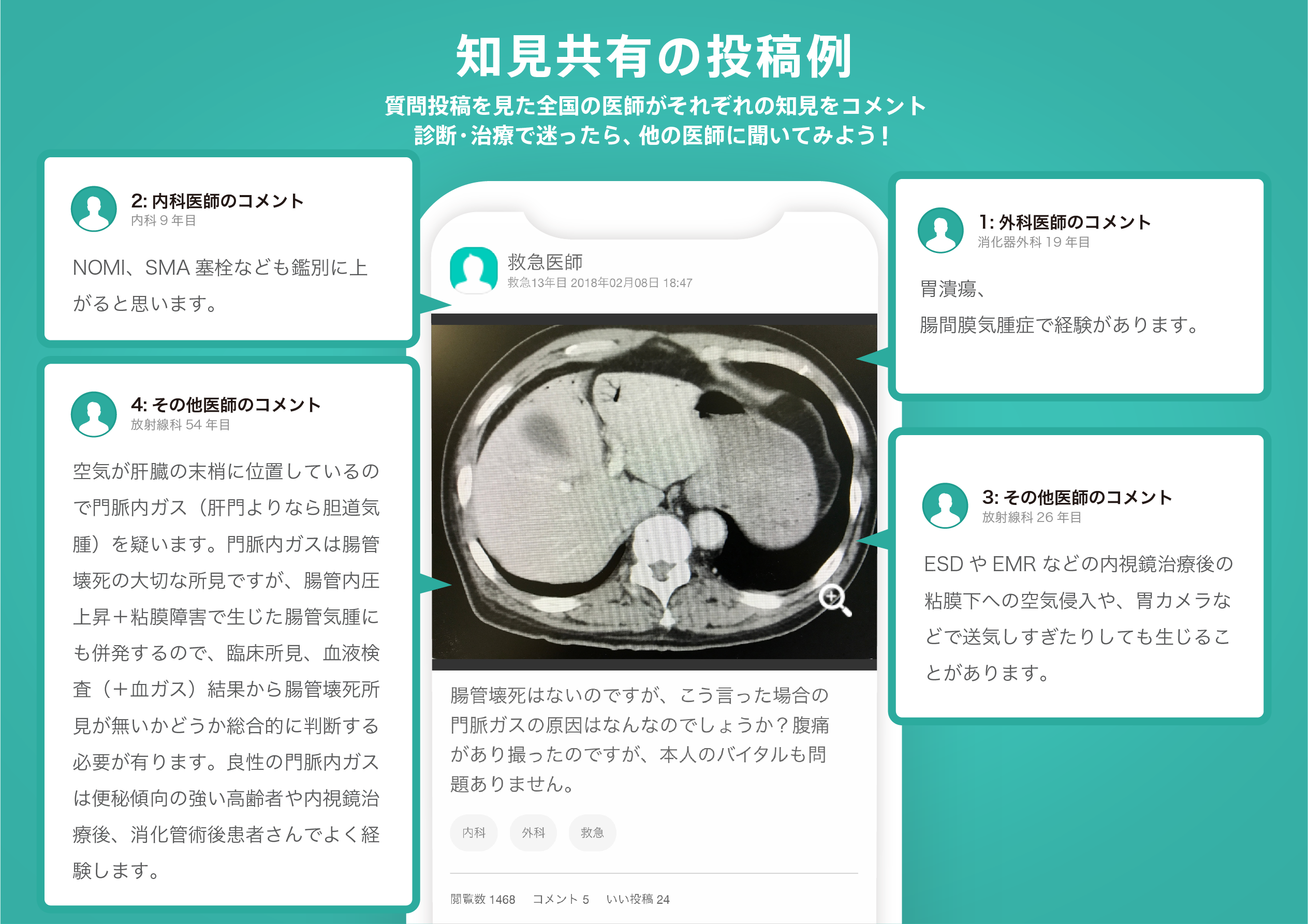
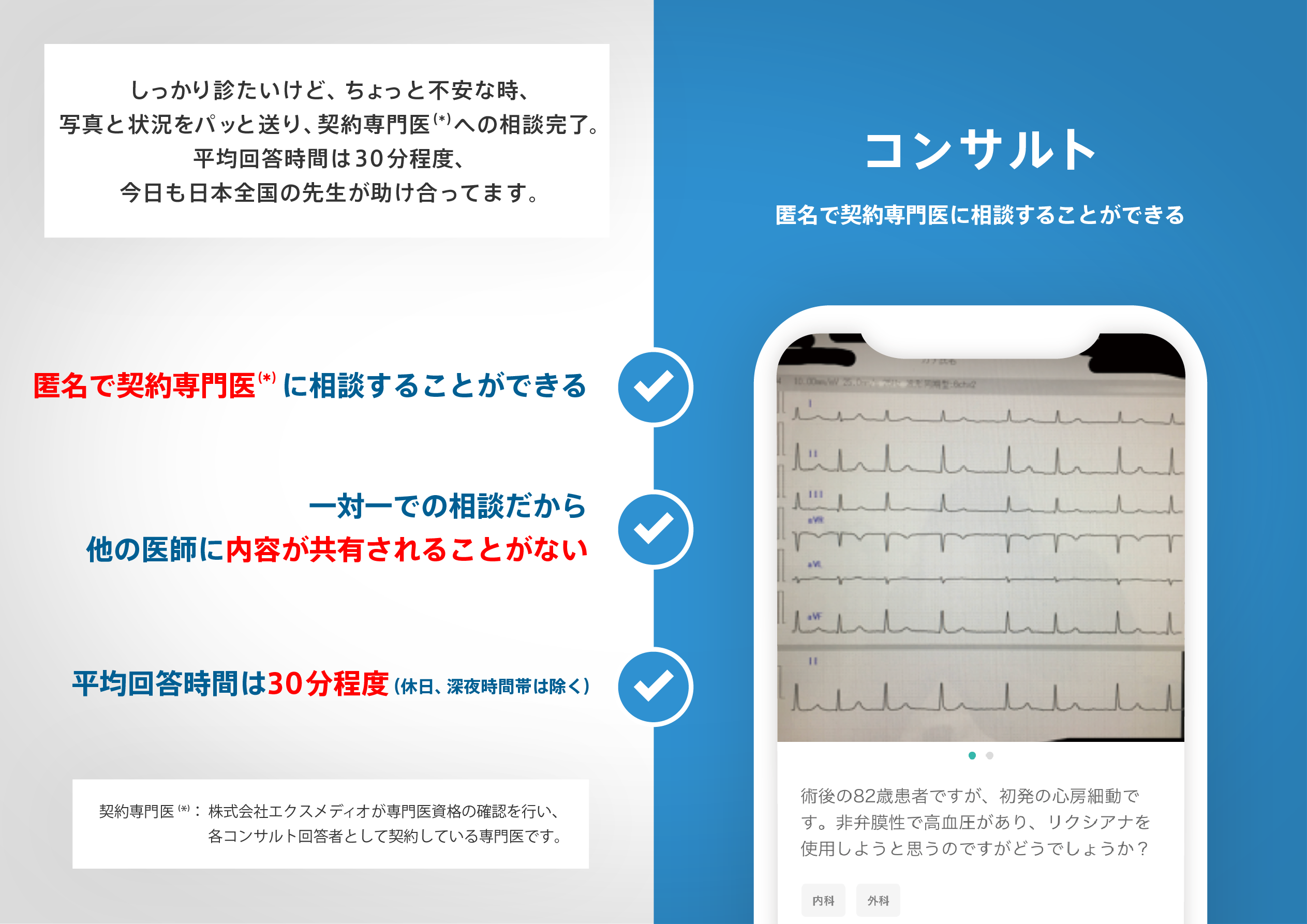
ヒポクラ x マイナビのご紹介

無料会員登録していただくと、さらに便利で効率的な検索が可能になります。