著名医師による解説が無料で読めます
すると翻訳の精度が向上します
背景と目的:骨髄などの造血前駆細胞の他の供給源よりも臍帯血(CB)を使用する利点には、移植が要求されるまでサンプルを凍結して銀行する能力が含まれます。凍結保存には、凍結中の細胞内氷の形成を防ぐために凍結防止剤を添加する必要があります。ジメチルスルホキシド(DMSO)は、一般的に10%(v/v)の濃度で使用されます。しかし、この化学物質は、注入後の患者だけでなく、細胞にも有毒であることを示唆する証拠があります。 材料と方法:DMSOの毒性効果は、最大曝露時間と凍結保存の最適濃度を決定する前に、新鮮および雪の後のCBサンプルにおける細胞生存率とin vitro機能アッセイによって評価されました。 結果:DMSOの用量依存性毒性が新鮮なサンプルで観察され、40%がすべての実行可能で機能的な造血前駆細胞(HPC)を除去しました。新鮮および融解後の分析では、10%DMSO添加後に最大1時間後に凍結保存が遅延した場合、最小限の毒性効果が観察されました。解凍後、DMSOウォッシュアウトは希釈よりも優れていたか、長期間維持された場合に操作されていません(解凍後1時間で観察された利点)。最後に、Cryopreserving CBの最適濃度は7.5〜10%であることがわかりました。この範囲の外で有害な効果が観察されました。 結論:これらの結果は、最適なDMSO濃度と最大曝露時間を凍結する1時間未満および融解後30分に制限するために7.5〜10%の使用をサポートします。
背景と目的:骨髄などの造血前駆細胞の他の供給源よりも臍帯血(CB)を使用する利点には、移植が要求されるまでサンプルを凍結して銀行する能力が含まれます。凍結保存には、凍結中の細胞内氷の形成を防ぐために凍結防止剤を添加する必要があります。ジメチルスルホキシド(DMSO)は、一般的に10%(v/v)の濃度で使用されます。しかし、この化学物質は、注入後の患者だけでなく、細胞にも有毒であることを示唆する証拠があります。 材料と方法:DMSOの毒性効果は、最大曝露時間と凍結保存の最適濃度を決定する前に、新鮮および雪の後のCBサンプルにおける細胞生存率とin vitro機能アッセイによって評価されました。 結果:DMSOの用量依存性毒性が新鮮なサンプルで観察され、40%がすべての実行可能で機能的な造血前駆細胞(HPC)を除去しました。新鮮および融解後の分析では、10%DMSO添加後に最大1時間後に凍結保存が遅延した場合、最小限の毒性効果が観察されました。解凍後、DMSOウォッシュアウトは希釈よりも優れていたか、長期間維持された場合に操作されていません(解凍後1時間で観察された利点)。最後に、Cryopreserving CBの最適濃度は7.5〜10%であることがわかりました。この範囲の外で有害な効果が観察されました。 結論:これらの結果は、最適なDMSO濃度と最大曝露時間を凍結する1時間未満および融解後30分に制限するために7.5〜10%の使用をサポートします。
BACKGROUND AND OBJECTIVES: Advantages of using cord blood (CB) over other sources of haematopoietic progenitor cells, such as bone marrow, include the ability to cryopreserve and bank the samples until requested for a transplant. Cryopreservation requires the addition of a cryoprotectant to prevent the formation of intracellular ice during freezing. Dimethyl sulphoxide (DMSO) is commonly used at a concentration of 10% (v/v); however, there is evidence to suggest this chemical is toxic to cells as well as to patients after infusion. MATERIALS AND METHODS: The toxic effects of DMSO were assessed through cell viability and in vitro functional assays in fresh and post-thaw CB samples before determining the maximum exposure time and optimal concentration for cryopreservation. RESULTS: A dose-dependent toxicity of DMSO was observed in fresh samples with 40% removing all viable and functional haematopoietic progenitor cells (HPC). In fresh and post-thaw analysis, minimal toxic effect was observed when cryopreservation was delayed for up to 1 h after 10% DMSO addition. After thawing, DMSO washout was superior to dilution or unmanipulated when maintained for long periods (advantage observed 1 h after thawing). Finally, the optimum concentration for cryopreserving CB was found to be 7.5 to 10% with detrimental effects observed outside of this range. CONCLUSION: These results support the use of 7.5-10% as the optimal DMSO concentration and the maximum exposure time should be limited to <1 h prior to freezing and 30 min post-thaw.
医師のための臨床サポートサービス
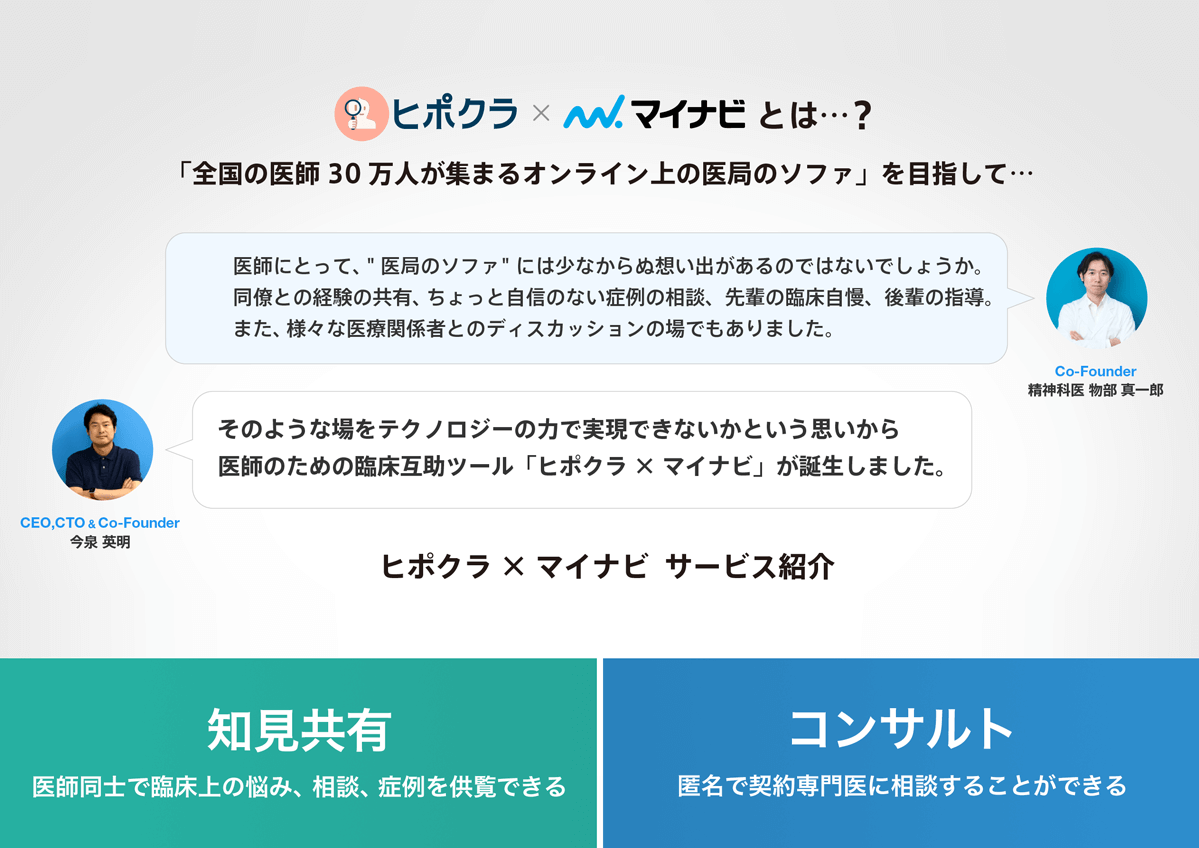
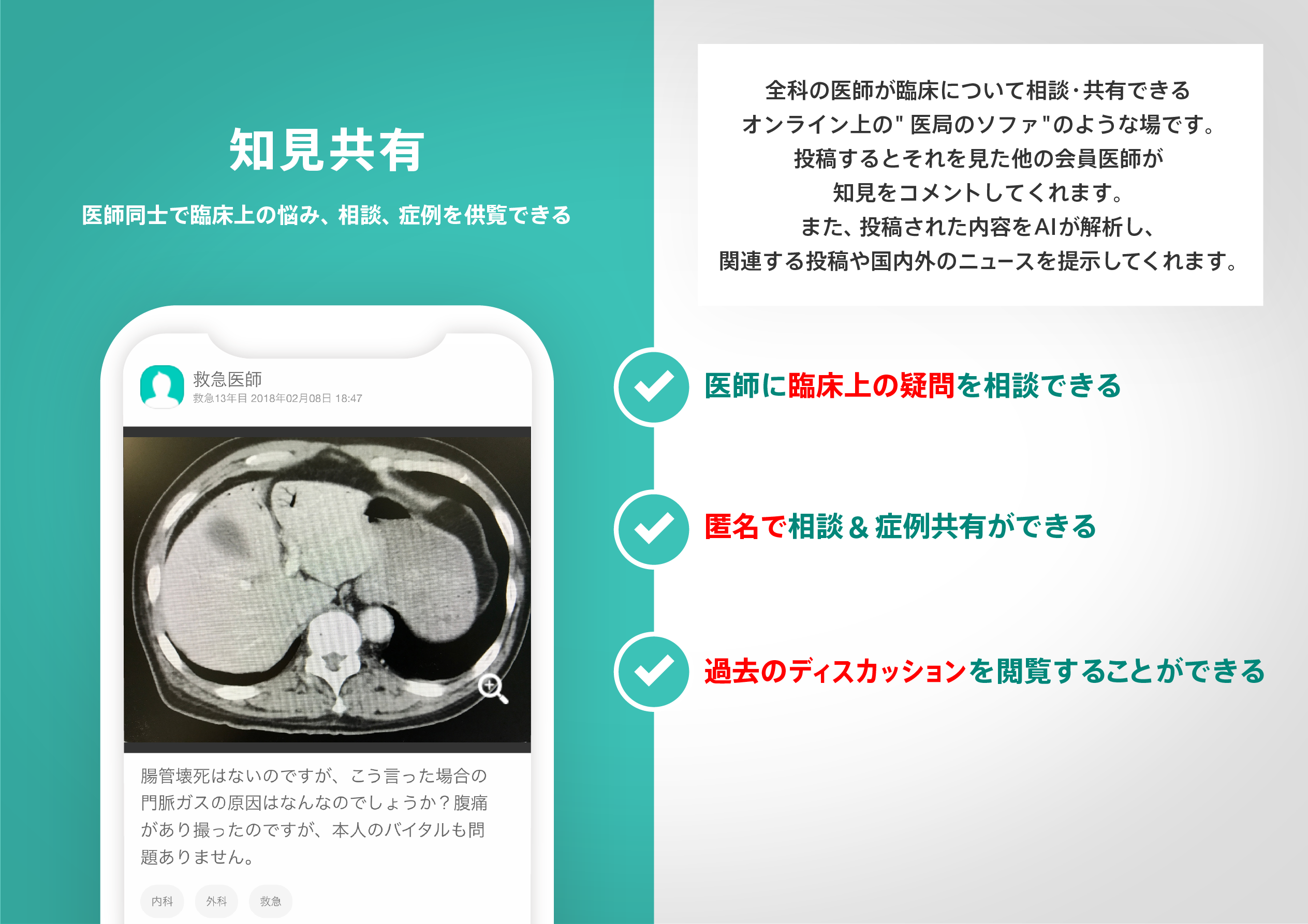
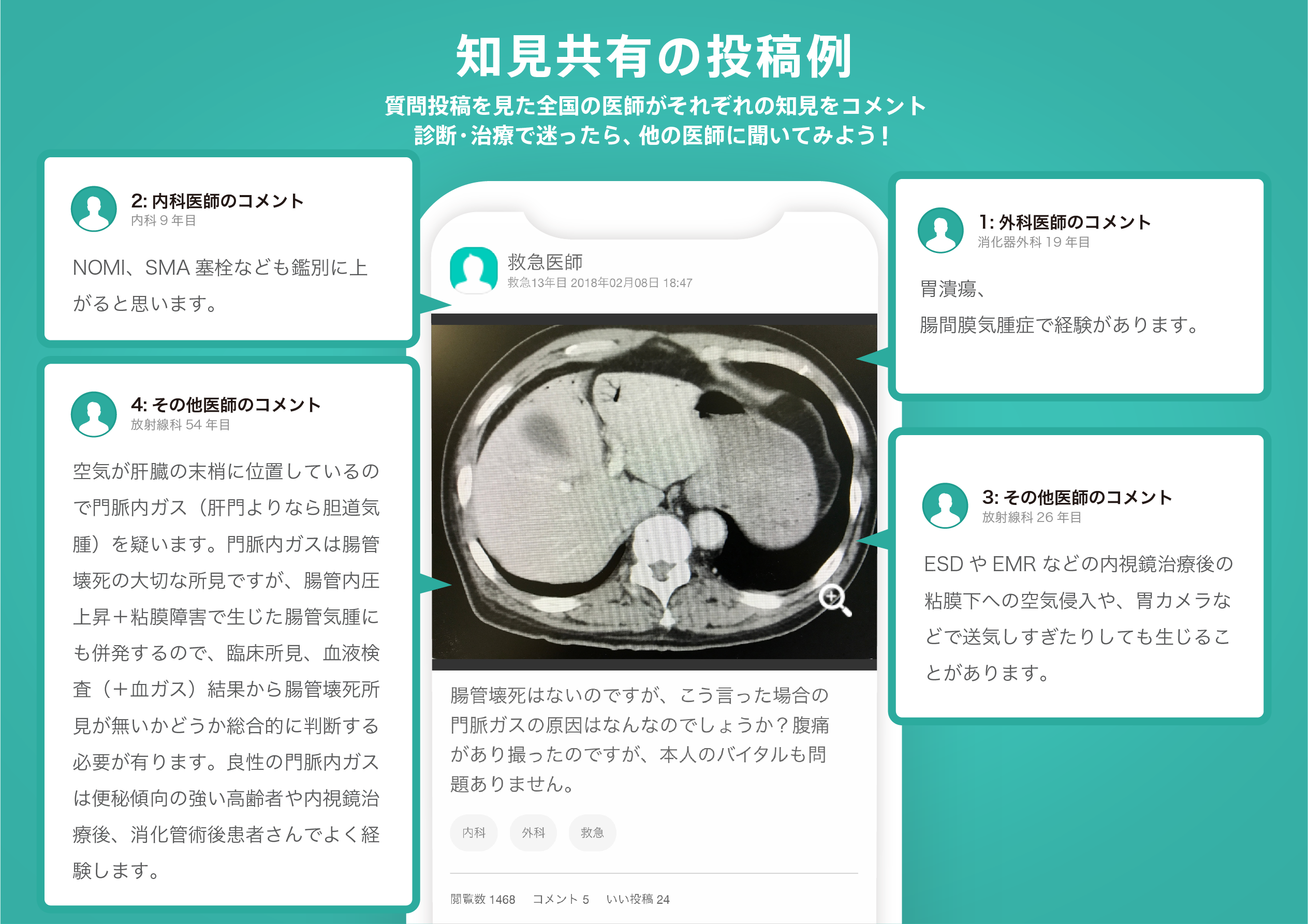
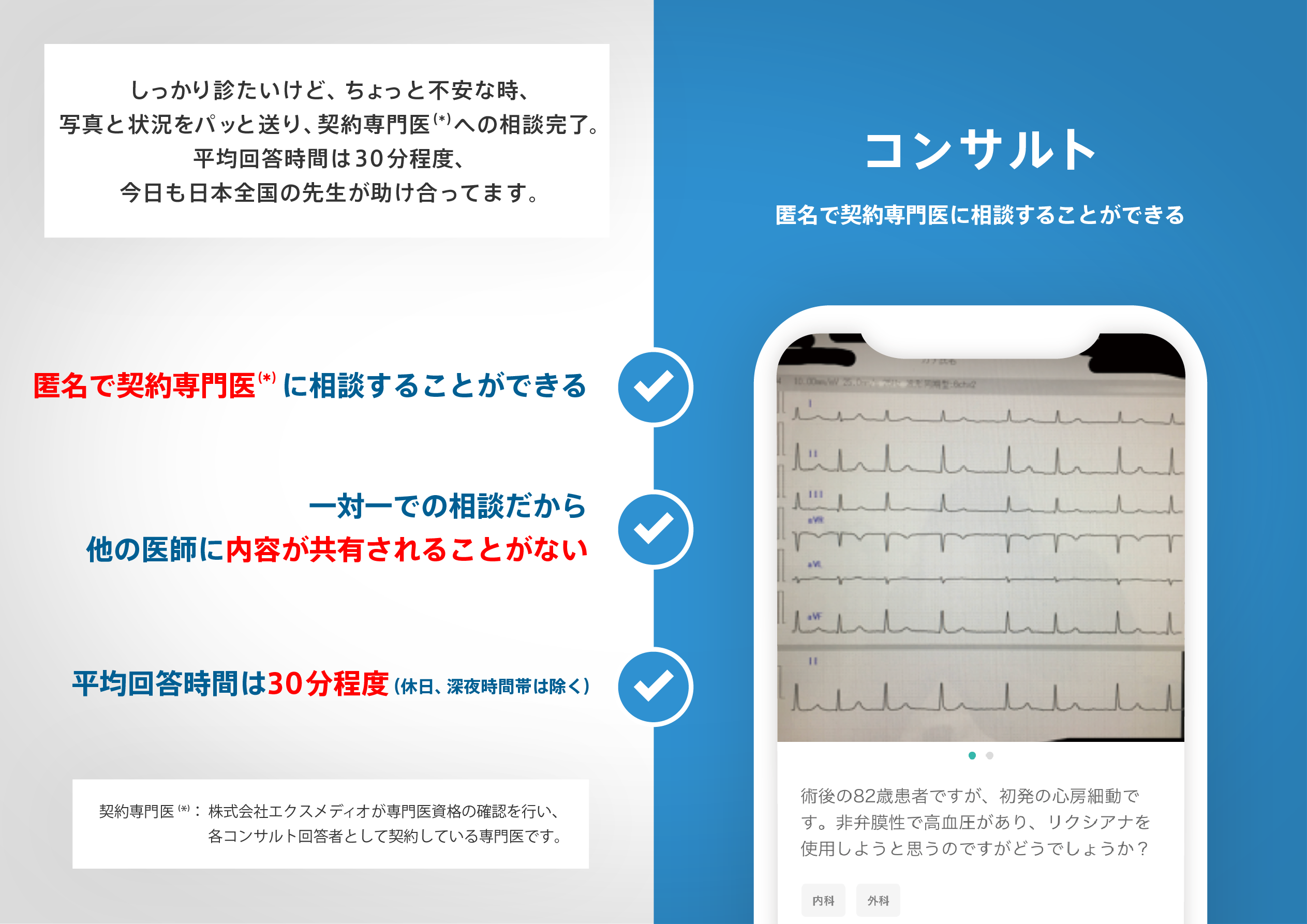
ヒポクラ x マイナビのご紹介

無料会員登録していただくと、さらに便利で効率的な検索が可能になります。