著名医師による解説が無料で読めます
すると翻訳の精度が向上します
輸入されたマラリアのリスクに対処することは、5つのヒト種のマラリア原虫、長期曝露のドナーの半免疫、旅行と移民の増加、風土病地域のリスクの変化、スクリーニングアッセイの制限によって複雑になります。政策の策定に関する洞察を得るために、延期(米国とカナダ)または選択的検査(フランス、イギリス、オーストラリア)を含む異なる政策を持つ5か国の疫学データをまとめました。最大のリスクは、固有の地域の半免疫の元住民からのものですが、充足度(ドナーの損失)への最大の影響は、低リスクの短期旅行によるものです。フランスと英国は、ほとんどのマラリア事件が発生するアフリカへの旅行率が最も高くなっています。英国は、プラズモジウムヴィバックスの症例がより一般的であり、オーストラリアは東南アジアとパプアニューギニアへのインド亜大陸への相当な旅行を持っています。米国とカナダでは、マラリアのリスク旅行は、メキシコやカリブ海などのリスクエリアを低下させることが多いです。データは不完全ですが、主に熱帯熱マラリア原虫とP. Vivaxを輸入しています。輸血を伝達されたマラリアは、過去10年間でまれであり、一般的にP. Falciparumが関与していますが、マラリア原虫の2つの米国の症例がありました。疫学的データの制限による不確実性とドナーの答えへの依存は、政策策定の複雑さの多くを支えています。国間の政策の変動は、疫学的な違いだけでなく、運用上の考慮事項、ドナーの人口統計、規制アプローチ、およびまれな輸血を伝達されたマラリア症例に反応するという国民の圧力も反映しています。テストは、旅行者からの非常に小さなリスクに対処することの運用上の影響を減らし、固有種のすべての住民をテストすることにより、延期よりも改善を提供します。現在の国際規制要件にもかかわらず、懸念や問題が生じた一連の追加と改訂を通じて、ドナーの選択基準が変動すると、ポリシーは「進化」しています。
輸入されたマラリアのリスクに対処することは、5つのヒト種のマラリア原虫、長期曝露のドナーの半免疫、旅行と移民の増加、風土病地域のリスクの変化、スクリーニングアッセイの制限によって複雑になります。政策の策定に関する洞察を得るために、延期(米国とカナダ)または選択的検査(フランス、イギリス、オーストラリア)を含む異なる政策を持つ5か国の疫学データをまとめました。最大のリスクは、固有の地域の半免疫の元住民からのものですが、充足度(ドナーの損失)への最大の影響は、低リスクの短期旅行によるものです。フランスと英国は、ほとんどのマラリア事件が発生するアフリカへの旅行率が最も高くなっています。英国は、プラズモジウムヴィバックスの症例がより一般的であり、オーストラリアは東南アジアとパプアニューギニアへのインド亜大陸への相当な旅行を持っています。米国とカナダでは、マラリアのリスク旅行は、メキシコやカリブ海などのリスクエリアを低下させることが多いです。データは不完全ですが、主に熱帯熱マラリア原虫とP. Vivaxを輸入しています。輸血を伝達されたマラリアは、過去10年間でまれであり、一般的にP. Falciparumが関与していますが、マラリア原虫の2つの米国の症例がありました。疫学的データの制限による不確実性とドナーの答えへの依存は、政策策定の複雑さの多くを支えています。国間の政策の変動は、疫学的な違いだけでなく、運用上の考慮事項、ドナーの人口統計、規制アプローチ、およびまれな輸血を伝達されたマラリア症例に反応するという国民の圧力も反映しています。テストは、旅行者からの非常に小さなリスクに対処することの運用上の影響を減らし、固有種のすべての住民をテストすることにより、延期よりも改善を提供します。現在の国際規制要件にもかかわらず、懸念や問題が生じた一連の追加と改訂を通じて、ドナーの選択基準が変動すると、ポリシーは「進化」しています。
Addressing risk of imported malaria is complicated by 5 human species of Plasmodium, semi-immunity in donors with long-term exposure, increasing travel and immigration, changing risk in endemic areas, and limitations of screening assays. To gain insight into policy formulation, we have compiled epidemiologic data from 5 countries with different policies involving either deferral (the United States and Canada) or selective testing (France, England, and Australia). The greatest risk is from semi-immune former residents of endemic areas, but the greatest impact on sufficiency (donor loss) is from low-risk short-term travel. France and the UK have the highest rates of travel to Africa where most malaria cases originate. The UK has substantial travel to the Indian subcontinent where Plasmodium vivax cases are more common, and Australia, to Southeast Asia and Papua New Guinea. In the United States and Canada, malaria risk travel is more often to lower risk areas such as Mexico and the Caribbean. Each country has imported cases, predominantly Plasmodium falciparum and P. vivax, although data are incomplete. Transfusion-transmitted malaria has been rare over the last 10 years, generally involving P. falciparum, but there were 2 US cases of Plasmodium malariae. Uncertainty due to limitations of epidemiologic data and reliance on donors' answers underpins much of the complexity of policy formulation. Variability in policies between countries reflects not only epidemiologic differences but also operational considerations, donor demographics, regulatory approaches, and public pressure to react to rare transfusion-transmitted malaria cases. Testing reduces the operational impact of addressing the very small risk from travelers and offers improvement over deferral by testing all former residents of endemic areas. Notwithstanding current international regulatory requirements, policies have "evolved" through a series of additions and revisions as concerns and issues arose, with resultant variability in donor selection criteria.
医師のための臨床サポートサービス
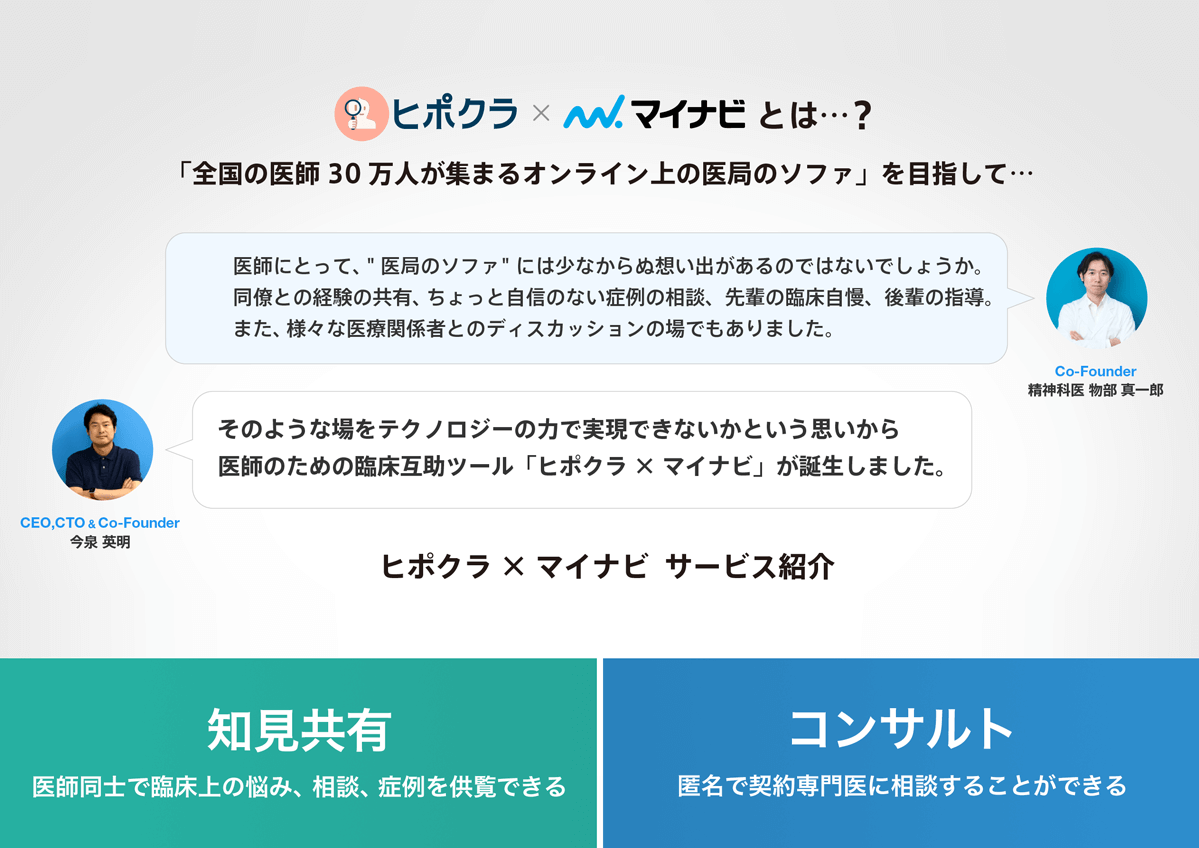
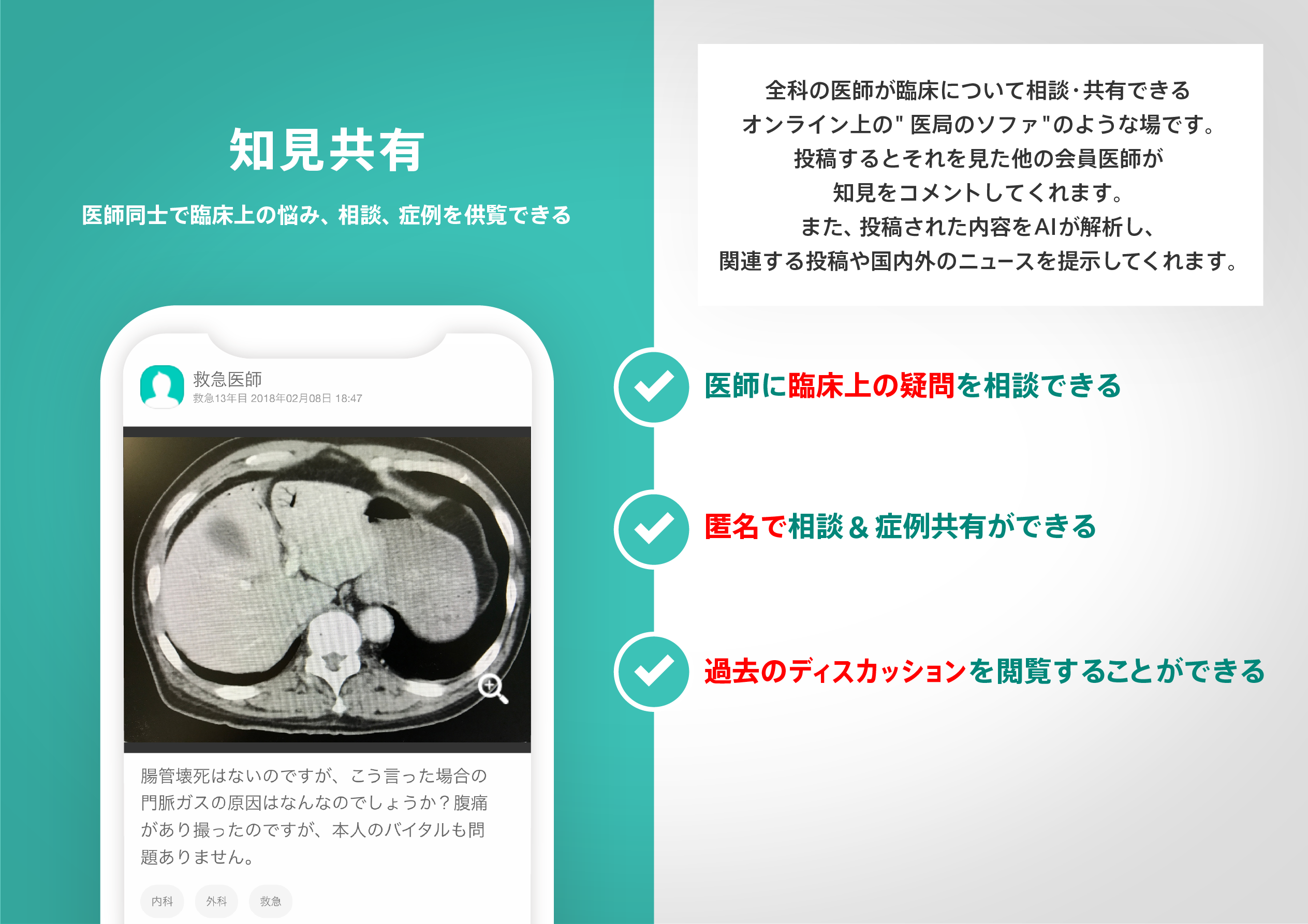
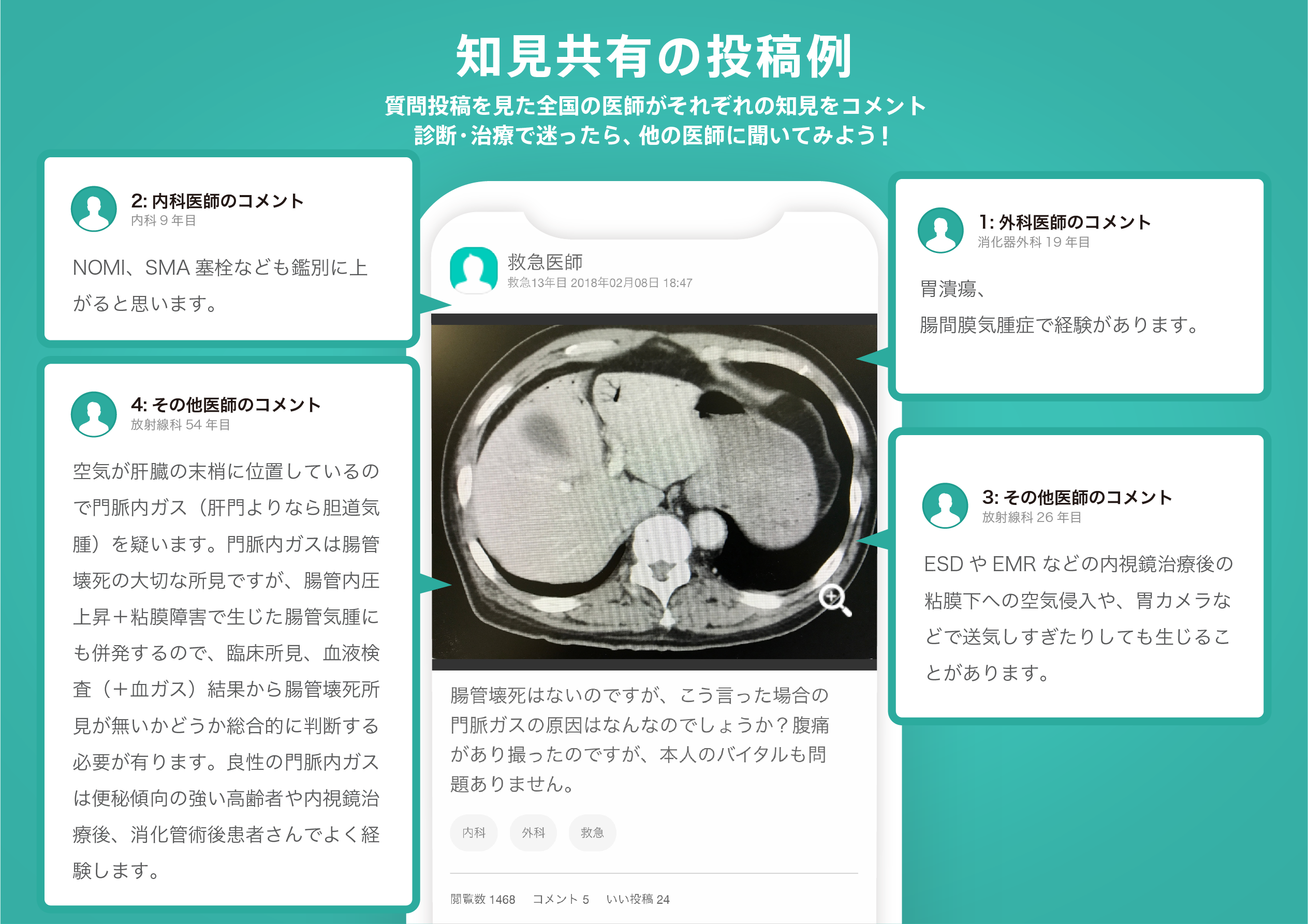
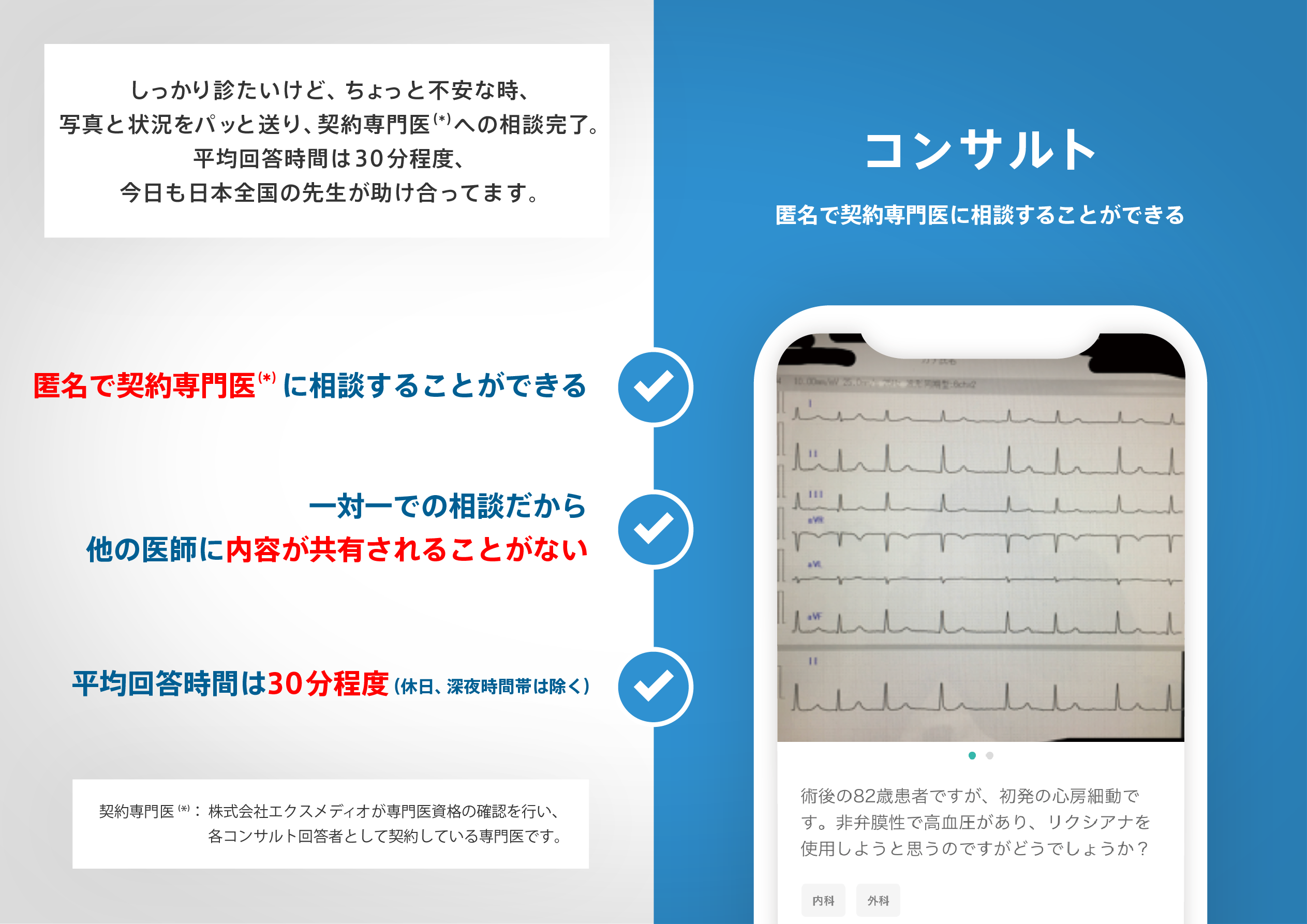
ヒポクラ x マイナビのご紹介

無料会員登録していただくと、さらに便利で効率的な検索が可能になります。