著名医師による解説が無料で読めます
すると翻訳の精度が向上します
過マンガン酸(MNO4( - ))の酸化力は、pH値に強く依存していることが知られており、たとえばMNO4( - )がCl( - )イオンを酸化することさえできる酸性溶液で大幅に増強されています。分子。このような依存性は、異なるpH培地で手頃な価格のMNの異なる縮小状態のために帰属していますが、異なるpH溶液で利用可能な初期酸化還元ペア複合体の分子レベルの理解と特性評価は非常に限られています。ここでは、[MnO4]( - )および[MnO4・Sol]( - )( - )(Sol = H2O、KCl、およびHCl)の比較研究を報告します。[MnO4・Sol]( - )クラスターの電子構造。MNO4( - )が周囲の分子とどのように相互作用するかについての微視的な理解を得ることを目的としたクラスター。私たちの研究は、H2Oが溶媒分子として動作することを示しています。KCLは、それぞれのクラスターのMNO4( - )同一性に影響を与えない純粋な静電相互作用に縛られた観客です。対照的に、[MnO4・hcl]( - )では、プロトンは、かなりの共有共有文字を使用してMnO4( - )とCl( - )の両方と相互作用することがわかり、クラスターのフロンティアMOは両方のMNO4からの寄与で構成されています(- )およびCl( - )部分。したがって、プロトンは化学橋として機能し、2つの負に帯電した酸化還元種をまとめて、親密な酸化還元ペアを形成します。H(+)をMNO4( - )に追加することにより、酸素原子を水分子の形で奪い、MNO4( - )を電子不足MNO3(+)種として残すことができます。)イオン。
過マンガン酸(MNO4( - ))の酸化力は、pH値に強く依存していることが知られており、たとえばMNO4( - )がCl( - )イオンを酸化することさえできる酸性溶液で大幅に増強されています。分子。このような依存性は、異なるpH培地で手頃な価格のMNの異なる縮小状態のために帰属していますが、異なるpH溶液で利用可能な初期酸化還元ペア複合体の分子レベルの理解と特性評価は非常に限られています。ここでは、[MnO4]( - )および[MnO4・Sol]( - )( - )(Sol = H2O、KCl、およびHCl)の比較研究を報告します。[MnO4・Sol]( - )クラスターの電子構造。MNO4( - )が周囲の分子とどのように相互作用するかについての微視的な理解を得ることを目的としたクラスター。私たちの研究は、H2Oが溶媒分子として動作することを示しています。KCLは、それぞれのクラスターのMNO4( - )同一性に影響を与えない純粋な静電相互作用に縛られた観客です。対照的に、[MnO4・hcl]( - )では、プロトンは、かなりの共有共有文字を使用してMnO4( - )とCl( - )の両方と相互作用することがわかり、クラスターのフロンティアMOは両方のMNO4からの寄与で構成されています(- )およびCl( - )部分。したがって、プロトンは化学橋として機能し、2つの負に帯電した酸化還元種をまとめて、親密な酸化還元ペアを形成します。H(+)をMNO4( - )に追加することにより、酸素原子を水分子の形で奪い、MNO4( - )を電子不足MNO3(+)種として残すことができます。)イオン。
The oxidation power of permanganates (MnO4(-)) is known to be strongly dependent on pH values, and is greatly enhanced in acidic solutions, in which, for example, MnO4(-) can even oxidize Cl(-) ions to produce Cl2 molecules. Although such dependence has been ascribed due to the different reduced states of Mn affordable in different pH media, a molecular level understanding and characterization of initial redox pair complexes available in different pH solutions is very limited. Herein, we report a comparative study of [MnO4](-) and [MnO4·Sol](-) (Sol = H2O, KCl, and HCl) anion clusters by negative ion photoelectron spectroscopy (NIPES) and theoretical computations to probe chemical bonding and electronic structures of [MnO4·Sol](-) clusters, aimed to obtain a microscopic understanding of how MnO4(-) interacts with surrounding molecules. Our study shows that H2O behaves as a solvent molecule, KCl is a spectator bound by pure electrostatic interactions, both of which do not influence the MnO4(-) identity in their respective clusters. In contrast, in [MnO4·HCl](-), the proton is found to interact with both MnO4(-) and Cl(-) with appreciable covalent characters, and the frontier MOs of the cluster are comprised of contributions from both MnO4(-) and Cl(-) moieties. Therefore, the proton serves as a chemical bridge, bringing two negatively charged redox species together to form an intimate redox pair. By adding more H(+) to MnO4(-), the oxygen atom can be taken away in the form of a water molecule, leaving MnO4(-) as an electron deficient MnO3(+) species, which can subsequently oxidize Cl(-) ions.
医師のための臨床サポートサービス
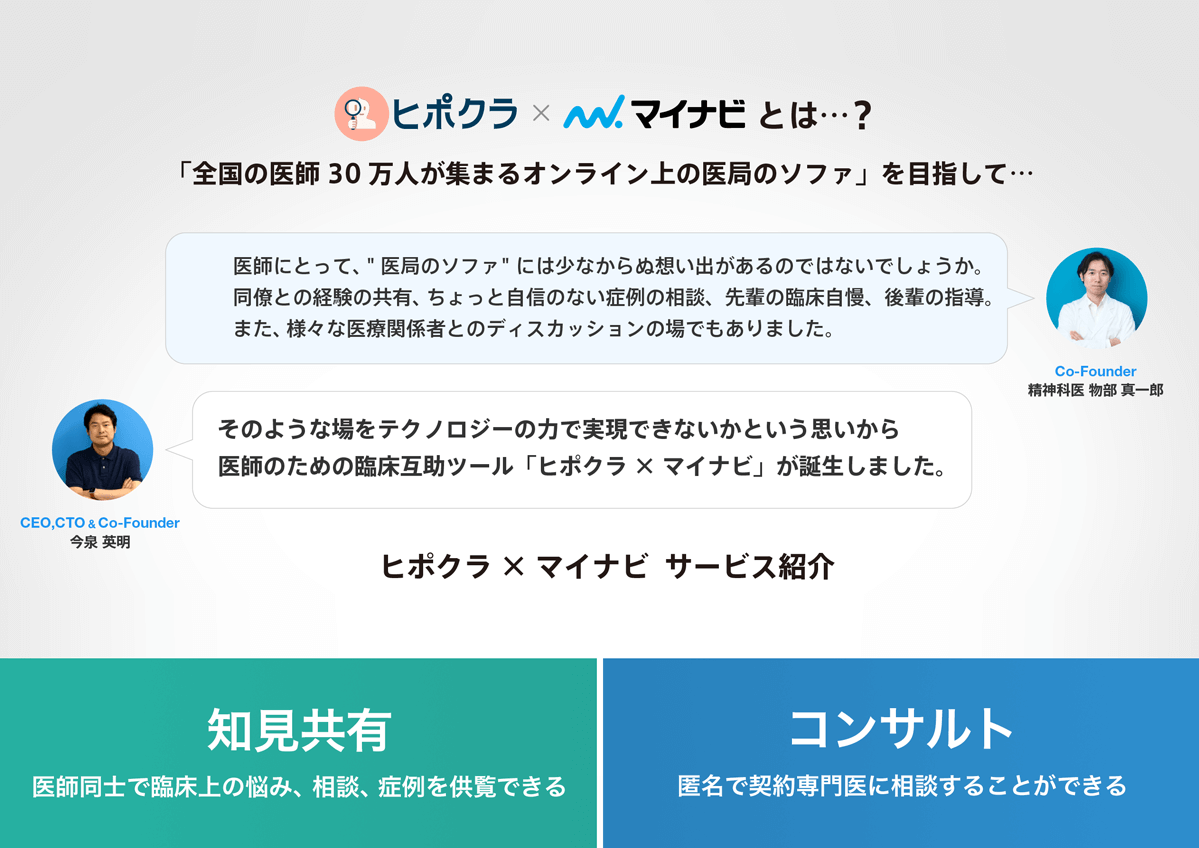
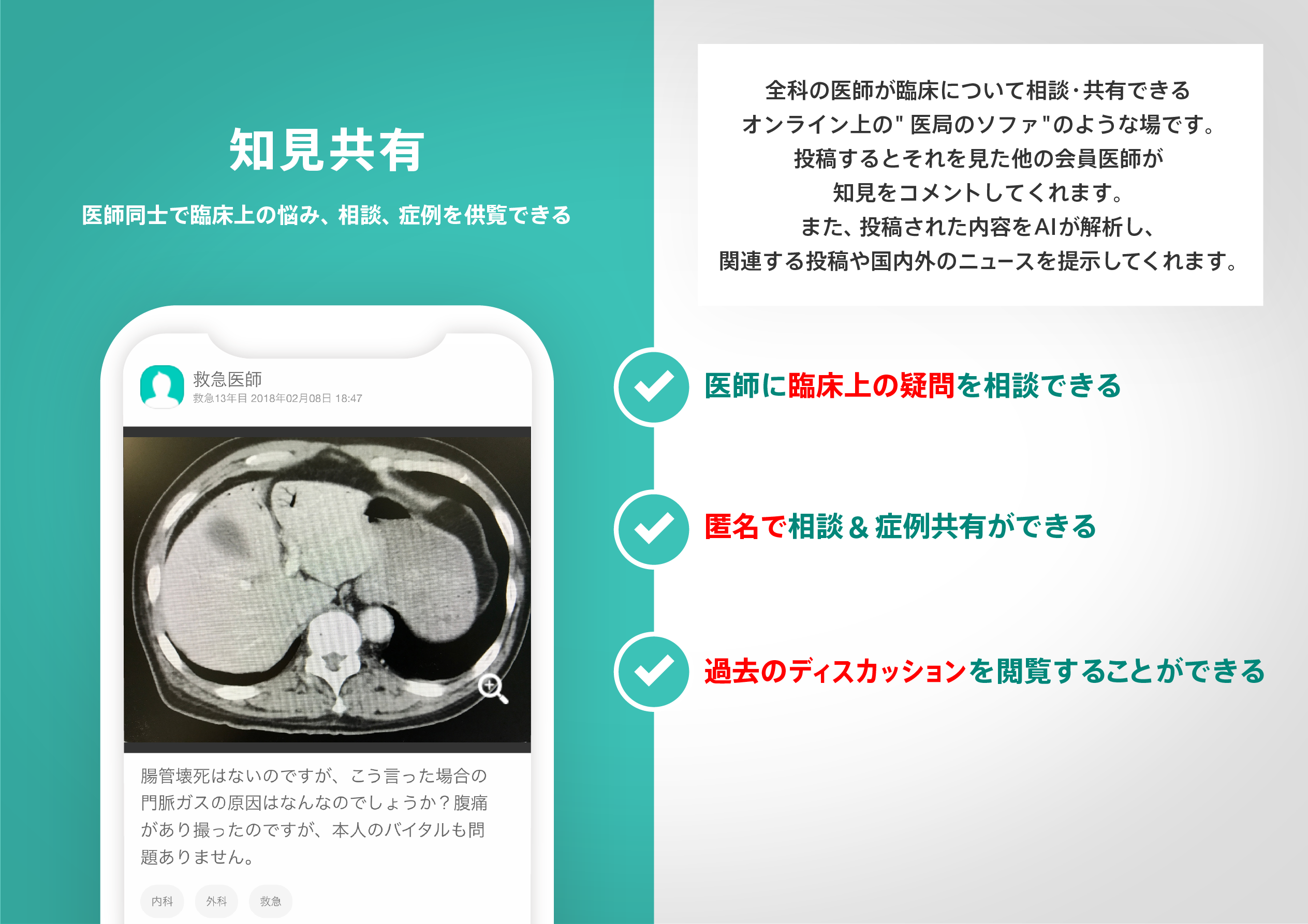
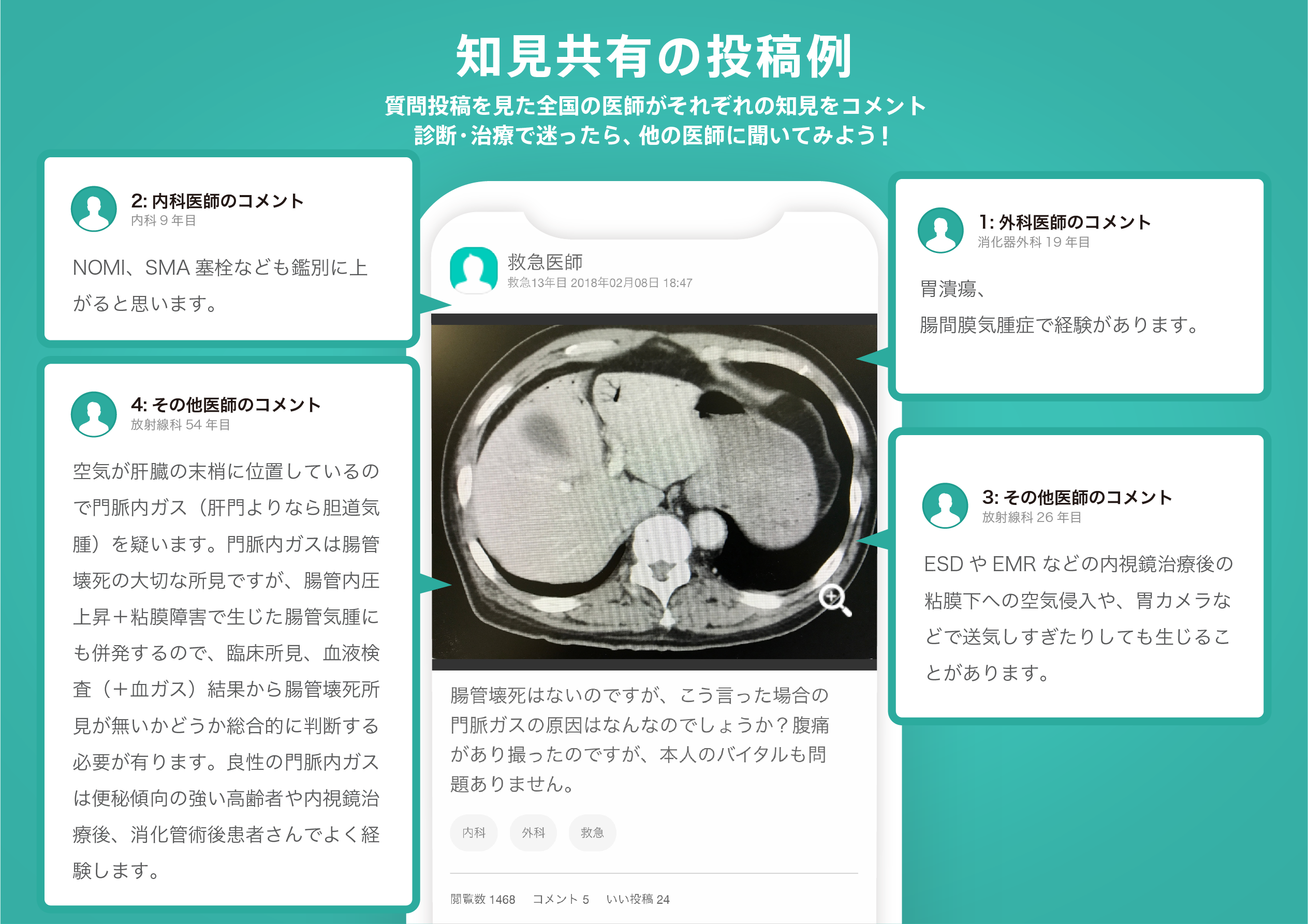
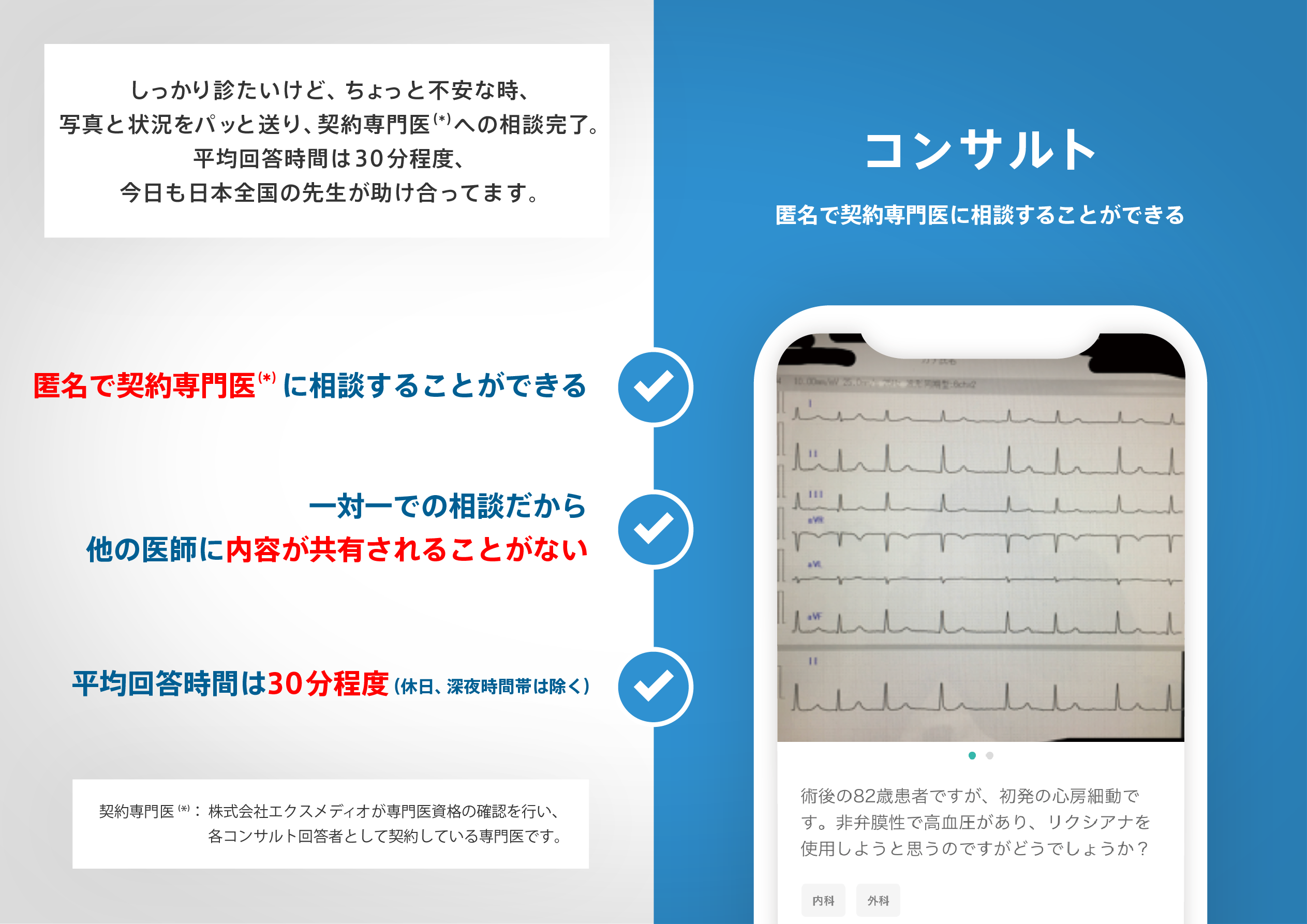
ヒポクラ x マイナビのご紹介

無料会員登録していただくと、さらに便利で効率的な検索が可能になります。