著名医師による解説が無料で読めます
すると翻訳の精度が向上します
メチシリン耐性黄色ブドウ球菌(MRSA)感染およびコロニー形成は、一般的な人間のヘルスケア関連クローンとは異なるMRSA株を含む、馬の獣医病院で深刻な新たな状態になっています。2010年、MRSA SPAタイプT535は、イスラエルの獣医教育病院で馬と職員の両方が関与する発生を引き起こしました。それ以来、監視が続き、時折MRSAの隔離が起こりました。2年後、別のSPAタイプのMRSA、T002は獣医から、3週間後に馬から隔離されました。イスラエルの人間医学の一般的なクローンであるSPAタイプT002の出現は、人員と馬の両方の間で、病院の人員と入院馬のポイントプレバレンス調査を促しました。59人のスタッフ(n = 16馬; n = 43、その他)と14頭の馬がスクリーニングされました。59人のスタッフのうち10人(16.9%)と14頭の馬のうち7人(50%)がMRSAキャリアでした。スタッフのうち、大規模な動物部門(LAD)の44%が、非政権者のわずか7%と比較して、運送業者でした。すべての馬と10人の職員のうち9人からの分離株は、MRSA SPAタイプT002であることがわかりました。このクローンは、入院した馬の感染した術後創傷から後に分離されました。以前のアウトブレイクで行われたように、馬と人員の間の送信を封じ込めるための措置が講じられました。
メチシリン耐性黄色ブドウ球菌(MRSA)感染およびコロニー形成は、一般的な人間のヘルスケア関連クローンとは異なるMRSA株を含む、馬の獣医病院で深刻な新たな状態になっています。2010年、MRSA SPAタイプT535は、イスラエルの獣医教育病院で馬と職員の両方が関与する発生を引き起こしました。それ以来、監視が続き、時折MRSAの隔離が起こりました。2年後、別のSPAタイプのMRSA、T002は獣医から、3週間後に馬から隔離されました。イスラエルの人間医学の一般的なクローンであるSPAタイプT002の出現は、人員と馬の両方の間で、病院の人員と入院馬のポイントプレバレンス調査を促しました。59人のスタッフ(n = 16馬; n = 43、その他)と14頭の馬がスクリーニングされました。59人のスタッフのうち10人(16.9%)と14頭の馬のうち7人(50%)がMRSAキャリアでした。スタッフのうち、大規模な動物部門(LAD)の44%が、非政権者のわずか7%と比較して、運送業者でした。すべての馬と10人の職員のうち9人からの分離株は、MRSA SPAタイプT002であることがわかりました。このクローンは、入院した馬の感染した術後創傷から後に分離されました。以前のアウトブレイクで行われたように、馬と人員の間の送信を封じ込めるための措置が講じられました。
Methicillin-resistant Staphylococcus aureus (MRSA) infection and colonization, involving MRSA strains which differ from common human health care-associated clones, have become serious emerging conditions in equine veterinary hospitals. In 2010, MRSA spa type t535 caused an outbreak involving both horses and personnel in a veterinary teaching hospital in Israel. Since then, surveillance continued, and occasional MRSA isolation occurred. Two years later, MRSA of another spa type, t002, was isolated from a veterinarian and, 3 weeks later, from a horse. The appearance of spa type t002, a common clone in human medicine in Israel, among both personnel and horses, prompted a point-prevalence survey of hospital personnel and hospitalized horses. Fifty-nine staff members (n = 16 equine; n = 43, other) and 14 horses were screened. Ten of 59 staff members (16.9%) and 7 of 14 horses (50%) were MRSA carriers. Among the staff, 44% of large animal department (LAD) personnel, compared with only 7% of non-LAD personnel, were carriers. Isolates from all horses and from 9 of 10 personnel were found to be of MRSA spa type t002. This clone was later isolated from an infected postoperative wound in a hospitalized horse. Measures were taken to contain transmission between horses and personnel, as was done in the previous outbreak, resulting in reduction of transmission and, finally, cessation of cross-transmission between horses and personnel.
医師のための臨床サポートサービス
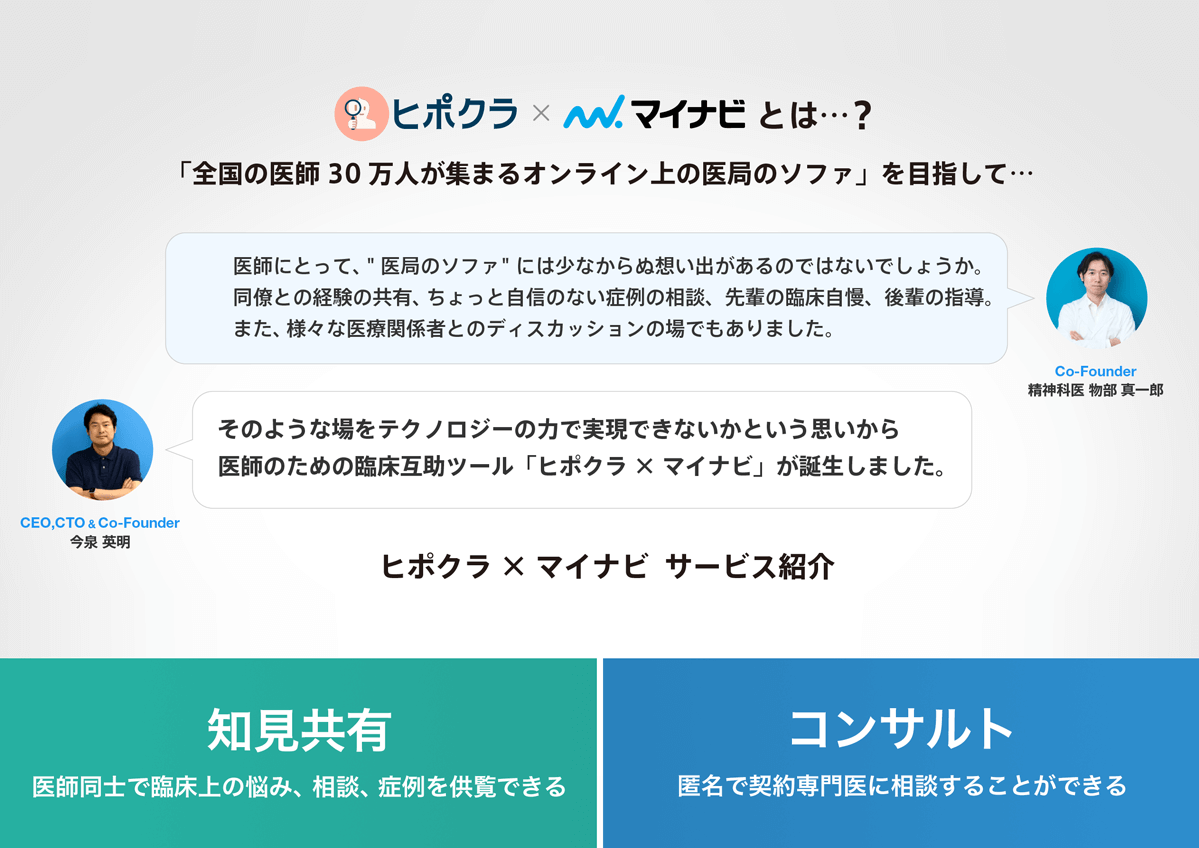
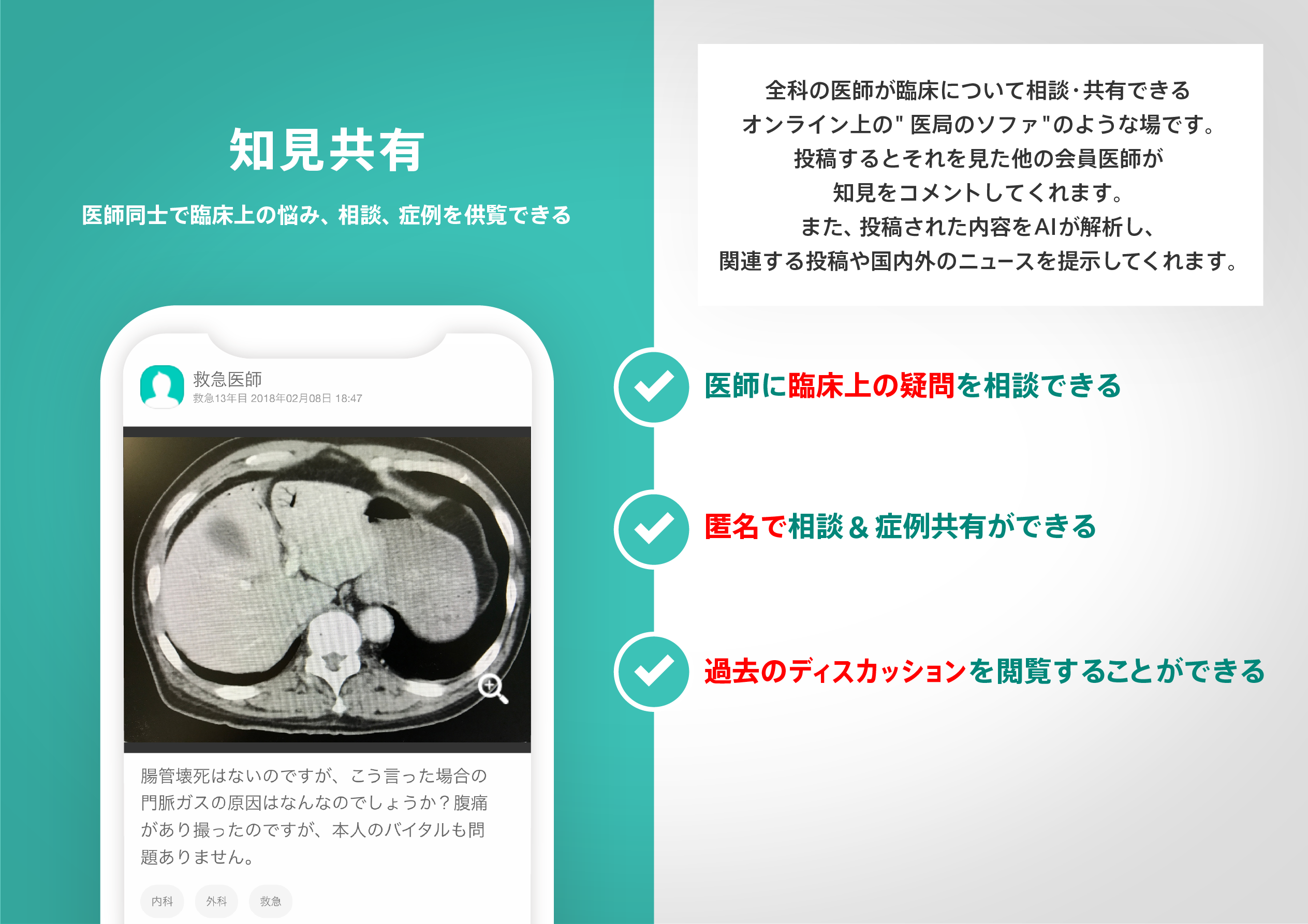
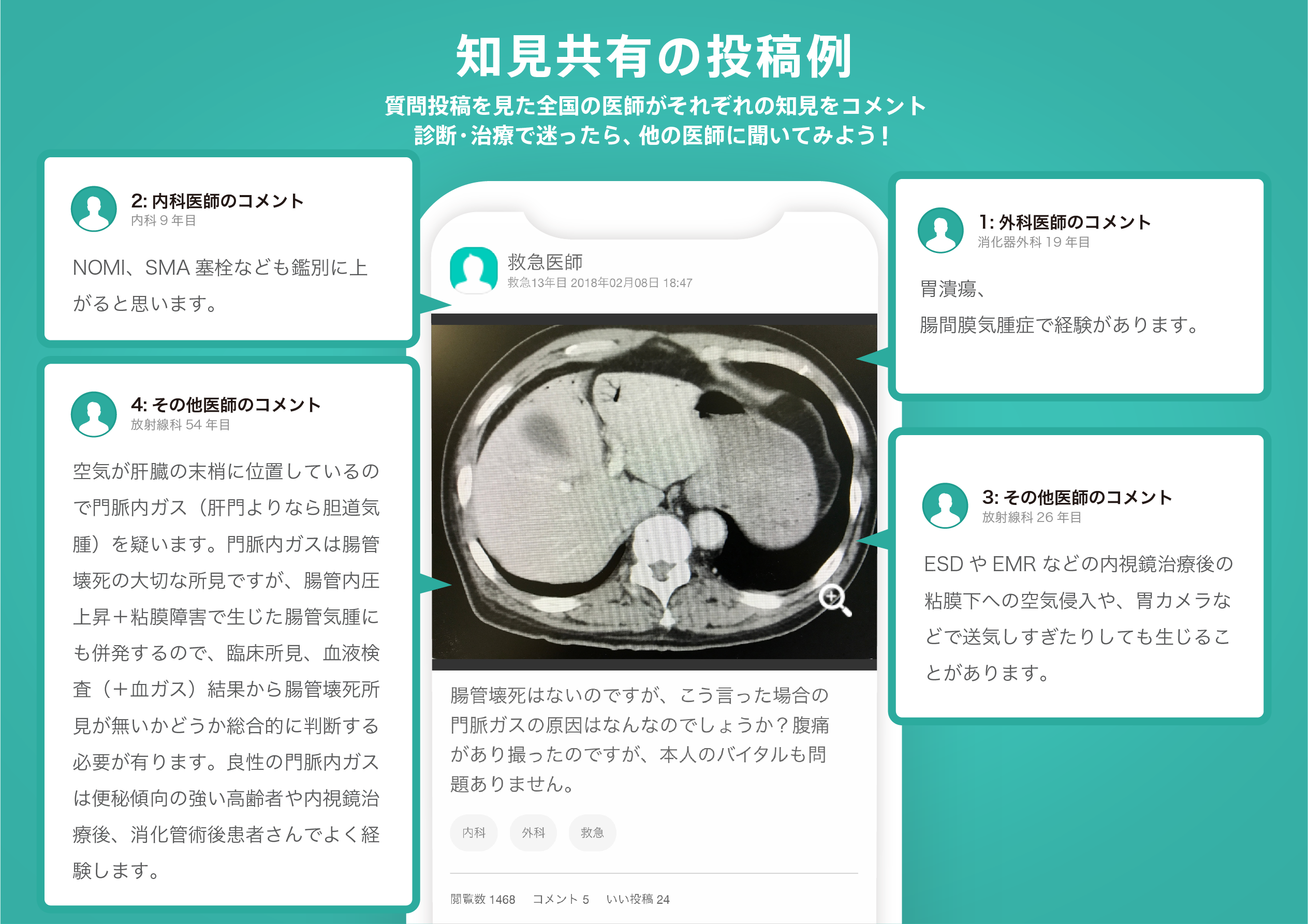
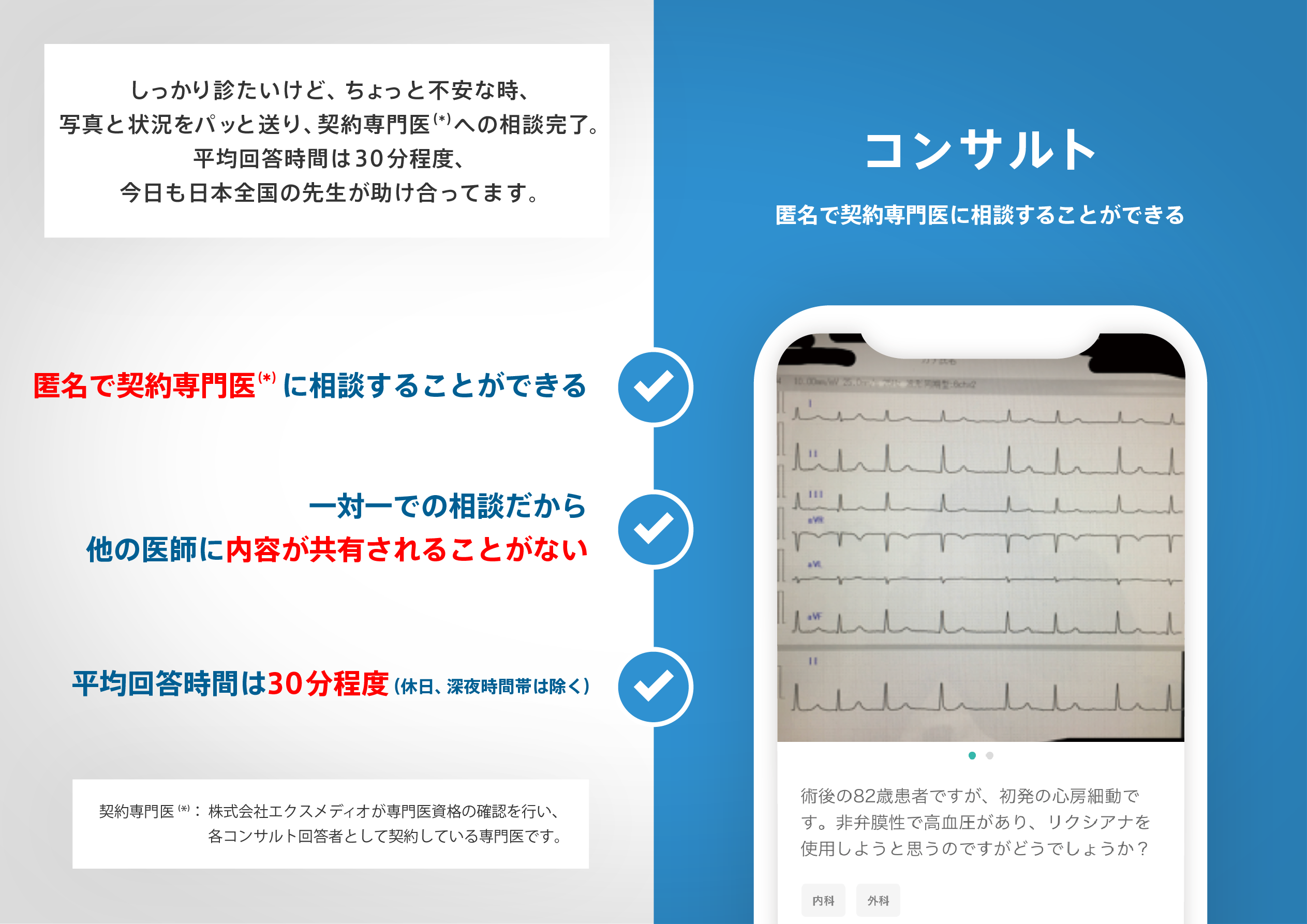
ヒポクラ x マイナビのご紹介

無料会員登録していただくと、さらに便利で効率的な検索が可能になります。