著名医師による解説が無料で読めます
すると翻訳の精度が向上します
背景:性感染症は不妊の主な原因です。ヒトパピローマウイルス(HPV)感染は、女性性器の最も一般的なウイルス感染の1つです。HPVの出生率に対する影響を調査した研究の数は限られており、その影響は議論の余地があります。 目的:子宮内授精(IUI)後の子宮頸部HPV感染と妊娠結果との関係を調査しました。他の性感染症も転帰に影響を与える可能性があるため、妊娠トリコモナス膣(TV)とクラミジアトラコマチス(CT)の影響も分析しました。 方法:2010年から2014年の間にAMLで1,529のIUIサイクルを受けた590人の女性の遡及的分析を実施しました。CT状態は、血清サンプル上のIgA/IgG抗体の検出、または頸部スワブ上のPCRによって確認されました。 結果:IUIサイクルあたりのHPV有病率は、CTで11.0および6.9%でした。テレビで陽性の女性はいませんでした。HPV陽性の女性は、IUI後に妊娠する可能性が6倍低かった(1.87対11.36%; P = 0.0041)。CTの病歴の有無にかかわらず女性の間で妊娠率に有意な差はありませんでした(8.51対11.10%; P> 0.05)。 結論:HPVの検出は、負のIUI結果に関連しています。
背景:性感染症は不妊の主な原因です。ヒトパピローマウイルス(HPV)感染は、女性性器の最も一般的なウイルス感染の1つです。HPVの出生率に対する影響を調査した研究の数は限られており、その影響は議論の余地があります。 目的:子宮内授精(IUI)後の子宮頸部HPV感染と妊娠結果との関係を調査しました。他の性感染症も転帰に影響を与える可能性があるため、妊娠トリコモナス膣(TV)とクラミジアトラコマチス(CT)の影響も分析しました。 方法:2010年から2014年の間にAMLで1,529のIUIサイクルを受けた590人の女性の遡及的分析を実施しました。CT状態は、血清サンプル上のIgA/IgG抗体の検出、または頸部スワブ上のPCRによって確認されました。 結果:IUIサイクルあたりのHPV有病率は、CTで11.0および6.9%でした。テレビで陽性の女性はいませんでした。HPV陽性の女性は、IUI後に妊娠する可能性が6倍低かった(1.87対11.36%; P = 0.0041)。CTの病歴の有無にかかわらず女性の間で妊娠率に有意な差はありませんでした(8.51対11.10%; P> 0.05)。 結論:HPVの検出は、負のIUI結果に関連しています。
BACKGROUND: Sexually transmitted infections are a major cause of infertility. Human papillomavirus (HPV) infection is one of the most common viral infections of the female genital tract. Only a limited number of studies have investigated the influence of HPV on fertility and its impact remains controversial. OBJECTIVE: We investigated the relationship between cervical HPV infection and pregnancy outcome after intrauterine insemination (IUI). Since other sexually transmitted infections could also influence outcome, we also analyzed the influence of Trichomonas vaginalis (TV) and Chlamydia trachomatis (CT) on pregnancy outcome. METHODS: We performed a retrospective analysis of 590 women who underwent 1,529 IUI cycles at AML between 2010 and 2014. Positivity of 18 different HPV types (6, 11, 16, 18, 31, 33, 35, 39, 45, 51, 52, 53, 56, 58, 59, 66, 67, 68) and TV was assessed by PCR in cervical cytology specimens. CT status was ascertained by detection of IgA/IgG antibodies on serum samples or by PCR on cervical swabs. RESULTS: The HPV prevalence per IUI cycle was 11.0 and 6.9% for CT; none of the women tested positive for TV. HPV-positive women were six times less likely to become pregnant after IUI (1.87 vs. 11.36%; p = 0.0041). There was no significant difference in pregnancy rates between women with or without a history of CT (8.51 vs. 11.10%; p > 0.05). CONCLUSION: Detection of HPV is associated with a negative IUI outcome.
医師のための臨床サポートサービス
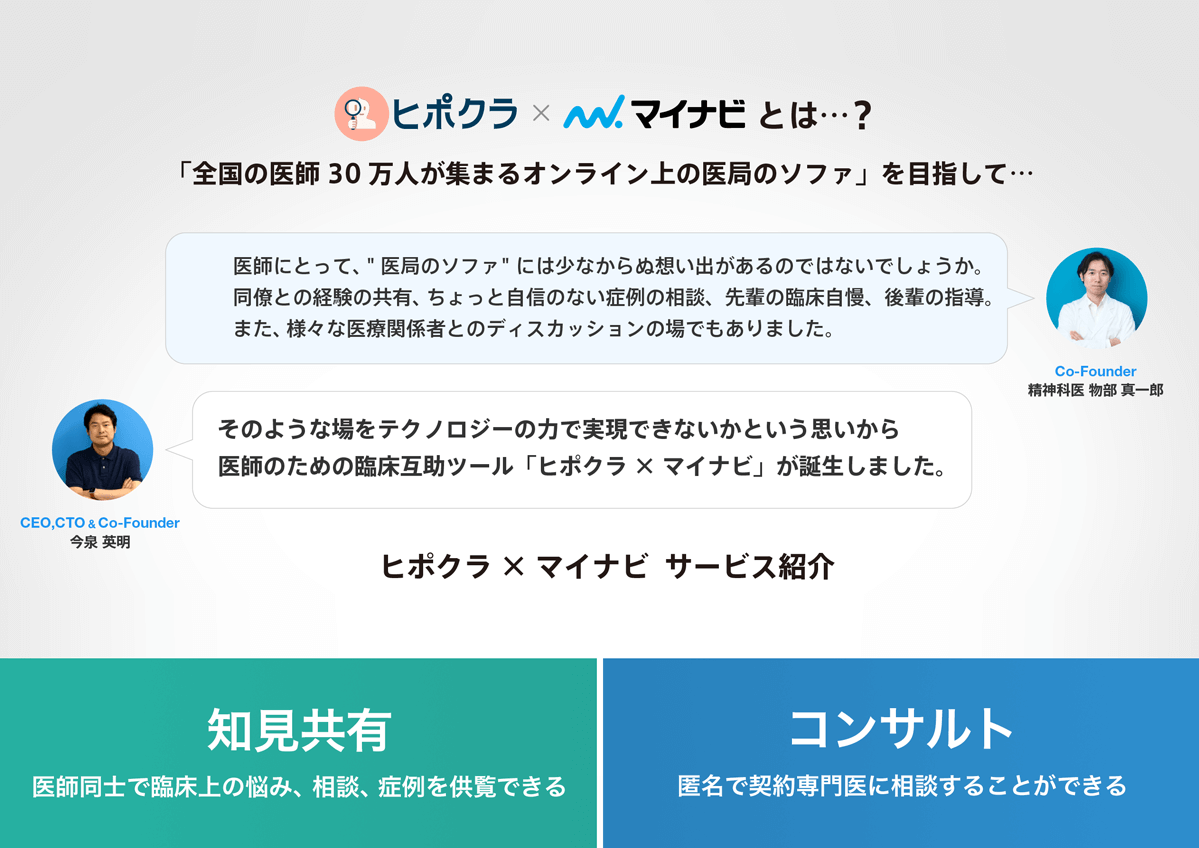
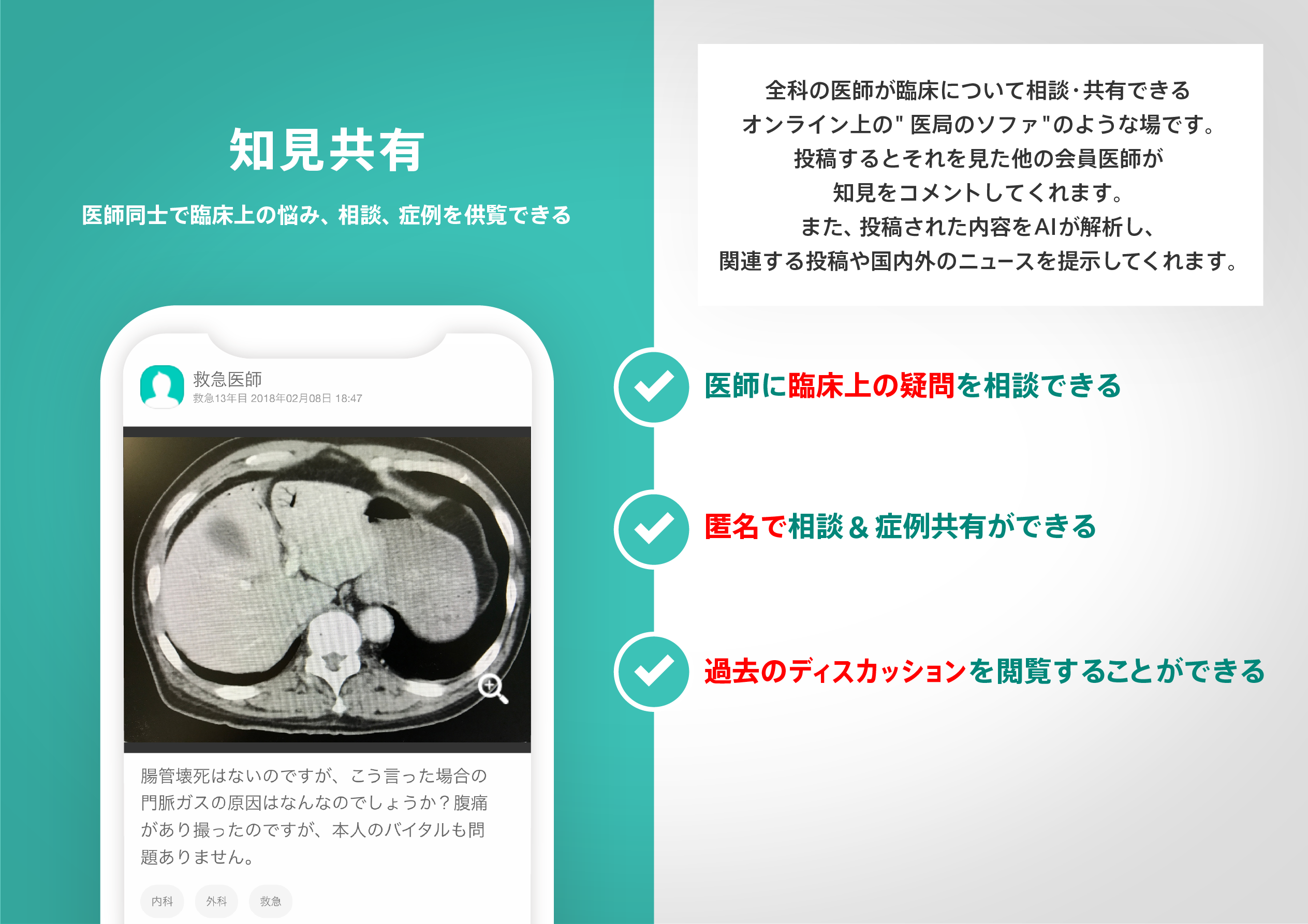
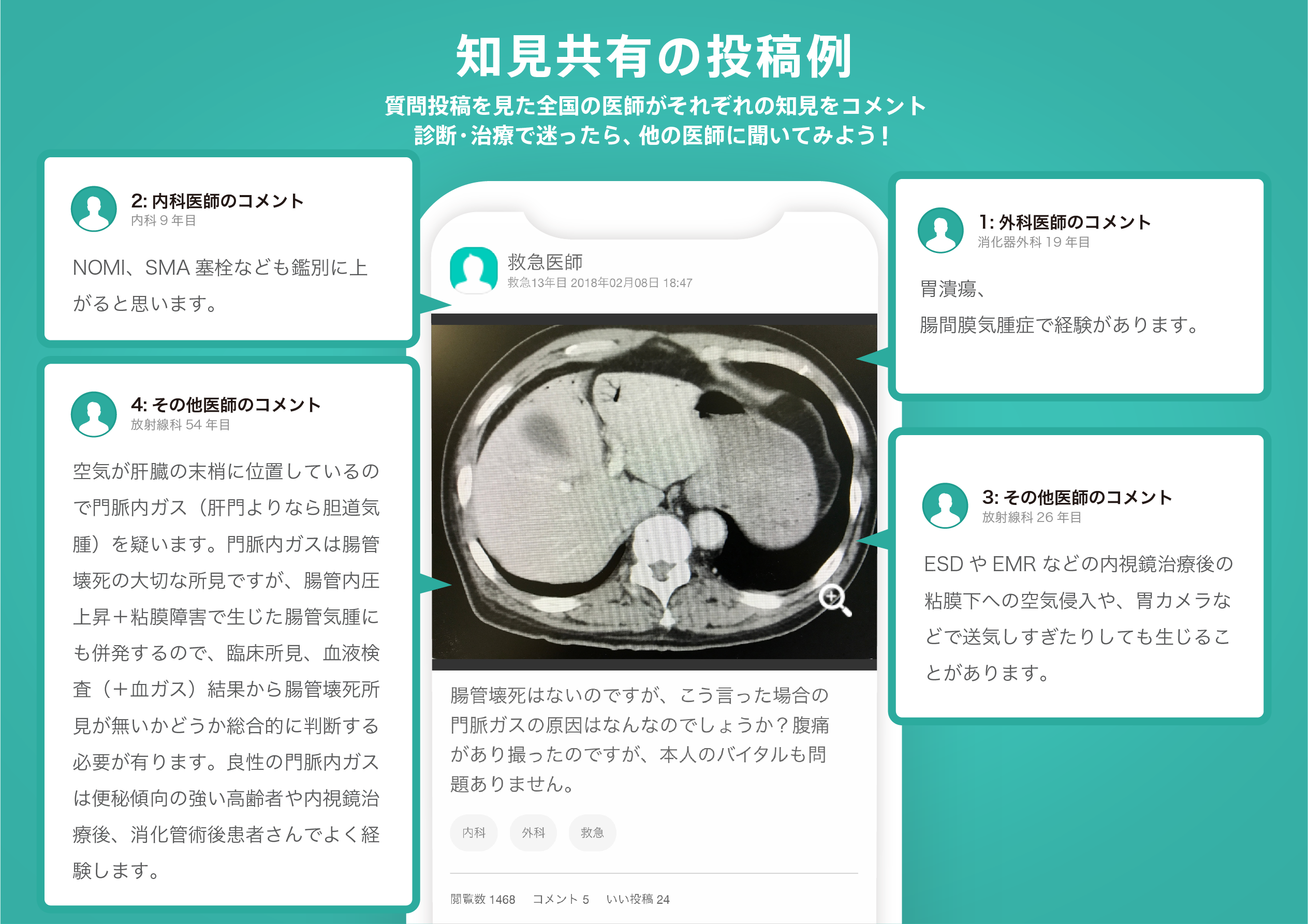
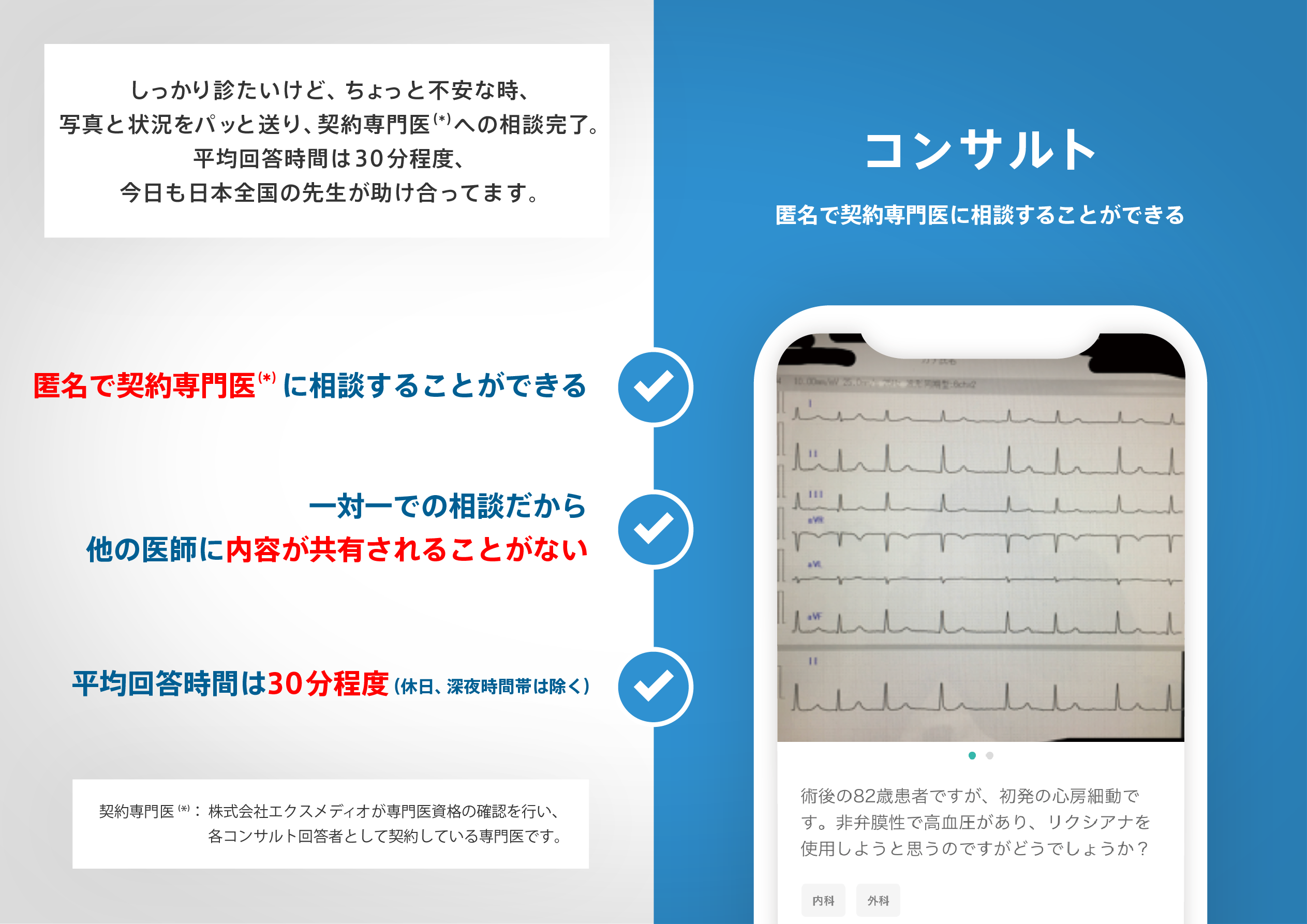
ヒポクラ x マイナビのご紹介

無料会員登録していただくと、さらに便利で効率的な検索が可能になります。