著名医師による解説が無料で読めます
すると翻訳の精度が向上します
目的:私たちの目的は、肩甲骨のnotchingの発生率と最終的な臨床的および放射線学的結果に関する逆肩関節形成術(RSA)における回転中心(COR)の金属方向性の影響を評価することでした。 方法:アリスリジンの/なしで大規模な回旋腱板裂傷のために移植された左右のデザイン(矢印、FH整形外科、マルハウス、フランス)で140のRSAを分析しました。平均フォローアップは45か月でした(範囲24-120、標準偏差20)。患者は、Constant and Murley(Clin Orthop Relat Res 214:160-164、1987)スコアと活性範囲(ROM)を使用して臨床的に評価され、標準的な前脊柱およびx窩ビューを使用して放射線学的に評価されました。Sirveaux分類Simovitch et al。(J Bone Joint Surg AM、89:588-600、2007)、および患者を2つのグループ(肩甲骨界/肩甲骨のノッチ)に分離し、比較しました。 結果:41のノッチ(29%)が見つかりました:20グレード1、18グレード2、3つのグレード3。最後の2年間で進化しません。より良い術前機能は、肩甲骨のノッチングと有意に関連していました(屈曲と誘導の場合はp <0,05)が、グループ間でROMと一定のスコアの最終的な臨床差は見られませんでした。ボディマス指数(BMI)<30は、肩甲骨ノッチングのリスクを増加させました。これは、BMI未満の患者の43%とBMI> 30 p = 0,048の患者の30%で観察されました。術前狭窄部門の絞り込みは、肩甲骨のノッチングのリスクを増加させましたが、年齢や性別は影響を与えませんでした。ただし、支配的な側で手術を受けた患者には、かなり多くの肩甲骨ノッチがありました(p = 0,04)。グループ間で横方向のオフセットに有意な差は見つかりませんでした(p = 0,99)。過度に高い位置(p = 0,033)および下傾け(p = 0,0029)のグレノイド移植(p = 0,0029)は、肩甲骨のノッチングと有意に関連していました。 結論:このシリーズでは、RSAにおけるCORの金属の側方化は臨床結果を損なうことはなく、患者は回転の良好な屈曲回復ROMの増加を達成しました。RSAにおけるCORの金属の側方化は、より内側化されたCORを持つ他の関節障害システムを使用した以前に報告された結果と比較して、肩甲骨ノッチングの発生率が低くなります(29%)。ただし、肩甲骨のノッチは完全に排除されていませんが、発見されたものは時間の経過とともに進化しませんでした。いくつかの要因が肩甲骨のノッチングの発生率を増加させました:BMI <30、より良い術前ROM、過度に高いグレノイドインプラント、および下傾けの欠如。
目的:私たちの目的は、肩甲骨のnotchingの発生率と最終的な臨床的および放射線学的結果に関する逆肩関節形成術(RSA)における回転中心(COR)の金属方向性の影響を評価することでした。 方法:アリスリジンの/なしで大規模な回旋腱板裂傷のために移植された左右のデザイン(矢印、FH整形外科、マルハウス、フランス)で140のRSAを分析しました。平均フォローアップは45か月でした(範囲24-120、標準偏差20)。患者は、Constant and Murley(Clin Orthop Relat Res 214:160-164、1987)スコアと活性範囲(ROM)を使用して臨床的に評価され、標準的な前脊柱およびx窩ビューを使用して放射線学的に評価されました。Sirveaux分類Simovitch et al。(J Bone Joint Surg AM、89:588-600、2007)、および患者を2つのグループ(肩甲骨界/肩甲骨のノッチ)に分離し、比較しました。 結果:41のノッチ(29%)が見つかりました:20グレード1、18グレード2、3つのグレード3。最後の2年間で進化しません。より良い術前機能は、肩甲骨のノッチングと有意に関連していました(屈曲と誘導の場合はp <0,05)が、グループ間でROMと一定のスコアの最終的な臨床差は見られませんでした。ボディマス指数(BMI)<30は、肩甲骨ノッチングのリスクを増加させました。これは、BMI未満の患者の43%とBMI> 30 p = 0,048の患者の30%で観察されました。術前狭窄部門の絞り込みは、肩甲骨のノッチングのリスクを増加させましたが、年齢や性別は影響を与えませんでした。ただし、支配的な側で手術を受けた患者には、かなり多くの肩甲骨ノッチがありました(p = 0,04)。グループ間で横方向のオフセットに有意な差は見つかりませんでした(p = 0,99)。過度に高い位置(p = 0,033)および下傾け(p = 0,0029)のグレノイド移植(p = 0,0029)は、肩甲骨のノッチングと有意に関連していました。 結論:このシリーズでは、RSAにおけるCORの金属の側方化は臨床結果を損なうことはなく、患者は回転の良好な屈曲回復ROMの増加を達成しました。RSAにおけるCORの金属の側方化は、より内側化されたCORを持つ他の関節障害システムを使用した以前に報告された結果と比較して、肩甲骨ノッチングの発生率が低くなります(29%)。ただし、肩甲骨のノッチは完全に排除されていませんが、発見されたものは時間の経過とともに進化しませんでした。いくつかの要因が肩甲骨のノッチングの発生率を増加させました:BMI <30、より良い術前ROM、過度に高いグレノイドインプラント、および下傾けの欠如。
PURPOSE: Our purpose was to evaluate the influence of metallic lateralisation of the centre of rotation (COR) in reverse shoulder arthroplasty (RSA) on the incidence of scapular notching and its eventual clinical and radiological consequences. METHODS: We analysed 140 RSAs with a lateralised design (Arrow, FH Orthopedics, Mulhouse, France) implanted for massive rotator cuff tear with/without arthritis. Mean follow-up was 45 months (range 24-120, standard deviation 20). Patients were evaluated clinically using the Constant and Murley (Clin Orthop Relat Res 214:160-164, 1987) score and active range of motion (ROM) and radiologically using standard anteroposterior and axillary view. Scapular notching was assessed according to Sirveaux classification Simovitch et al. (J Bone Joint Surg Am, 89:588-600, 2007), and patients were separated into two groups (scapular notch/no scapular notch) and compared. RESULTS: Forty-one notches (29 %) were found: 20 grade 1, 18 grade 2, and three grade 3. The latter three patients had a follow-up of 44, 70 and 84 months, respectively, and the scapular notch did not evolve in the final two years. Better pre-operative function was significantly associated with scapular notching (p < 0,05 for flexion and abduction), but no final clinical differences in ROM and Constant score were found between groups. A body mass index (BMI) <30 increased the risk of scapular notching, which was observed in 43 % of patients with a BMI < 30 and 30 % of patients with a BMI > 30 p = 0,048). Pre-operative narrowing of the subacromial space increased the risk of scapular notching, but age or gender showed no influence. However, there was a significantly greater number of scapular notches in patients operated on the dominant side (p = 0,04). No significant difference in lateral offset was found between groups (p = 0,99). Glenoid implantation in an excessively high position (p = 0,033) and absence of inferior tilt (p = 0,0029) were significantly associated with scapular notching. CONCLUSIONS: In this series, metallic lateralisation of the COR in RSA did not impair clinical results, with patients achieving good flexion recovery ROM increase in rotations. Metallic lateralisation of the COR in RSA leads to a lower incidence of scapular notching (29 %) compared with previously reported results using other arthroplastic systems with a more medialised COR. However, although scapular notching was not totally eliminated, those that were found did not evolve over time. Several factors increased the incidence of scapular notching: BMI <30, better preoperative ROM, an excessively high glenoid implant and absence of inferior tilt.
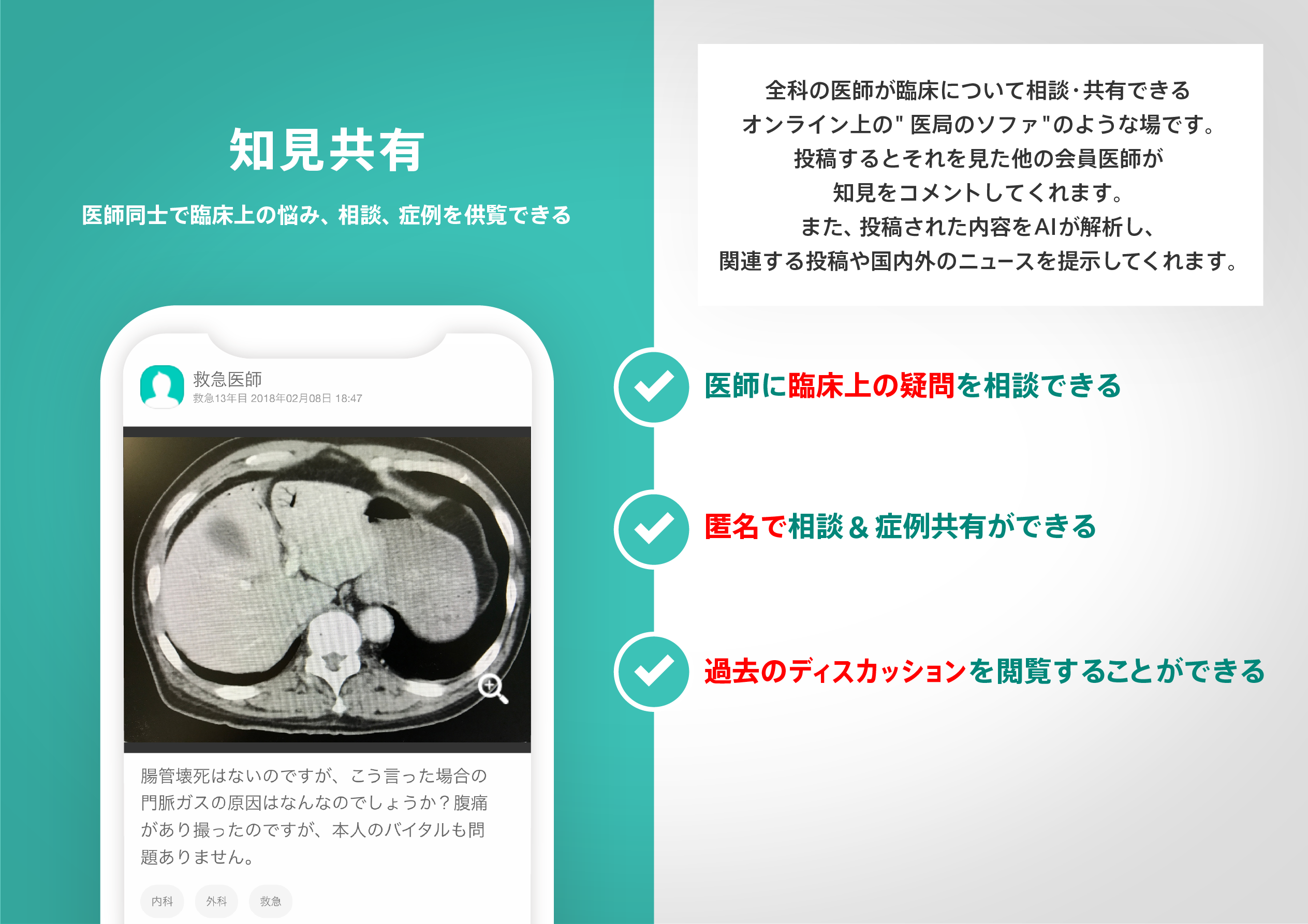
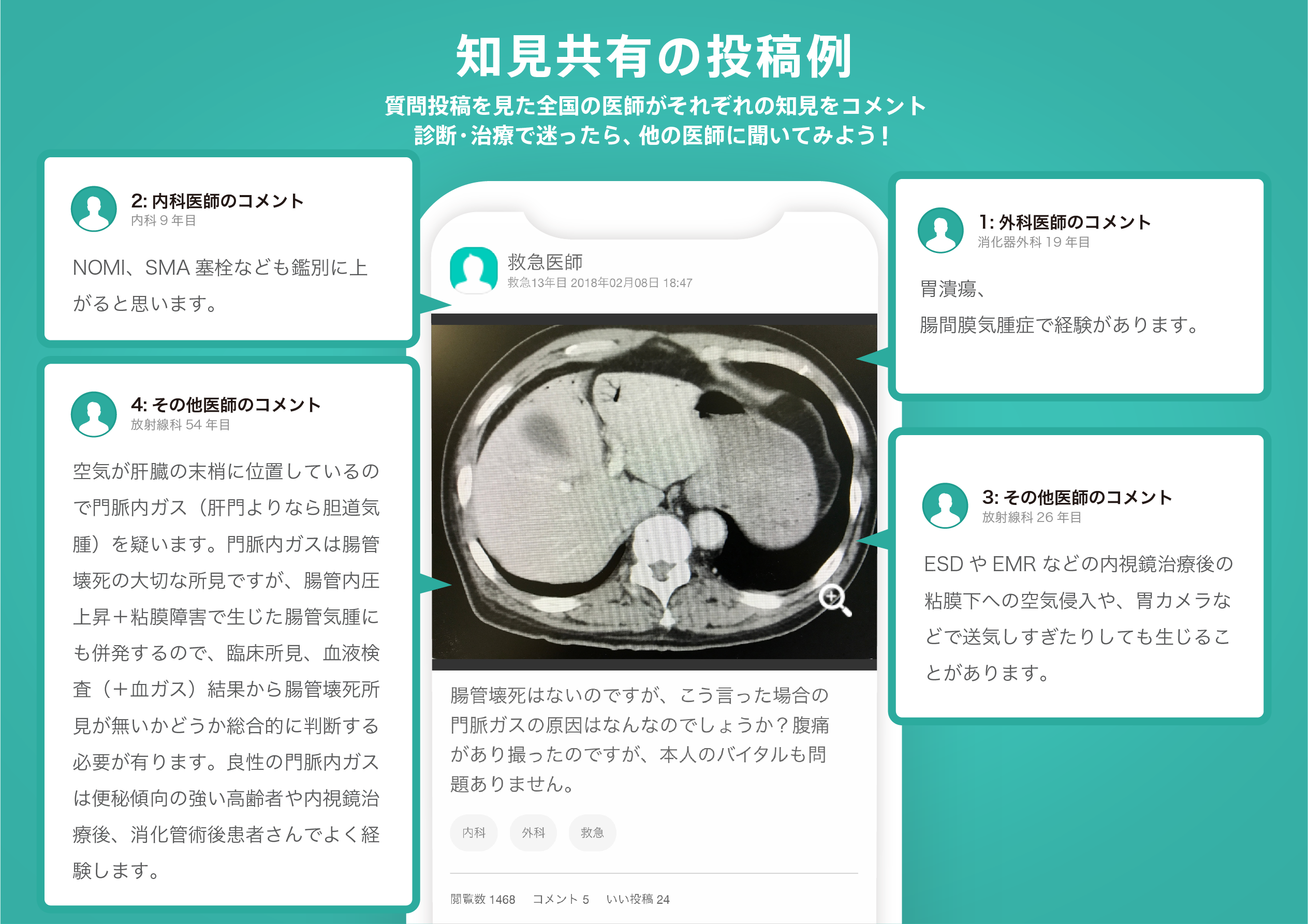
医師のための臨床サポートサービス
ヒポクラ x マイナビのご紹介
無料会員登録していただくと、さらに便利で効率的な検索が可能になります。