著名医師による解説が無料で読めます
すると翻訳の精度が向上します
亜鉛は、細胞代謝において基本的な役割を果たす重要な微量元素です。それは主に広範囲のタンパク質を結合することで作用し、したがって、細胞分裂、成長、分化を含む広範な種類の生物学的プロセスに影響を与えます。亜鉛は、多数の構造タンパク質、酵素プロセス、および転写因子にとって重要です。亜鉛欠乏は、食欲不振、体毛の喪失、味と臭いの変化、精巣萎縮、脳と免疫機能障害、薬物除去能力の低下など、臨床症状のスペクトルをもたらす可能性があります。これらは、慢性肝疾患、特に肝硬変の患者の一般的な症状です。肝臓は、肝臓疾患の影響を受ける可能性のある亜鉛代謝の原因となる主な臓器です。一方、亜鉛欠乏は、肝細胞の機能を変化させ、炎症性肝疾患における免疫反応も変化する可能性があります。肝臓肝硬変は、慢性肝疾患の最も進行した段階を表しており、慢性肝障害の一般的な結果です。エネルギー栄養失調に関連しており、低アルブミン血症などの多数の代謝障害、分岐鎖アミノ酸と芳香族アミノ酸の不均衡、および亜鉛血清濃度の低下を伴います。これらのすべてのプロセスは、腹水、肝性脳症、肝細胞癌などの患者の臨床結果に影響を与える可能性があります。現在のレビューでは、肝硬変の病因における亜鉛の孔の役割に関する新たな証拠を要約します。
亜鉛は、細胞代謝において基本的な役割を果たす重要な微量元素です。それは主に広範囲のタンパク質を結合することで作用し、したがって、細胞分裂、成長、分化を含む広範な種類の生物学的プロセスに影響を与えます。亜鉛は、多数の構造タンパク質、酵素プロセス、および転写因子にとって重要です。亜鉛欠乏は、食欲不振、体毛の喪失、味と臭いの変化、精巣萎縮、脳と免疫機能障害、薬物除去能力の低下など、臨床症状のスペクトルをもたらす可能性があります。これらは、慢性肝疾患、特に肝硬変の患者の一般的な症状です。肝臓は、肝臓疾患の影響を受ける可能性のある亜鉛代謝の原因となる主な臓器です。一方、亜鉛欠乏は、肝細胞の機能を変化させ、炎症性肝疾患における免疫反応も変化する可能性があります。肝臓肝硬変は、慢性肝疾患の最も進行した段階を表しており、慢性肝障害の一般的な結果です。エネルギー栄養失調に関連しており、低アルブミン血症などの多数の代謝障害、分岐鎖アミノ酸と芳香族アミノ酸の不均衡、および亜鉛血清濃度の低下を伴います。これらのすべてのプロセスは、腹水、肝性脳症、肝細胞癌などの患者の臨床結果に影響を与える可能性があります。現在のレビューでは、肝硬変の病因における亜鉛の孔の役割に関する新たな証拠を要約します。
Zinc is an essential trace element playing fundamental roles in cellular metabolism. It acts mostly by binding a wide range of proteins, thus affecting a broad spectrum of biological processes, which include cell division, growth and differentiation. Zinc is critical to a large number of structural proteins, enzymatic processes, and transcription factors. Zinc deficiency can result in a spectrum of clinical manifestations, such as poor of appetite, loss of body hair, altered taste and smell, testicular atrophy, cerebral and immune dysfunction, and diminished drug elimination capacity. These are common symptoms in patients with chronic liver diseases, especially liver cirrhosis. The liver is the main organ responsible for the zinc metabolism which can be affected by liver diseases. On the other hand, zinc deficiency may alter hepatocyte functions and also immune responses in inflammatory liver diseases. Liver cirrhosis represents the most advanced stage of chronic liver diseases and is the common outcome of chronic liver injury. It is associated with energy malnutrition, with numerous metabolic disorders, such as hypoalbuminemia, with imbalance between branched-chain amino acids and aromatic amino acids, and with reduced zinc serum concentrations. All these processes can influence the clinical outcome of patients, such ascites, hepatic encephalopathy and hepatocellular carcinoma. In the present review, we summarize the emerging evidence on the pitoval role of zinc in the pathogenesis of liver cirrhosis.
医師のための臨床サポートサービス
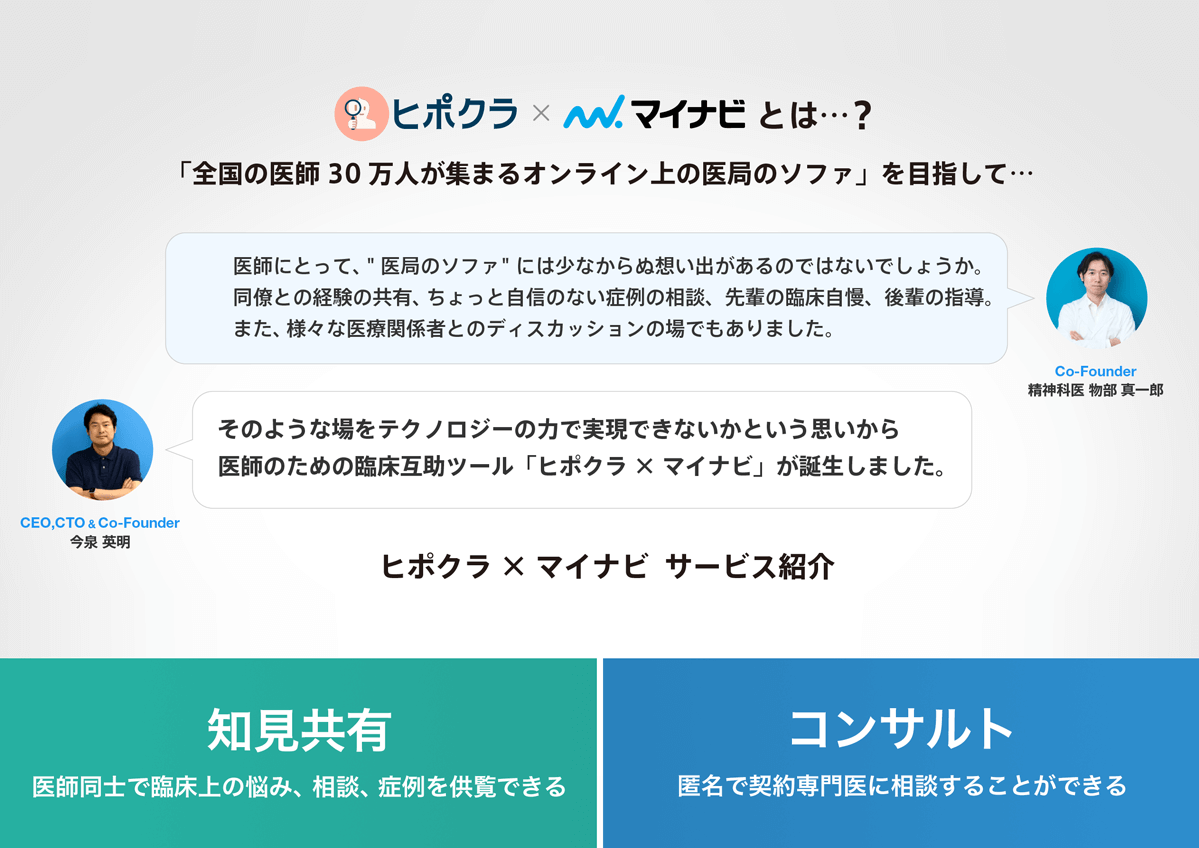
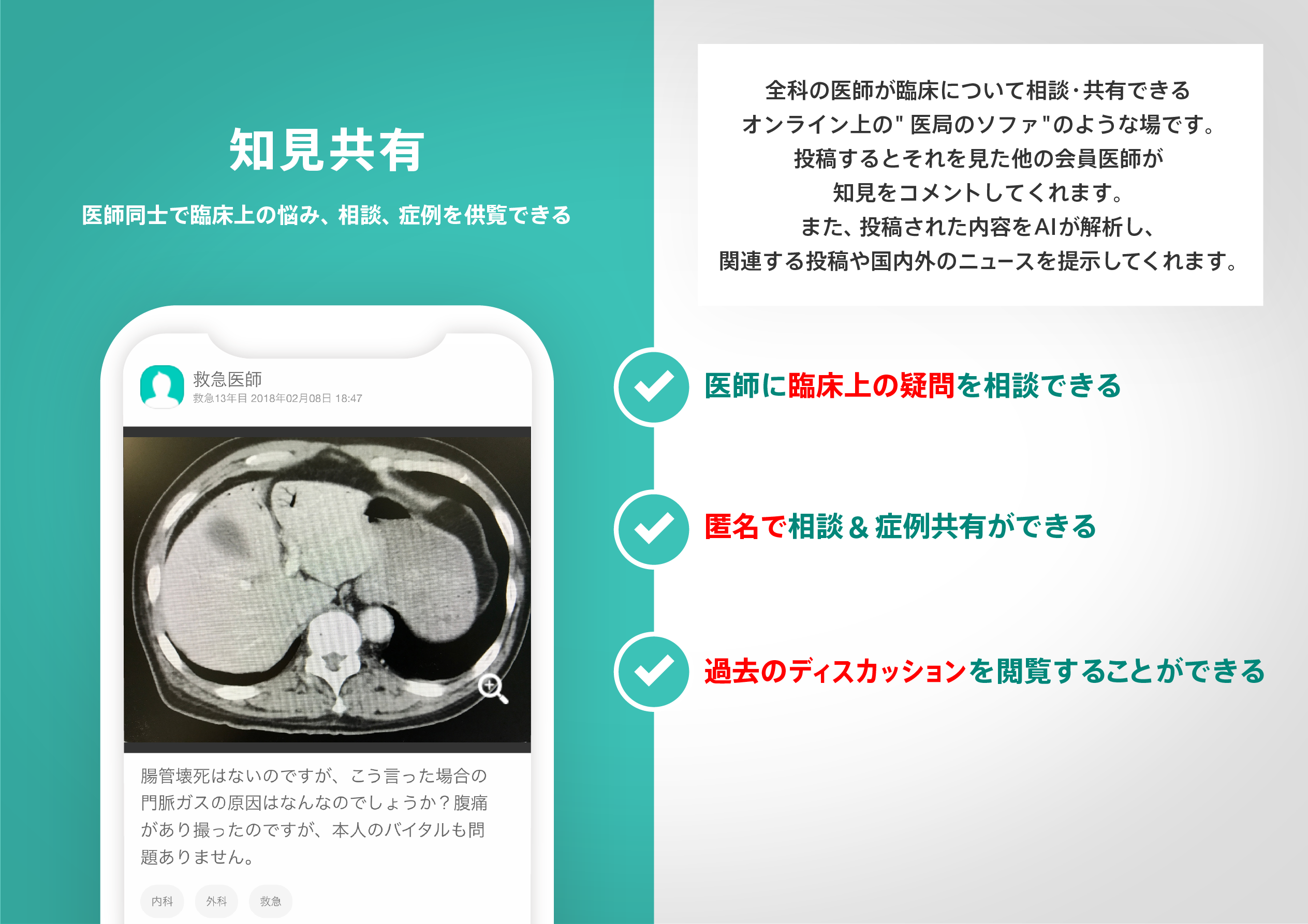
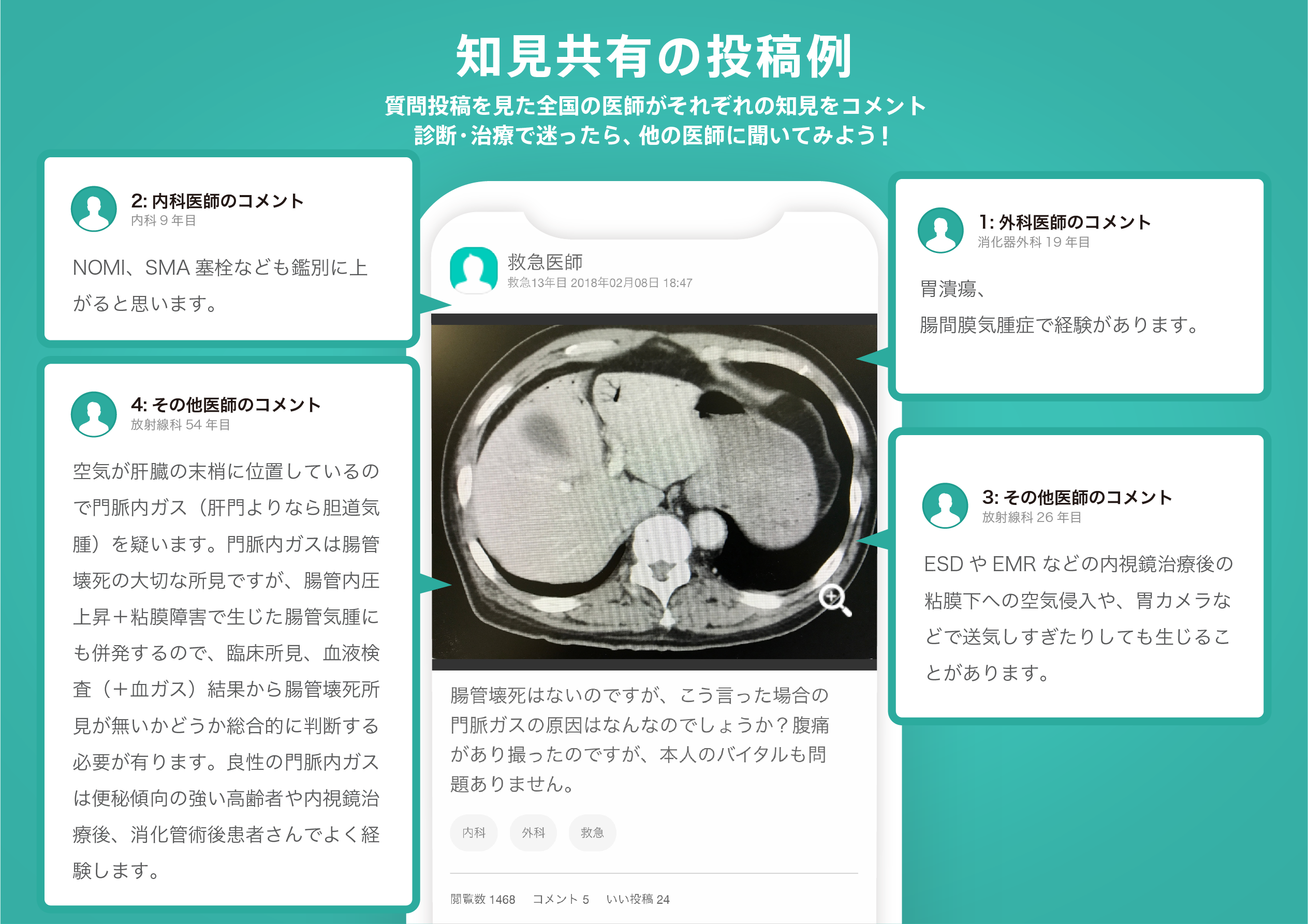
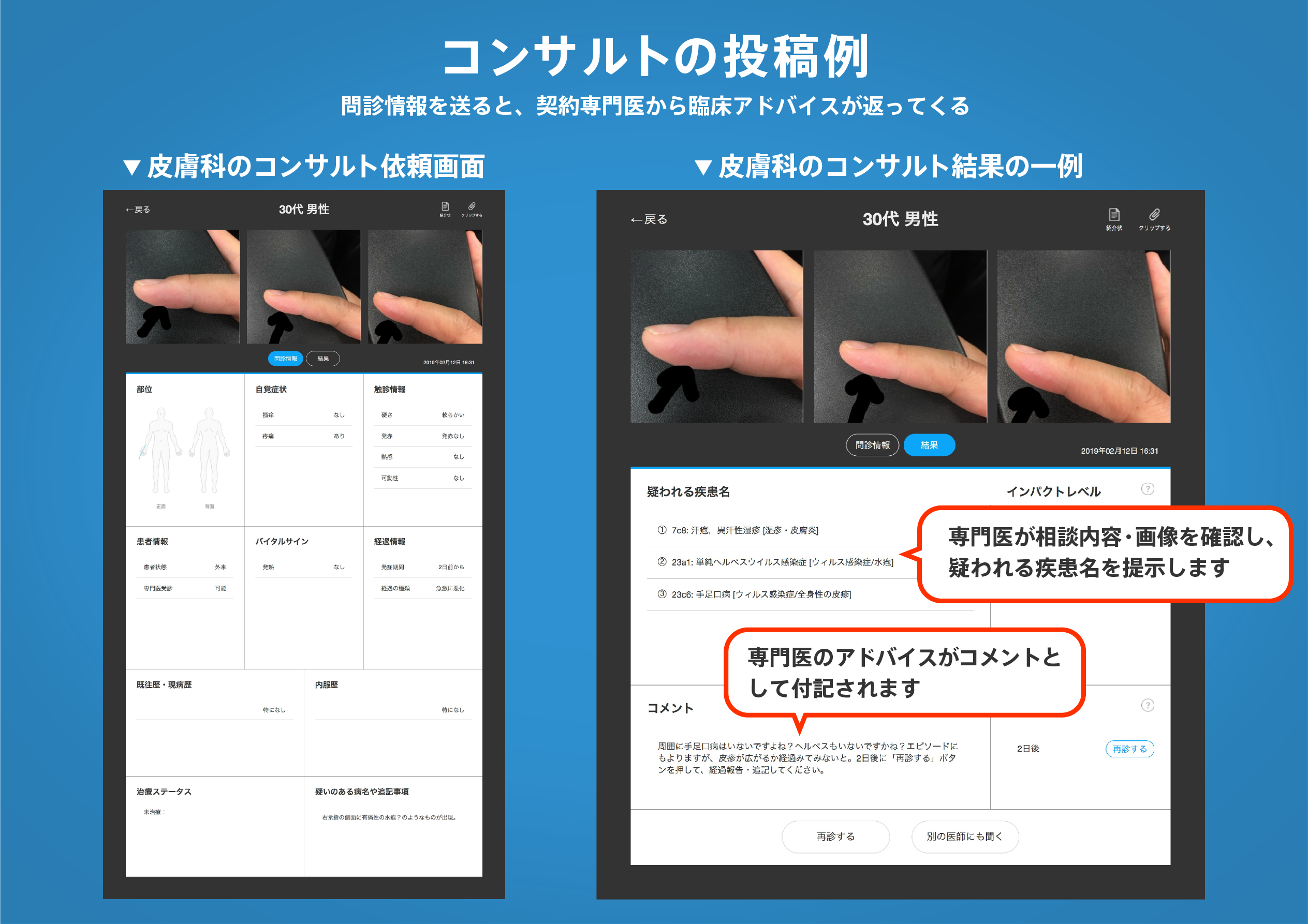
ヒポクラ x マイナビのご紹介


無料会員登録していただくと、さらに便利で効率的な検索が可能になります。