著名医師による解説が無料で読めます
すると翻訳の精度が向上します
ヒト結腸腺癌細胞(系統HT29)は、追加の成長因子を含む定義された(血清フリー)培地で増殖することができます。このような条件では、それらの倍増時間は、胎児の子牛血清の存在下での1日と比較して、3〜4日(血清コーティング皿)または2〜3日(自己細胞外マトリックス上)です。成長因子の受容体への結合を破壊するポリアニオンの存在下で、血清を含まない培養物に[3H]チミジンの取り込みが減少します(3日間の培養後のコントロールの27.0 +/- 2.9%)。細胞の自律的増殖におけるオートクリン成長因子の。増殖関連の癌遺伝子C-MYCの発現は、HT29細胞の成長と分化のさまざまな段階で調べられました。C-Myc mRNAの細胞内容は、研究されたすべての実験条件で類似していた:指数相。固定相;非分化細胞および分化した細胞(グルコース剥離による);また、Suraminを含むか、またはそうではない血清を含まない培地で。C-MYC mRNAのレベルの約2倍の増加が、スラミン含有培地で3日間培養された細胞で観察され、スラミンの非存在下で3時間の間にインキュベートされました(10%胎児の子牛血清の有無にかかわらず)。HT29細胞のゲノムDNAのサザンブロット分析では、C-MYC遺伝子と隣接配列を含む領域内で再配置を明らかにしませんでした(上流約5キロ塩と約3キロ塩基の下流)。C-Myc遺伝子座は弱く増幅されました(セルごとに4〜6コピー)。これらの結果は、HT29細胞におけるC-MYC遺伝子発現が規制緩和されており、成長因子刺激を必要としないことを示しています。C-MYC遺伝子の規制緩和は、HT29細胞株の成長因子要件の減少に関連している可能性があります。
ヒト結腸腺癌細胞(系統HT29)は、追加の成長因子を含む定義された(血清フリー)培地で増殖することができます。このような条件では、それらの倍増時間は、胎児の子牛血清の存在下での1日と比較して、3〜4日(血清コーティング皿)または2〜3日(自己細胞外マトリックス上)です。成長因子の受容体への結合を破壊するポリアニオンの存在下で、血清を含まない培養物に[3H]チミジンの取り込みが減少します(3日間の培養後のコントロールの27.0 +/- 2.9%)。細胞の自律的増殖におけるオートクリン成長因子の。増殖関連の癌遺伝子C-MYCの発現は、HT29細胞の成長と分化のさまざまな段階で調べられました。C-Myc mRNAの細胞内容は、研究されたすべての実験条件で類似していた:指数相。固定相;非分化細胞および分化した細胞(グルコース剥離による);また、Suraminを含むか、またはそうではない血清を含まない培地で。C-MYC mRNAのレベルの約2倍の増加が、スラミン含有培地で3日間培養された細胞で観察され、スラミンの非存在下で3時間の間にインキュベートされました(10%胎児の子牛血清の有無にかかわらず)。HT29細胞のゲノムDNAのサザンブロット分析では、C-MYC遺伝子と隣接配列を含む領域内で再配置を明らかにしませんでした(上流約5キロ塩と約3キロ塩基の下流)。C-Myc遺伝子座は弱く増幅されました(セルごとに4〜6コピー)。これらの結果は、HT29細胞におけるC-MYC遺伝子発現が規制緩和されており、成長因子刺激を必要としないことを示しています。C-MYC遺伝子の規制緩和は、HT29細胞株の成長因子要件の減少に関連している可能性があります。
Human colon adenocarcinoma cell (line HT29) are able to proliferate in a defined (serum-free) medium containing no added growth factors; in such conditions, their doubling time is 3 to 4 days (on serum-coated dishes) or 2 to 3 days (on an autologous extracellular matrix) compared with 1 day in the presence of fetal calf serum. In the presence of suramin, a polyanion disrupting the binding of growth factors to their receptors, the incorporation of [3H]thymidine in serum-free cultures is reduced (27.0 +/- 2.9% of control after 3 days of culture), suggesting involvement of autocrine growth factors in the autonomous proliferation of the cells. The expression of the proliferation-related oncogene c-myc was examined during various stages of growth and differentiation of the HT29 cells. The cellular contents of c-myc mRNA were similar in all experimental conditions studied: exponential phase; stationary phase; nondifferentiated as well as differentiated cells (by glucose deprivation); and also in serum-free medium containing or not suramin. An approximately 2-fold increase in the level of c-myc mRNA was observed in cells cultured for 3 days in suramin-containing medium and then incubated during 3 h in the absence of suramin (with or without 10% fetal calf serum). Southern blot analysis of the genomic DNA of HT29 cells did not reveal any rearrangement within the region containing the c-myc gene and the flanking sequences (approximately five kilobases upstream and approximately three kilobases downstream). The c-myc locus was weakly amplified (four to six copies per cell). These results indicate that the c-myc gene expression in HT29 cells is deregulated and does not require growth factor stimulation. The deregulation of the c-myc gene may be related to the reduced growth factor requirement of the HT29 cell line.
医師のための臨床サポートサービス
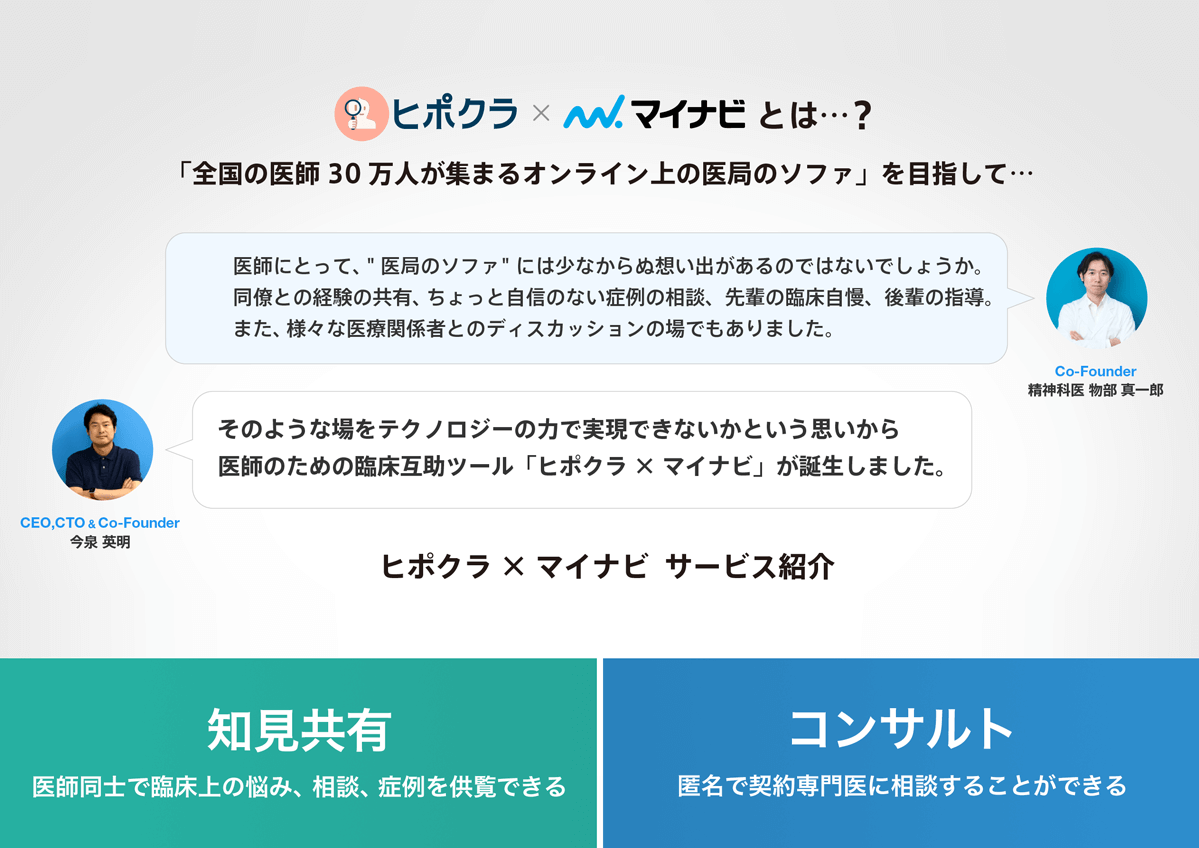
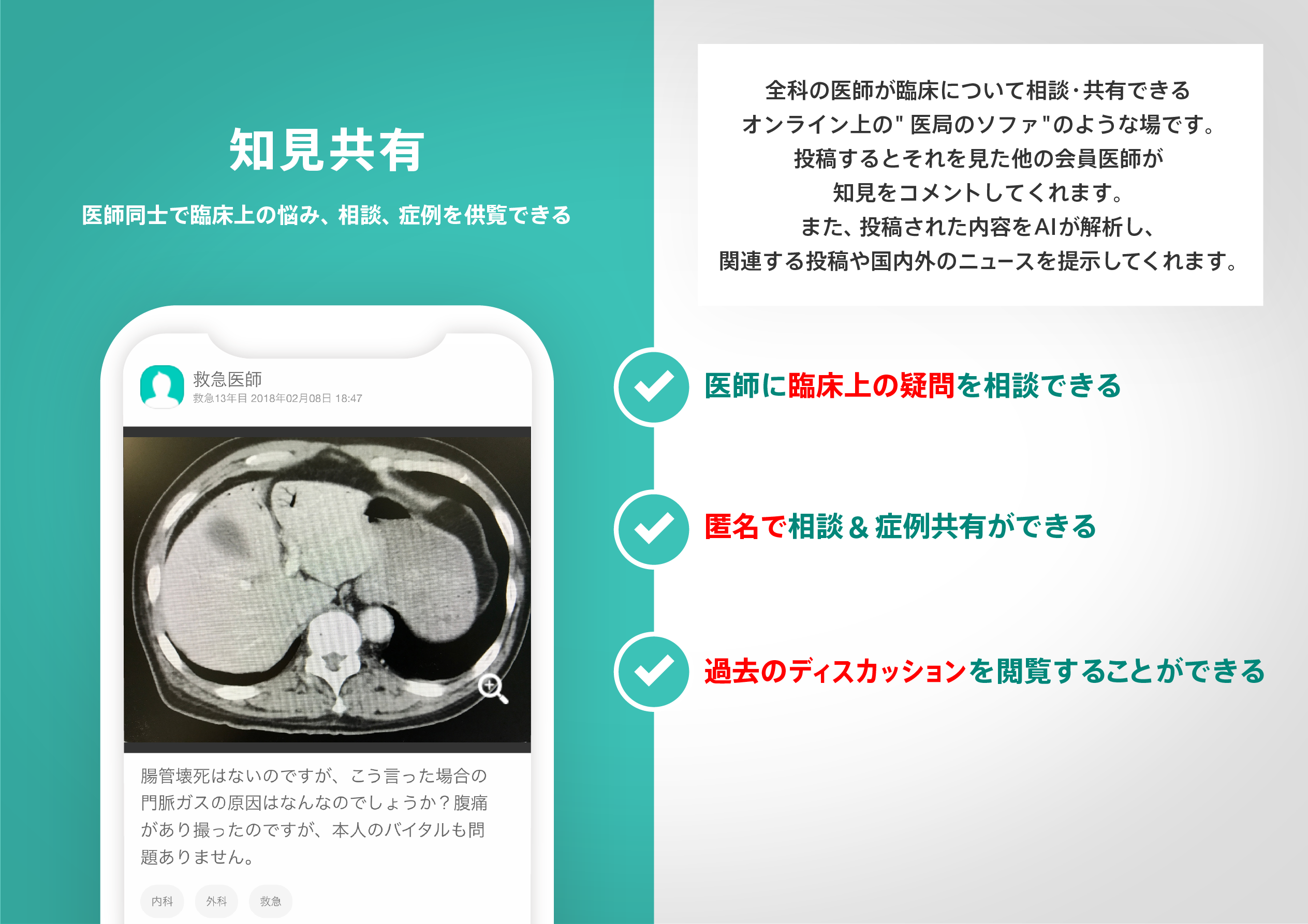
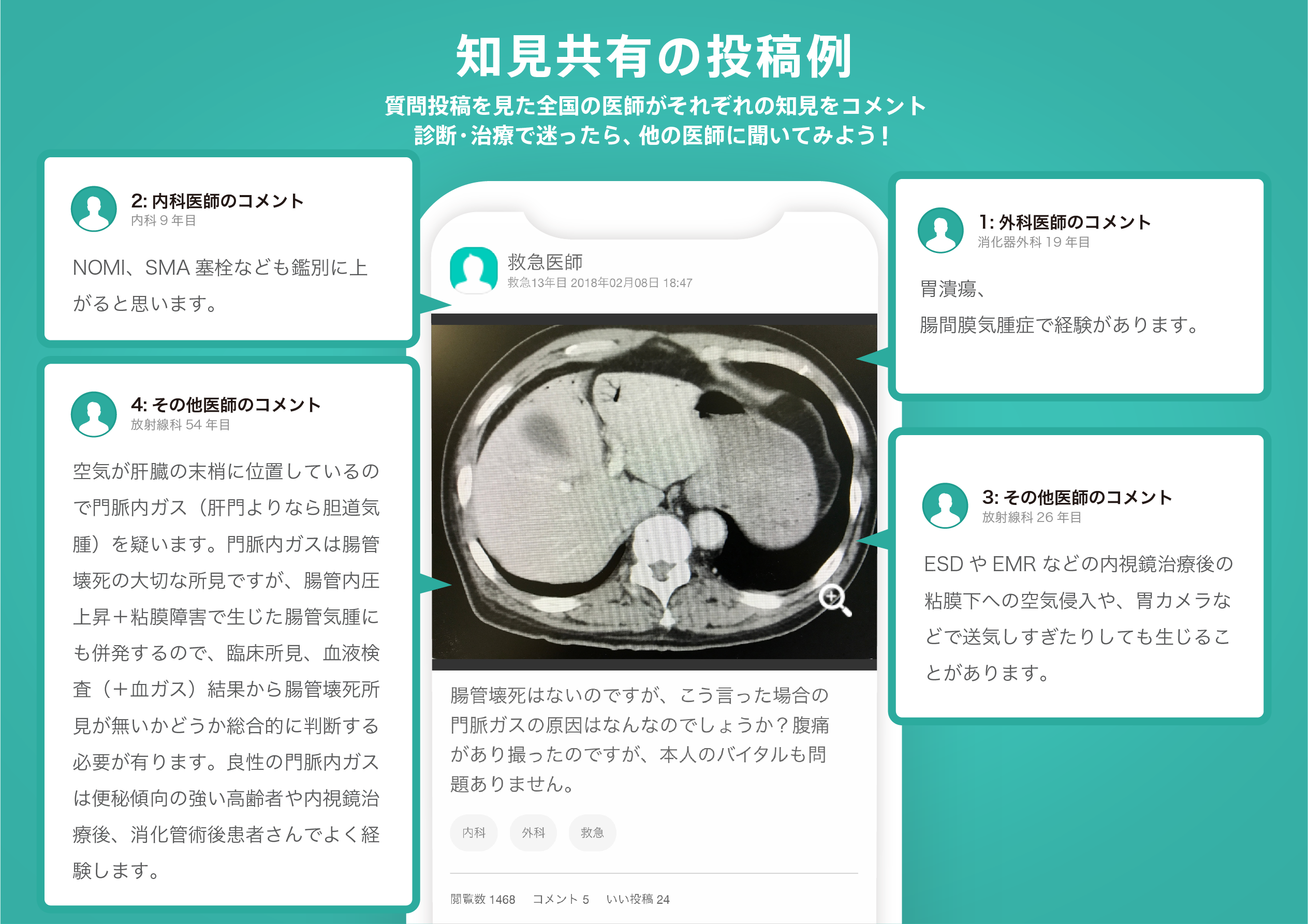
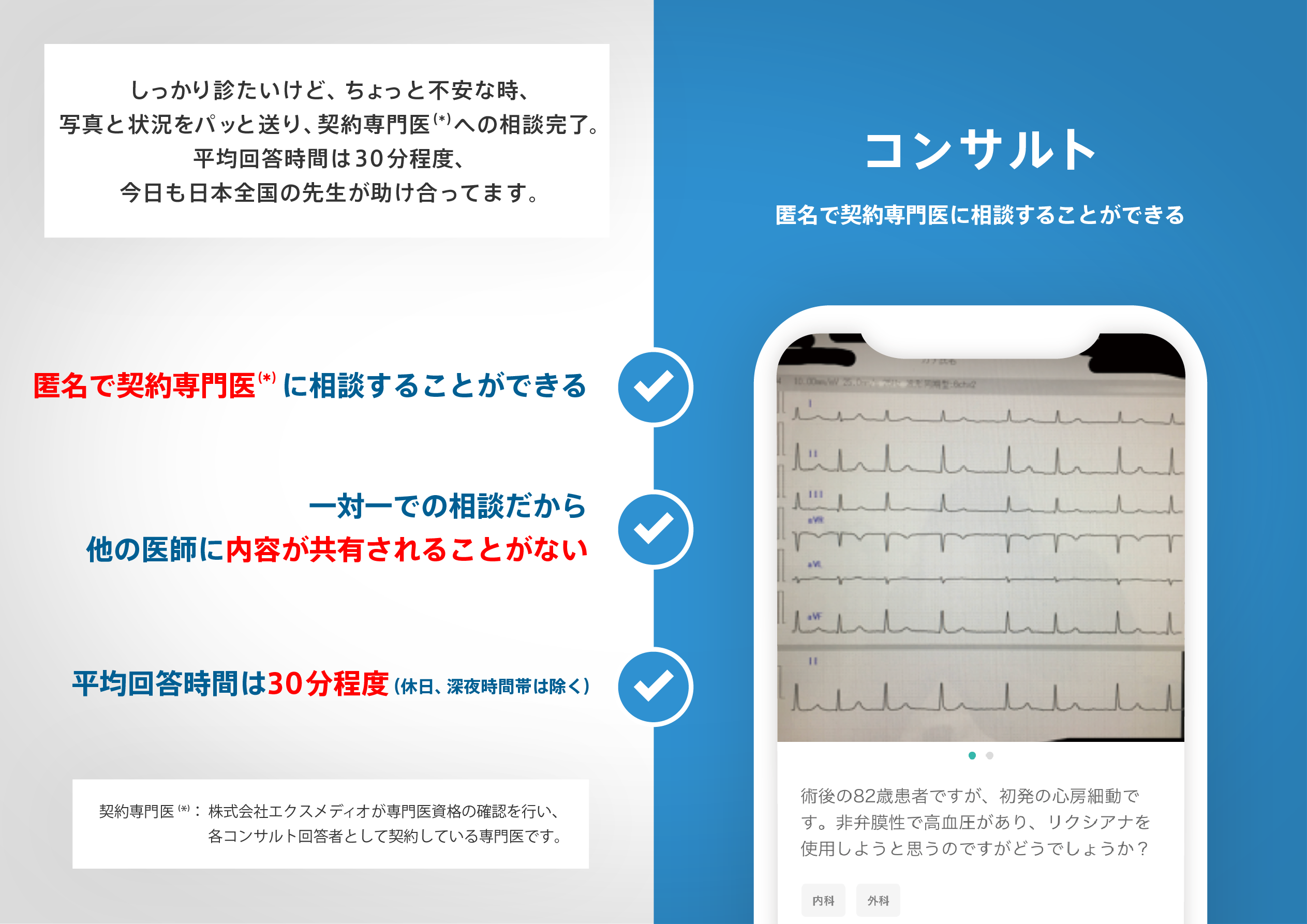
ヒポクラ x マイナビのご紹介

無料会員登録していただくと、さらに便利で効率的な検索が可能になります。