著名医師による解説が無料で読めます
すると翻訳の精度が向上します
モヤモヤ病の直接バイパス手術後の術後初期の期間中、客観的な一時的な神経症状が頻繁に観察されます。大脳皮質の異常な信号の変化は、術後MR画像で見ることができます。この研究の目的は、術後の才能画像における「皮質高強度ベルト(CHB)記号」の放射線学的特徴を明らかにし、一過性の神経イベント(TNES)および局所脳血流(RCBF)との関係を検証することでした。方法直接バイパス手術を受けたMoyamoya疾患のある107人の連続した患者で合計141人の半球を分析しました。すべての場合において、術後の日(POD)1〜3および慢性期(手術後3.2±1.13ヶ月)に炎画像が得られました。CHBの兆候は、梗塞または出血がない外科的に治療された半球の皮質内の副腎内高強度シグナルとして定義されました。中大脳動脈の領域は前部と後部に分割され、各部品のCHB記号の範囲は、なしで0として採点されました。1部品の半分未満で存在する場合。そして、パーツの半分以上に存在するために2。これらのスコアの合計は、CHBスコア(0-4)を提供しました。TNESは、客観的および主観的に検出された可逆的な神経学的欠陥として定義されました。RCBFは、手術前およびポッド1〜3の間に、n-イソプロピル-P- [123i]ヨードアンペタミンを使用してSpectで測定されました。RCBF増加比は、術後数と術後のカウント活性を比較することによって計算されました。結果皮質高強度ベルトの標識は112症例(79.4%)で検出され、慢性期間中にすべて消失しました。すべてのバイパス移植片は中大脳動脈の領域の前部に吻合されていましたが、後部ではCHBの兆候がはるかに顕著でした(P <0.0001)。TNESは86症例(61.0%)で観察されました。TNESの患者は、患者よりも有意に高いCHBスコアを示しました(2.31±0.13 vs 1.24±0.16、p <0.0001)。一方、CHBスコアは、RCBF増加比との関係を示さなかった(P = 0.775)。さらに、RCBFの増加比は、TNESの患者と患者の患者とない患者の間で差はありませんでした(1.15±0.033対1.16±0.037、p = 0.978)。結論結果は、ポッド1〜3の間にCHB兆候の存在が、モヤモヤ病のバイパス手術後のTNESの予測因子になる可能性があることを強く示唆しています。一方、この兆候の存在は、術後の局所的な高灌流現象と直接的な関係がないようです。血管新生浮腫は、兆候が一時的であり、現在のシリーズで梗塞を伴わないため、CHB兆候の病態生理として仮説を立てることができます。
モヤモヤ病の直接バイパス手術後の術後初期の期間中、客観的な一時的な神経症状が頻繁に観察されます。大脳皮質の異常な信号の変化は、術後MR画像で見ることができます。この研究の目的は、術後の才能画像における「皮質高強度ベルト(CHB)記号」の放射線学的特徴を明らかにし、一過性の神経イベント(TNES)および局所脳血流(RCBF)との関係を検証することでした。方法直接バイパス手術を受けたMoyamoya疾患のある107人の連続した患者で合計141人の半球を分析しました。すべての場合において、術後の日(POD)1〜3および慢性期(手術後3.2±1.13ヶ月)に炎画像が得られました。CHBの兆候は、梗塞または出血がない外科的に治療された半球の皮質内の副腎内高強度シグナルとして定義されました。中大脳動脈の領域は前部と後部に分割され、各部品のCHB記号の範囲は、なしで0として採点されました。1部品の半分未満で存在する場合。そして、パーツの半分以上に存在するために2。これらのスコアの合計は、CHBスコア(0-4)を提供しました。TNESは、客観的および主観的に検出された可逆的な神経学的欠陥として定義されました。RCBFは、手術前およびポッド1〜3の間に、n-イソプロピル-P- [123i]ヨードアンペタミンを使用してSpectで測定されました。RCBF増加比は、術後数と術後のカウント活性を比較することによって計算されました。結果皮質高強度ベルトの標識は112症例(79.4%)で検出され、慢性期間中にすべて消失しました。すべてのバイパス移植片は中大脳動脈の領域の前部に吻合されていましたが、後部ではCHBの兆候がはるかに顕著でした(P <0.0001)。TNESは86症例(61.0%)で観察されました。TNESの患者は、患者よりも有意に高いCHBスコアを示しました(2.31±0.13 vs 1.24±0.16、p <0.0001)。一方、CHBスコアは、RCBF増加比との関係を示さなかった(P = 0.775)。さらに、RCBFの増加比は、TNESの患者と患者の患者とない患者の間で差はありませんでした(1.15±0.033対1.16±0.037、p = 0.978)。結論結果は、ポッド1〜3の間にCHB兆候の存在が、モヤモヤ病のバイパス手術後のTNESの予測因子になる可能性があることを強く示唆しています。一方、この兆候の存在は、術後の局所的な高灌流現象と直接的な関係がないようです。血管新生浮腫は、兆候が一時的であり、現在のシリーズで梗塞を伴わないため、CHB兆候の病態生理として仮説を立てることができます。
OBJECTIVE Transient neurological symptoms are frequently observed during the early postoperative period after direct bypass surgery for moyamoya disease. Abnormal signal changes in the cerebral cortex can be seen in postoperative MR images. The purpose of this study was to reveal the radiological features of the "cortical hyperintensity belt (CHB) sign" in postoperative FLAIR images and to verify its relationship to transient neurological events (TNEs) and regional cerebral blood flow (rCBF). METHODS A total of 141 hemispheres in 107 consecutive patients with moyamoya disease who had undergone direct bypass surgery were analyzed. In all cases, FLAIR images were obtained during postoperative days (PODs) 1-3 and during the chronic period (3.2 ± 1.13 months after surgery). The CHB sign was defined as an intraparenchymal high-intensity signal within the cortex of the surgically treated hemisphere with no infarction or hemorrhage present. The territory of the middle cerebral artery was divided into anterior and posterior parts, with the extent of the CHB sign in each part scored as 0 for none; 1 for presence in less than half of the part; and 2 for presence in more than half of the part. The sum of these scores provided the CHB score (0-4). TNEs were defined as reversible neurological deficits detected both objectively and subjectively. The rCBF was measured with SPECT using N-isopropyl-p-[123I]iodoamphetamine before surgery and during PODs 1-3. The rCBF increase ratio was calculated by comparing the pre- and postoperative count activity. RESULTS Cortical hyperintensity belt signs were detected in 112 cases (79.4%) and all disappeared during the chronic period. Although all bypass grafts were anastomosed to the anterior part of the middle cerebral artery territory, CHB signs were much more pronounced in the posterior part (p < 0.0001). TNEs were observed in 86 cases (61.0%). Patients with TNEs showed significantly higher CHB scores than those without (2.31 ± 0.13 vs 1.24 ± 0.16, p < 0.0001). The CHB score, on the other hand, showed no relationship with the rCBF increase ratio (p = 0.775). In addition, the rCBF increase ratio did not differ between those patients with TNEs and those without (1.15 ± 0.033 vs 1.16 ± 0.037, p = 0.978). CONCLUSIONS The findings strongly suggest that the presence of the CHB sign during PODs 1-3 can be a predictor of TNEs after bypass surgery for moyamoya disease. On the other hand, presence of this sign appears to have no direct relationship with the postoperative local hyperperfusion phenomenon. Vasogenic edema can be hypothesized as the pathophysiology of the CHB sign, because the sign was transient and never accompanied by infarction in the present series.
医師のための臨床サポートサービス
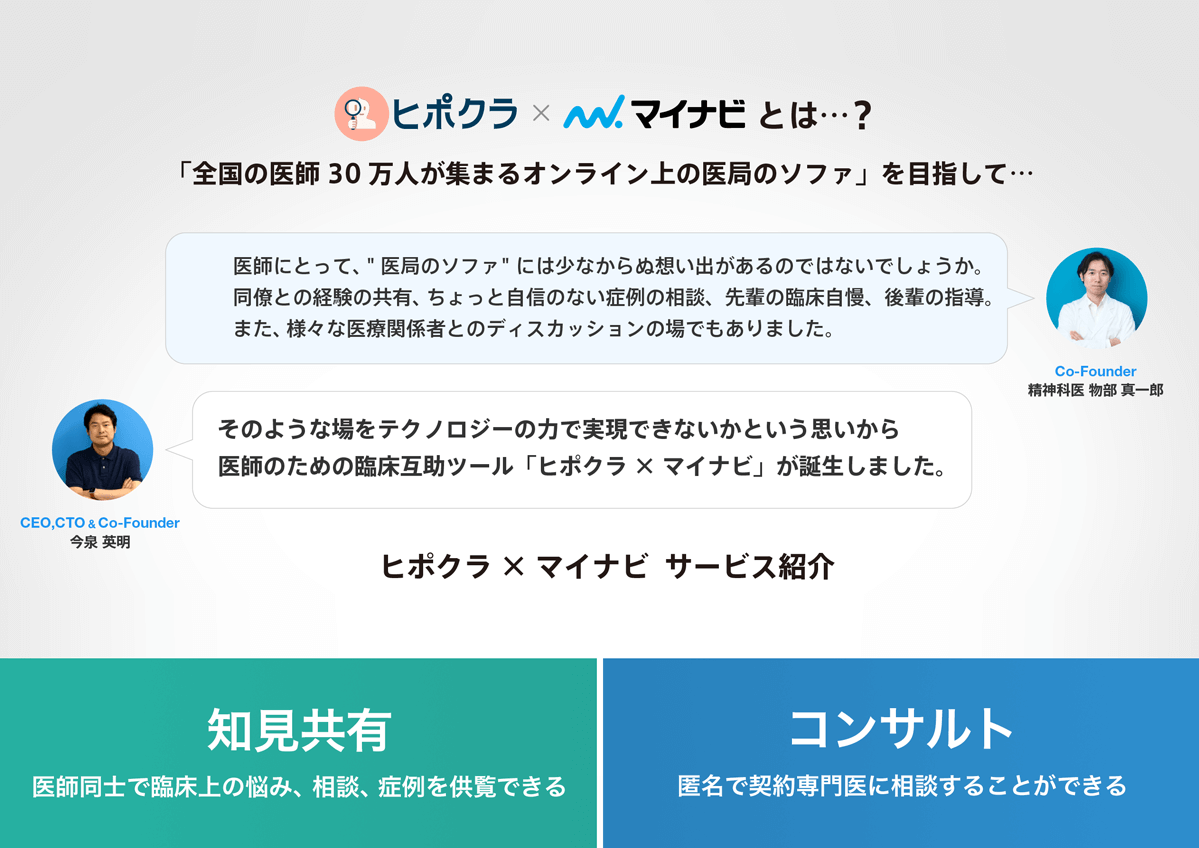
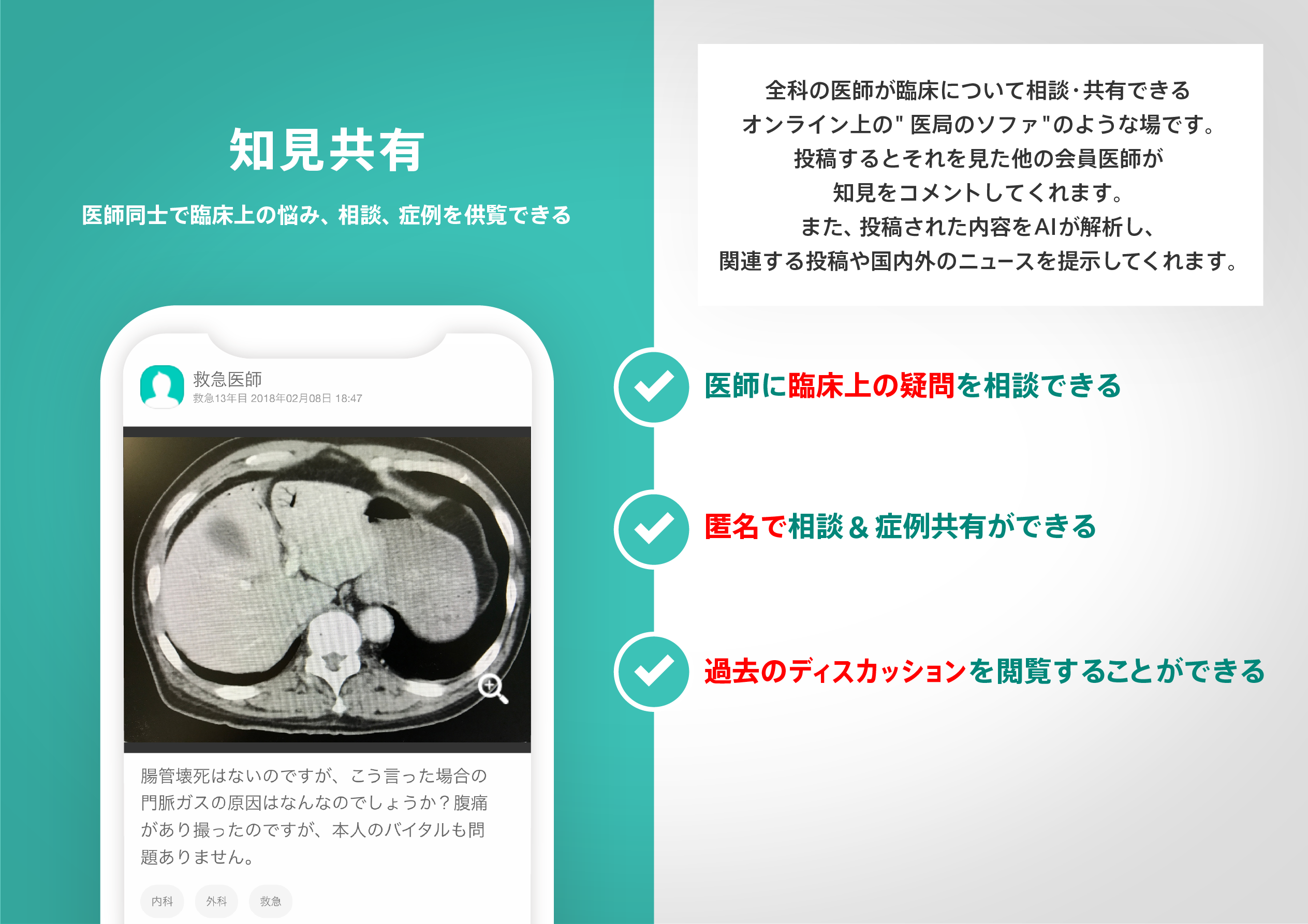
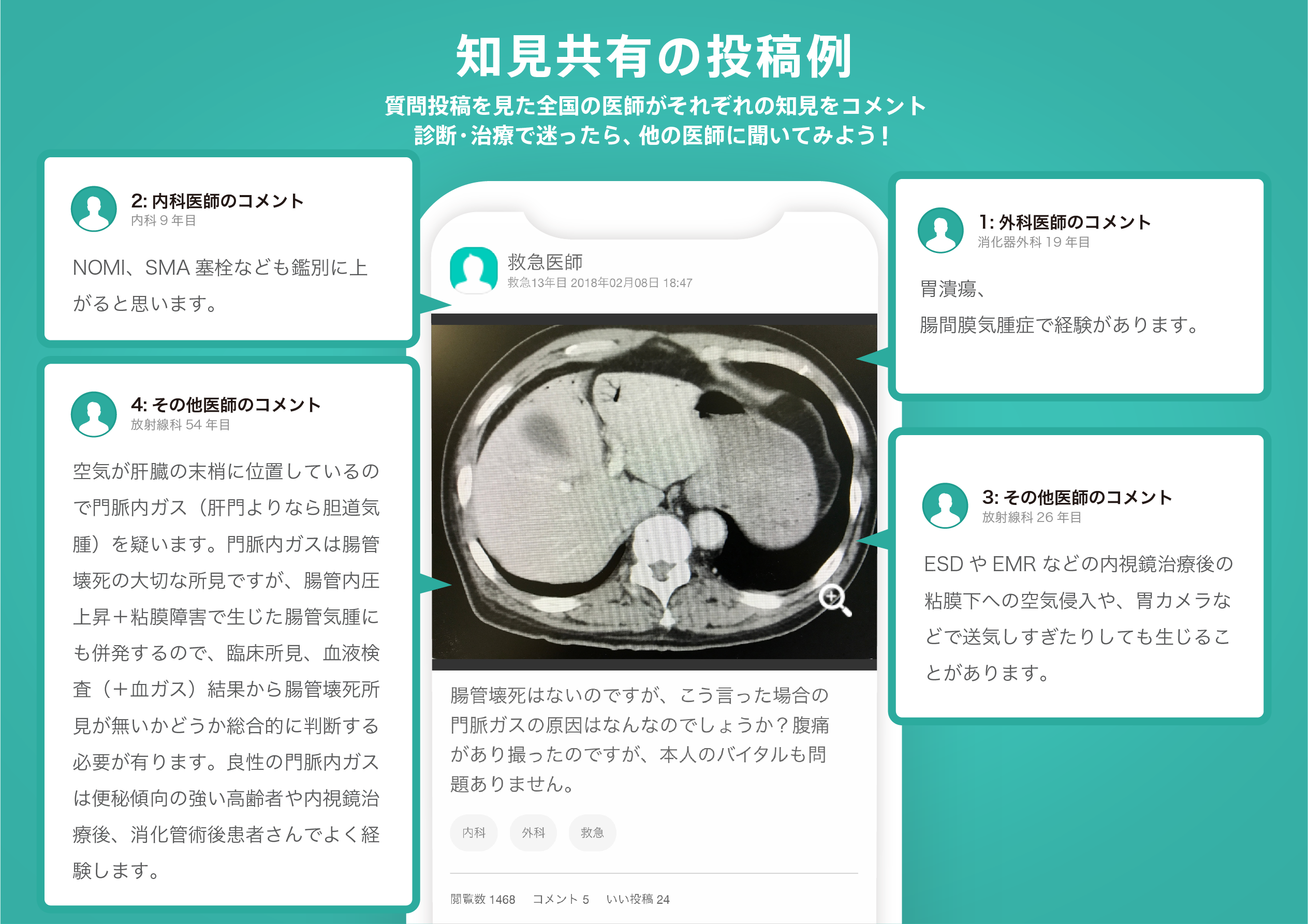
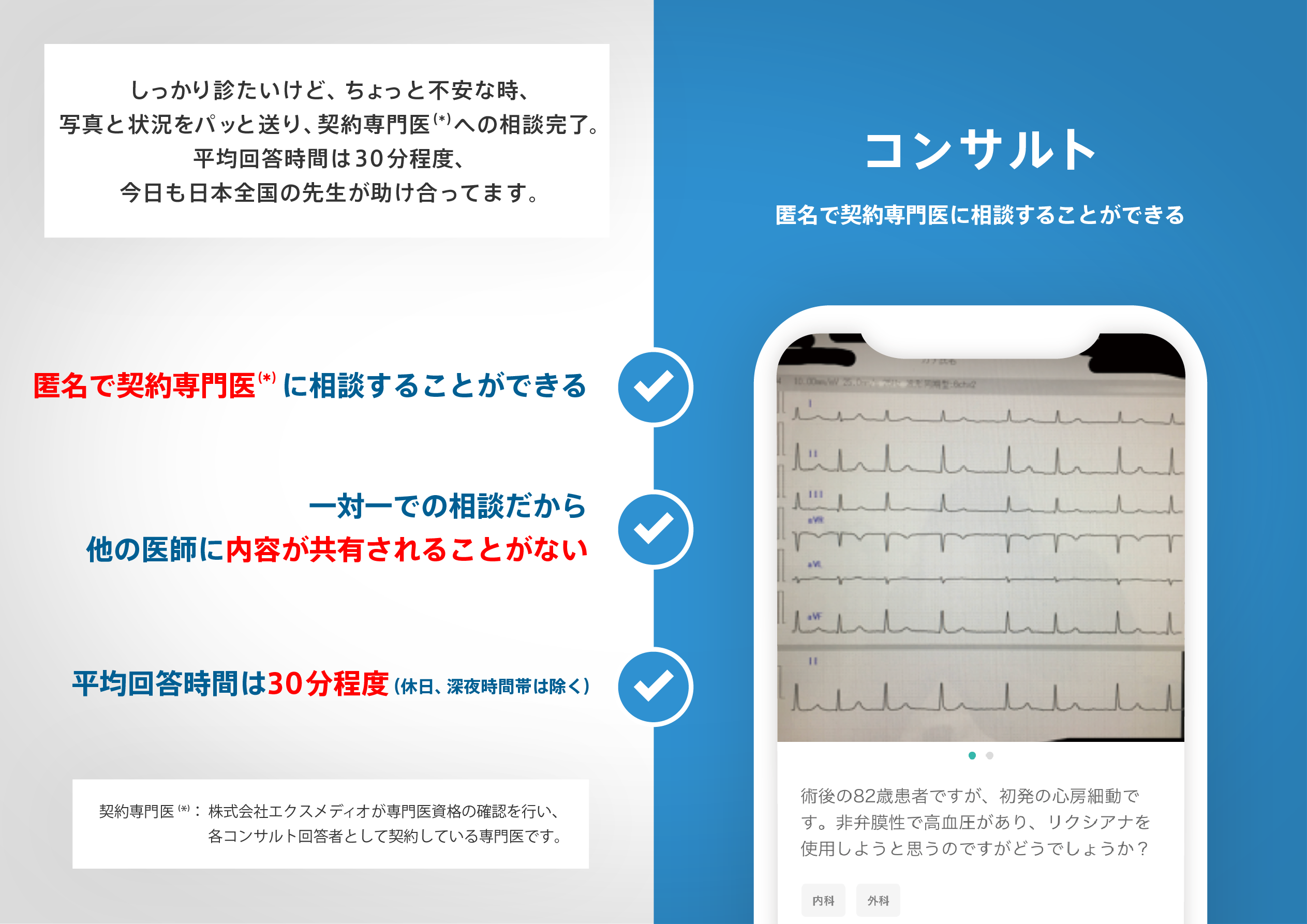
ヒポクラ x マイナビのご紹介

無料会員登録していただくと、さらに便利で効率的な検索が可能になります。