著名医師による解説が無料で読めます
すると翻訳の精度が向上します
背景:肺の機械的状態はカプノグラムの形状に影響しますが、カプノグラフィーパラメーターと気道と肺組織の力学を反映したものとの関係は、機械的に換気された患者では確立されていません。したがって、気道と肺組織の機械的特性が、時間と体積のカプノグラムのさまざまな段階から得られた指標をどのように修正するか、および肺の機械的変化が心肺バイパス(CPB)の後に変化したカプノグラフィーパラメーターにどのように反映されるかを特徴付けることに着手しました。 方法:心臓手術を受けている麻酔された機械的に換気された患者(n = 101)は、CPBの前と5分後にオープンチェスト状態で前向きな断面研究で研究されました。強制振動技術を適用して、気道耐性(RAW)、組織減衰(G)、および伸長(H)を測定しました。時間と体積のカプノグラフィは、フェーズII(SII)およびフェーズIII勾配(SIII)、それらの遷移(D2min)、ファウラー、ボーア、およびエンゴフ、および髄膜内シャントに応じたデッドスペース指数(D2min)を反映するパラメーターを評価するために実行されました。 結果:CPBの前に、SIIとD2minはH(それぞれ0.65および-0.57; P <0.0001)と最も近い(p = 0.006)関連を示しましたが、SIIIは生と最も強く(p <0.0001)相関しました(r = 0.63; p <0.0001)。CPBは、RAWおよびGおよびHの有意な上昇を誘導しました(P <0.0001)。これらの不利な機械的変化は、SII、SIII、およびD2minに一貫して反映され、密室インデックスとの相関が弱い(P <0.0001)。EnghoffとBohrの密室パラメーターの違いとして表された肺内シャントは、CPB後に増加しました(95%±5%[SEM] vs 143%±6%; P <0.001)。 結論:機械的に換気された患者では、満了の初期段階(SIIおよびD2min)からのカプノグラフィパラメーターは肺の弾性反動にリンクされていますが、SIIIに対する気道のパートンシーの効果は肺組織の硬直を支配します。しかし、肺抵抗性または伸長の重度の劣化は、両方のカプノグラム勾配に影響します。
背景:肺の機械的状態はカプノグラムの形状に影響しますが、カプノグラフィーパラメーターと気道と肺組織の力学を反映したものとの関係は、機械的に換気された患者では確立されていません。したがって、気道と肺組織の機械的特性が、時間と体積のカプノグラムのさまざまな段階から得られた指標をどのように修正するか、および肺の機械的変化が心肺バイパス(CPB)の後に変化したカプノグラフィーパラメーターにどのように反映されるかを特徴付けることに着手しました。 方法:心臓手術を受けている麻酔された機械的に換気された患者(n = 101)は、CPBの前と5分後にオープンチェスト状態で前向きな断面研究で研究されました。強制振動技術を適用して、気道耐性(RAW)、組織減衰(G)、および伸長(H)を測定しました。時間と体積のカプノグラフィは、フェーズII(SII)およびフェーズIII勾配(SIII)、それらの遷移(D2min)、ファウラー、ボーア、およびエンゴフ、および髄膜内シャントに応じたデッドスペース指数(D2min)を反映するパラメーターを評価するために実行されました。 結果:CPBの前に、SIIとD2minはH(それぞれ0.65および-0.57; P <0.0001)と最も近い(p = 0.006)関連を示しましたが、SIIIは生と最も強く(p <0.0001)相関しました(r = 0.63; p <0.0001)。CPBは、RAWおよびGおよびHの有意な上昇を誘導しました(P <0.0001)。これらの不利な機械的変化は、SII、SIII、およびD2minに一貫して反映され、密室インデックスとの相関が弱い(P <0.0001)。EnghoffとBohrの密室パラメーターの違いとして表された肺内シャントは、CPB後に増加しました(95%±5%[SEM] vs 143%±6%; P <0.001)。 結論:機械的に換気された患者では、満了の初期段階(SIIおよびD2min)からのカプノグラフィパラメーターは肺の弾性反動にリンクされていますが、SIIIに対する気道のパートンシーの効果は肺組織の硬直を支配します。しかし、肺抵抗性または伸長の重度の劣化は、両方のカプノグラム勾配に影響します。
BACKGROUND: Although the mechanical status of the lungs affects the shape of the capnogram, the relations between the capnographic parameters and those reflecting the airway and lung tissue mechanics have not been established in mechanically ventilated patients. We, therefore, set out to characterize how the mechanical properties of the airways and lung tissues modify the indices obtained from the different phases of the time and volumetric capnograms and how the lung mechanical changes are reflected in the altered capnographic parameters after a cardiopulmonary bypass (CPB). METHODS: Anesthetized, mechanically ventilated patients (n = 101) undergoing heart surgery were studied in a prospective consecutive cross-sectional study under the open-chest condition before and 5 minutes after CPB. Forced oscillation technique was applied to measure airway resistance (Raw), tissue damping (G), and elastance (H). Time and volumetric capnography were performed to assess parameters reflecting the phase II (SII) and phase III slopes (SIII), their transition (D2min), the dead-space indices according to Fowler, Bohr, and Enghoff and the intrapulmonary shunt. RESULTS: Before CPB, SII and D2min exhibited the closest (P = 0.006) associations with H (0.65 and -0.57; P < 0.0001, respectively), whereas SIII correlated most strongly (P < 0.0001) with Raw (r = 0.63; P < 0.0001). CPB induced significant elevations in Raw and G and H (P < 0.0001). These adverse mechanical changes were reflected consistently in SII, SIII, and D2min, with weaker correlations with the dead-space indices (P < 0.0001). The intrapulmonary shunt expressed as the difference between the Enghoff and Bohr dead-space parameters was increased after CPB (95% ± 5% [SEM] vs 143% ± 6%; P < 0.001). CONCLUSIONS: In mechanically ventilated patients, the capnographic parameters from the early phase of expiration (SII and D2min) are linked to the pulmonary elastic recoil, whereas the effect of airway patency on SIII dominates over the lung tissue stiffness. However, severe deterioration in lung resistance or elastance affects both capnogram slopes.
医師のための臨床サポートサービス
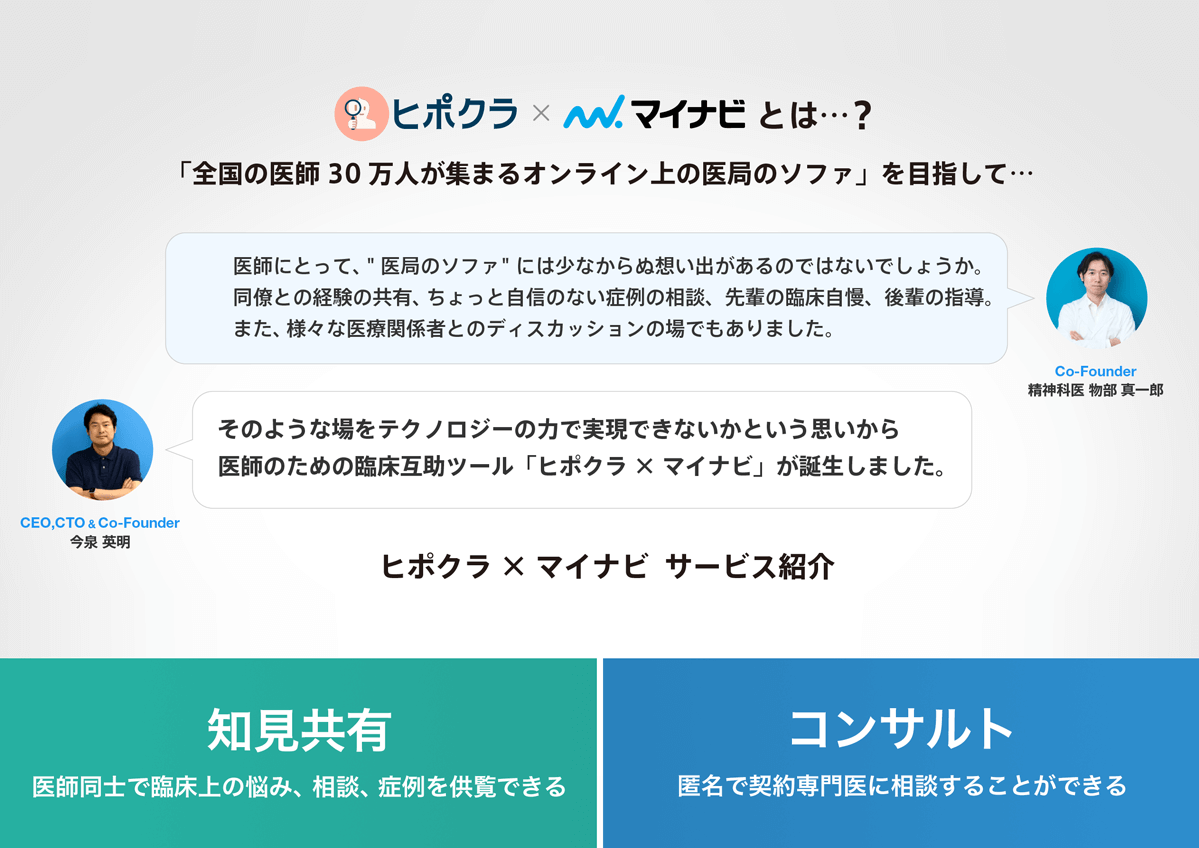
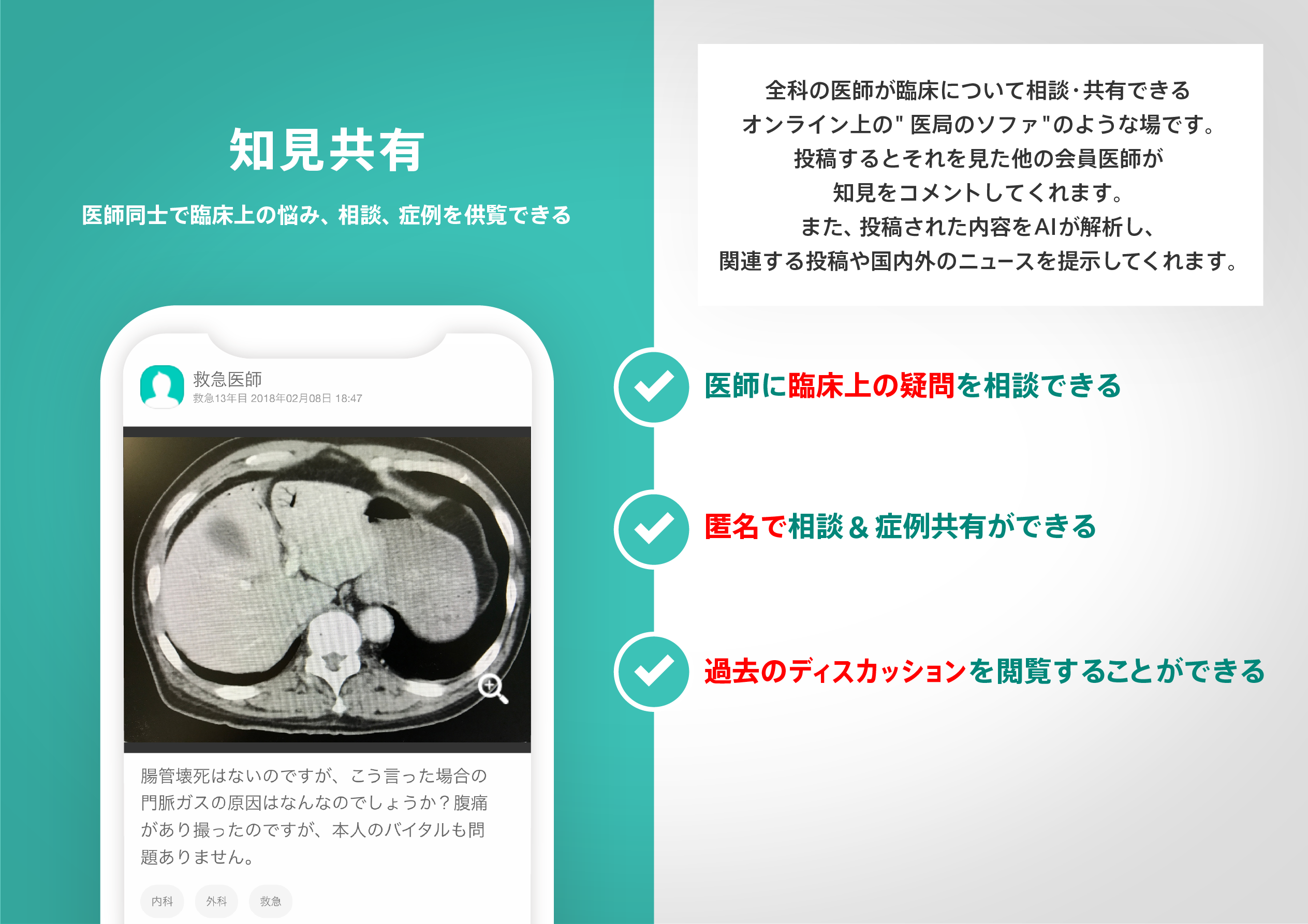
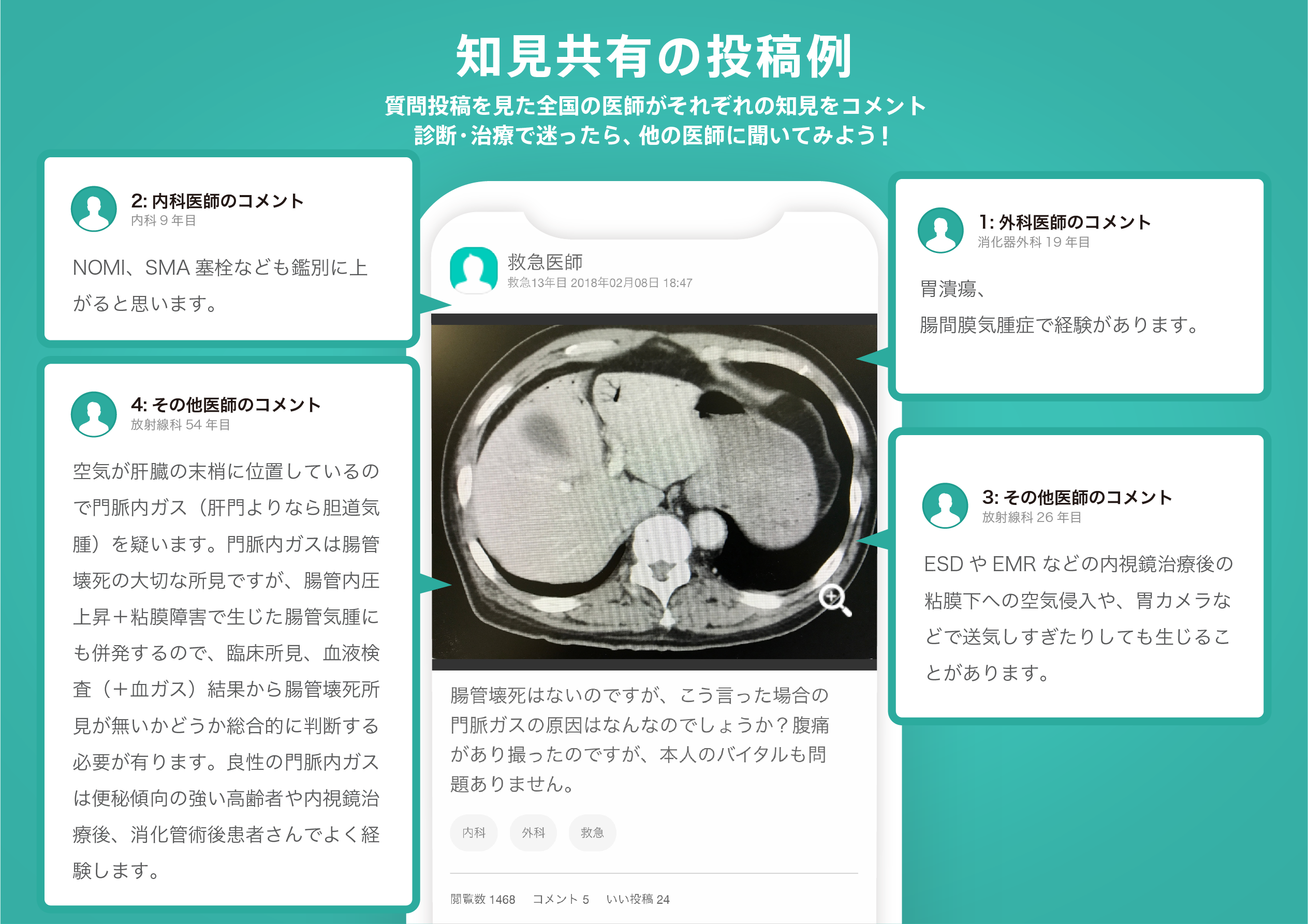
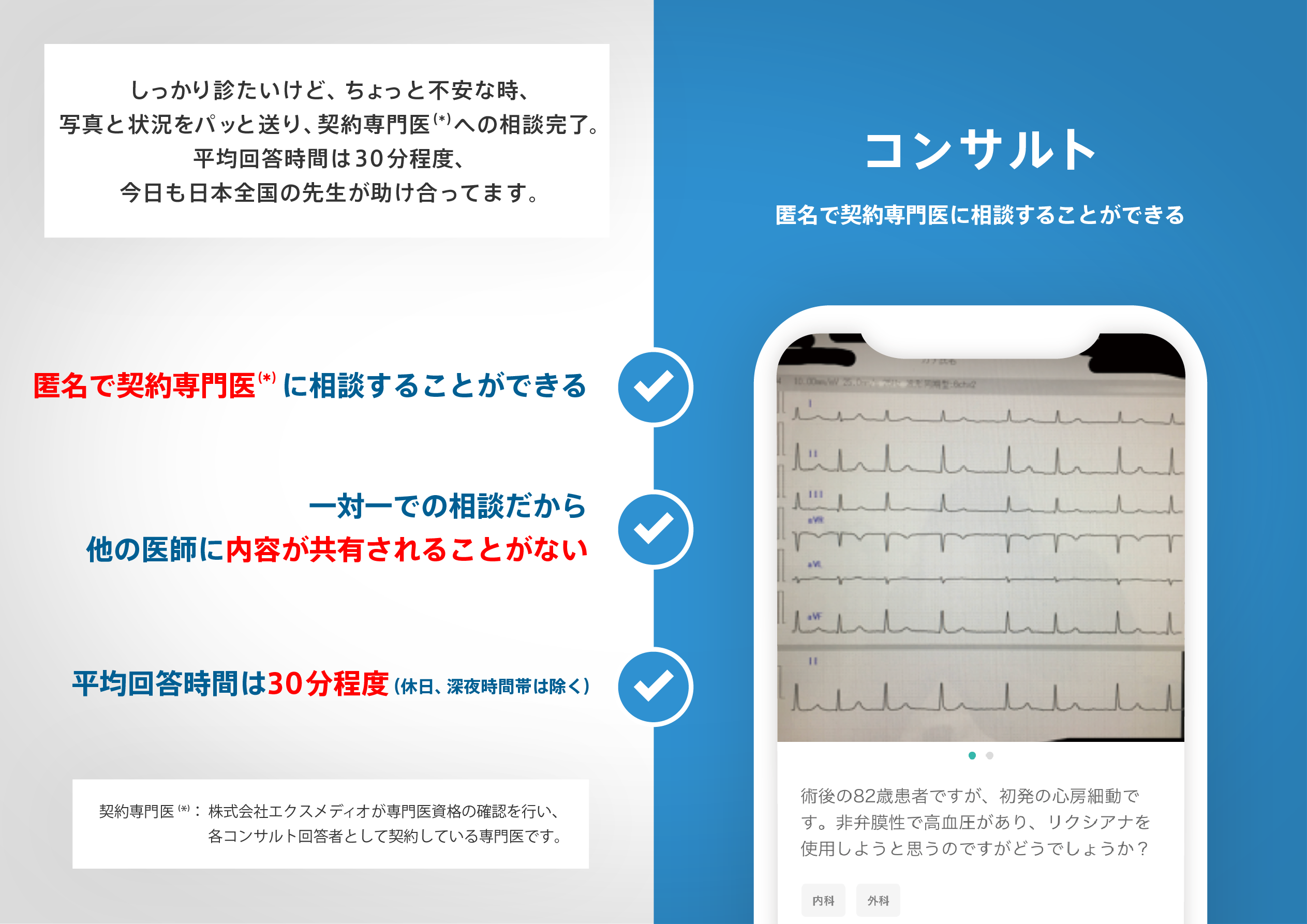
ヒポクラ x マイナビのご紹介

無料会員登録していただくと、さらに便利で効率的な検索が可能になります。