著名医師による解説が無料で読めます
すると翻訳の精度が向上します
抗血小板活性に加えて、小質量RGD含有ポリペプチドであるDisintegrinは、抗炎症効果を発揮することが示されていますが、関与するメカニズムは不明のままです。この研究では、Trimeresurus Mucrosquamatusの毒液からの崩壊であるトリモクリンが、THP-1およびRAW 264.7細胞のリポ多糖(LPS)誘導刺激を阻害することを報告しています。また、基礎となるメカニズムも調査します。トリモクリンは、腫瘍壊死因子α(TNFα)、インターロイキン-6(IL-6)、一酸化窒素、および反応性酸素種(ROS)を含む炎症誘発性サイトカインの放出を減少させ、LPS活性化ファゴシテスの接着と移動を阻害しました。トリモクリンは、誘導性一酸化窒素シンターゼ(INOS)やCOX-2などの核因子カッパブ(NF-κB)関連の下流誘導性酵素の発現を有意にブロックしました。さらに、その抗炎症効果は、マイトジェン活性化プロテインキナーゼ(MAPK)リン酸化の減少と関連していました。さらに、トリモクリン濃度は、局所接着キナーゼ(FAK)、PI3K、およびAktのLPS誘発性リン酸化を依存して依存していました。トリムクリンはまた、P65のLPS誘発核移行とサイトゾルIκB放出を抑制することにより、NF-κBのDNA結合活性を逆転させました。フローサイトメトリー分析により、トリモクリンは濃度依存的に細胞に結合することが示されました。抗αvβ3mabは、フルオレセインイソチオシアネート(FITC)結合トリムクリンの結合も特異的に減少しました。結合アッセイは、インテグリンαvβ3がTHP-1およびRAW 264.7細胞のトリムクリンの結合部位であることを示しました。結論として、LPS刺激THP-1およびRAW 264.7細胞におけるMAPキナーゼとNF-κB活性化をブロックすることにより、トリモクリンがINOS発現と一酸化窒素(NO)産生の減衰を通じて炎症反応を減少させることを示しました。
抗血小板活性に加えて、小質量RGD含有ポリペプチドであるDisintegrinは、抗炎症効果を発揮することが示されていますが、関与するメカニズムは不明のままです。この研究では、Trimeresurus Mucrosquamatusの毒液からの崩壊であるトリモクリンが、THP-1およびRAW 264.7細胞のリポ多糖(LPS)誘導刺激を阻害することを報告しています。また、基礎となるメカニズムも調査します。トリモクリンは、腫瘍壊死因子α(TNFα)、インターロイキン-6(IL-6)、一酸化窒素、および反応性酸素種(ROS)を含む炎症誘発性サイトカインの放出を減少させ、LPS活性化ファゴシテスの接着と移動を阻害しました。トリモクリンは、誘導性一酸化窒素シンターゼ(INOS)やCOX-2などの核因子カッパブ(NF-κB)関連の下流誘導性酵素の発現を有意にブロックしました。さらに、その抗炎症効果は、マイトジェン活性化プロテインキナーゼ(MAPK)リン酸化の減少と関連していました。さらに、トリモクリン濃度は、局所接着キナーゼ(FAK)、PI3K、およびAktのLPS誘発性リン酸化を依存して依存していました。トリムクリンはまた、P65のLPS誘発核移行とサイトゾルIκB放出を抑制することにより、NF-κBのDNA結合活性を逆転させました。フローサイトメトリー分析により、トリモクリンは濃度依存的に細胞に結合することが示されました。抗αvβ3mabは、フルオレセインイソチオシアネート(FITC)結合トリムクリンの結合も特異的に減少しました。結合アッセイは、インテグリンαvβ3がTHP-1およびRAW 264.7細胞のトリムクリンの結合部位であることを示しました。結論として、LPS刺激THP-1およびRAW 264.7細胞におけるMAPキナーゼとNF-κB活性化をブロックすることにより、トリモクリンがINOS発現と一酸化窒素(NO)産生の減衰を通じて炎症反応を減少させることを示しました。
In addition to antiplatelet activity, disintegrin, a small-mass RGD-containing polypeptide, has been shown to exert anti-inflammatory effects but the mechanism involved remains unclear. In this study, we report that trimucrin, a disintegrin from the venom of Trimeresurus mucrosquamatus, inhibits lipopolysaccharide (LPS)-induced stimulation of THP-1 and RAW 264.7 cells. We also investigate the underlying mechanism. Trimucrin decreased the release of proinflammatory cytokines including tumor necrosis factor α (TNFα), interleukin-6 (IL-6), nitric oxide, and reactive oxygen species (ROS), and inhibited the adhesion and migration of LPS-activated phagocytes. Trimucrin significantly blocked the expression of nuclear factor kappaB (NF-κB)-related downstream inducible enzymes such as inducible nitric oxide synthase (iNOS) and COX-2. In addition, its anti-inflammatory effect was associated with the decreased mitogen-activated protein kinase (MAPK) phosphorylation. Furthermore, trimucrin concentration dependently inhibited LPS-induced phosphorylation of focal adhesion kinase (FAK), PI3K, and Akt. Trimucrin also reversed the DNA-binding activity of NF-κB by suppressing the LPS-induced nuclear translocation of p65 and the cytosolic IκB release. Flow cytometric analyses showed that trimucrin bound to cells in a concentration-dependent manner. The anti-αVβ3 mAb also specifically decreased the binding of fluorescein isothiocyanate (FITC)-conjugated trimucrin. Binding assays demonstrated that integrin αVβ3 was the binding site for trimucrin on THP-1 and RAW 264.7 cells. In conclusion, we showed that trimucrin decreases the inflammatory reaction through the attenuation of iNOS expression and nitric oxide (NO) production by blocking MAP kinase and the NF-κB activation in LPS-stimulated THP-1 and RAW 264.7 cells.
医師のための臨床サポートサービス
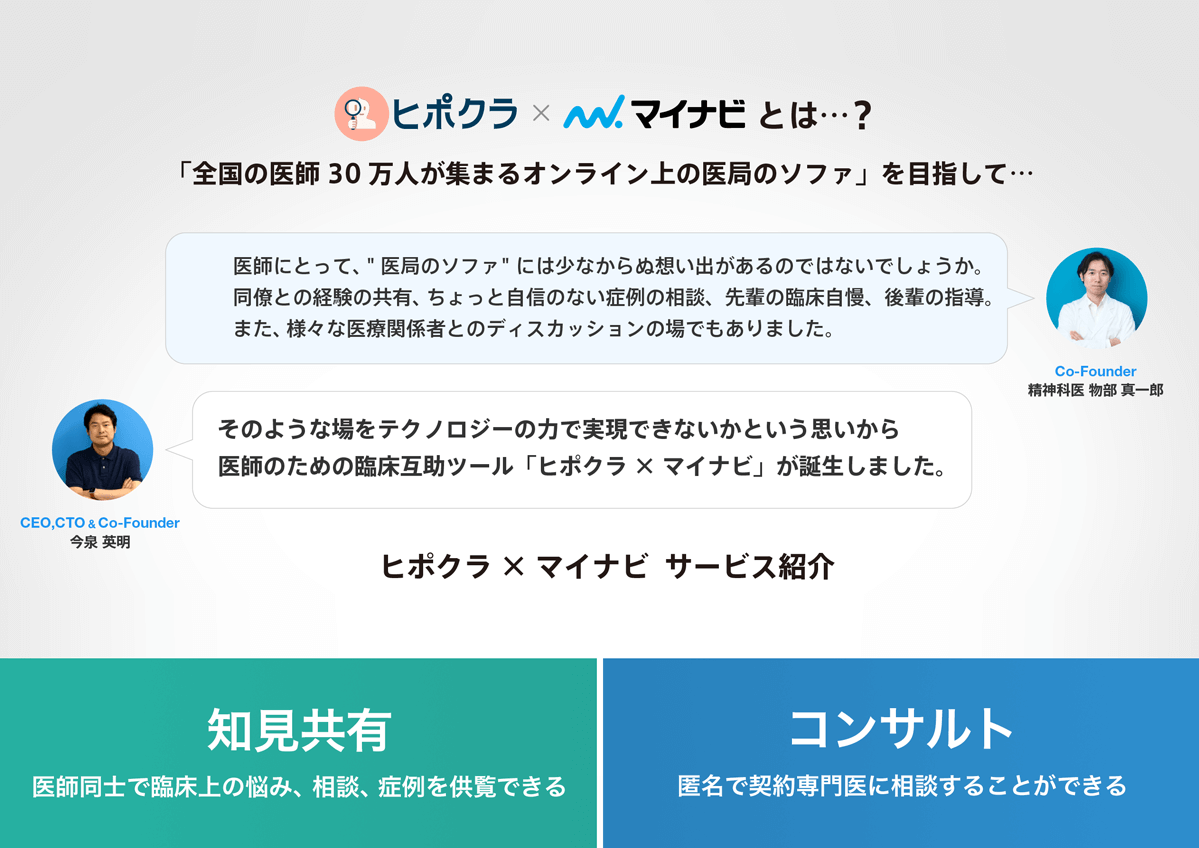
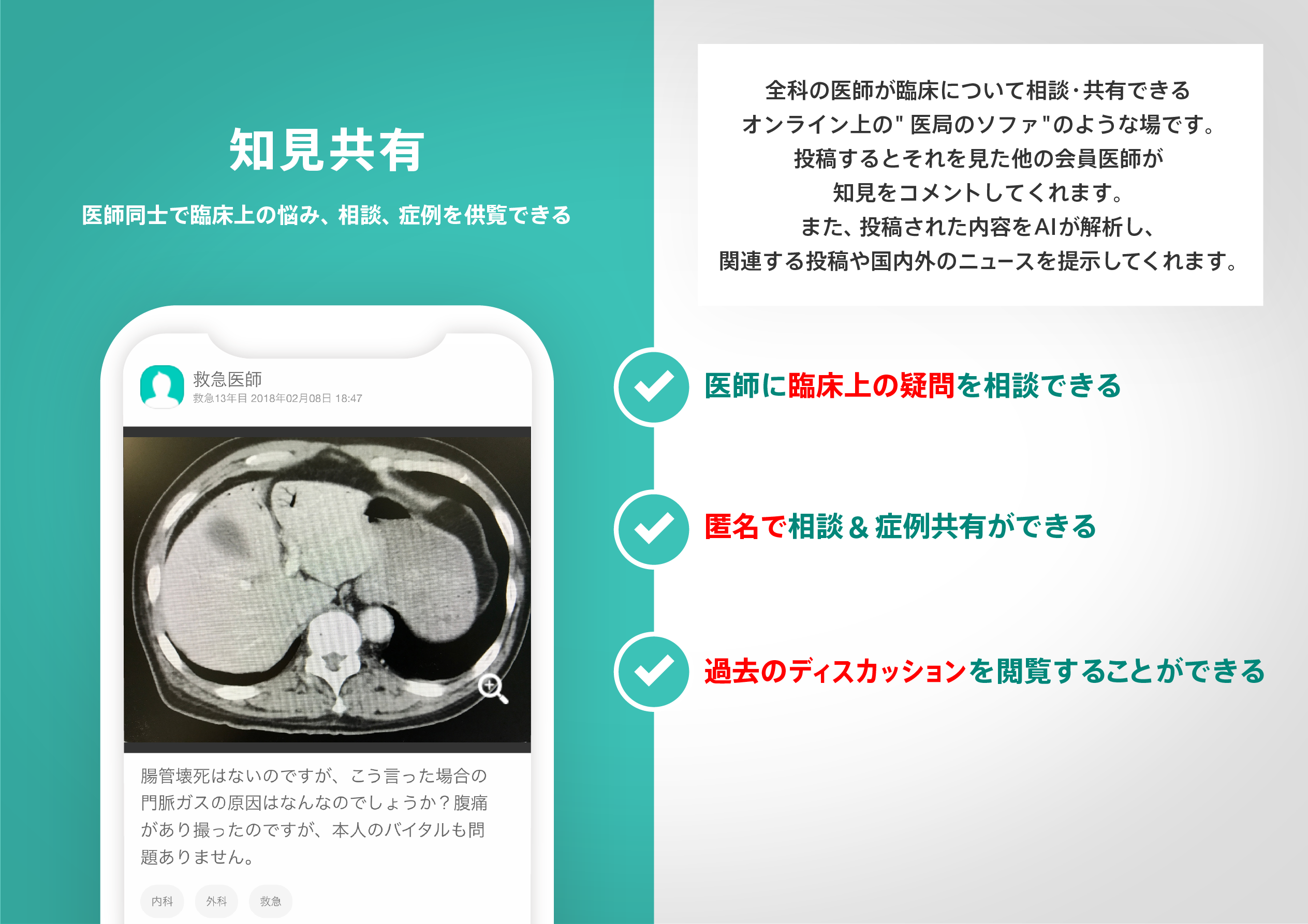
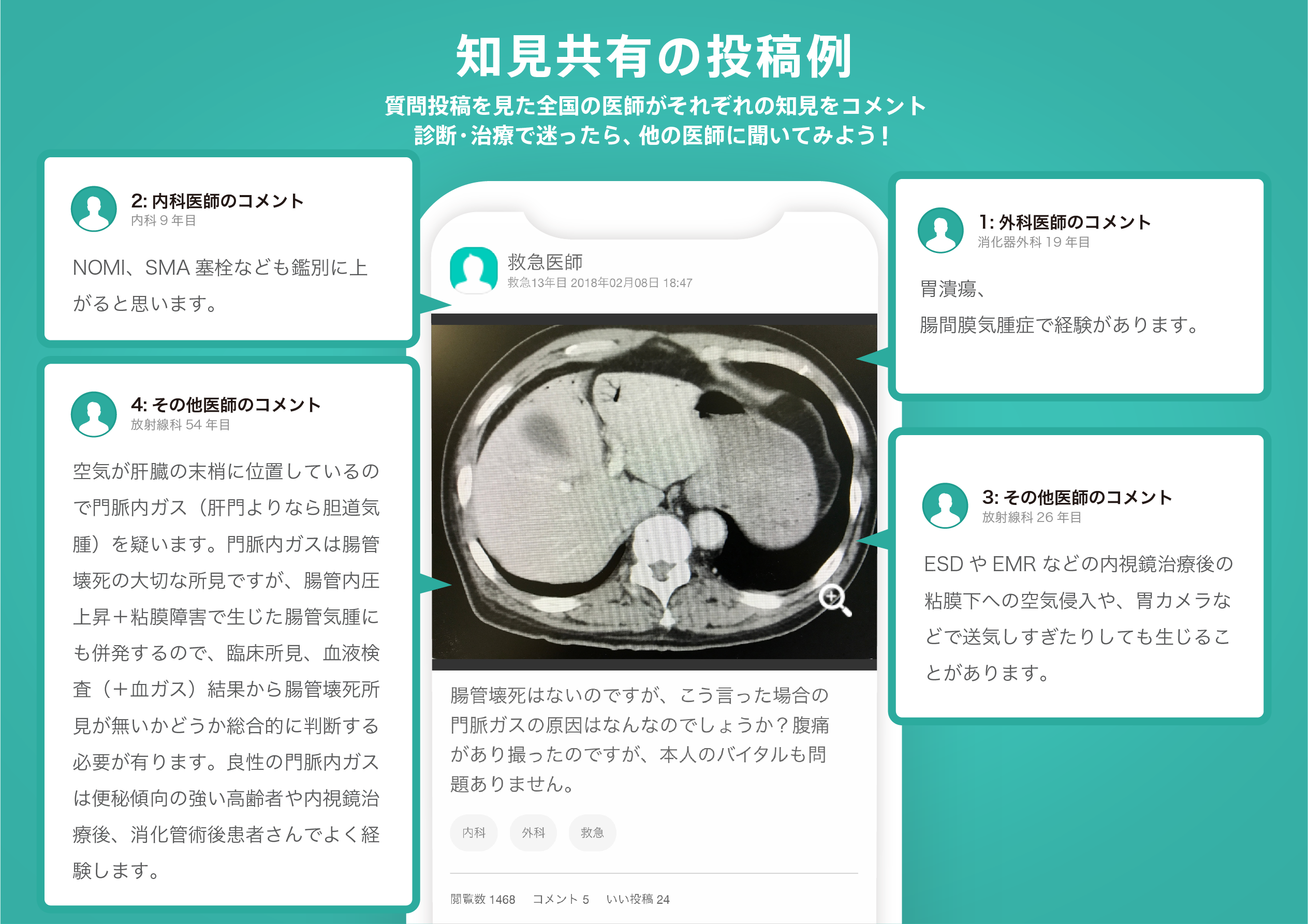
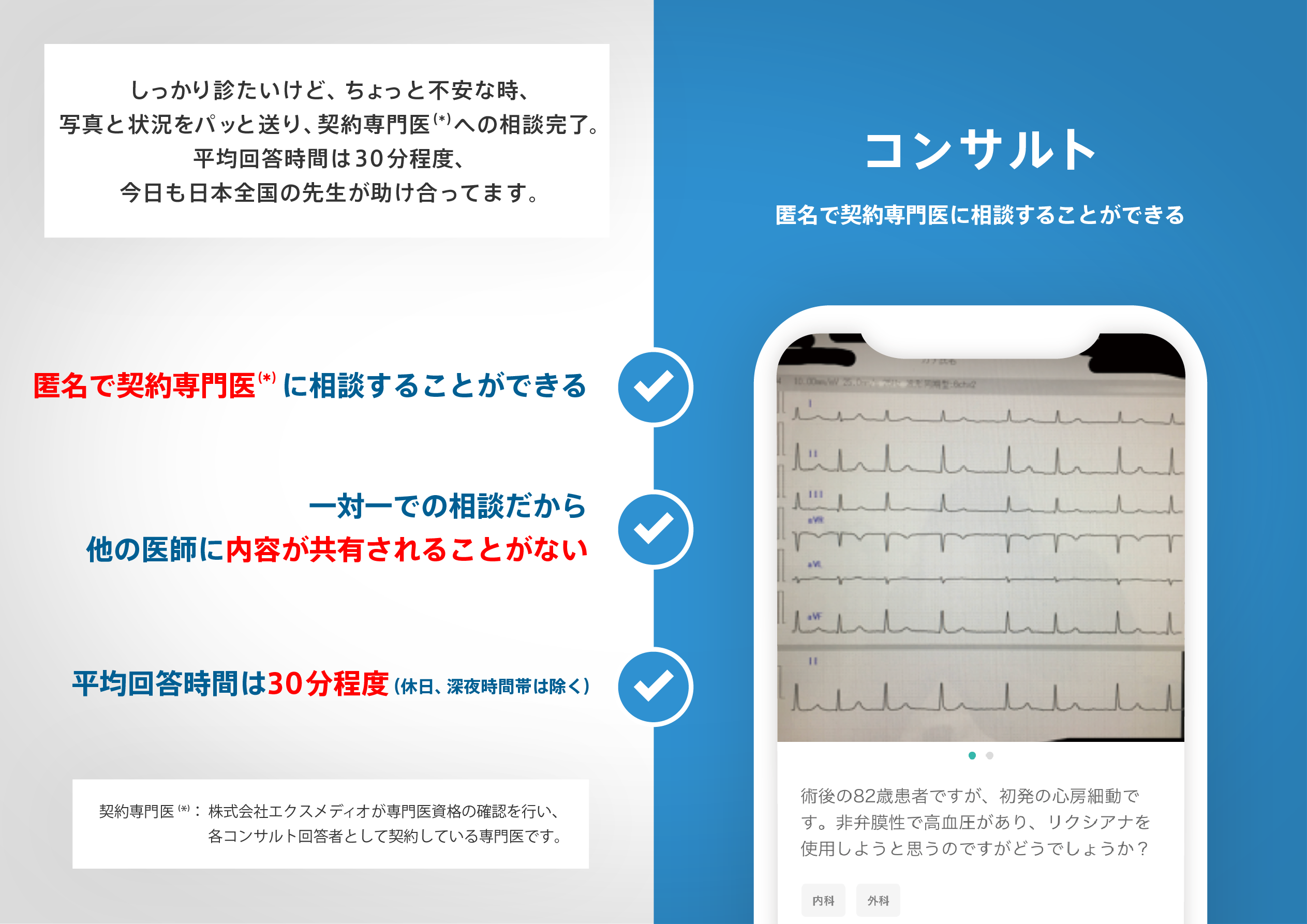
ヒポクラ x マイナビのご紹介

無料会員登録していただくと、さらに便利で効率的な検索が可能になります。