著名医師による解説が無料で読めます
すると翻訳の精度が向上します
背景: てんかんにおける突然の予期せぬ死 (SUDEP) は、てんかん患者の突然の、予期しない、目撃された、または目撃されていない、非外傷性または非溺死、発作の証拠の有無にかかわらず、文書化されたてんかん重積症を除き、死後検査では、死の構造的または毒物学的原因は明らかになりません。 SUDEP は 1,000 患者年あたり 1 ~ 2 人の発生率が報告されており、最も一般的なてんかん関連の死因となっています。全般性強直間代発作 (GTCS) の存在と頻度、男性、発作開始年齢の若さ、てんかんの持続時間、多剤療法はすべて、SUDEP のリスクの予測因子です。 SUDEP の正確な病態生理は現在のところ不明ですが、GTCS によって誘発される心臓、呼吸器、および脳幹の機能障害が発生する可能性が高いようです。適切に選択された抗てんかん薬治療は、患者の約 70% をすべての発作から解放することができます。しかし、約 3 分の 1 は多剤療法にもかかわらず薬剤不応性のままです。発作が続くと、患者は SUDEP、うつ病、生活の質の低下のリスクにさらされます。 SUDEP の予防戦略には、病変てんかん患者の術前評価のためのタイムリーな紹介とライフスタイル対策に関するアドバイスによる GTCS の発生の減少が含まれます。臨床観察および発作、呼吸、および心拍数の監視装置による心肺停止の検出。夜間監視と安全枕による気道閉塞の防止;物理的刺激による中枢性低換気の減少と、選択的セロトニン再取り込み阻害剤(SSRI)を使用した呼吸調節のセロトニン作動性メカニズムの強化。アデノシンおよび内因性オピオイド誘発性の脳および脳幹の抑制を軽減します。目的: てんかん患者の SUDEP 予防における介入の有効性を、介入のランダム化比較試験、コホートおよび症例対照の非ランダム化研究からの証拠を統合することによって評価すること。検索方法: 以下のデータベースを検索した: Cochrane Epilepsy Group Specialized Register。 Cochrane Register of Studies Online (CRSO) 経由の Cochrane Central Register of Controlled Trials (CENTRAL、2015 年第 11 号)。 MEDLINE (Ovid、1946 年以降); SCOPUS (1823 年以降); PsycINFO (EBSCOhost、1887 年以降); CINAHL Plus (EBSCOhost、1937 年以降); ClinicalTrials.gov;および世界保健機関 (WHO) の国際臨床試験登録プラットフォーム (ICTRP)。言語の制限はありませんでした。最後の検索日は 2015 年 11 月 12 日でした。検索された研究の参考文献リストをチェックして、関連する研究の追加レポートを確認し、関連する未発表の資料について主任研究著者に連絡しました。タイトル、著者名、場所、医療機関に従ってレポートをスクリーニングし、重複した研究を除外することにより、重複した研究を特定しました。以下を検索して、過去 5 年間に公開された灰色文献研究を特定しました。 ISI 議事録;国際てんかん事務局 (IBE) 会議議事録データベース。 International League Against Epilepsy (ILAE) 会議議事録データベース。シンポジウムや会議のアブストラクト本、会議のアブストラクト、研究報告書。選択基準: ランダム化比較試験 (RCT)、準 RCT、およびクラスター RCT を含めることを目的としました。前向き非無作為化コホート対照および非対照研究; SUDEPの予防のための介入を受けているてんかんの成人と子供の症例対照研究。含まれる介入の種類:病変てんかんの術前評価の早期対遅延。教育プログラム;発作監視装置;安全枕;夜間の監督;選択的セロトニン再取り込み阻害薬(SSRI);アヘン拮抗薬;そしてアデノシン拮抗薬。データ収集と分析: 含まれる研究の研究デザイン要因と参加者人口統計に関するデータを収集することを目的としました。関心のある主要な結果は、SUDEP による死亡数でした。副次的転帰には以下が含まれます:その他の死亡者数(SUDEP とは無関係)。平均うつ病および不安スコアの変化(研究内で定義);生活の質の臨床的に重要な変化、つまり、検証済みの生活の質の尺度による生活の質のスコア(平均およびエンドポイント)の変化。および発作のための病院への出席の数。主な結果: データベースと検索戦略から 582 のレコードを特定しました。他のリソースの検索 (ハンドサーチ) により、さらに 10 件のレコードが見つかりました。 211 件の重複レコードを削除し、レビューに含めるために 381 件のレコード (タイトルと要約) を選別しました。タイトルと要約に基づいて 364 件のレコードを除外し、17 件の記事の全文を評価しました。 15 件の研究を除外しました。8 件の研究は、SUDEP を予防する介入を評価していませんでした。 5 件の研究では、デバイスの感度を測定して GTCS を検出しましたが、SUDEP を直接測定していませんでした。また、2 件の研究では、SUDEP の危険因子が評価されましたが、SUDEP を予防するための介入は評価されませんでした。リストされた 1 件の研究は分類待ちです。このレビューでは、質的分析に重大なバイアスのリスクがある 1 件のケースコントロール研究を含めました。 154 例の SUDEP と 616 例の対照を対象としたこの研究では、夜間監視 (未調整のオッズ比 (OR) 0.34、95% 信頼区間 (CI) 0.22 ~ 0.53) の存在に対する保護効果が確認され、監視者が同じ寝室またはリスニングデバイスなどの特別な予防措置が使用された場合 (未調整 OR 0.41、95% CI 0.20 ~ 0.82)。この効果は、発作制御とは無関係でした。非 SUDEP 死亡;不安、抑うつ、生活の質の変化;病院の出席者数は報告されていません。著者の結論: SUDEP に対する夜間監視の予防効果については、非常に質の低いエビデンスが見つかりました。てんかん患者の SUDEP を予防するための発作検出装置、安全枕、SSRI、早期の外科的評価、教育プログラム、アヘン剤およびアデノシン拮抗薬など、他の現在の介入の有効性を特定するには、さらなる研究が必要です。
背景: てんかんにおける突然の予期せぬ死 (SUDEP) は、てんかん患者の突然の、予期しない、目撃された、または目撃されていない、非外傷性または非溺死、発作の証拠の有無にかかわらず、文書化されたてんかん重積症を除き、死後検査では、死の構造的または毒物学的原因は明らかになりません。 SUDEP は 1,000 患者年あたり 1 ~ 2 人の発生率が報告されており、最も一般的なてんかん関連の死因となっています。全般性強直間代発作 (GTCS) の存在と頻度、男性、発作開始年齢の若さ、てんかんの持続時間、多剤療法はすべて、SUDEP のリスクの予測因子です。 SUDEP の正確な病態生理は現在のところ不明ですが、GTCS によって誘発される心臓、呼吸器、および脳幹の機能障害が発生する可能性が高いようです。適切に選択された抗てんかん薬治療は、患者の約 70% をすべての発作から解放することができます。しかし、約 3 分の 1 は多剤療法にもかかわらず薬剤不応性のままです。発作が続くと、患者は SUDEP、うつ病、生活の質の低下のリスクにさらされます。 SUDEP の予防戦略には、病変てんかん患者の術前評価のためのタイムリーな紹介とライフスタイル対策に関するアドバイスによる GTCS の発生の減少が含まれます。臨床観察および発作、呼吸、および心拍数の監視装置による心肺停止の検出。夜間監視と安全枕による気道閉塞の防止;物理的刺激による中枢性低換気の減少と、選択的セロトニン再取り込み阻害剤(SSRI)を使用した呼吸調節のセロトニン作動性メカニズムの強化。アデノシンおよび内因性オピオイド誘発性の脳および脳幹の抑制を軽減します。目的: てんかん患者の SUDEP 予防における介入の有効性を、介入のランダム化比較試験、コホートおよび症例対照の非ランダム化研究からの証拠を統合することによって評価すること。検索方法: 以下のデータベースを検索した: Cochrane Epilepsy Group Specialized Register。 Cochrane Register of Studies Online (CRSO) 経由の Cochrane Central Register of Controlled Trials (CENTRAL、2015 年第 11 号)。 MEDLINE (Ovid、1946 年以降); SCOPUS (1823 年以降); PsycINFO (EBSCOhost、1887 年以降); CINAHL Plus (EBSCOhost、1937 年以降); ClinicalTrials.gov;および世界保健機関 (WHO) の国際臨床試験登録プラットフォーム (ICTRP)。言語の制限はありませんでした。最後の検索日は 2015 年 11 月 12 日でした。検索された研究の参考文献リストをチェックして、関連する研究の追加レポートを確認し、関連する未発表の資料について主任研究著者に連絡しました。タイトル、著者名、場所、医療機関に従ってレポートをスクリーニングし、重複した研究を除外することにより、重複した研究を特定しました。以下を検索して、過去 5 年間に公開された灰色文献研究を特定しました。 ISI 議事録;国際てんかん事務局 (IBE) 会議議事録データベース。 International League Against Epilepsy (ILAE) 会議議事録データベース。シンポジウムや会議のアブストラクト本、会議のアブストラクト、研究報告書。選択基準: ランダム化比較試験 (RCT)、準 RCT、およびクラスター RCT を含めることを目的としました。前向き非無作為化コホート対照および非対照研究; SUDEPの予防のための介入を受けているてんかんの成人と子供の症例対照研究。含まれる介入の種類:病変てんかんの術前評価の早期対遅延。教育プログラム;発作監視装置;安全枕;夜間の監督;選択的セロトニン再取り込み阻害薬(SSRI);アヘン拮抗薬;そしてアデノシン拮抗薬。データ収集と分析: 含まれる研究の研究デザイン要因と参加者人口統計に関するデータを収集することを目的としました。関心のある主要な結果は、SUDEP による死亡数でした。副次的転帰には以下が含まれます:その他の死亡者数(SUDEP とは無関係)。平均うつ病および不安スコアの変化(研究内で定義);生活の質の臨床的に重要な変化、つまり、検証済みの生活の質の尺度による生活の質のスコア(平均およびエンドポイント)の変化。および発作のための病院への出席の数。主な結果: データベースと検索戦略から 582 のレコードを特定しました。他のリソースの検索 (ハンドサーチ) により、さらに 10 件のレコードが見つかりました。 211 件の重複レコードを削除し、レビューに含めるために 381 件のレコード (タイトルと要約) を選別しました。タイトルと要約に基づいて 364 件のレコードを除外し、17 件の記事の全文を評価しました。 15 件の研究を除外しました。8 件の研究は、SUDEP を予防する介入を評価していませんでした。 5 件の研究では、デバイスの感度を測定して GTCS を検出しましたが、SUDEP を直接測定していませんでした。また、2 件の研究では、SUDEP の危険因子が評価されましたが、SUDEP を予防するための介入は評価されませんでした。リストされた 1 件の研究は分類待ちです。このレビューでは、質的分析に重大なバイアスのリスクがある 1 件のケースコントロール研究を含めました。 154 例の SUDEP と 616 例の対照を対象としたこの研究では、夜間監視 (未調整のオッズ比 (OR) 0.34、95% 信頼区間 (CI) 0.22 ~ 0.53) の存在に対する保護効果が確認され、監視者が同じ寝室またはリスニングデバイスなどの特別な予防措置が使用された場合 (未調整 OR 0.41、95% CI 0.20 ~ 0.82)。この効果は、発作制御とは無関係でした。非 SUDEP 死亡;不安、抑うつ、生活の質の変化;病院の出席者数は報告されていません。著者の結論: SUDEP に対する夜間監視の予防効果については、非常に質の低いエビデンスが見つかりました。てんかん患者の SUDEP を予防するための発作検出装置、安全枕、SSRI、早期の外科的評価、教育プログラム、アヘン剤およびアデノシン拮抗薬など、他の現在の介入の有効性を特定するには、さらなる研究が必要です。
BACKGROUND: Sudden Unexpected Death in Epilepsy (SUDEP) is defined as sudden, unexpected, witnessed or unwitnessed, non-traumatic or non-drowning death of people with epilepsy, with or without evidence of a seizure, excluding documented status epilepticus and in whom postmortem examination does not reveal a structural or toxicological cause for death. SUDEP has a reported incidence of 1 to 2 per 1000 patient years and represents the most common epilepsy-related cause of death. The presence and frequency of generalised tonic-clonic seizures (GTCS), male sex, early age of seizure onset, duration of epilepsy, and polytherapy are all predictors of risk of SUDEP. The exact pathophysiology of SUDEP is currently unknown, although GTCS-induced cardiac, respiratory, and brainstem dysfunction appears likely. Appropriately chosen antiepileptic drug treatment can render around 70% of patients free of all seizures. However, around one-third will remain drug refractory despite polytherapy. Continuing seizures place patients at risk of SUDEP, depression, and reduced quality of life. Preventative strategies for SUDEP include reducing the occurrence of GTCS by timely referral for presurgical evaluation in people with lesional epilepsy and advice on lifestyle measures; detecting cardiorespiratory distress through clinical observation and seizure, respiratory, and heart rate monitoring devices; preventing airway obstruction through nocturnal supervision and safety pillows; reducing central hypoventilation through physical stimulation and enhancing serotonergic mechanisms of respiratory regulation using selective serotonin reuptake inhibitors (SSRIs); reducing adenosine and endogenous opioid-induced brain and brainstem depression. OBJECTIVES: To assess the effectiveness of interventions in preventing SUDEP in people with epilepsy by synthesising evidence from randomised controlled trials of interventions and cohort and case-control non-randomised studies. SEARCH METHODS: We searched the following databases: Cochrane Epilepsy Group Specialized Register; Cochrane Central Register of Controlled Trials (CENTRAL, Issue 11, 2015) via the Cochrane Register of Studies Online (CRSO); MEDLINE (Ovid, 1946 onwards); SCOPUS (1823 onwards); PsycINFO (EBSCOhost, 1887 onwards); CINAHL Plus (EBSCOhost, 1937 onwards); ClinicalTrials.gov; and the World Health Organization (WHO) International Clinical Trials Registry Platform (ICTRP). We used no language restrictions. The date of the last search was 12 November 2015. We checked the reference lists of retrieved studies for additional reports of relevant studies and contacted lead study authors for any relevant unpublished material. We identified duplicate studies by screening reports according to title, authors' names, location, and medical institute, omitting any duplicated studies. We identified any grey literature studies published in the last five years by searching: Zetoc database; ISI Proceedings; International Bureau for Epilepsy (IBE) congress proceedings database; International League Against Epilepsy (ILAE) congress proceedings database; abstract books of symposia and congresses, meeting abstracts, and research reports. SELECTION CRITERIA: We aimed to include randomised controlled trials (RCTs), quasi-RCTs, and cluster-RCTs; prospective non-randomised cohort controlled and uncontrolled studies; and case-control studies of adults and children with epilepsy receiving an intervention for the prevention of SUDEP. Types of interventions included: early versus delayed pre-surgical evaluation for lesional epilepsy; educational programmes; seizure-monitoring devices; safety pillows; nocturnal supervision; selective serotonin reuptake inhibitors (SSRIs); opiate antagonists; and adenosine antagonists. DATA COLLECTION AND ANALYSIS: We aimed to collect data on study design factors and participant demographics for included studies. The primary outcome of interest was the number of deaths from SUDEP. Secondary outcomes included: number of other deaths (unrelated to SUDEP); change in mean depression and anxiety scores (as defined within the study); clinically important change in quality of life, that is any change in quality of life score (average and endpoint) according to validated quality of life scales; and number of hospital attendances for seizures. MAIN RESULTS: We identified 582 records from the databases and search strategies. We found 10 further records by searching other resources (handsearching). We removed 211 duplicate records and screened 381 records (title and abstract) for inclusion in the review. We excluded 364 records based on the title and abstract and assessed 17 full-text articles. We excluded 15 studies: eight studies did not assess interventions to prevent SUDEP; five studies measured sensitivity of devices to detect GTCS but did not directly measure SUDEP; and two studies assessed risk factors for SUDEP but not interventions for preventing SUDEP. One listed study is awaiting classification.We included one case-control study at serious risk of bias within a qualitative analysis in this review. This study of 154 cases of SUDEP and 616 controls ascertained a protective effect for the presence of nocturnal supervision (unadjusted odds ratio (OR) 0.34, 95% confidence interval (CI) 0.22 to 0.53) and when a supervising person shared the same bedroom or when special precautions, for example a listening device, were used (unadjusted OR 0.41, 95% CI 0.20 to 0.82). This effect was independent of seizure control. Non-SUDEP deaths; changes to anxiety, depression, and quality of life; and number of hospital attendances were not reported. AUTHORS' CONCLUSIONS: We found very low-quality evidence of a preventative effect for nocturnal supervision against SUDEP. Further research is required to identify the effectiveness of other current interventions, for example seizure detection devices, safety pillows, SSRIs, early surgical evaluation, educational programmes, and opiate and adenosine antagonists in preventing SUDEP in people with epilepsy.
医師のための臨床サポートサービス
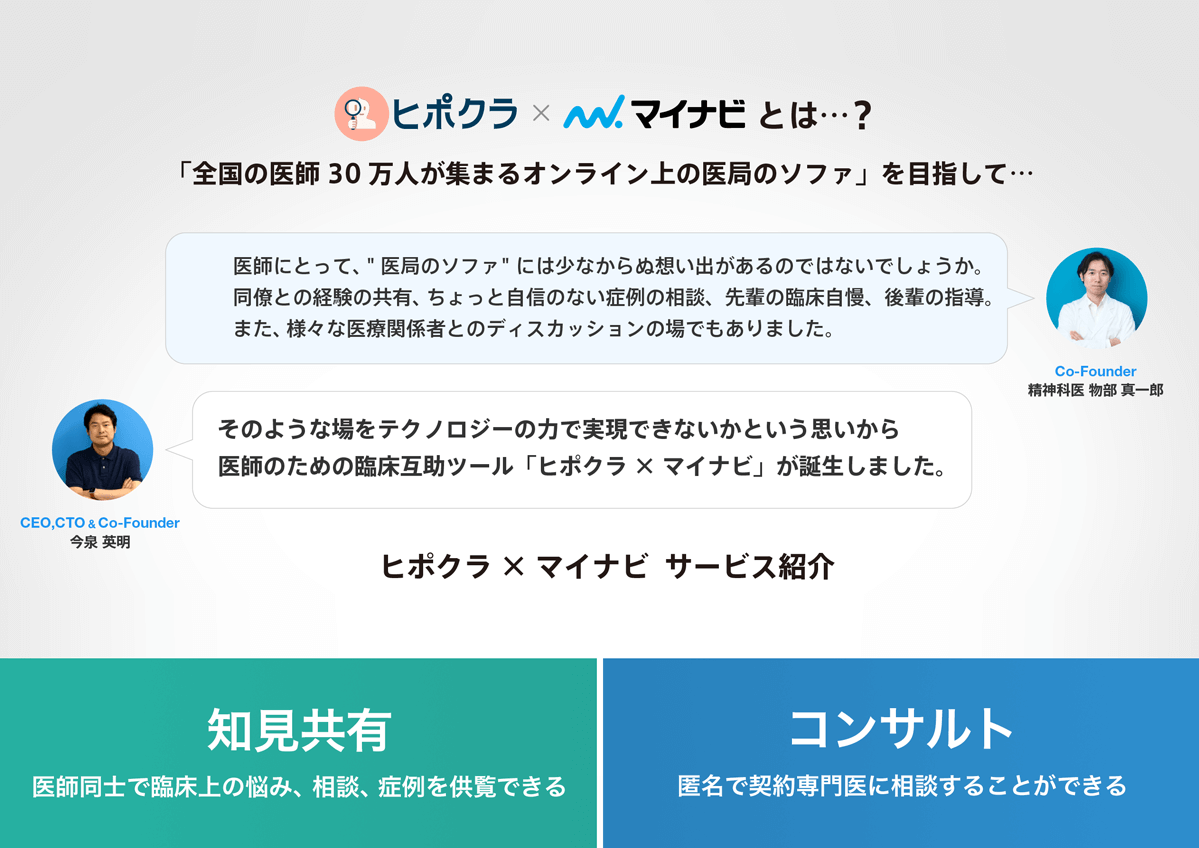
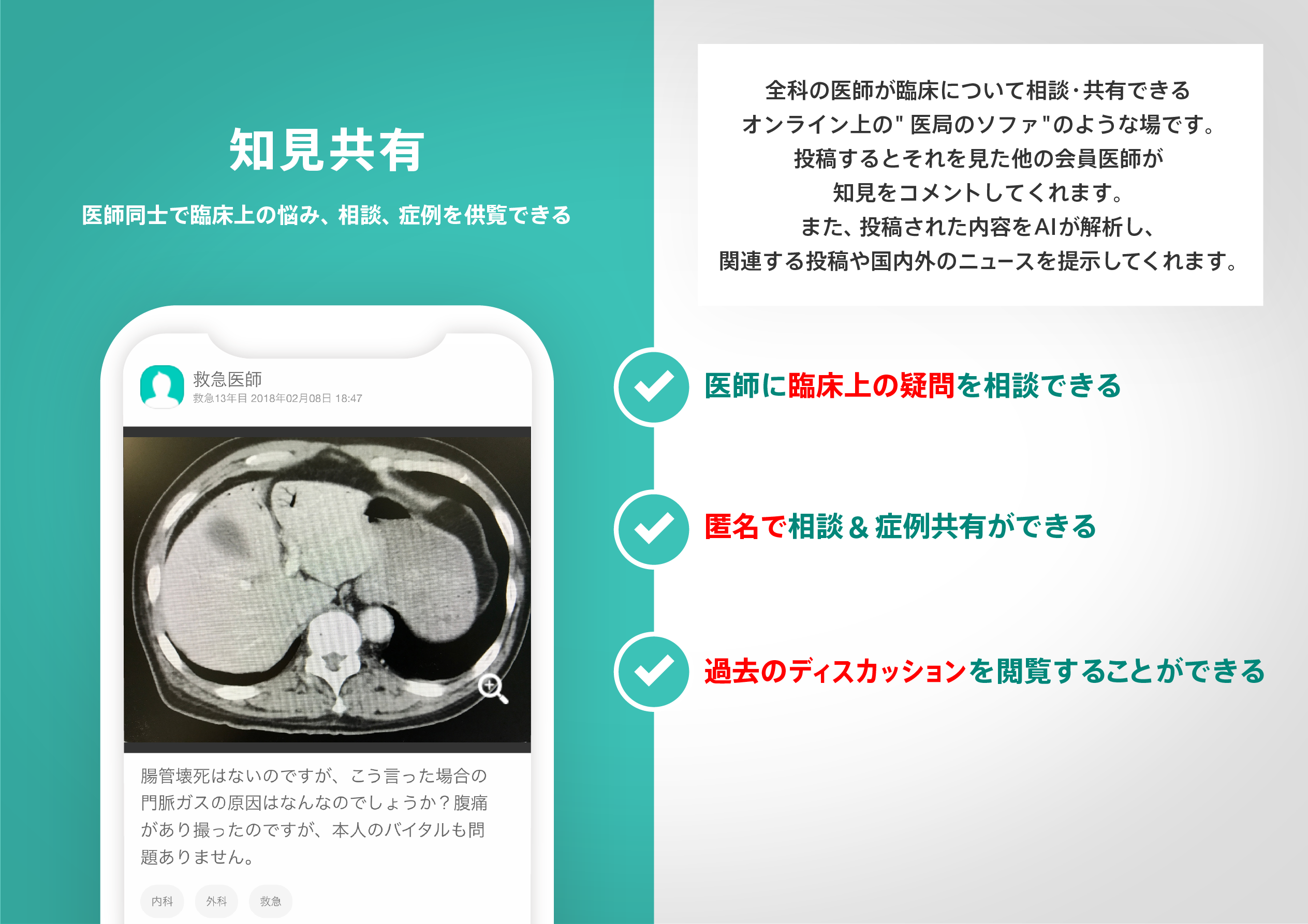
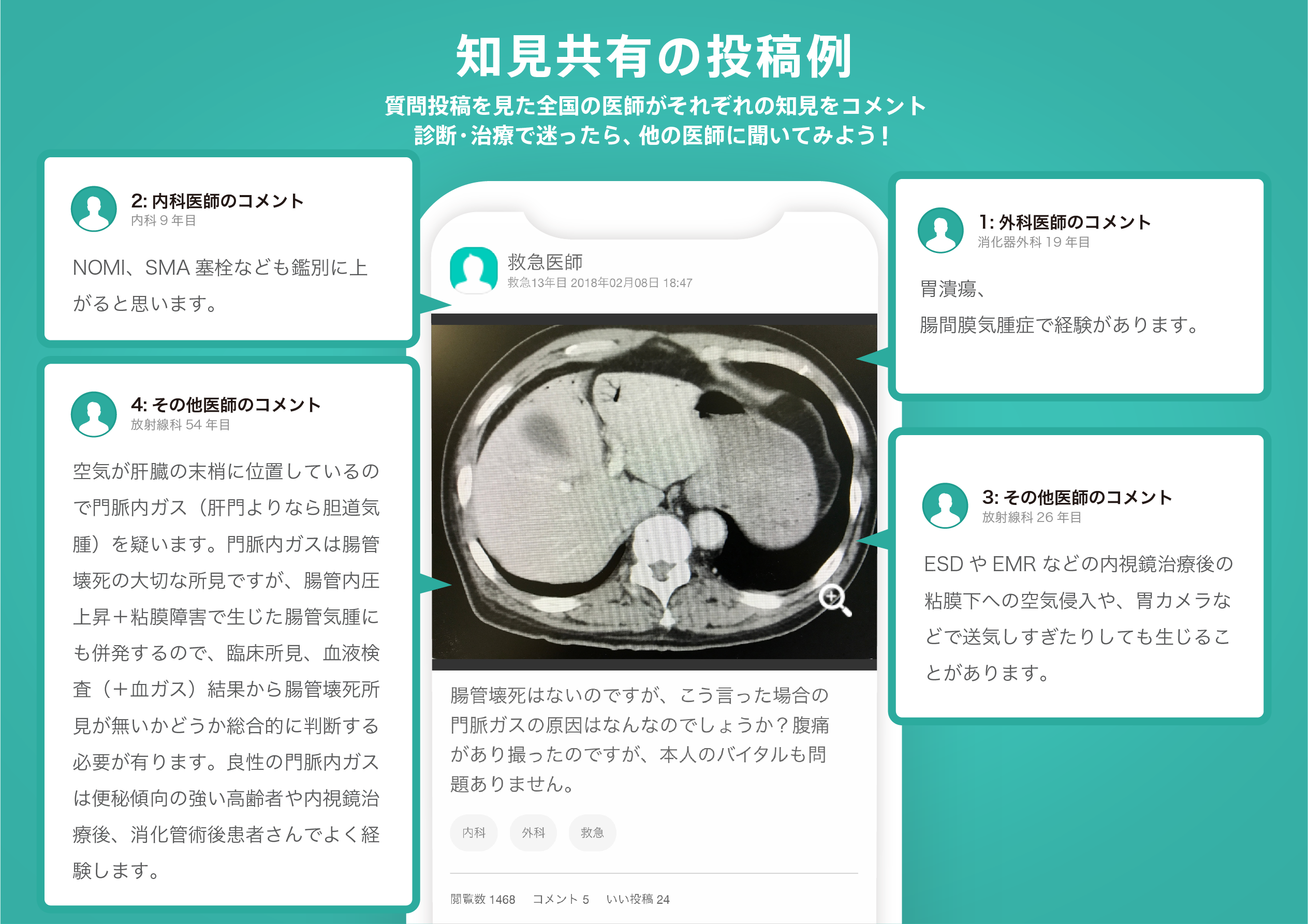
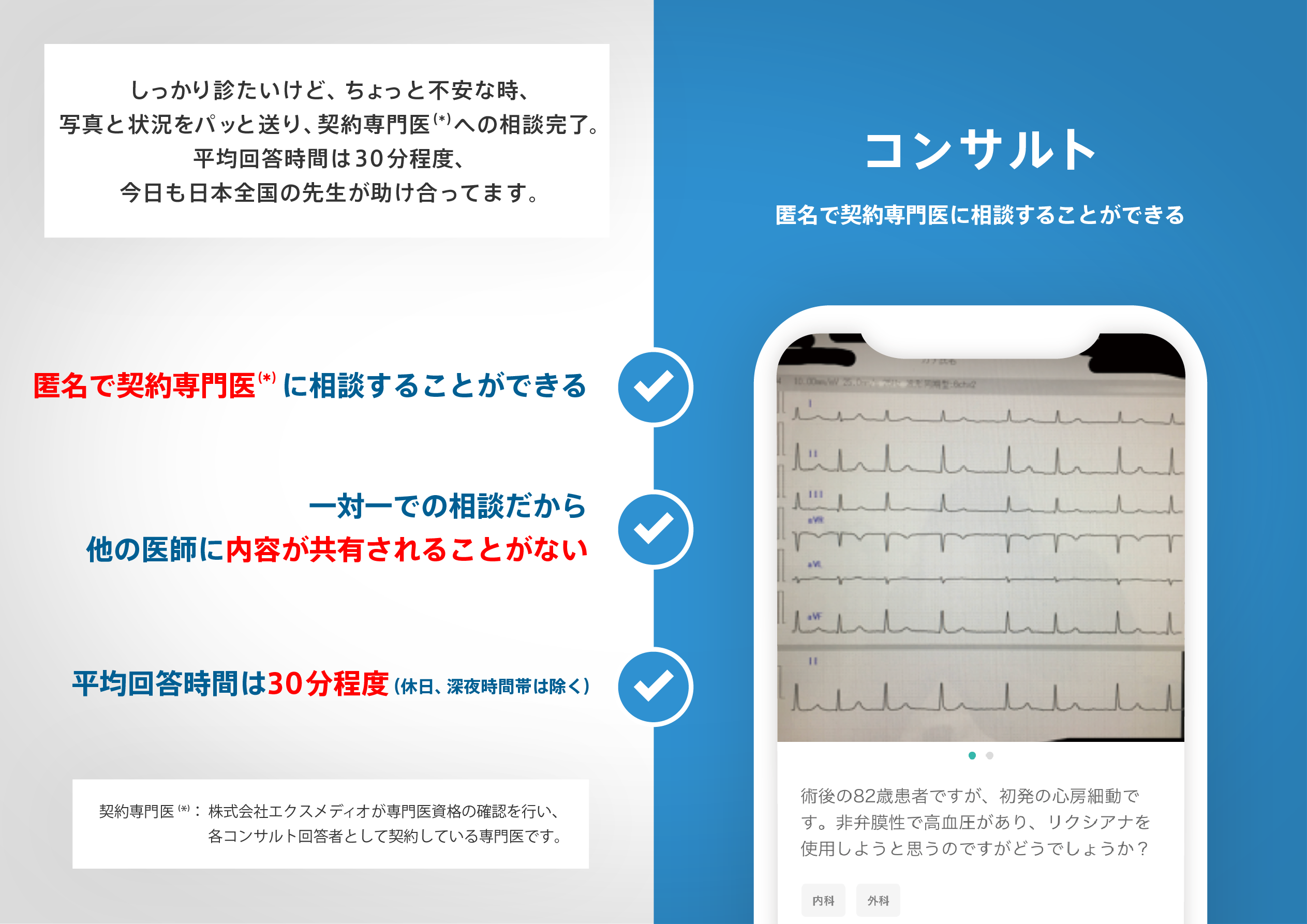
ヒポクラ x マイナビのご紹介

無料会員登録していただくと、さらに便利で効率的な検索が可能になります。