著名医師による解説が無料で読めます
すると翻訳の精度が向上します
ラパマイシン複合体1(MTORC1)の機械的標的は、成長因子やアミノ酸を含む栄養素などの入力と同化および異化の細胞プロセスを調整する真核生物成長の主要な調節因子です。哺乳類では、アルギニンは特に重要であり、免疫細胞の活性化、インスリン分泌、筋肉の成長などの多様な生理学的効果を促進します。アルギニンは、GTPaseのRAGファミリーのMTORC1を活性化し、リソソームアミノ酸トランスポーターSLC38A9またはMTORC1のGator2相互作用細胞アルギニンセンサー(Castor1)を介して活性化します。ただし、MTORC1経路がこのアルギニンシグナルを検出および送信するメカニズムはとらえどころのないものでした。ここでは、アルギニン結合castor1の1.8Åの結晶構造を提示します1。ホモダイマーcastor1は、2つのアスパラギン酸キナーゼ、コリスマ酸ミューターゼ、Tyra(ACT)ドメインの界面でアルギニンに結合し、隣接するGator2結合部位のアロステリック制御を可能にし、GATOR2からの解離をトリガーし、MTORC1の下流の活性化を引き起こします。私たちのデータは、Castor1が原核生物のアスパラギン酸キナーゼのリジン結合調節領域と実質的な構造相同性を共有していることを明らかにしており、MTORC1経路がアルギニン感受性を獲得するために古代のアミノ酸依存性アロステリックメカニズムを搾取したことを示唆しています。一緒に、これらの結果は、MTORC1経路によるアルギニンセンシングの構造的基盤を確立し、哺乳類の栄養センサーの進化に関する洞察を提供します。
ラパマイシン複合体1(MTORC1)の機械的標的は、成長因子やアミノ酸を含む栄養素などの入力と同化および異化の細胞プロセスを調整する真核生物成長の主要な調節因子です。哺乳類では、アルギニンは特に重要であり、免疫細胞の活性化、インスリン分泌、筋肉の成長などの多様な生理学的効果を促進します。アルギニンは、GTPaseのRAGファミリーのMTORC1を活性化し、リソソームアミノ酸トランスポーターSLC38A9またはMTORC1のGator2相互作用細胞アルギニンセンサー(Castor1)を介して活性化します。ただし、MTORC1経路がこのアルギニンシグナルを検出および送信するメカニズムはとらえどころのないものでした。ここでは、アルギニン結合castor1の1.8Åの結晶構造を提示します1。ホモダイマーcastor1は、2つのアスパラギン酸キナーゼ、コリスマ酸ミューターゼ、Tyra(ACT)ドメインの界面でアルギニンに結合し、隣接するGator2結合部位のアロステリック制御を可能にし、GATOR2からの解離をトリガーし、MTORC1の下流の活性化を引き起こします。私たちのデータは、Castor1が原核生物のアスパラギン酸キナーゼのリジン結合調節領域と実質的な構造相同性を共有していることを明らかにしており、MTORC1経路がアルギニン感受性を獲得するために古代のアミノ酸依存性アロステリックメカニズムを搾取したことを示唆しています。一緒に、これらの結果は、MTORC1経路によるアルギニンセンシングの構造的基盤を確立し、哺乳類の栄養センサーの進化に関する洞察を提供します。
The mechanistic Target of Rapamycin Complex 1 (mTORC1) is a major regulator of eukaryotic growth that coordinates anabolic and catabolic cellular processes with inputs such as growth factors and nutrients, including amino acids. In mammals arginine is particularly important, promoting diverse physiological effects such as immune cell activation, insulin secretion, and muscle growth, largely mediated through activation of mTORC1 (refs 4, 5, 6, 7). Arginine activates mTORC1 upstream of the Rag family of GTPases, through either the lysosomal amino acid transporter SLC38A9 or the GATOR2-interacting Cellular Arginine Sensor for mTORC1 (CASTOR1). However, the mechanism by which the mTORC1 pathway detects and transmits this arginine signal has been elusive. Here, we present the 1.8 Å crystal structure of arginine-bound CASTOR1. Homodimeric CASTOR1 binds arginine at the interface of two Aspartate kinase, Chorismate mutase, TyrA (ACT) domains, enabling allosteric control of the adjacent GATOR2-binding site to trigger dissociation from GATOR2 and downstream activation of mTORC1. Our data reveal that CASTOR1 shares substantial structural homology with the lysine-binding regulatory domain of prokaryotic aspartate kinases, suggesting that the mTORC1 pathway exploited an ancient, amino-acid-dependent allosteric mechanism to acquire arginine sensitivity. Together, these results establish a structural basis for arginine sensing by the mTORC1 pathway and provide insights into the evolution of a mammalian nutrient sensor.
医師のための臨床サポートサービス
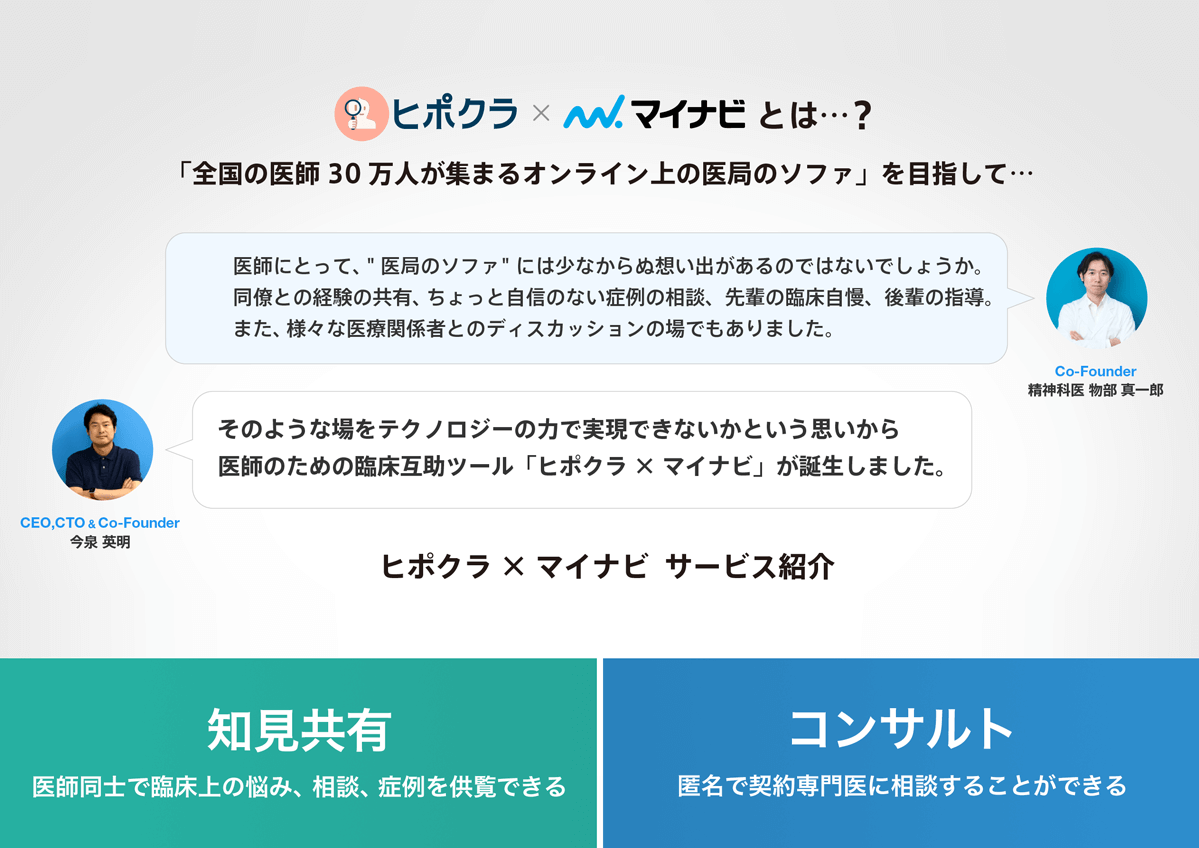
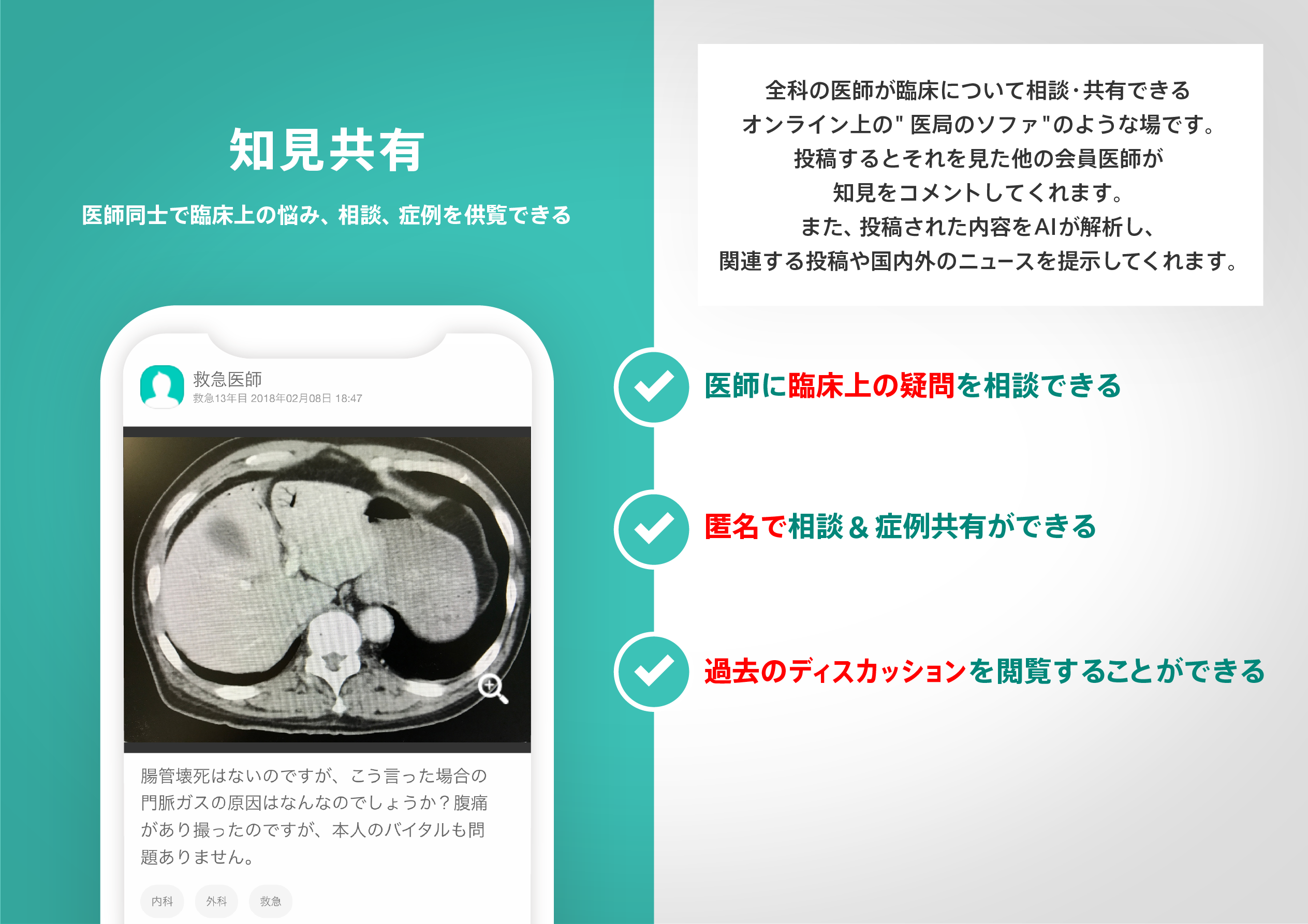
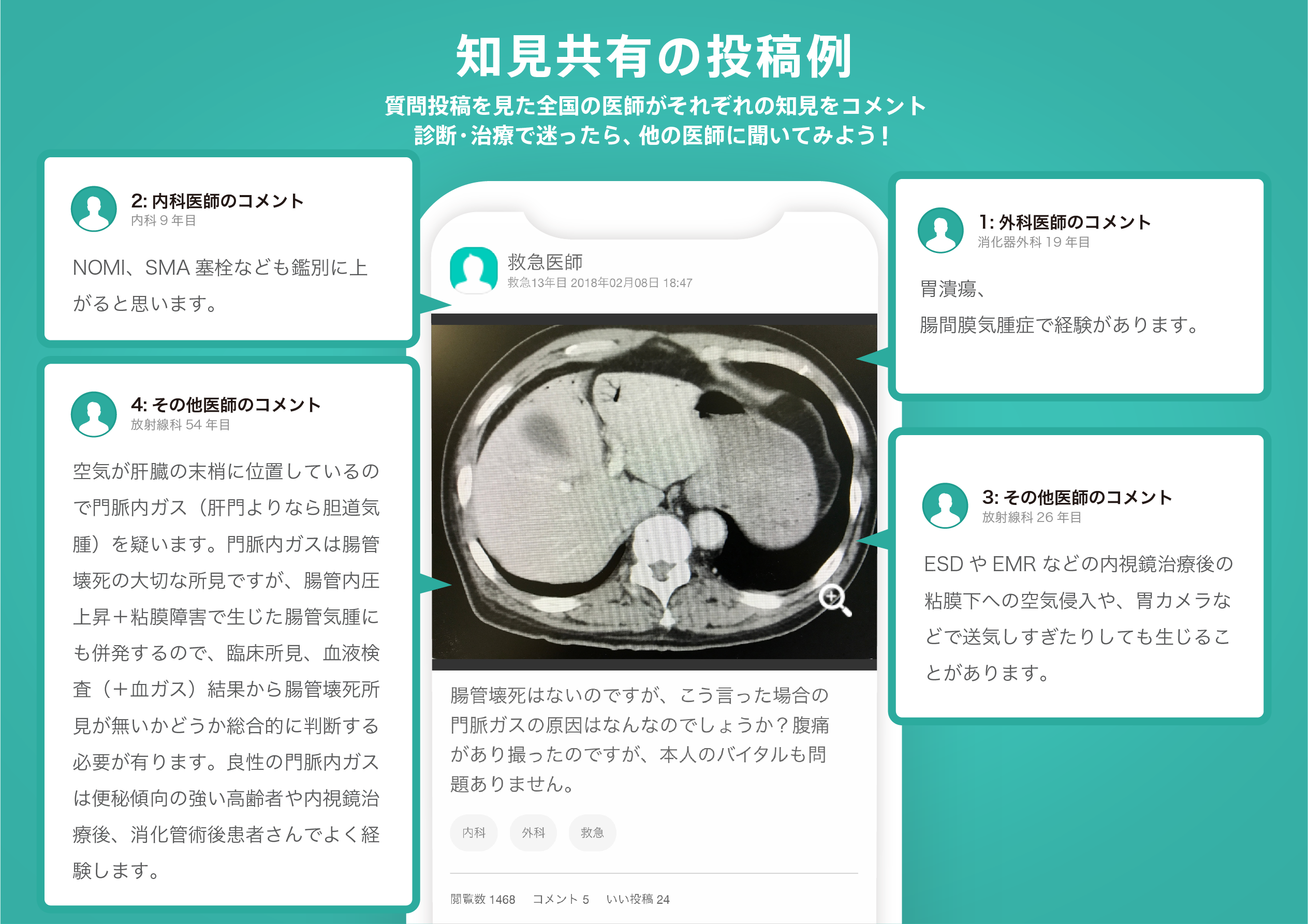
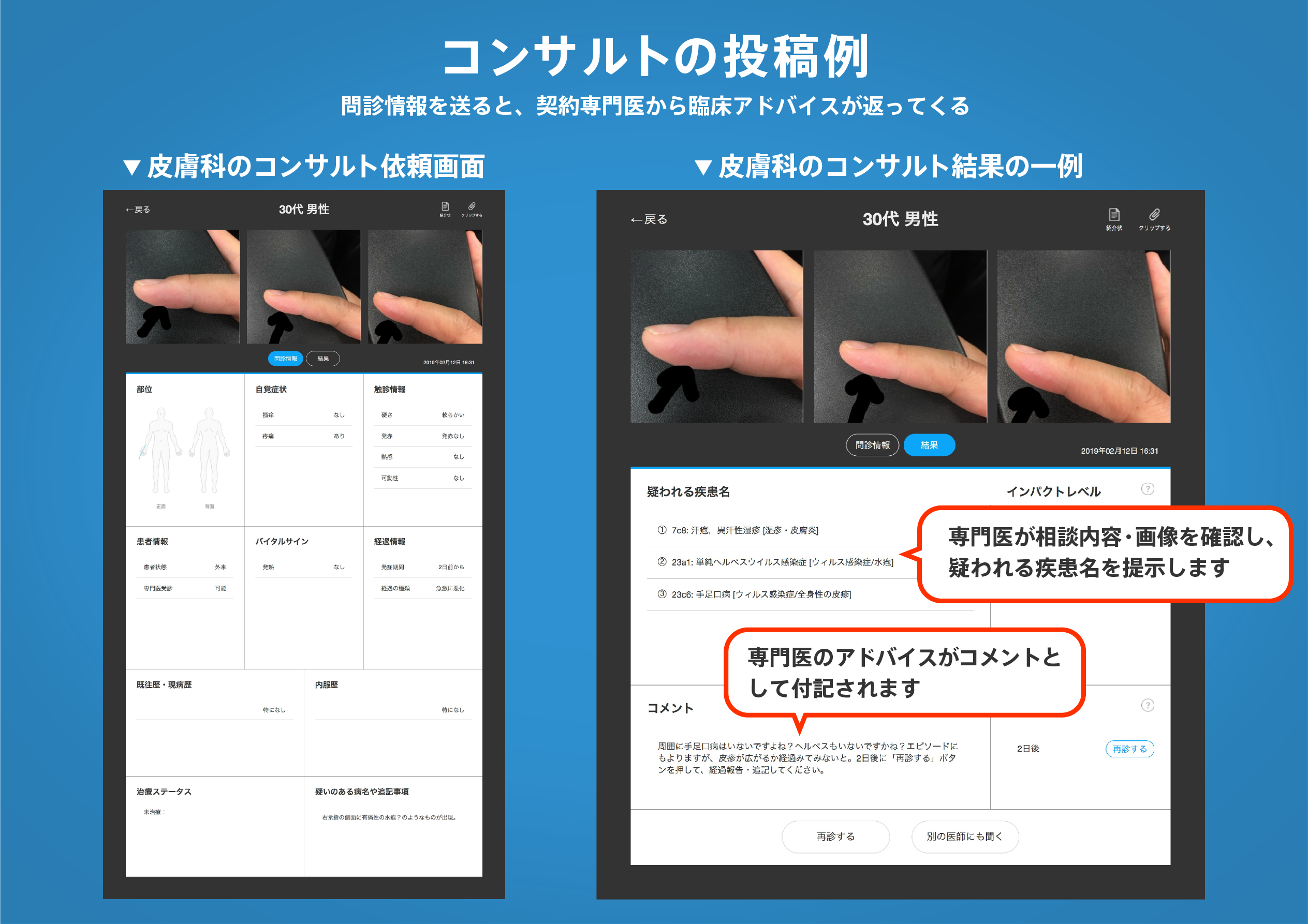
ヒポクラ x マイナビのご紹介


無料会員登録していただくと、さらに便利で効率的な検索が可能になります。