著名医師による解説が無料で読めます
すると翻訳の精度が向上します
目的:AIDS関連の死亡率は、非常に活性な抗レトロウイルス療法(HAART)の発症により劇的に変化しました。これにより、補償されたHIV感染患者は、日和見病原体に対する二次療法から撤退することさえ許可されています。しかし、最近検死したHIV感染患者では、詳細な分析が不足しているものの、広範囲の病原体との関連が残っていることが観察されました。したがって、HIVに感染した患者に関連する病原体の頻度とスペクトルシフトの可能性に焦点を合わせました。 設計:死後のHIV感染患者で発見された病原体の頻度とスペクトルの変化は、HIVに感染した患者で以前に発見された変化を再現しなかったと仮定しました。これは中央ヨーロッパと東ヨーロッパに由来する最初の包括的な研究であるため、データを西ヨーロッパおよび南西ヨーロッパ、米国、ラテンアメリカで得たデータも比較しました。 方法:1985年から2014年の間にチェコ共和国のエイズまたはその他の併存疾患で死亡した124人のHIV感染患者に対して検死を行いました。病理学的所見は、完全な死後検査と剖検記録から回収されました。 結果:82の病原体種をカバーする合計502の宿主病原体記録を収集しました。これは、患者の治療に従って、または流行の発症以来変化しなかったスペクトルです。通常(症例の95%で、最後に利用可能なCD4+細胞数は、投与された治療に関係なく、200個の細胞*μL-1を下回っていました)。HIV感染患者の新たに特定された病原性分類群には、Acinetobacter calcoaceticus、Aerococcus viridans、およびEscherichia hermanniiが含まれていました。ヨーロッパ、米国、ラテンアメリカのHIV感染患者で発見された病原体種のスペクトルと頻度の両方で、非常に限られた重複が観察されました。 結論:補償されたHIV感染患者で以前に文書化されたシフトは、HAART後の時代に腹内膜を検査した患者を検査しています。
目的:AIDS関連の死亡率は、非常に活性な抗レトロウイルス療法(HAART)の発症により劇的に変化しました。これにより、補償されたHIV感染患者は、日和見病原体に対する二次療法から撤退することさえ許可されています。しかし、最近検死したHIV感染患者では、詳細な分析が不足しているものの、広範囲の病原体との関連が残っていることが観察されました。したがって、HIVに感染した患者に関連する病原体の頻度とスペクトルシフトの可能性に焦点を合わせました。 設計:死後のHIV感染患者で発見された病原体の頻度とスペクトルの変化は、HIVに感染した患者で以前に発見された変化を再現しなかったと仮定しました。これは中央ヨーロッパと東ヨーロッパに由来する最初の包括的な研究であるため、データを西ヨーロッパおよび南西ヨーロッパ、米国、ラテンアメリカで得たデータも比較しました。 方法:1985年から2014年の間にチェコ共和国のエイズまたはその他の併存疾患で死亡した124人のHIV感染患者に対して検死を行いました。病理学的所見は、完全な死後検査と剖検記録から回収されました。 結果:82の病原体種をカバーする合計502の宿主病原体記録を収集しました。これは、患者の治療に従って、または流行の発症以来変化しなかったスペクトルです。通常(症例の95%で、最後に利用可能なCD4+細胞数は、投与された治療に関係なく、200個の細胞*μL-1を下回っていました)。HIV感染患者の新たに特定された病原性分類群には、Acinetobacter calcoaceticus、Aerococcus viridans、およびEscherichia hermanniiが含まれていました。ヨーロッパ、米国、ラテンアメリカのHIV感染患者で発見された病原体種のスペクトルと頻度の両方で、非常に限られた重複が観察されました。 結論:補償されたHIV感染患者で以前に文書化されたシフトは、HAART後の時代に腹内膜を検査した患者を検査しています。
OBJECTIVE: AIDS-related mortality has changed dramatically with the onset of highly active antiretroviral therapy (HAART), which has even allowed compensated HIV-infected patients to withdraw from secondary therapy directed against opportunistic pathogens. However, in recently autopsied HIV-infected patients, we observed that associations with a broad spectrum of pathogens remain, although detailed analyses are lacking. Therefore, we focused on the possible frequency and spectrum shifts in pathogens associated with autopsied HIV-infected patients. DESIGN: We hypothesized that the pathogens frequency and spectrum changes found in HIV-infected patients examined postmortem did not recapitulate the changes found previously in HIV-infected patients examined antemortem in both the pre- and post-HAART eras. Because this is the first comprehensive study originating from Central and Eastern Europe, we also compared our data with those obtained in the West and Southwest Europe, USA and Latin America. METHODS: We performed autopsies on 124 HIV-infected patients who died from AIDS or other co-morbidities in the Czech Republic between 1985 and 2014. The pathological findings were retrieved from the full postmortem examinations and autopsy records. RESULTS: We collected a total of 502 host-pathogen records covering 82 pathogen species, a spectrum that did not change according to patients' therapy or since the onset of the epidemics, which can probably be explained by the fact that even recently deceased patients were usually decompensated (in 95% of the cases, the last available CD4+ cell count was falling below 200 cells*μl-1) regardless of the treatment they received. The newly identified pathogen taxa in HIV-infected patients included Acinetobacter calcoaceticus, Aerococcus viridans and Escherichia hermannii. We observed a very limited overlap in both the spectra and frequencies of the pathogen species found postmortem in HIV-infected patients in Europe, the USA and Latin America. CONCLUSIONS: The shifts documented previously in compensated HIV-infected patients examined antemortem in the post-HAART era are not recapitulated in mostly decompensated HIV-infected patients examined postmortem.
医師のための臨床サポートサービス
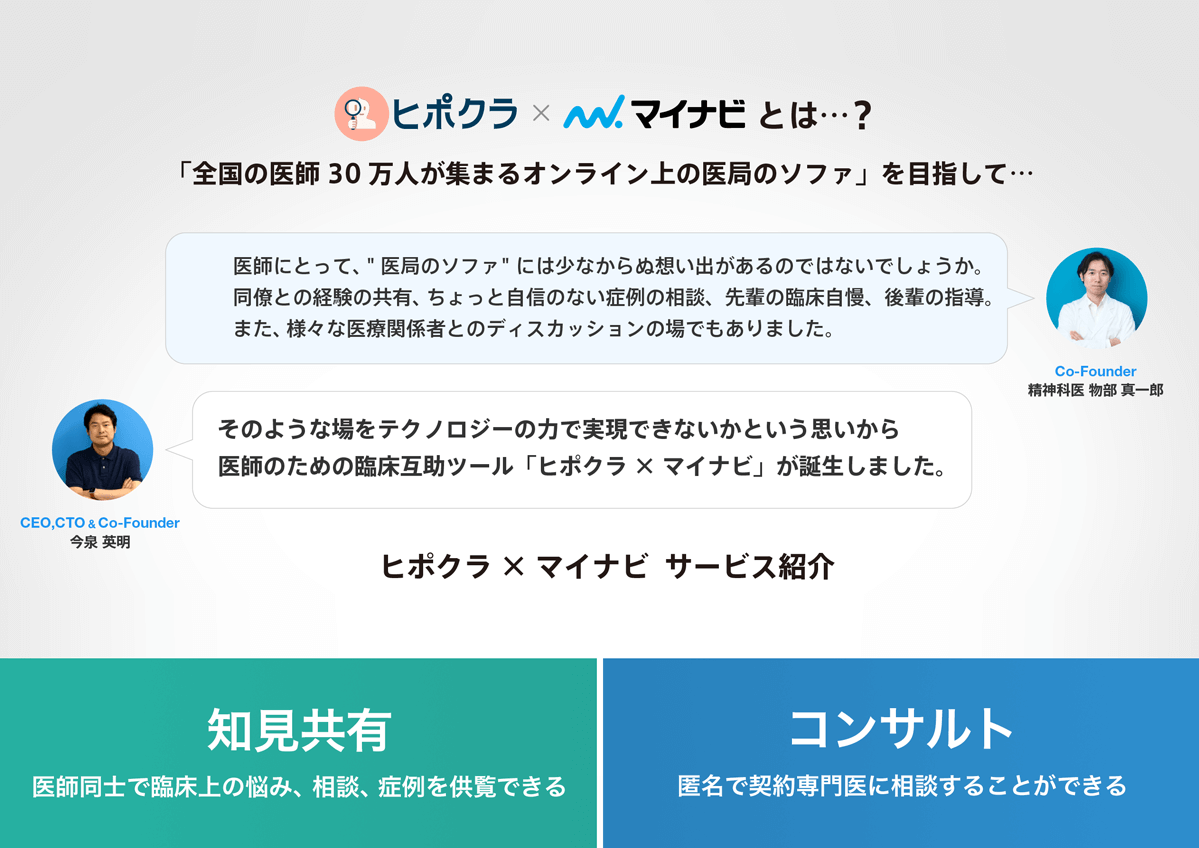
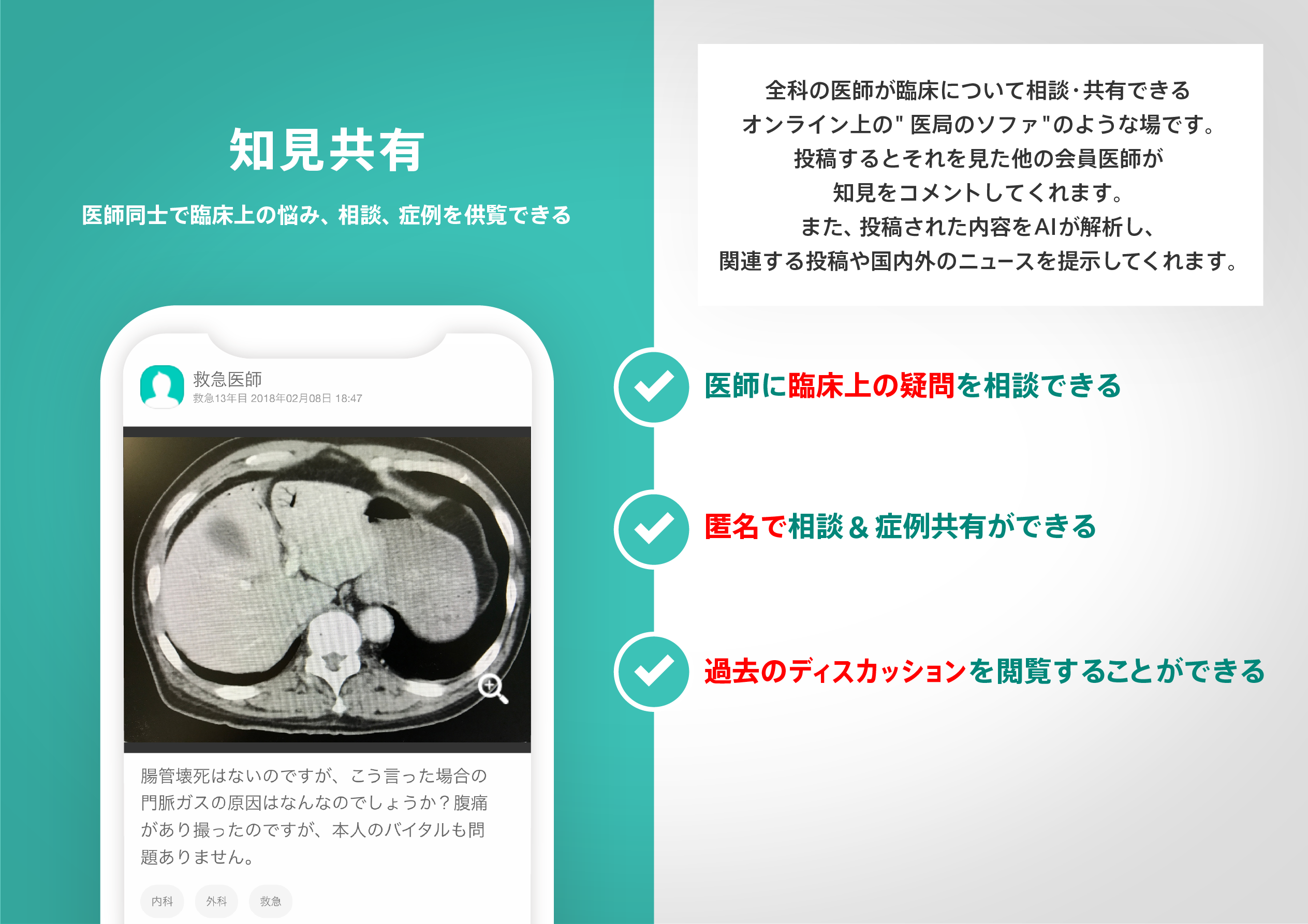
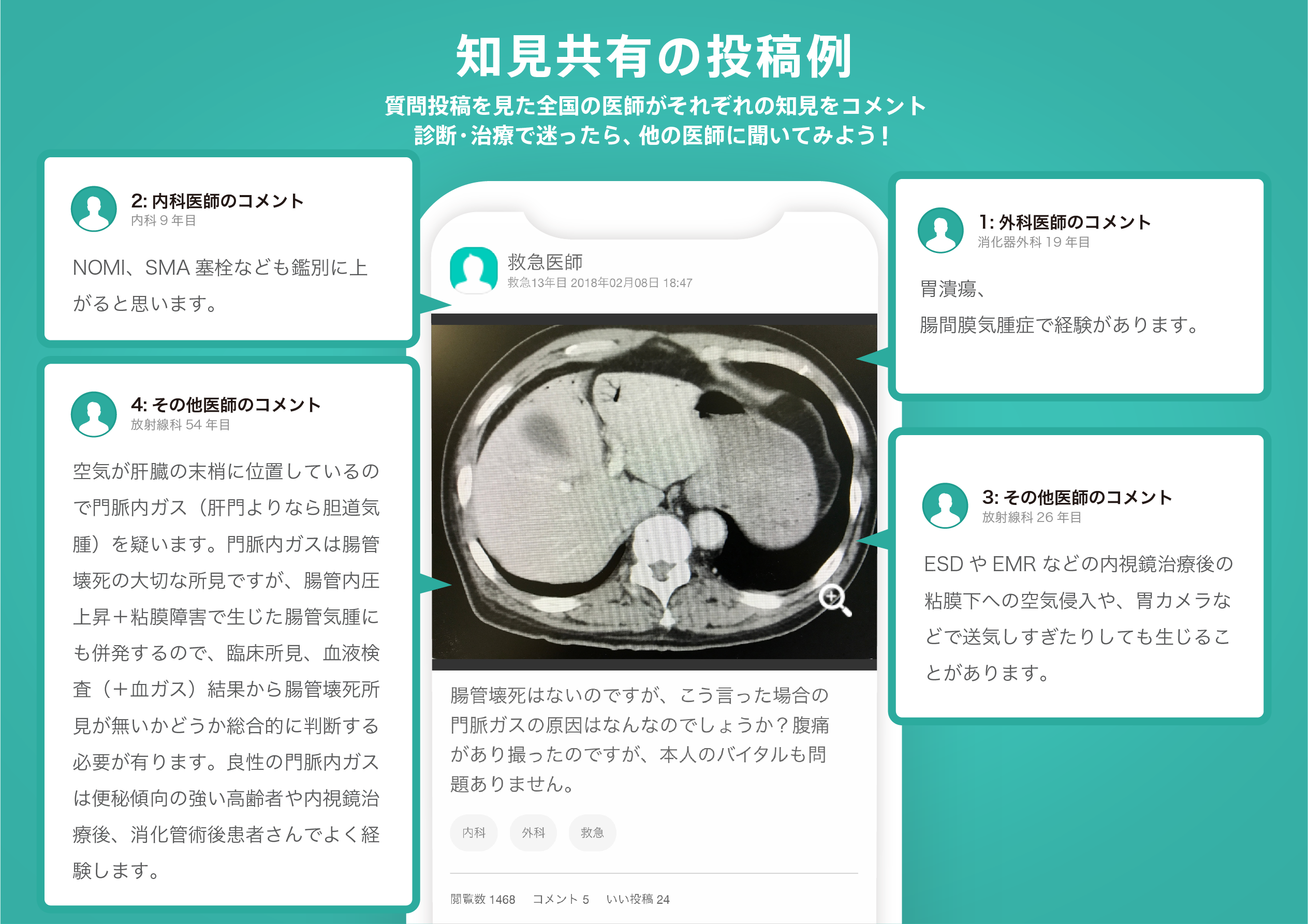
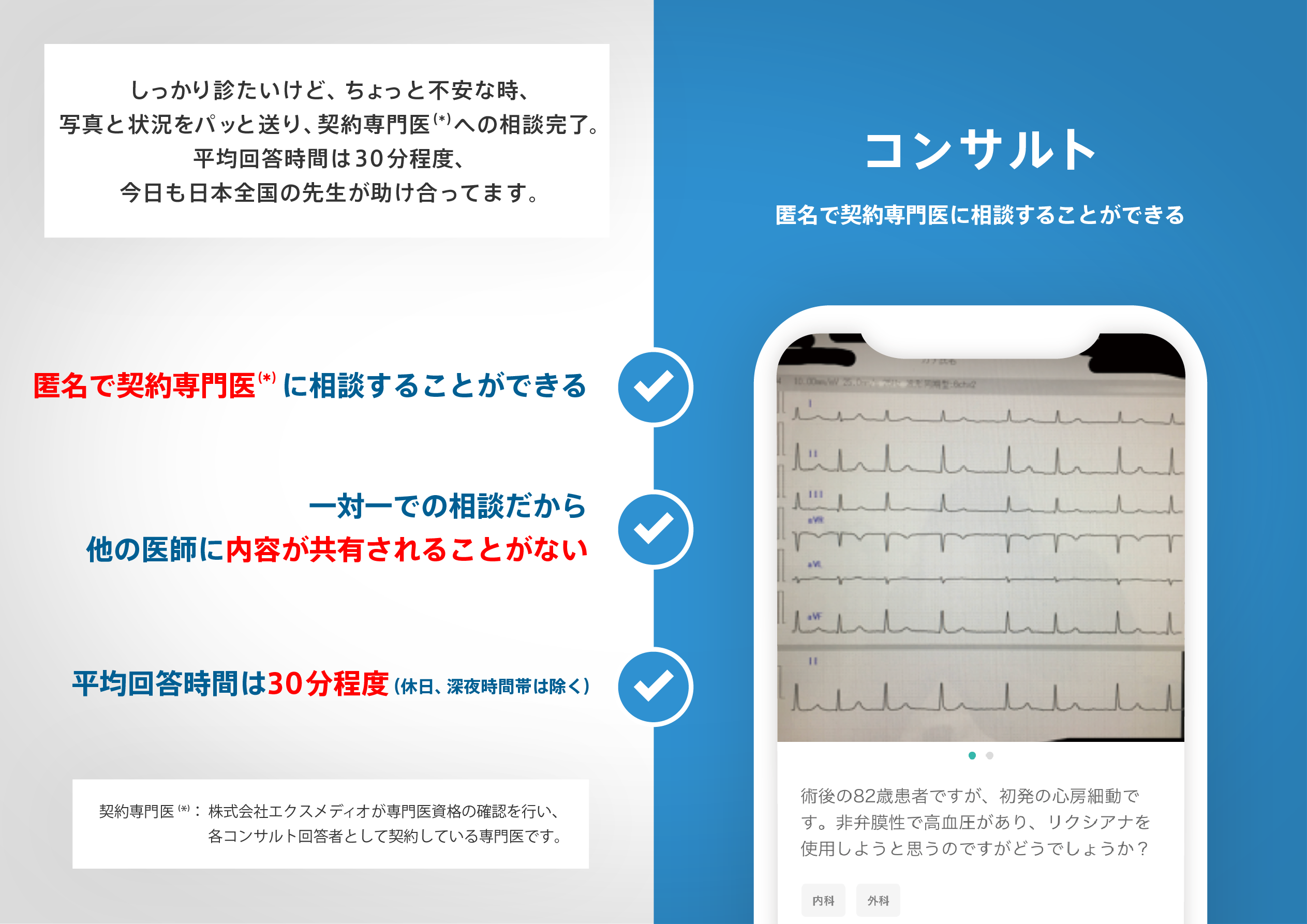
ヒポクラ x マイナビのご紹介

無料会員登録していただくと、さらに便利で効率的な検索が可能になります。