著名医師による解説が無料で読めます
すると翻訳の精度が向上します
遺伝学の途方もない進歩のおかげで、インターフェロンの過剰生産に関連する遺伝性炎症性障害の新しい分野が最近出現しました。いわゆるI型インターフェロノパシーは、小児期に始まるさまざまな特徴を呈するメンデル病の不均一なグループを表していますが、診断は人生の後半にも行うことができます。陽性インターフェロン(IFN)シグネチャや神経学的および皮膚の関与など、これらの患者でいくつかの臨床的および生物学的特性が共有されており、その一部は臓器の特異性を示しています。治療は困難ですが、IFNターゲティング療法は、これらの重度の疾患の有望な選択肢です。
遺伝学の途方もない進歩のおかげで、インターフェロンの過剰生産に関連する遺伝性炎症性障害の新しい分野が最近出現しました。いわゆるI型インターフェロノパシーは、小児期に始まるさまざまな特徴を呈するメンデル病の不均一なグループを表していますが、診断は人生の後半にも行うことができます。陽性インターフェロン(IFN)シグネチャや神経学的および皮膚の関与など、これらの患者でいくつかの臨床的および生物学的特性が共有されており、その一部は臓器の特異性を示しています。治療は困難ですが、IFNターゲティング療法は、これらの重度の疾患の有望な選択肢です。
Thanks to the tremendous progress of genetics, a new field of inherited inflammatory disorders related to an overproduction of interferon has recently emerged. The so-called type I interferonopathies represent an heterogeneous group of Mendelian diseases presenting with various features starting in childhood, although the diagnosis can also be made later in life. Several clinical and biological characteristics are shared across these patients such as a positive interferon (IFN) signature and neurological and cutaneous involvement, some of which display organ specificity. Treatment is challenging, but IFN-targeting therapies represent a promising option in these severe diseases.
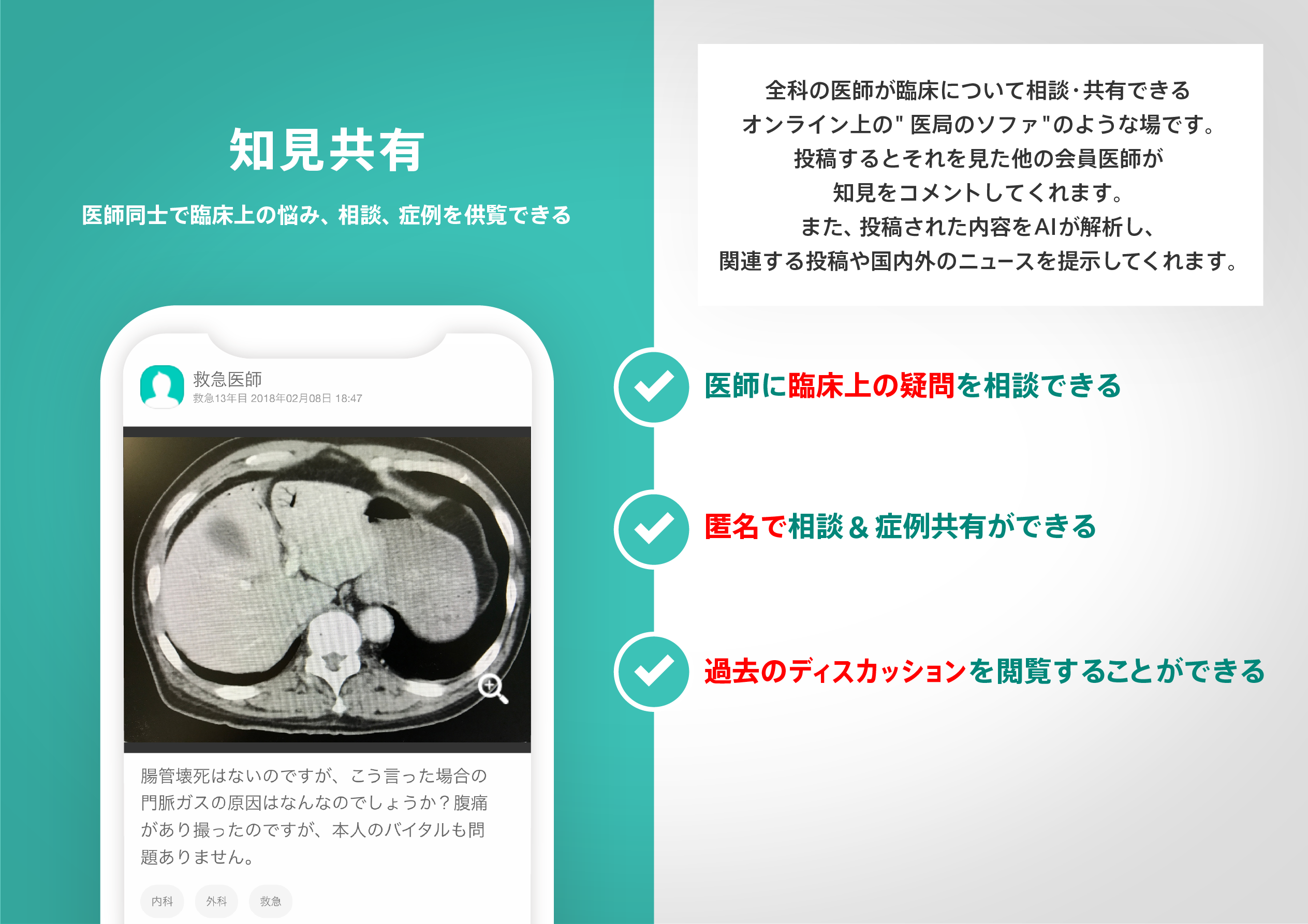
医師のための臨床サポートサービス
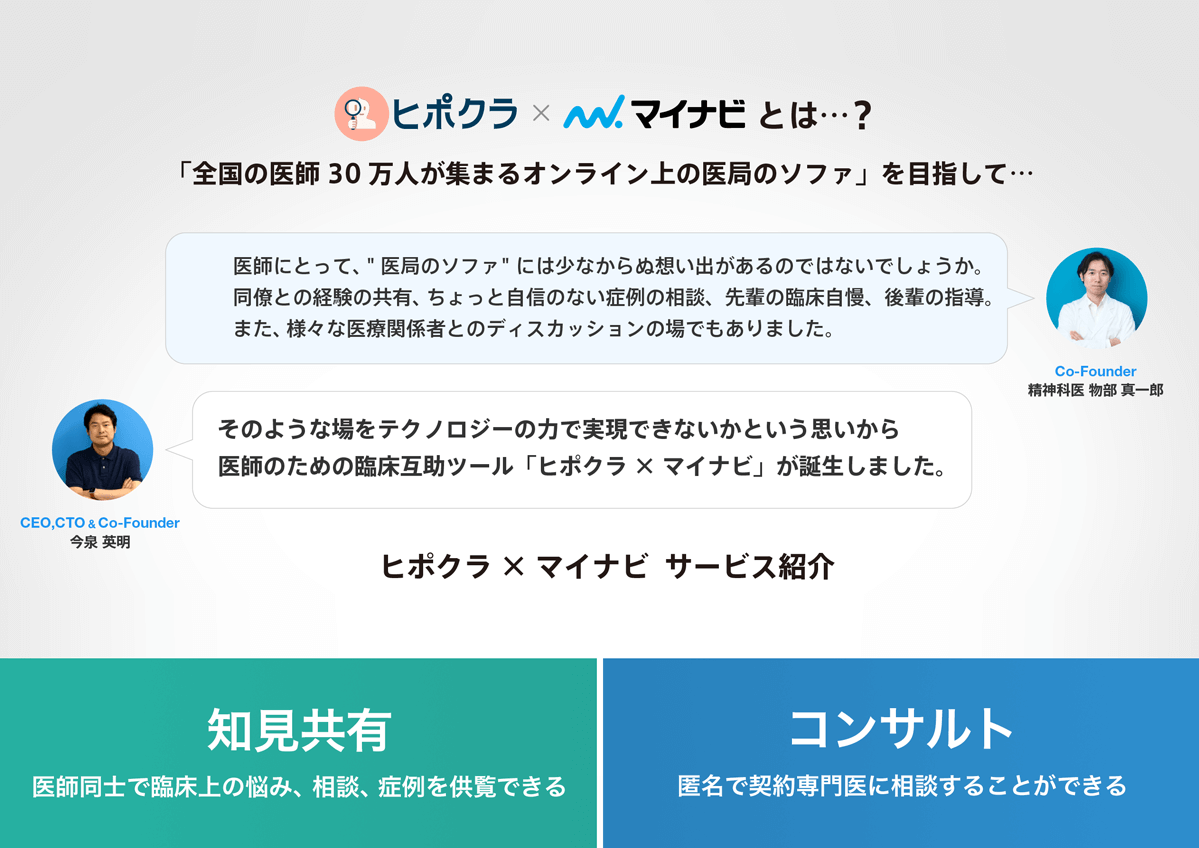
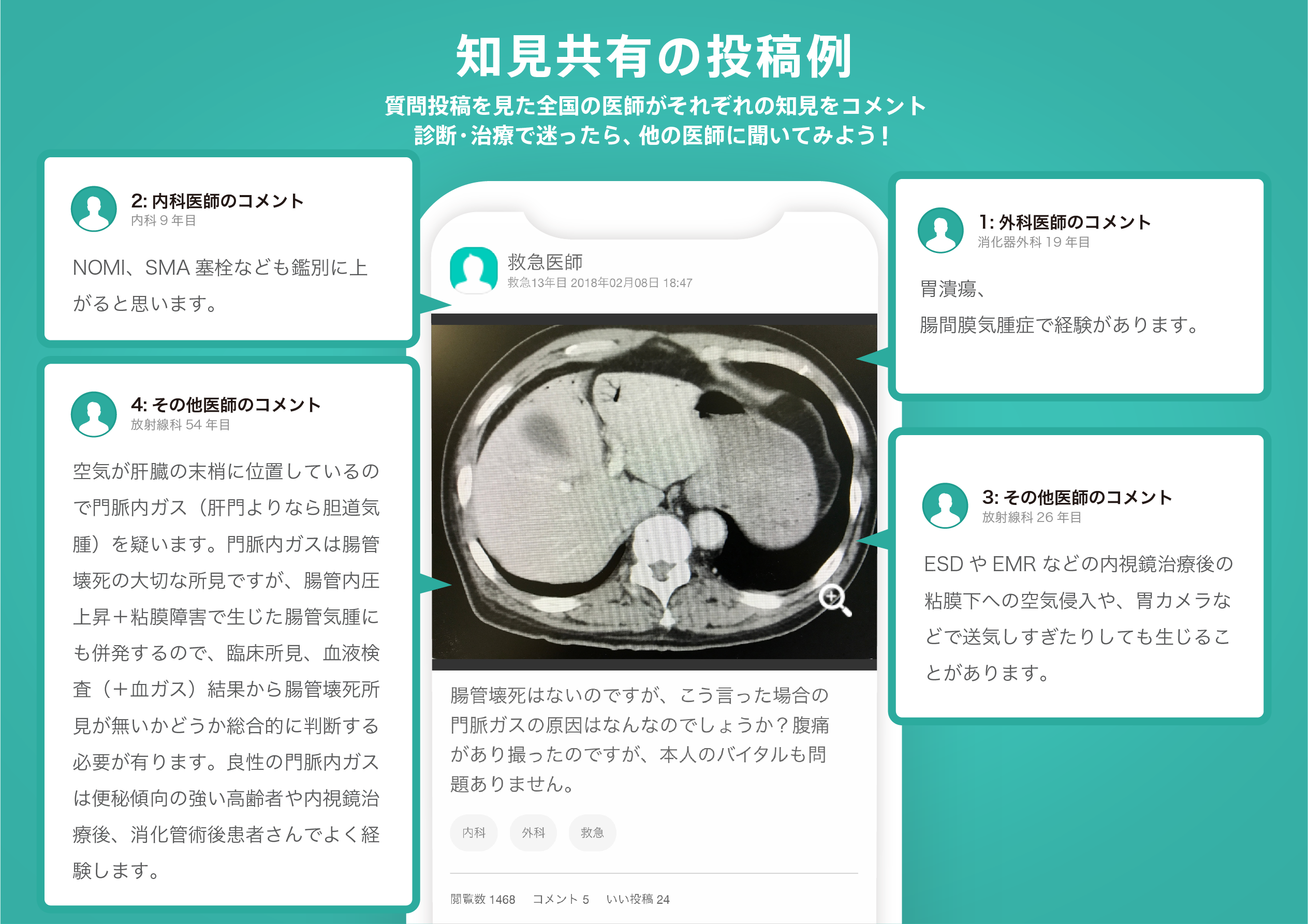
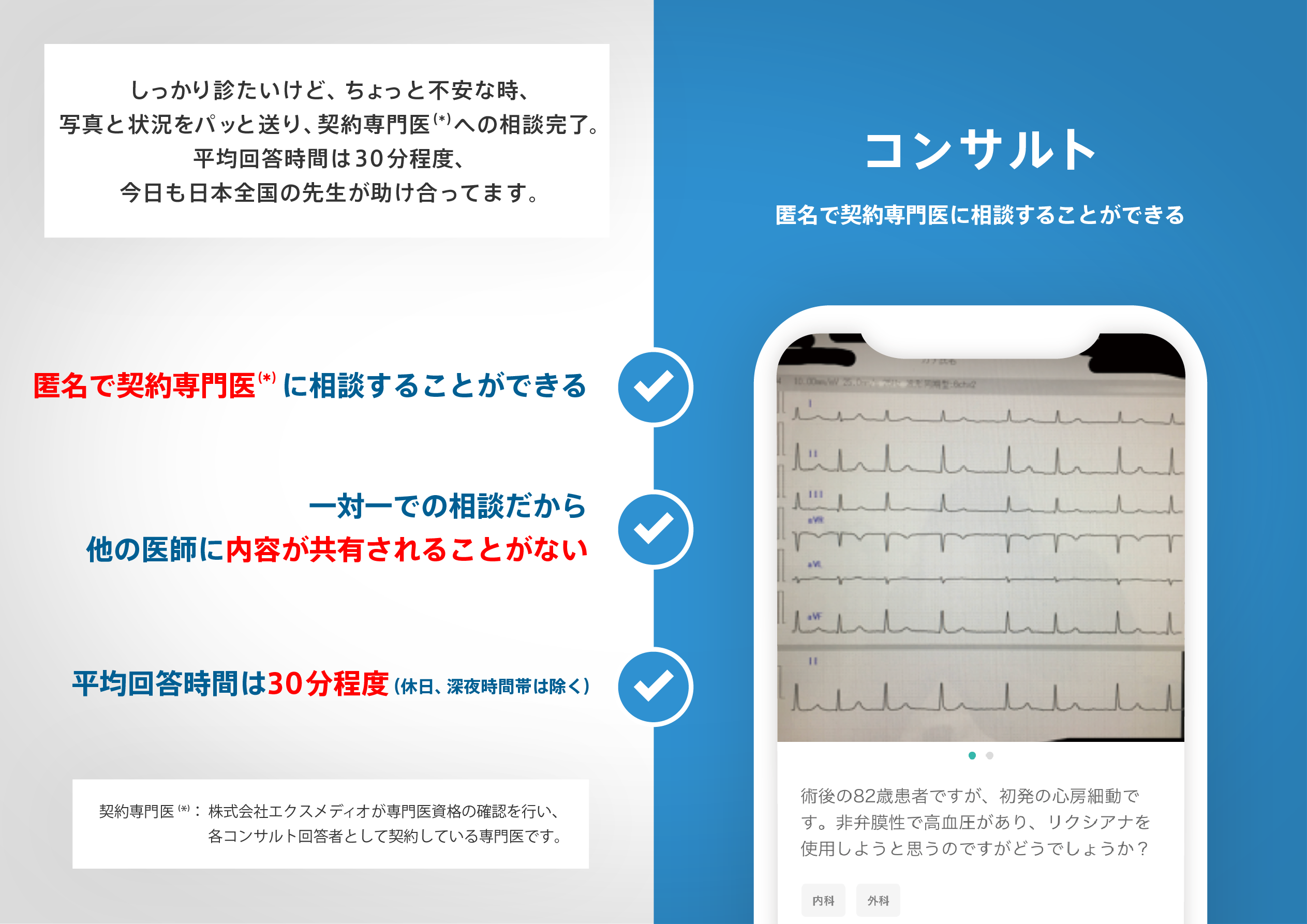
ヒポクラ x マイナビのご紹介

無料会員登録していただくと、さらに便利で効率的な検索が可能になります。