著名医師による解説が無料で読めます
すると翻訳の精度が向上します
目的:この研究の目的は、ブラジルのJequitinhonhaとMucuri Valleysの連邦大学の学生における残痛の有病率を決定することでした。二次的な目的は、歯ぎしりに関連する要因を特定することでした。歯科服の有病率;そして、存在するときに顎機能障害の兆候と症状を区別し、その上腕との関係を検証します。 方法:25人の学生(男性106人、女性147人)が臨床的に検査され、アンケートに回答しました。訓練を受けた研究者が歯科摩耗評価を実施しました。切歯の縁と咬合表面は次のように分類されました。摩耗、エナメルに摩耗し、象牙質に摩耗し、象牙質への広範な摩耗。人口統計データと歯ぎしりに関連する要因は、アンケートによって得られました。歯科服と歯磨き/粉砕の歯の習慣を提示した参加者は、ブルク人に分類されました。データは、SPSSプログラムによって分析されました(p <0.05)。 結果:結果は、学生の31.6%が歯ぎしりを持っていることを示しました。評価された7084の歯のうち、376(5.3%)には何らかのファセット摩耗がありました。摩耗面の有病率が最も高い歯は犬でした。ストレス、筋肉の痛み、顎関節(TMJ)痛、およびTMJノイズは、歯ぎしりと有意に関連していました(P <0.001)。 結論:この集団では、残痛の有病率は31.6%でした。歯ぎしりに最も関連する要因は、ストレス、筋肉の痛み、TMJの痛み、およびTMJノイズでした。
目的:この研究の目的は、ブラジルのJequitinhonhaとMucuri Valleysの連邦大学の学生における残痛の有病率を決定することでした。二次的な目的は、歯ぎしりに関連する要因を特定することでした。歯科服の有病率;そして、存在するときに顎機能障害の兆候と症状を区別し、その上腕との関係を検証します。 方法:25人の学生(男性106人、女性147人)が臨床的に検査され、アンケートに回答しました。訓練を受けた研究者が歯科摩耗評価を実施しました。切歯の縁と咬合表面は次のように分類されました。摩耗、エナメルに摩耗し、象牙質に摩耗し、象牙質への広範な摩耗。人口統計データと歯ぎしりに関連する要因は、アンケートによって得られました。歯科服と歯磨き/粉砕の歯の習慣を提示した参加者は、ブルク人に分類されました。データは、SPSSプログラムによって分析されました(p <0.05)。 結果:結果は、学生の31.6%が歯ぎしりを持っていることを示しました。評価された7084の歯のうち、376(5.3%)には何らかのファセット摩耗がありました。摩耗面の有病率が最も高い歯は犬でした。ストレス、筋肉の痛み、顎関節(TMJ)痛、およびTMJノイズは、歯ぎしりと有意に関連していました(P <0.001)。 結論:この集団では、残痛の有病率は31.6%でした。歯ぎしりに最も関連する要因は、ストレス、筋肉の痛み、TMJの痛み、およびTMJノイズでした。
OBJECTIVE: The aim of this study was to determine the prevalence of bruxism in students at the Federal University of the Jequitinhonha and Mucuri Valleys in Brazil. The secondary objectives were to identify the factors associated with bruxism; prevalence of dental wear; and to distinguish the signs and symptoms of temporomandibular dysfunction when present, and verify its relationship with bruxism. METHODS: Two hundred fifty-three students (106 males, 147 females) were clinically examined and answered a questionnaire. Trained researchers performed the dental wear evaluation. The incisal edge and occlusal surface were classified as follows: no wear, wear into enamel, wear into dentin, and extensive wear into dentin. Demographic data and factors related to bruxism were obtained by a questionnaire. The participants who presented dental wear and habit of clenching/grinding teeth were classified as bruxers. The data were analyzed by the SPSS program (p < 0.05). RESULTS: The results showed that 31.6% of the students had bruxism. Of the 7084 teeth evaluated, 376 (5.3%) had some type of facet wear. The teeth that had the highest prevalence of wear facets were the canines. Stress, muscle pain, temporomandibular joint (TMJ) pain, and TMJ noise were significantly associated with bruxism (p < 0.001). CONCLUSION: The prevalence of bruxism was 31.6% in this population. The factors most associated with bruxism were stress, muscle pain, TMJ pain, and TMJ noise.
医師のための臨床サポートサービス
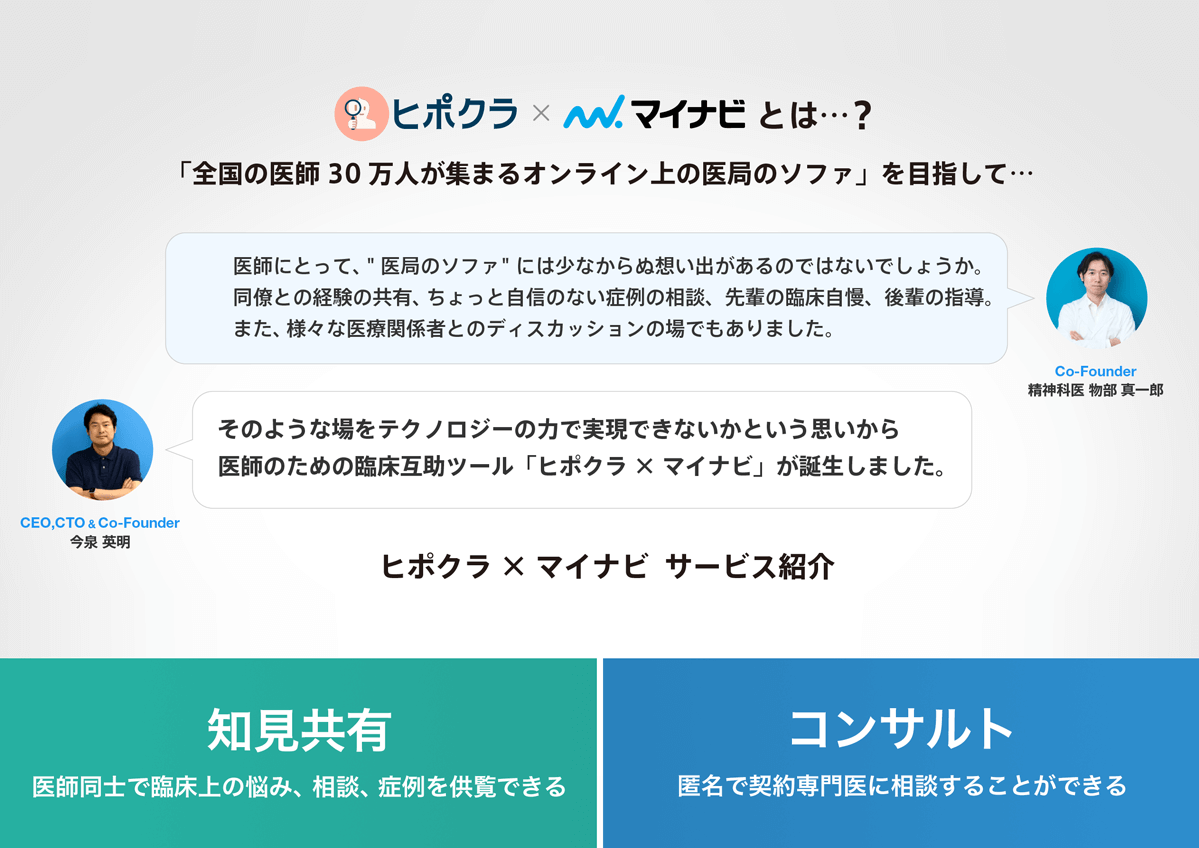
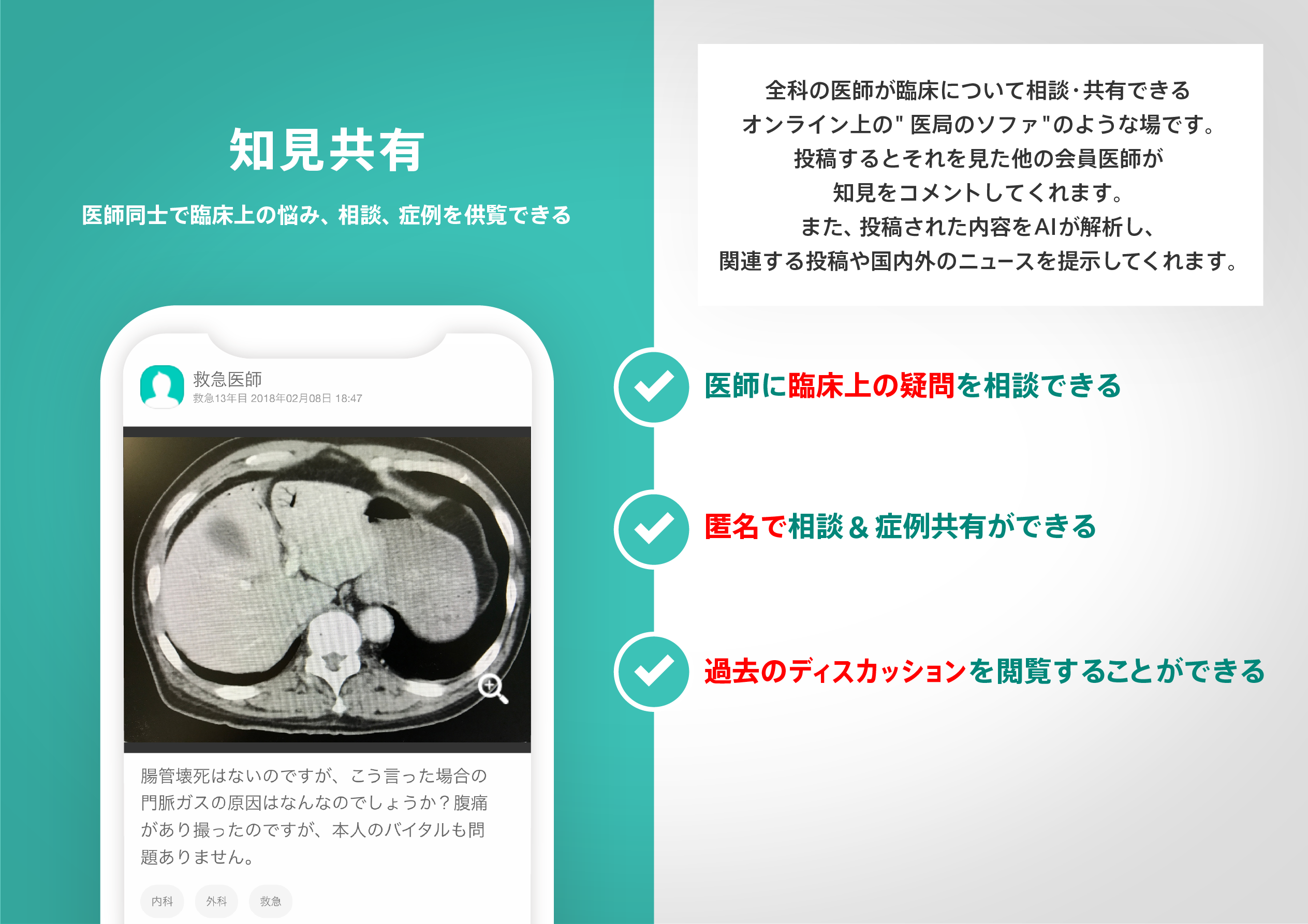
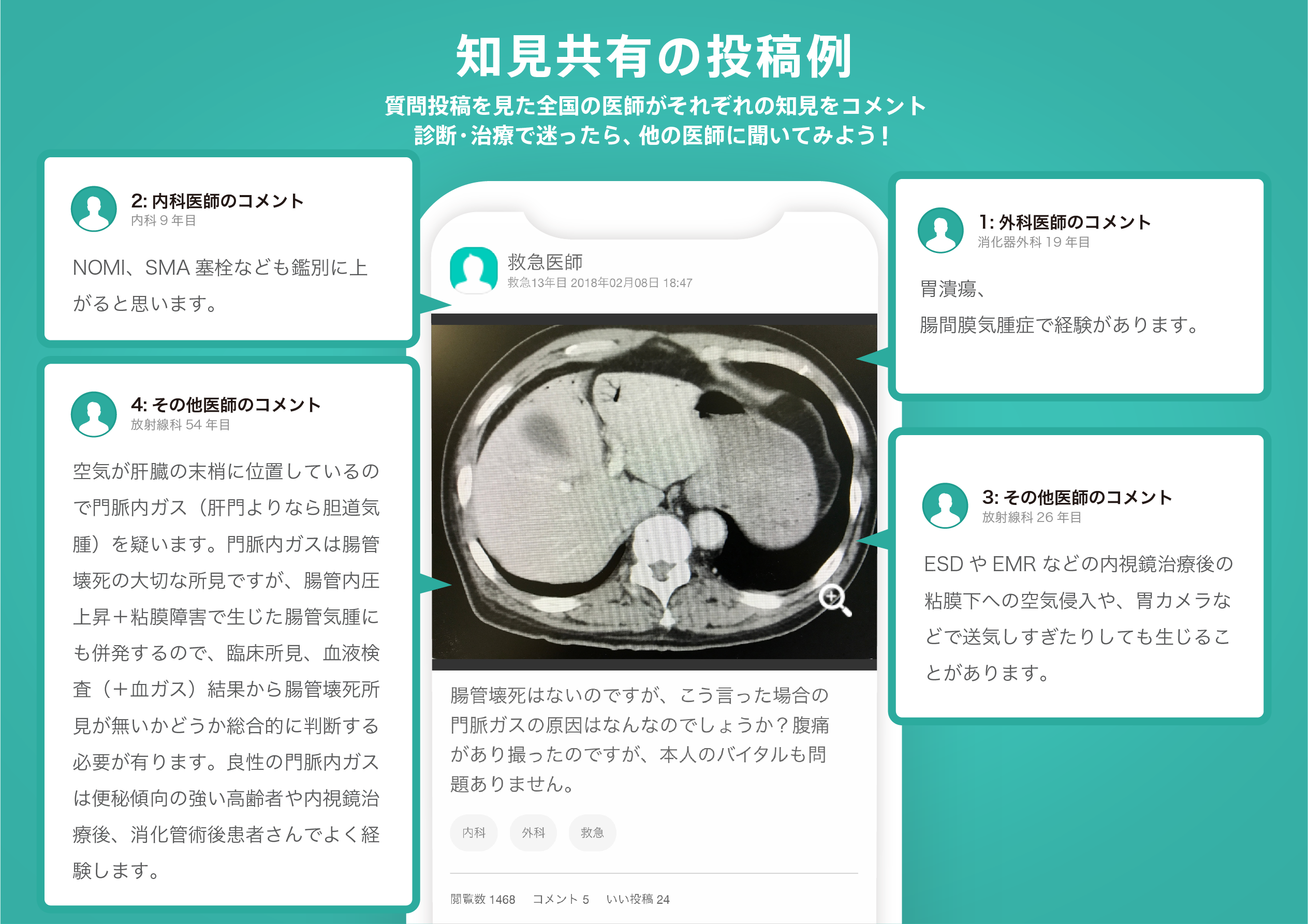
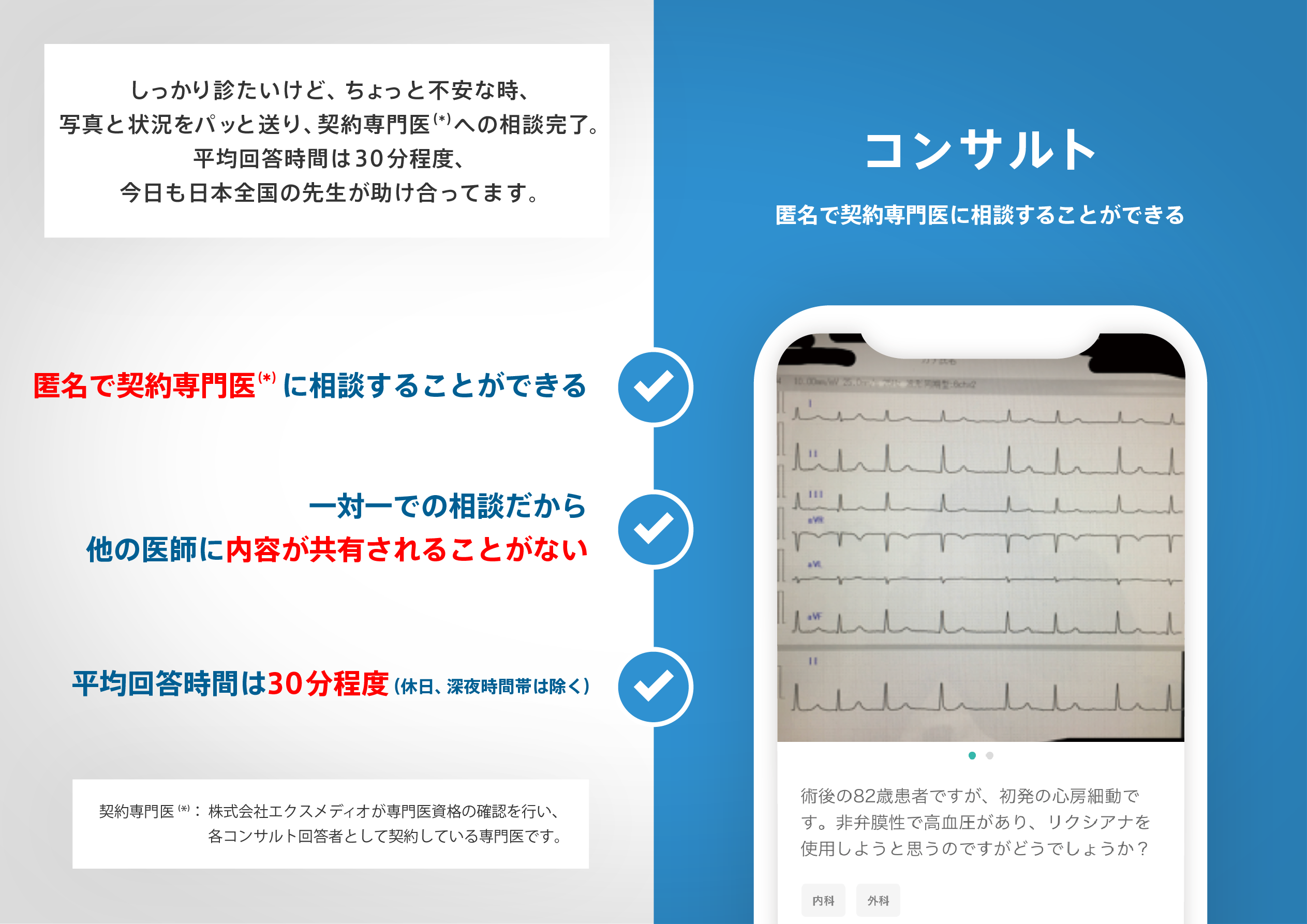
ヒポクラ x マイナビのご紹介

無料会員登録していただくと、さらに便利で効率的な検索が可能になります。