著名医師による解説が無料で読めます
すると翻訳の精度が向上します
現在の研究は、Schizosaccharomyces属に属する酵母が、アルコール発酵の開始から始まる細胞壁起源の大量の多糖を放出することを示しています。アルコール発酵の終わりまでに、すべてのSchizosaccharomyces酵母株は、合成ジュースの同じ発酵条件下で市販のSaccharomyces cerevisiae酵母株によって放出されたものよりも約3〜7倍高い多糖類を放出しました。多糖のより高い含有量は、Schizosaccharomyces Pombeのそれに関して、Schizosaccharomyces japonicusによって発酵された培地で発見されました。評価された株の一部は、高レベルのピルビン酸を生成することもできました。これは、ワインの色安定性の重要な化合物であることが示されています。多糖類の高い異なる動態酸消費パターンを備えた株の存在は、口の雰囲気を高め、酸性度の低下を伴う自然に改変されたワインを生産できるようになります。放出された多糖類の化学分析により、2つの酵母種S. PombeとS. japonicusの間の発散が示されました。S. japonicusと比較して、S。pombeによって放出された多糖類では、異なるマンノース/ガラクトース比と異なる割合のタンパク質が観察されました。培地で放出されたタンパク質の分析により、S。japonicusの場合にのみ32〜33 kDaの分子サイズの糖タンパク質の存在が明らかになりました。炭水化物部分の質量分析分析は、両方の酵母種によって培地で放出されるN-グリカン鎖の間で同様の割合を示したが、2つの種の違いも観察された。これらの観察結果は、この属の分類学的ツールとしてのN-グリカン組成の指紋の迅速なモルディトフスクリーニングの可能性のある役割を示唆しています。培地で放出される多糖類、特にガラクトマンノプロテインはかなりの量で、これらの酵母は、外因性多糖類の工業生産についても特に興味深いものになる可能性があります。
現在の研究は、Schizosaccharomyces属に属する酵母が、アルコール発酵の開始から始まる細胞壁起源の大量の多糖を放出することを示しています。アルコール発酵の終わりまでに、すべてのSchizosaccharomyces酵母株は、合成ジュースの同じ発酵条件下で市販のSaccharomyces cerevisiae酵母株によって放出されたものよりも約3〜7倍高い多糖類を放出しました。多糖のより高い含有量は、Schizosaccharomyces Pombeのそれに関して、Schizosaccharomyces japonicusによって発酵された培地で発見されました。評価された株の一部は、高レベルのピルビン酸を生成することもできました。これは、ワインの色安定性の重要な化合物であることが示されています。多糖類の高い異なる動態酸消費パターンを備えた株の存在は、口の雰囲気を高め、酸性度の低下を伴う自然に改変されたワインを生産できるようになります。放出された多糖類の化学分析により、2つの酵母種S. PombeとS. japonicusの間の発散が示されました。S. japonicusと比較して、S。pombeによって放出された多糖類では、異なるマンノース/ガラクトース比と異なる割合のタンパク質が観察されました。培地で放出されたタンパク質の分析により、S。japonicusの場合にのみ32〜33 kDaの分子サイズの糖タンパク質の存在が明らかになりました。炭水化物部分の質量分析分析は、両方の酵母種によって培地で放出されるN-グリカン鎖の間で同様の割合を示したが、2つの種の違いも観察された。これらの観察結果は、この属の分類学的ツールとしてのN-グリカン組成の指紋の迅速なモルディトフスクリーニングの可能性のある役割を示唆しています。培地で放出される多糖類、特にガラクトマンノプロテインはかなりの量で、これらの酵母は、外因性多糖類の工業生産についても特に興味深いものになる可能性があります。
The present work demonstrates that yeasts belonging to the Schizosaccharomyces genus release a high quantity of polysaccharides of cell wall origin starting from the onset of the alcoholic fermentation. By the end of the alcoholic fermentation, all of the Schizosaccharomyces yeast strains released a quantity of polysaccharides approximately 3-7 times higher than that released by a commercial Saccharomyces cerevisiae yeast strain under the same fermentative conditions of synthetic juice. A higher content of polysaccharide was found in media fermented by Schizosaccharomyces japonicus with respect to that of Schizosaccharomyces pombe. Some of the strains evaluated were also able to produce high levels of pyruvic acid, which has been shown to be an important compound for color stability of wine. The presence of strains with different malic acid consumption patterns along with high polysaccharide release would enable production of naturally modified wines with enhanced mouth feel and reduced acidity. The chemical analysis of the released polysaccharides demonstrated divergence between the two yeast species S. pombe and S. japonicus. A different mannose/galactose ratio and a different percentage of proteins was observed on the polysaccharides released by S. pombe as compared to S. japonicus. Analysis of the proteins released in the media revealed the presence of a glycoprotein with a molecular size around 32-33 kDa only for the species S. japonicus. Mass spectrometry analysis of carbohydrate moieties showed similar proportions among the N-glycan chains released in the media by both yeast species but differences between the two species were also observed. These observations suggest a possible role of rapid MALDI-TOF screening of N-glycans compositional fingerprint as a taxonomic tool for this genus. Polysaccharides release in the media, in particular galactomannoproteins in significant amounts, could make these yeasts particularly interesting also for the industrial production of exogenous polysaccharide preparations.
医師のための臨床サポートサービス
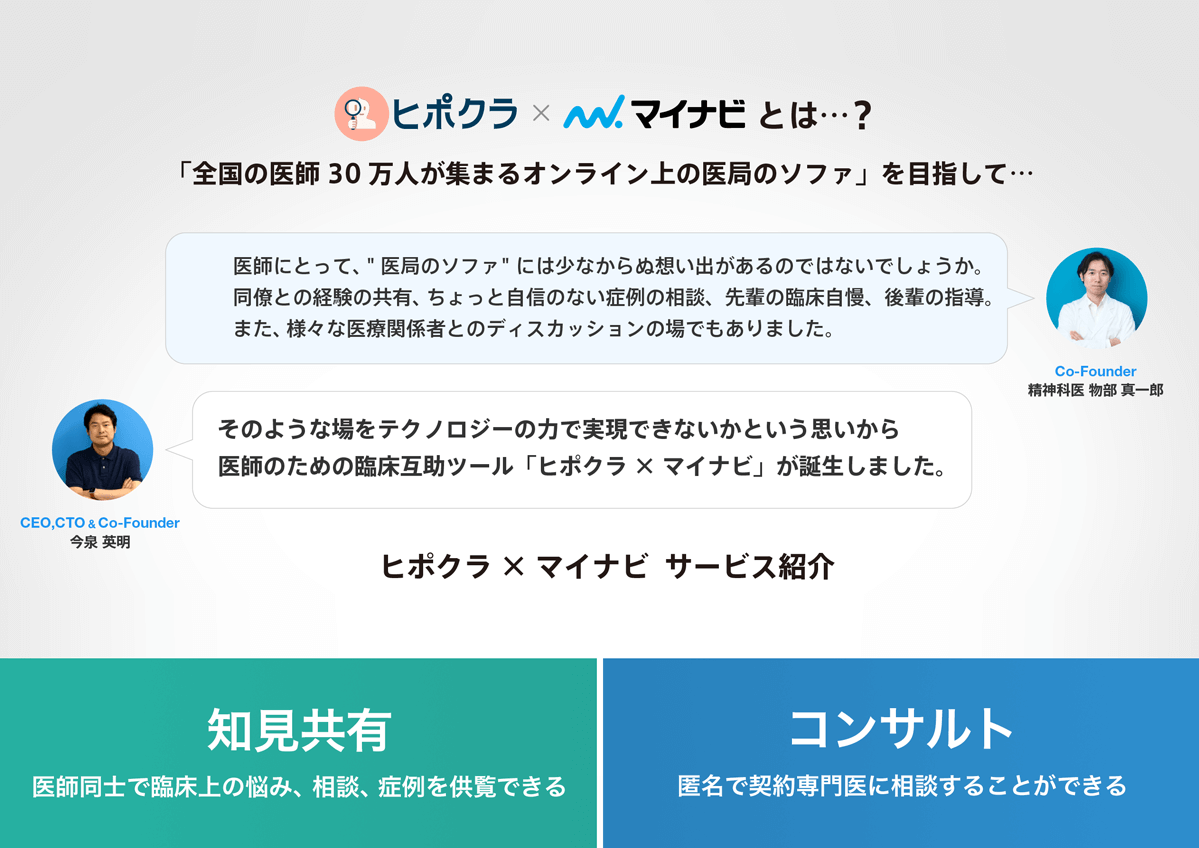
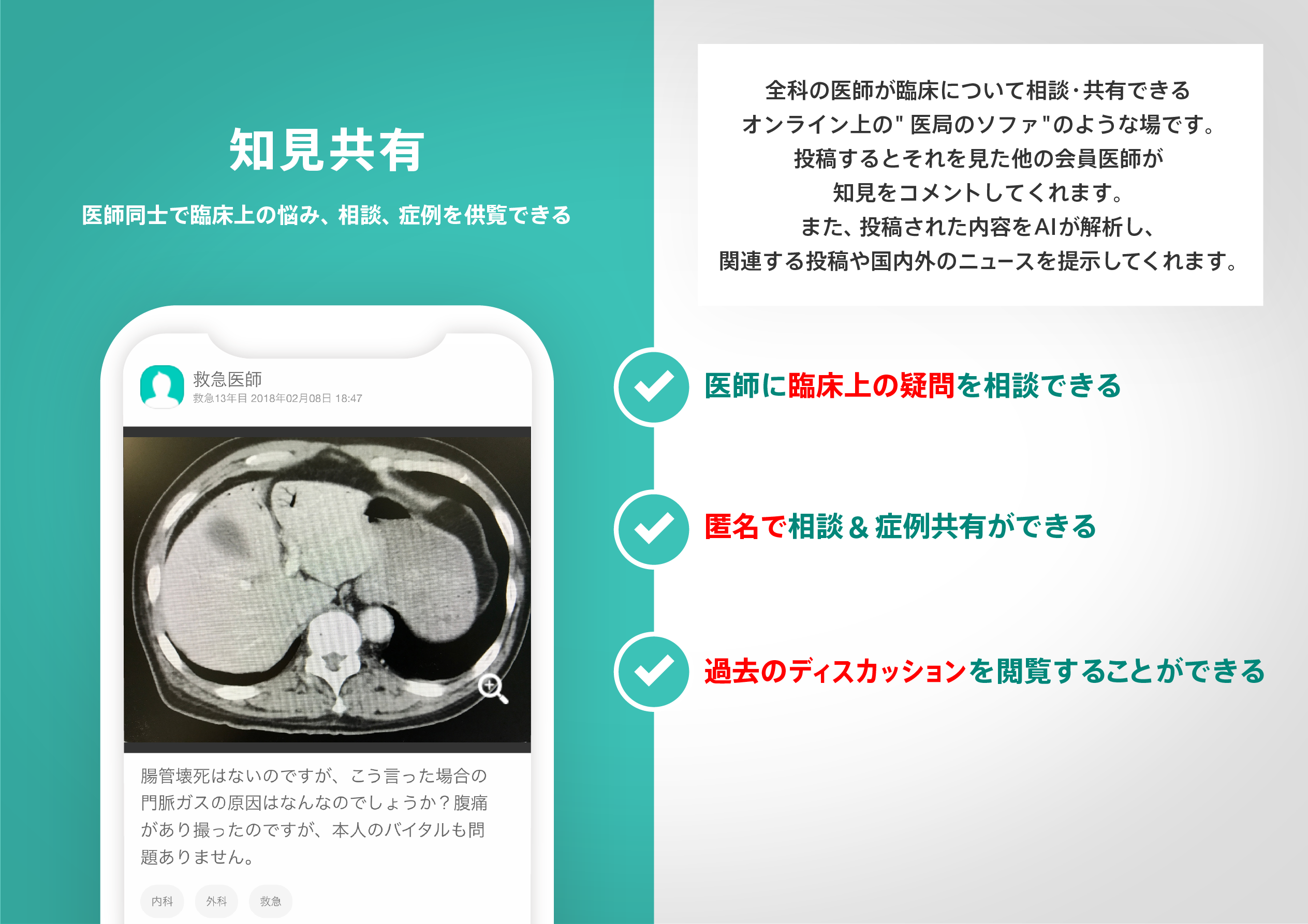
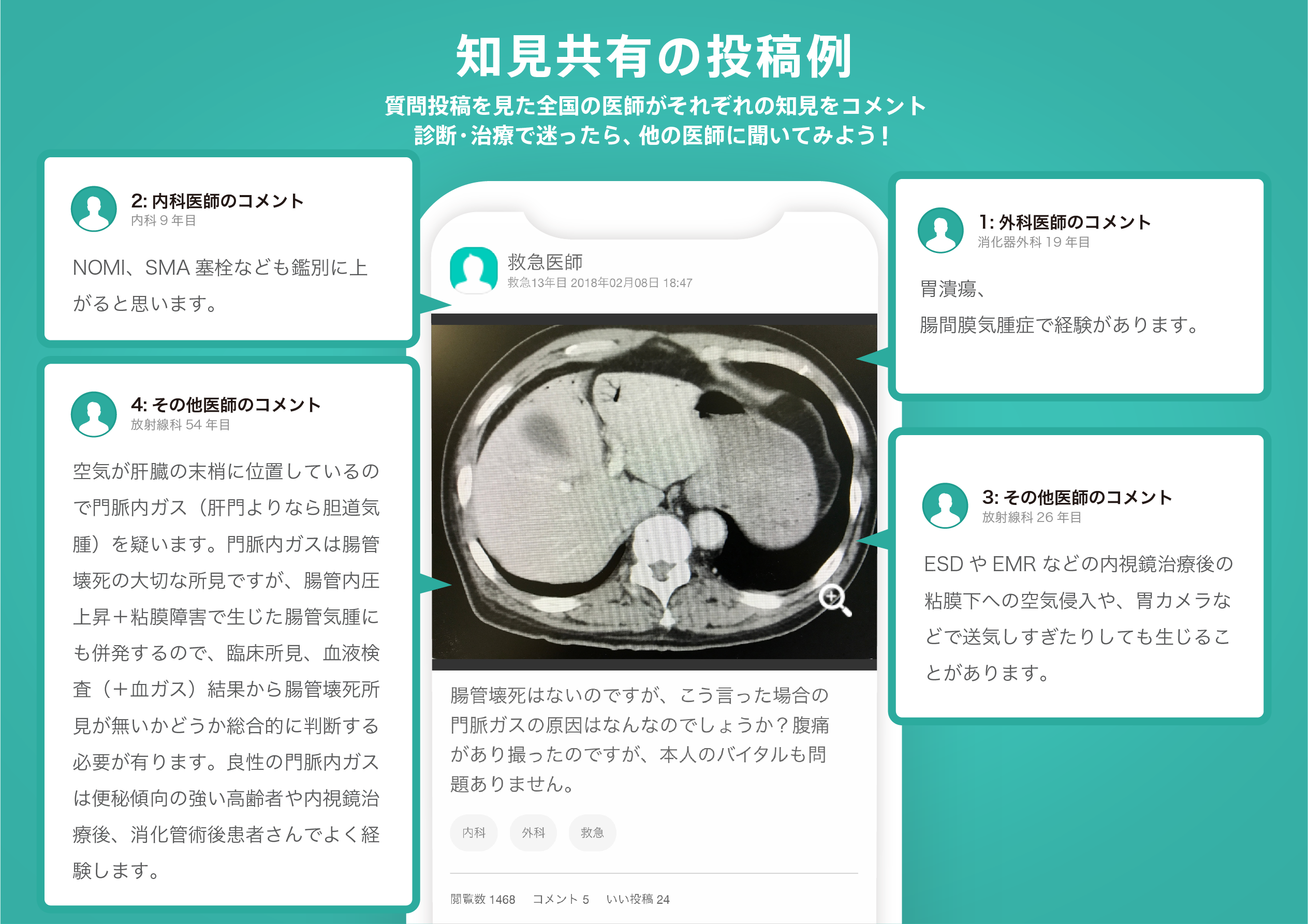
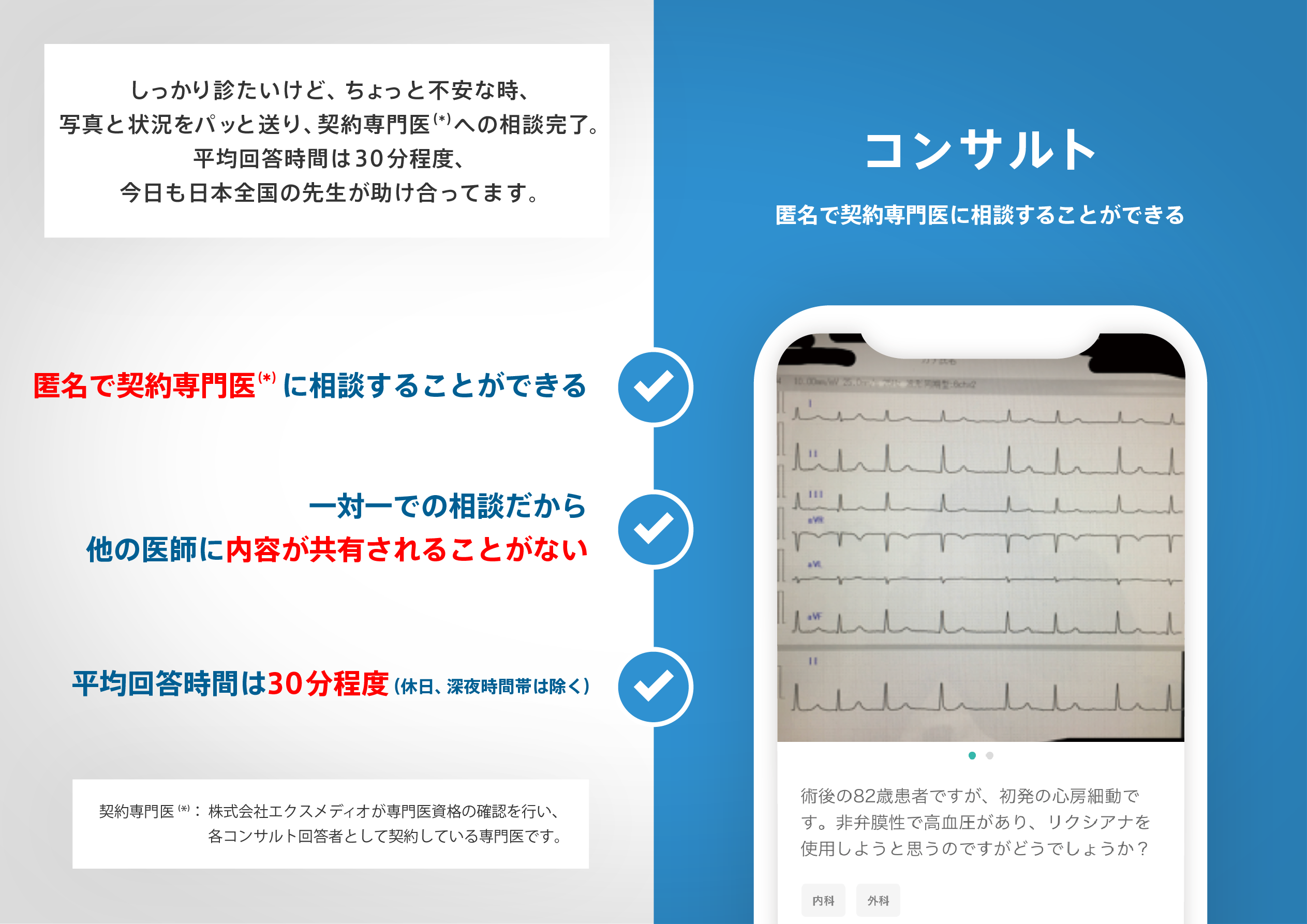
ヒポクラ x マイナビのご紹介

無料会員登録していただくと、さらに便利で効率的な検索が可能になります。