著名医師による解説が無料で読めます
すると翻訳の精度が向上します
尿路感染症(UTI)は、特に女性、免疫の弱さ、または尿路の異常を持つ個人、および入院およびカテーテル化された患者に脅威をもたらします。Proteus属、特にP. mirabilisの細菌は、重要なUTI病原性因子です。それらは頻繁に慢性、再発性、または重度の複雑な感染を引き起こし、ウレアーゼやその他の病原性因子による尿石の産生をもたらします。石の内部で生存する能力と抗生物質耐性の増加により、尿路から細菌を根絶することが困難になります。問題に対する良い解決策は、ポーランドでも見えるアンチバクシネーションの態度にもかかわらず、調査対象者から関心を得たワクチン接種かもしれません。現在、Proteus sppを含むさまざまな尿路剤の殺害された細胞で構成される4つのワクチンが利用可能です。それらは麻薬内または膣内で管理されており、多くのブースター用量が必要です。それらは、再発性のUTISに苦しむ患者の再感染の確率を低下させますが、免疫応答のメカニズムは正確に定義されていません。さまざまなP. mirabilis表面抗原(フラジェリンを除く)が正常に採用されたサブユニット、共役ワクチンに関するマウスモデルに関する研究で有望な結果が得られました。これまで、最良の結果は、MPLまたはコレラ毒素アジュバントを伴うMR/P fimbriae抗原とラクトコッカス乳酸またはサルモネラタイプヒムリウムで発現した抗原を使用して、鼻腔内予防接種によって得られました。P. mirabilis utisに対する保護をもたらす、特定の血清および粘膜抗体のレベルが増加しました。
尿路感染症(UTI)は、特に女性、免疫の弱さ、または尿路の異常を持つ個人、および入院およびカテーテル化された患者に脅威をもたらします。Proteus属、特にP. mirabilisの細菌は、重要なUTI病原性因子です。それらは頻繁に慢性、再発性、または重度の複雑な感染を引き起こし、ウレアーゼやその他の病原性因子による尿石の産生をもたらします。石の内部で生存する能力と抗生物質耐性の増加により、尿路から細菌を根絶することが困難になります。問題に対する良い解決策は、ポーランドでも見えるアンチバクシネーションの態度にもかかわらず、調査対象者から関心を得たワクチン接種かもしれません。現在、Proteus sppを含むさまざまな尿路剤の殺害された細胞で構成される4つのワクチンが利用可能です。それらは麻薬内または膣内で管理されており、多くのブースター用量が必要です。それらは、再発性のUTISに苦しむ患者の再感染の確率を低下させますが、免疫応答のメカニズムは正確に定義されていません。さまざまなP. mirabilis表面抗原(フラジェリンを除く)が正常に採用されたサブユニット、共役ワクチンに関するマウスモデルに関する研究で有望な結果が得られました。これまで、最良の結果は、MPLまたはコレラ毒素アジュバントを伴うMR/P fimbriae抗原とラクトコッカス乳酸またはサルモネラタイプヒムリウムで発現した抗原を使用して、鼻腔内予防接種によって得られました。P. mirabilis utisに対する保護をもたらす、特定の血清および粘膜抗体のレベルが増加しました。
Urinary tract infections (UTIs) pose a threat especially to women, the individuals with weakened immunity or with abnormalities in the urinary tract as well as to hospitalized and catheterized patients. The bacteria from the genus Proteus, especially P. mirabilis, are important UTI pathogenic factors. They frequently cause chronic, recurrent or severely complicated infections, resulting in the urinary stones production due to urease and other virulence factors. The ability to survive inside the stones and the increasing antibiotic resistance make it difficult to eradicate the bacteria from the urinary tract. A good solution to the problem may be the vaccination which obtained the interest from the surveyed persons, in spite of the antivaccination attitudes visible also in Poland. Currently, there are four vaccines available, composed of killed cells of different uropathogens, including Proteus spp. They are administrated intranassaly or vaginally and require many booster doses. They decrease the probability of reinfection in patients suffering from recurrent UTIs but the mechanisms of the immune response have not been exactly defined. Promising results were obtained in the studies on a mice model concerning the subunit, conjugated vaccines in which various P. mirabilis surface antigens (with the exception of flagellin) were successfully employed. Hitherto, the best results were obtained by the intranasal vaccinations, using MR/P fimbriae antigens with MPL or cholera toxin adjuvants and the antigens expressed in Lactococcus lactis or Salmonella Typhimurium. It led to an increase in the levels of the specific serum and mucosal antibodies resulting in the protection against P. mirabilis UTIs.
医師のための臨床サポートサービス
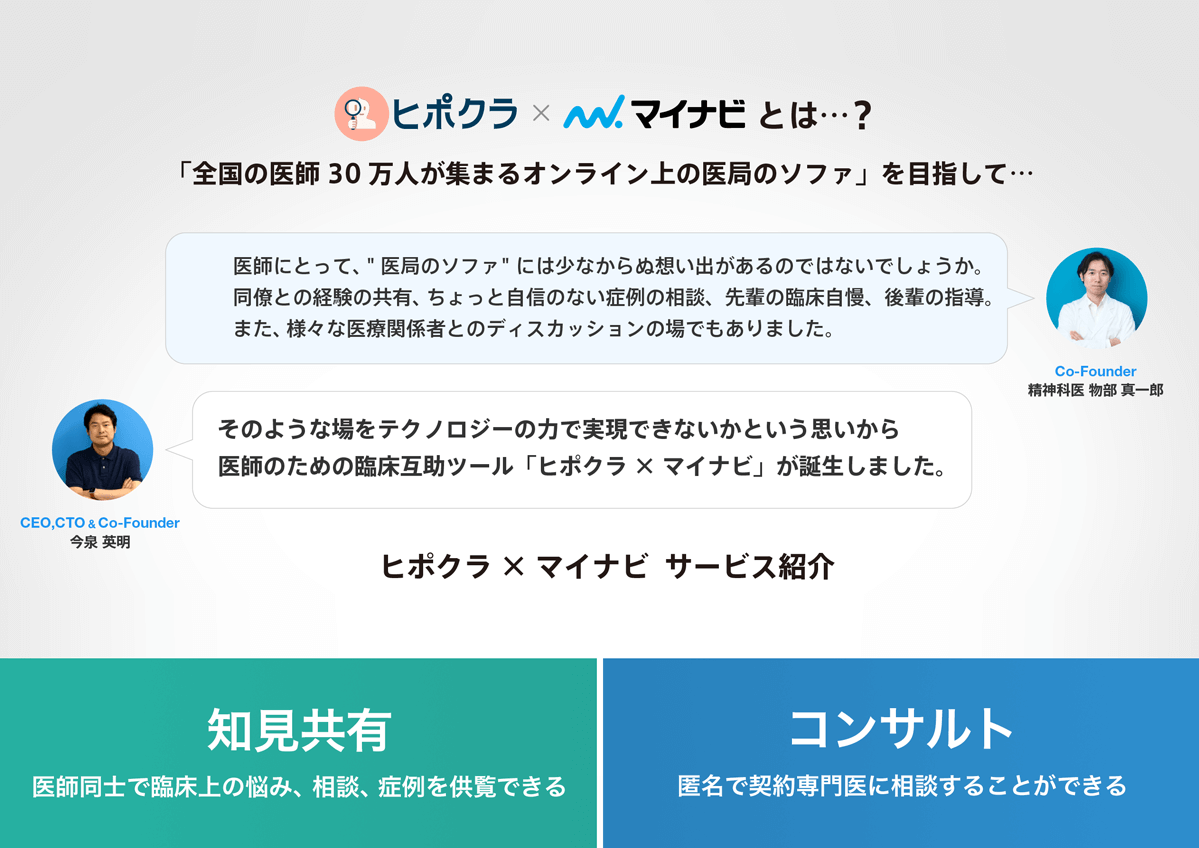
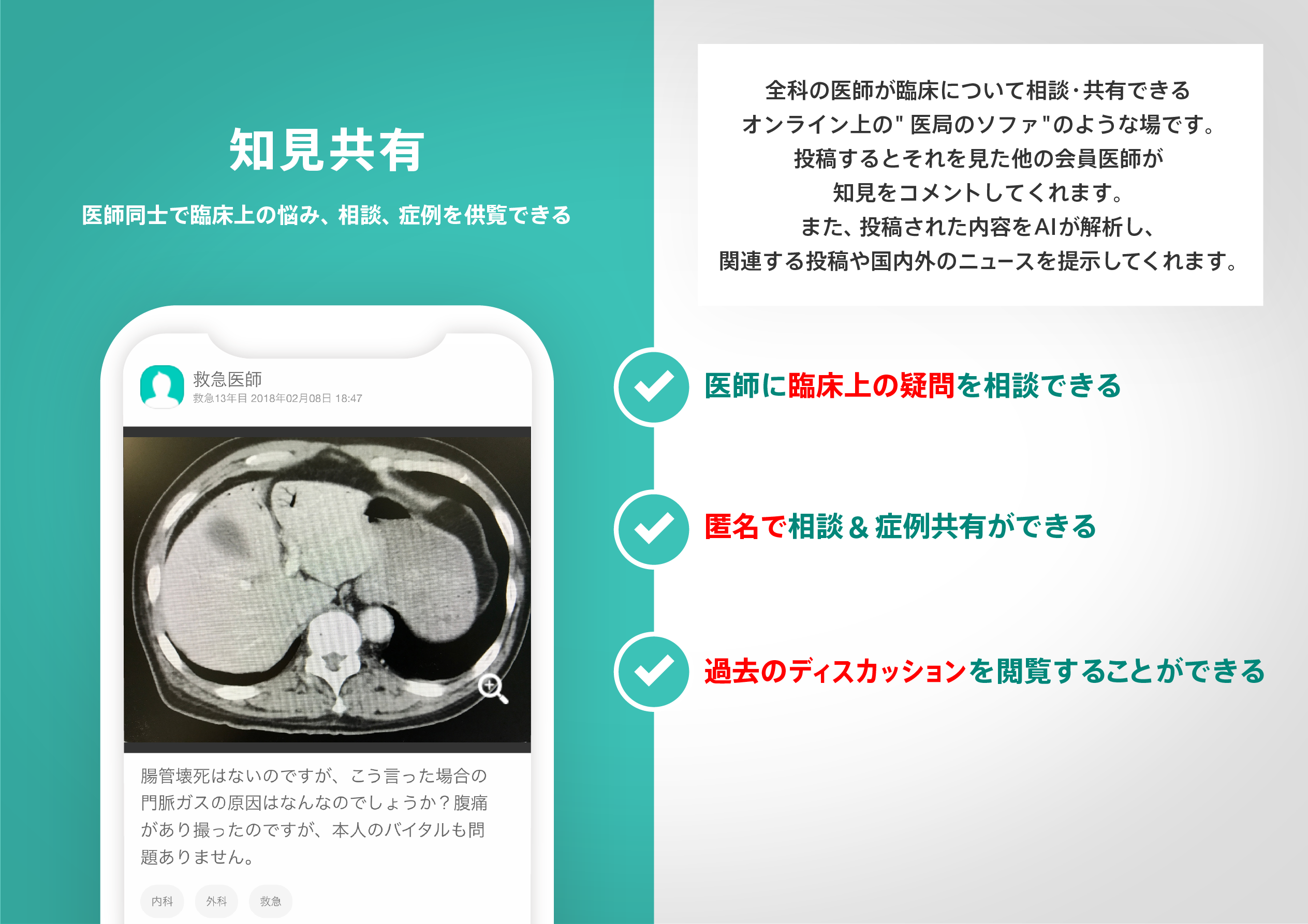
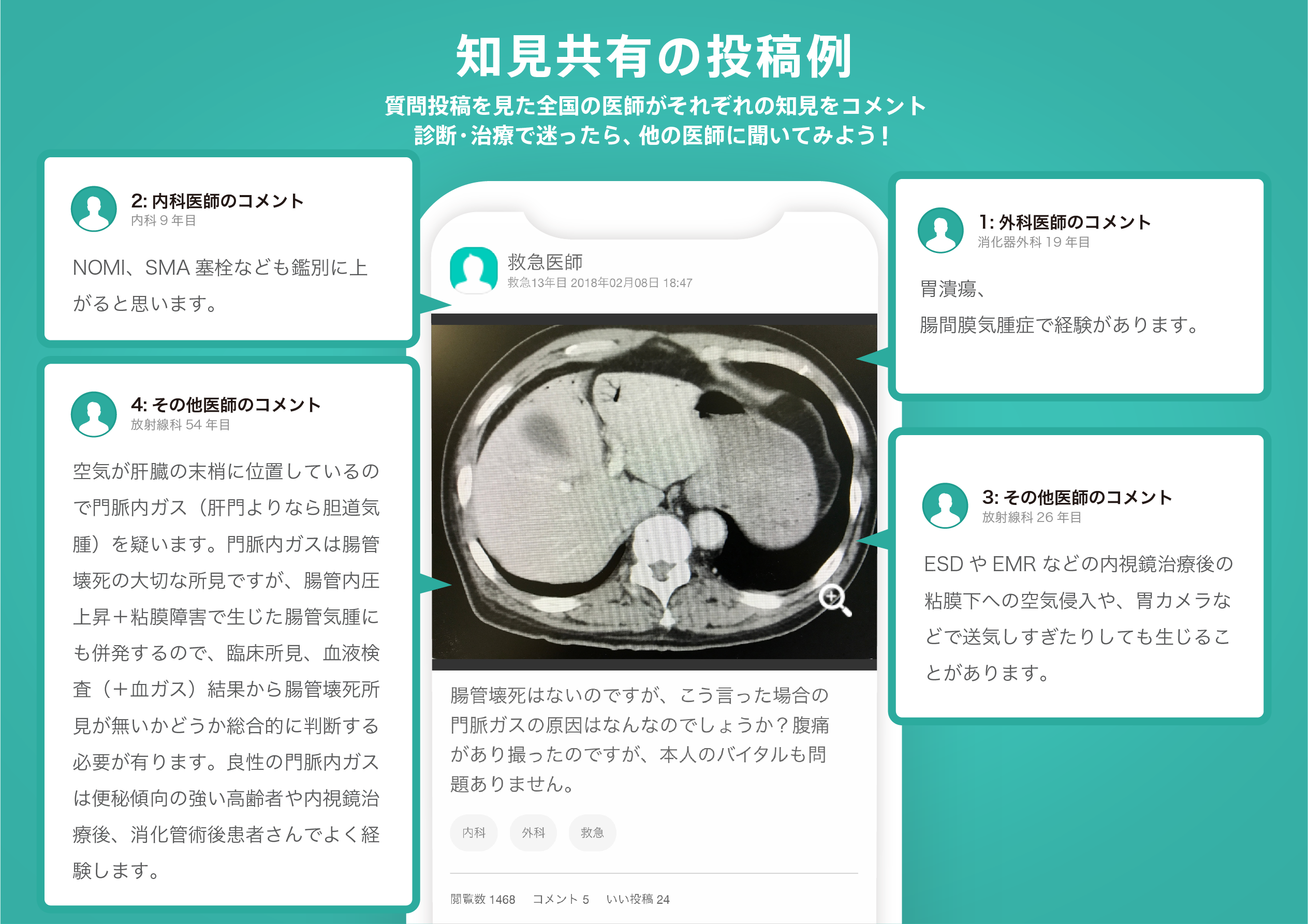
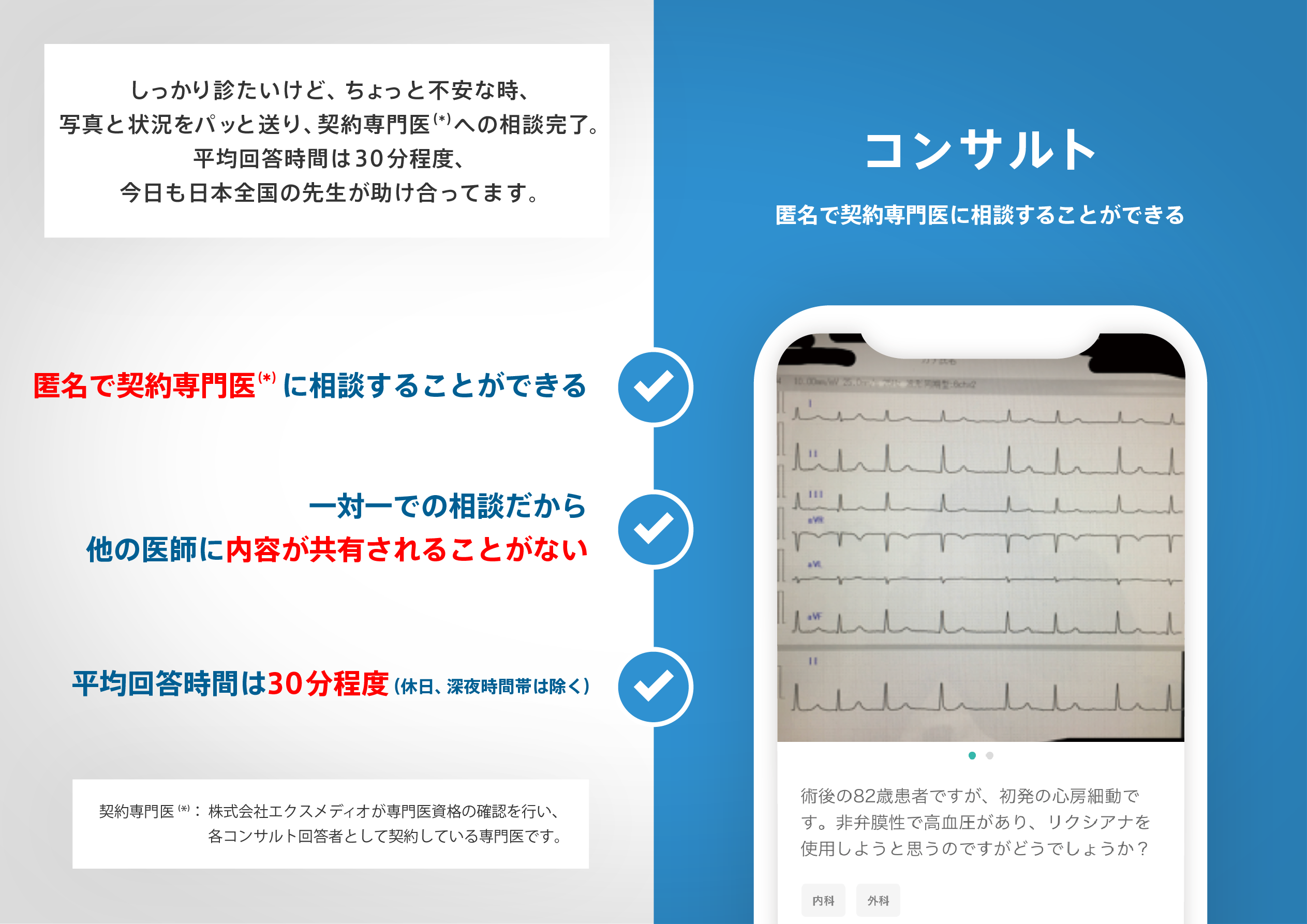
ヒポクラ x マイナビのご紹介

無料会員登録していただくと、さらに便利で効率的な検索が可能になります。