著名医師による解説が無料で読めます
すると翻訳の精度が向上します
細胞の接着をもたらす分子相互作用の理解において、急速な進歩がなされています。細胞外マトリックスおよび血液に存在する多くの接着タンパク質は、細胞認識部位としてトリペプチドアルギニン - グリシン - アスパラギン酸(RGD)を含んでいます。これらのタンパク質には、フィブロネクチン、ビトロネクチン、オステオポンチン、コラーゲン、トロンボスポンディン、フィブリノーゲン、およびフォンウィルブランド因子が含まれます。各接着タンパク質のRGD配列は、構造的に関連する受容体ファミリーの少なくとも1つのメンバーであるインテグリンによって認識されます。これらの受容体のいくつかは、単一の接着タンパク質のみのRGD配列のみに結合しますが、それらのグループはそれらのグループを認識します。個々のタンパク質におけるRGD配列の立体構造は、この認識特異性にとって重要かもしれません。原形質膜の細胞質側では、受容体は細胞外マトリックスを細胞骨格に接続します。10人以上の証明または疑わしいRGDを含む接着プロモーションタンパク質がすでに確認されており、インテグリンファミリーには、これらのタンパク質を認識する少なくとも多くの受容体が含まれています。一緒に、接着タンパク質とその受容体は、極性、位置、分化、およびおそらく成長のための固定、移動のための牽引、およびシグナルを細胞に提供する汎用性認識システムを構成します。
細胞の接着をもたらす分子相互作用の理解において、急速な進歩がなされています。細胞外マトリックスおよび血液に存在する多くの接着タンパク質は、細胞認識部位としてトリペプチドアルギニン - グリシン - アスパラギン酸(RGD)を含んでいます。これらのタンパク質には、フィブロネクチン、ビトロネクチン、オステオポンチン、コラーゲン、トロンボスポンディン、フィブリノーゲン、およびフォンウィルブランド因子が含まれます。各接着タンパク質のRGD配列は、構造的に関連する受容体ファミリーの少なくとも1つのメンバーであるインテグリンによって認識されます。これらの受容体のいくつかは、単一の接着タンパク質のみのRGD配列のみに結合しますが、それらのグループはそれらのグループを認識します。個々のタンパク質におけるRGD配列の立体構造は、この認識特異性にとって重要かもしれません。原形質膜の細胞質側では、受容体は細胞外マトリックスを細胞骨格に接続します。10人以上の証明または疑わしいRGDを含む接着プロモーションタンパク質がすでに確認されており、インテグリンファミリーには、これらのタンパク質を認識する少なくとも多くの受容体が含まれています。一緒に、接着タンパク質とその受容体は、極性、位置、分化、およびおそらく成長のための固定、移動のための牽引、およびシグナルを細胞に提供する汎用性認識システムを構成します。
Rapid progress has been made in the understanding of the molecular interactions that result in cell adhesion. Many adhesive proteins present in extracellular matrices and in the blood contain the tripeptide arginine-glycine-aspartic acid (RGD) as their cell recognition site. These proteins include fibronectin, vitronectin, osteopontin, collagens, thrombospondin, fibrinogen, and von Willebrand factor. The RGD sequences of each of the adhesive proteins are recognized by at least one member of a family of structurally related receptors, integrins, which are heterodimeric proteins with two membrane-spanning subunits. Some of these receptors bind to the RGD sequence of a single adhesion protein only, whereas others recognize groups of them. The conformation of the RGD sequence in the individual proteins may be critical to this recognition specificity. On the cytoplasmic side of the plasma membrane, the receptors connect the extracellular matrix to the cytoskeleton. More than ten proved or suspected RGD-containing adhesion-promoting proteins have already been identified, and the integrin family includes at least as many receptors recognizing these proteins. Together, the adhesion proteins and their receptors constitute a versatile recognition system providing cells with anchorage, traction for migration, and signals for polarity, position, differentiation, and possibly growth.
医師のための臨床サポートサービス
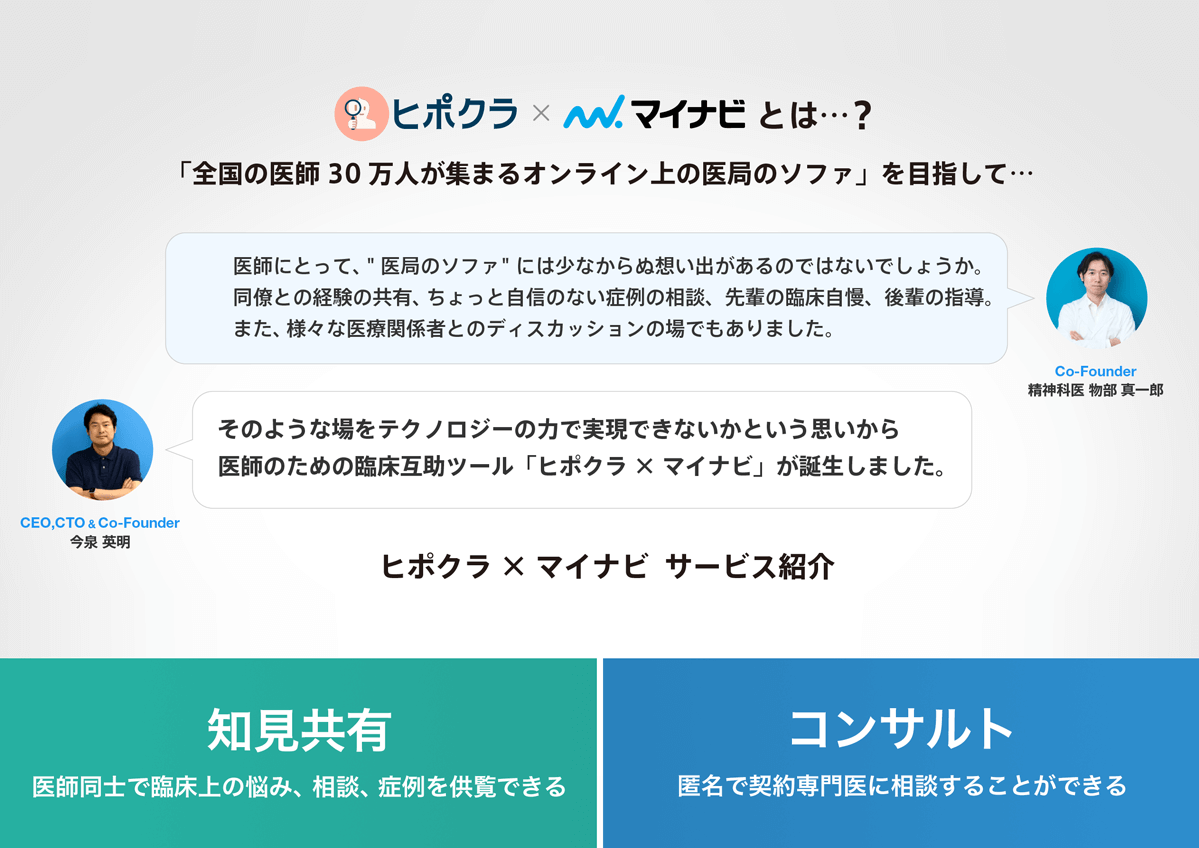
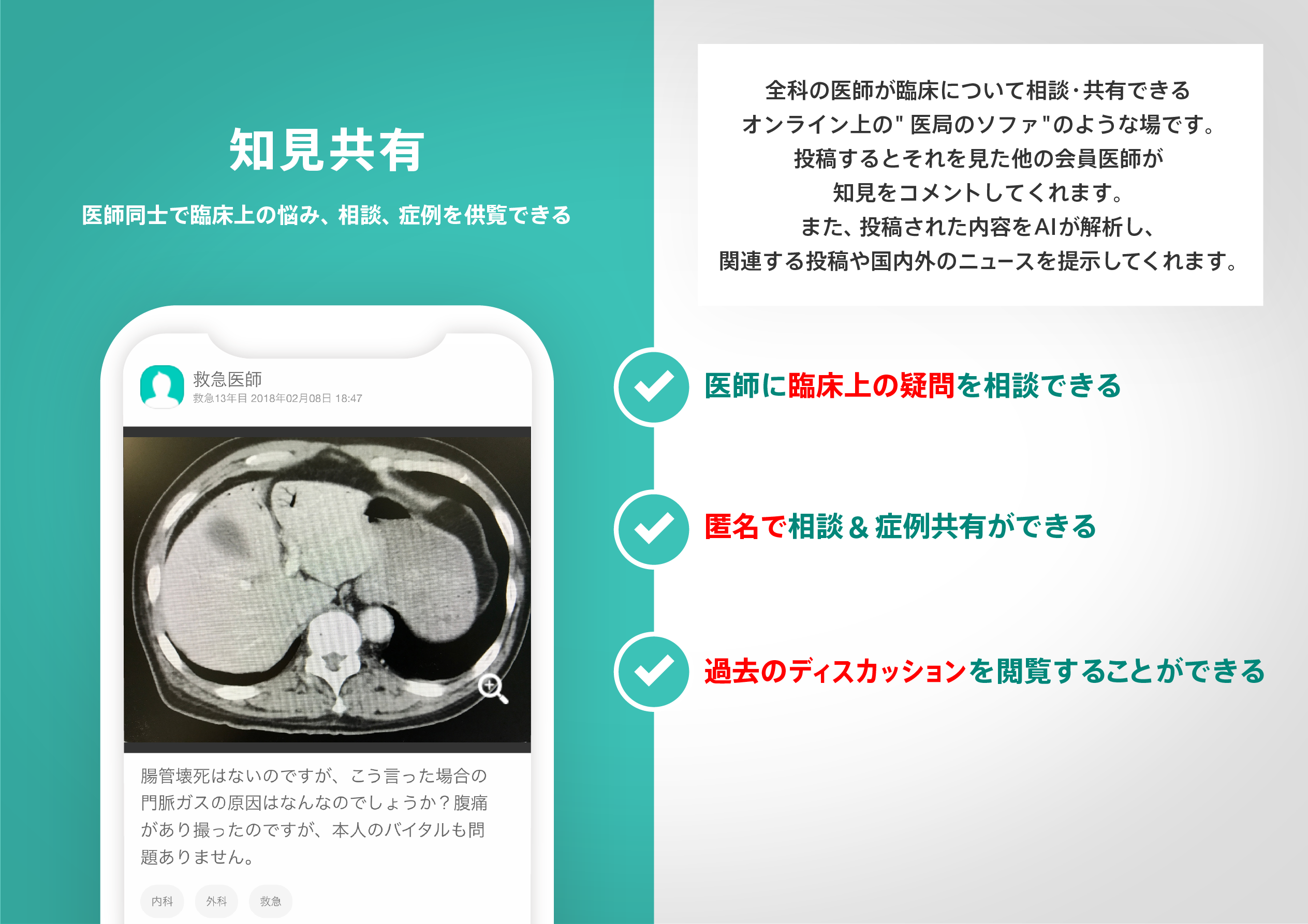
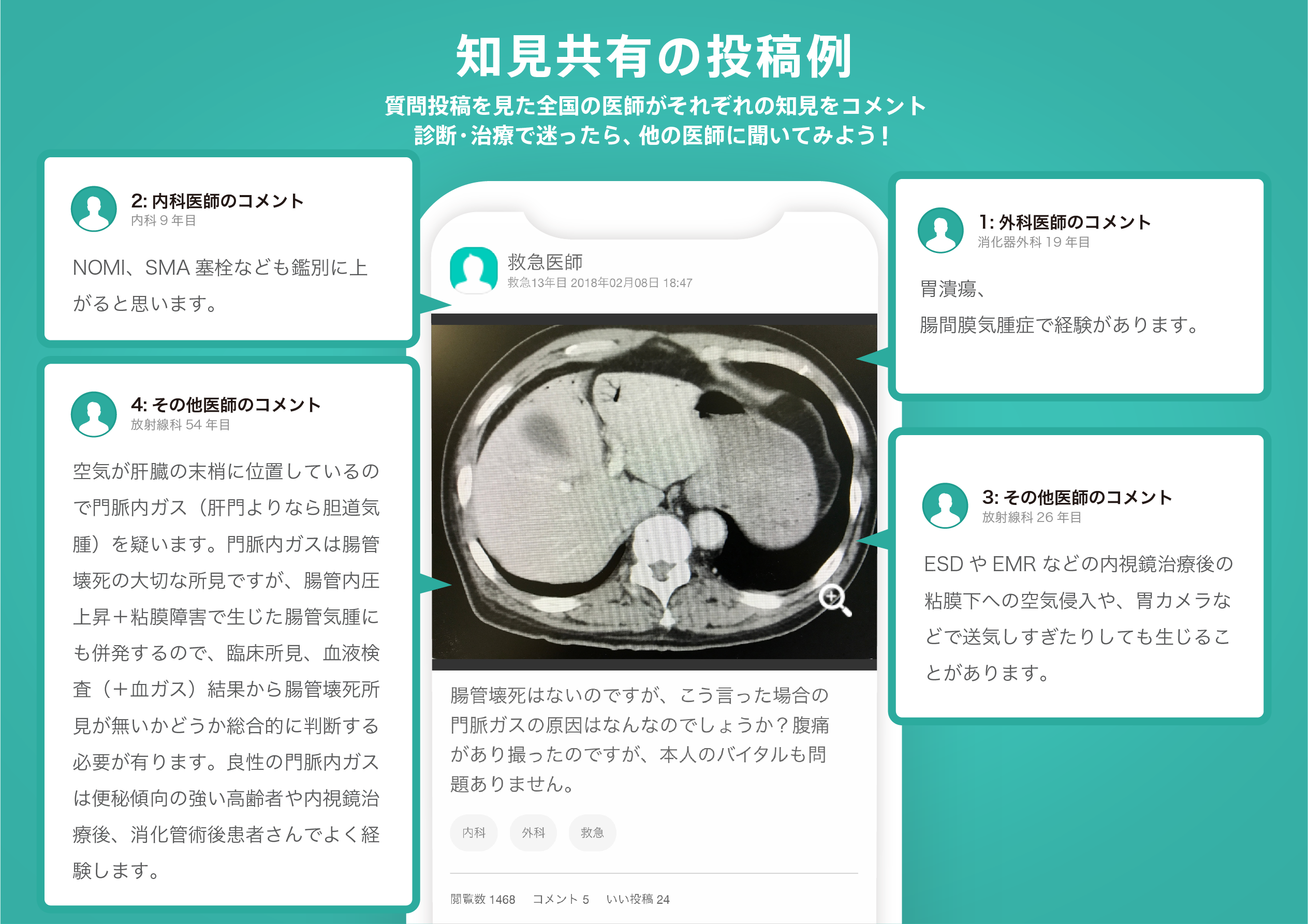
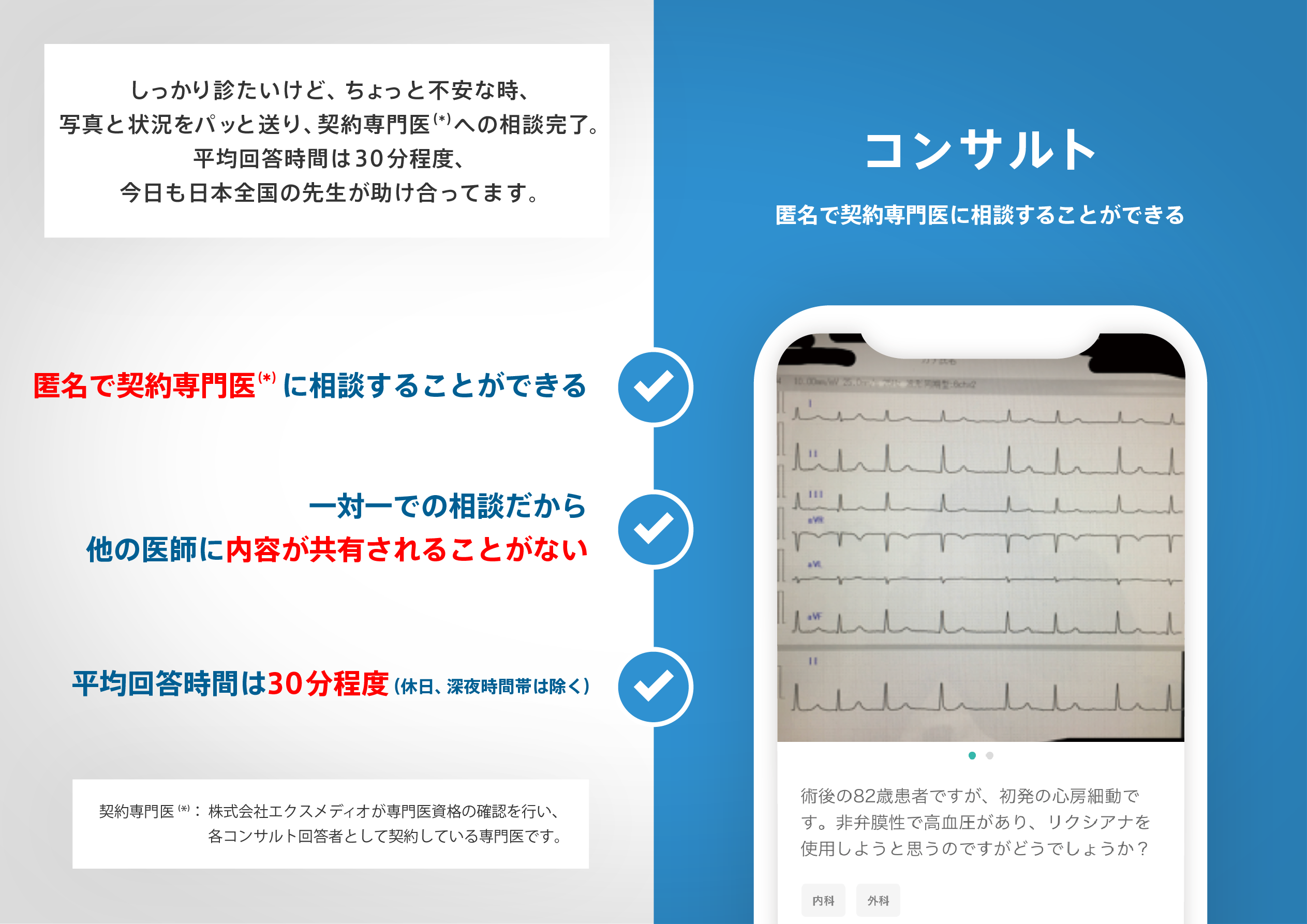
ヒポクラ x マイナビのご紹介

無料会員登録していただくと、さらに便利で効率的な検索が可能になります。