著名医師による解説が無料で読めます
すると翻訳の精度が向上します
目的:ジペプチジルペプチダーゼ様タンパク質6(DPPX)抗体関連脳炎、免疫グロブリンG(IgG)サブクラス、およびDPPX/KV4.2カリウムチャネルに対する抗体効果の主な症候群を報告する。 方法:2013年以降に報告された新しい患者と症例の回顧的分析が実施されました。IgGサブクラスと培養ニューロンに対する抗体の効果は、説明された技術で決定されました。 結果:9人の新しい患者が特定されました(57歳の中央値、36〜69歳の範囲)。すべてが重度の前駆体減量または下痢に続いて、認知機能障害(9)、記憶障害(5)、CNSの過剰発現可能性(8;過極性、ミオクローヌス、震え、または発作)、または脳幹または小脳機能障害(7)を発症しました。病気のピークは、発症後8ヶ月(1〜54か月の範囲)に達しました。すべての患者には、IgG4とIgG1 DPPX抗体の両方がありました。培養ニューロンでは、抗体がDPPXクラスターとKv4.2タンパク質の減少を引き起こし、抗体の除去時に可逆的でした。現在のシリーズと以前に報告された症例(合計39)を考慮して、67%がトライアドを発症しました:体重減少(中央値20 kg;範囲8-53 kg)/胃腸症状、認知精神機能障害、およびCNSの視覚性。結果は35人の患者(免疫療法で治療されていない8人)から入手できました:60%は実質的または中程度の改善があり、23%が改善しませんでした(ほとんどが治療されていません)、17%が死亡しました。再発は35人の患者のうち8人(23%)で発生し、免疫療法に反応しました。 結論:DPPX抗体は主にIgG1およびIgG4であり、通常は下痢、その他の胃腸症状、および体重減少が前に行われるCNSの症状の認知的障害とCNSの症状と関連しています。この障害は免疫療法に反応し、これは培養ニューロンにおける抗体効果の可逆性によって裏付けられています。
目的:ジペプチジルペプチダーゼ様タンパク質6(DPPX)抗体関連脳炎、免疫グロブリンG(IgG)サブクラス、およびDPPX/KV4.2カリウムチャネルに対する抗体効果の主な症候群を報告する。 方法:2013年以降に報告された新しい患者と症例の回顧的分析が実施されました。IgGサブクラスと培養ニューロンに対する抗体の効果は、説明された技術で決定されました。 結果:9人の新しい患者が特定されました(57歳の中央値、36〜69歳の範囲)。すべてが重度の前駆体減量または下痢に続いて、認知機能障害(9)、記憶障害(5)、CNSの過剰発現可能性(8;過極性、ミオクローヌス、震え、または発作)、または脳幹または小脳機能障害(7)を発症しました。病気のピークは、発症後8ヶ月(1〜54か月の範囲)に達しました。すべての患者には、IgG4とIgG1 DPPX抗体の両方がありました。培養ニューロンでは、抗体がDPPXクラスターとKv4.2タンパク質の減少を引き起こし、抗体の除去時に可逆的でした。現在のシリーズと以前に報告された症例(合計39)を考慮して、67%がトライアドを発症しました:体重減少(中央値20 kg;範囲8-53 kg)/胃腸症状、認知精神機能障害、およびCNSの視覚性。結果は35人の患者(免疫療法で治療されていない8人)から入手できました:60%は実質的または中程度の改善があり、23%が改善しませんでした(ほとんどが治療されていません)、17%が死亡しました。再発は35人の患者のうち8人(23%)で発生し、免疫療法に反応しました。 結論:DPPX抗体は主にIgG1およびIgG4であり、通常は下痢、その他の胃腸症状、および体重減少が前に行われるCNSの症状の認知的障害とCNSの症状と関連しています。この障害は免疫療法に反応し、これは培養ニューロンにおける抗体効果の可逆性によって裏付けられています。
OBJECTIVE: To report the main syndrome of dipeptidyl-peptidase-like protein 6 (DPPX) antibody-associated encephalitis, immunoglobulin G (IgG) subclass, and the antibody effects on DPPX/Kv4.2 potassium channels. METHODS: A retrospective analysis of new patients and cases reported since 2013 was performed. IgG subclass and effects of antibodies on cultured neurons were determined with described techniques. RESULTS: Nine new patients were identified (median age 57 years, range 36-69 years). All developed severe prodromal weight loss or diarrhea followed by cognitive dysfunction (9), memory deficits (5), CNS hyperexcitability (8; hyperekplexia, myoclonus, tremor, or seizures), or brainstem or cerebellar dysfunction (7). The peak of the disease was reached 8 months (range 1-54 months) after onset. All patients had both IgG4 and IgG1 DPPX antibodies. In cultured neurons, the antibodies caused a decrease of DPPX clusters and Kv4.2 protein that was reversible on removal of the antibodies. Considering the current series and previously reported cases (total 39), 67% developed the triad: weight loss (median 20 kg; range 8-53 kg)/gastrointestinal symptoms, cognitive-mental dysfunction, and CNS hyperexcitability. Outcome was available from 35 patients (8 not treated with immunotherapy): 60% had substantial or moderate improvement, 23% had no improvement (most of them not treated), and 17% died. Relapses occurred in 8 of 35 patients (23%) and were responsive to immunotherapy. CONCLUSIONS: DPPX antibodies are predominantly IgG1 and IgG4 and associate with cognitive-mental deficits and symptoms of CNS hyperexcitability that are usually preceded by diarrhea, other gastrointestinal symptoms, and weight loss. The disorder is responsive to immunotherapy, and this is supported by the reversibility of the antibody effects in cultured neurons.
医師のための臨床サポートサービス
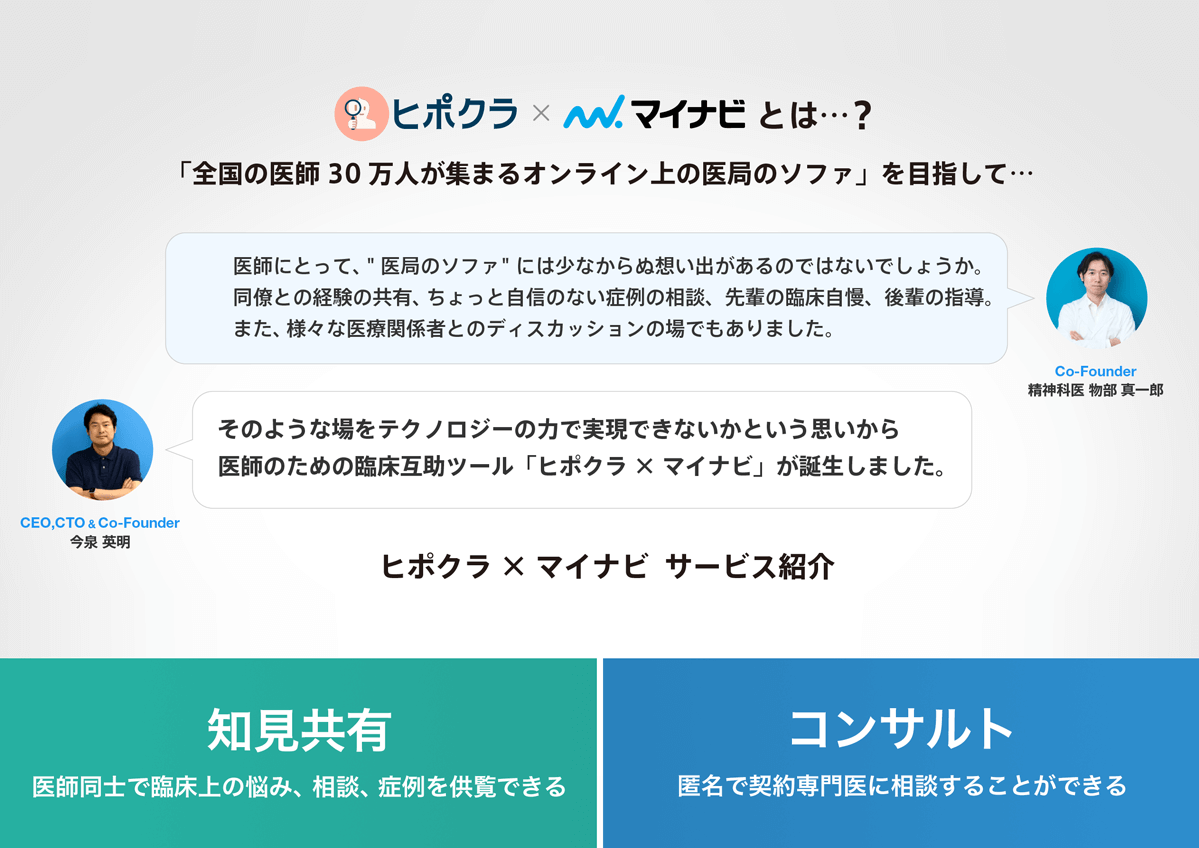
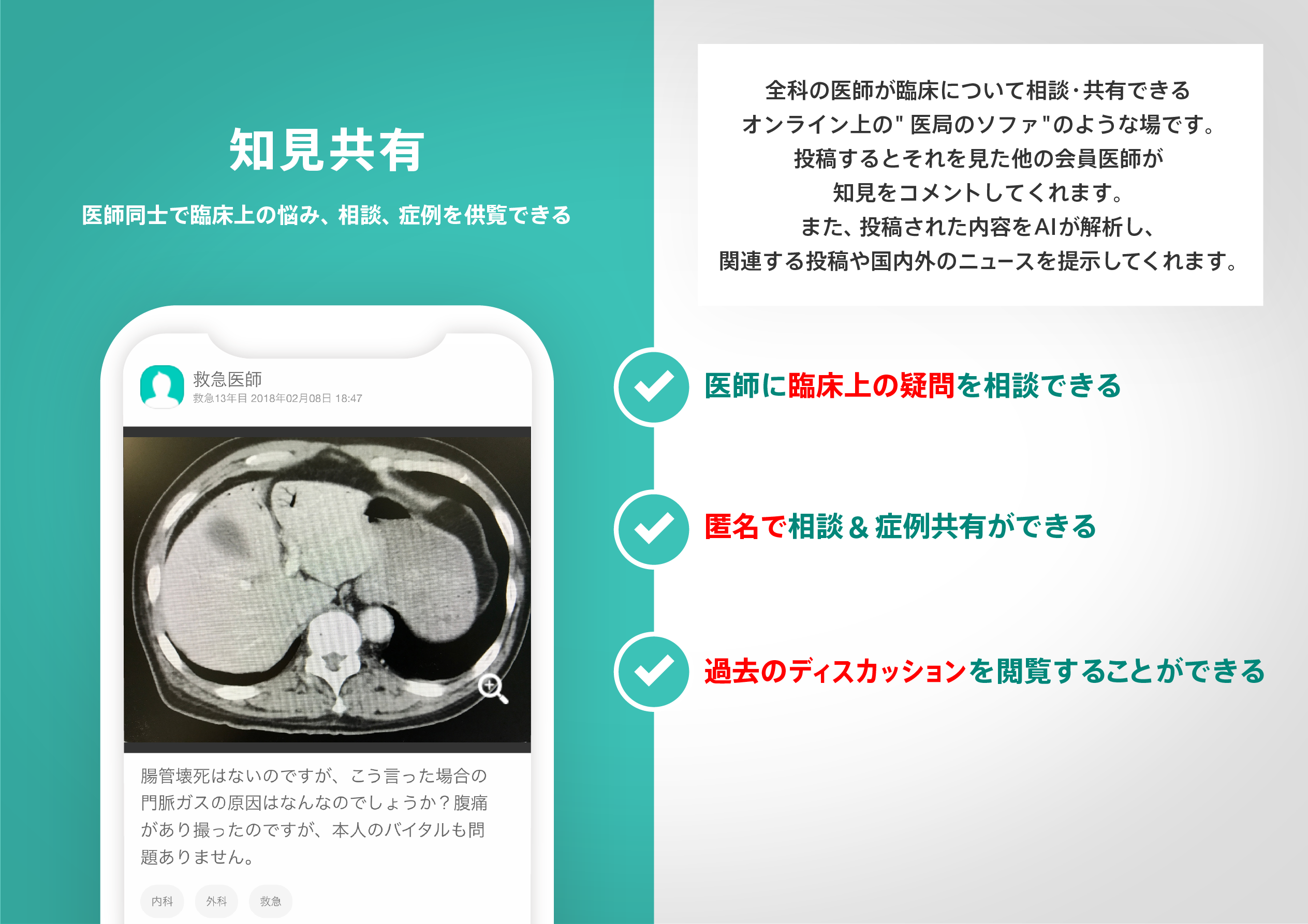
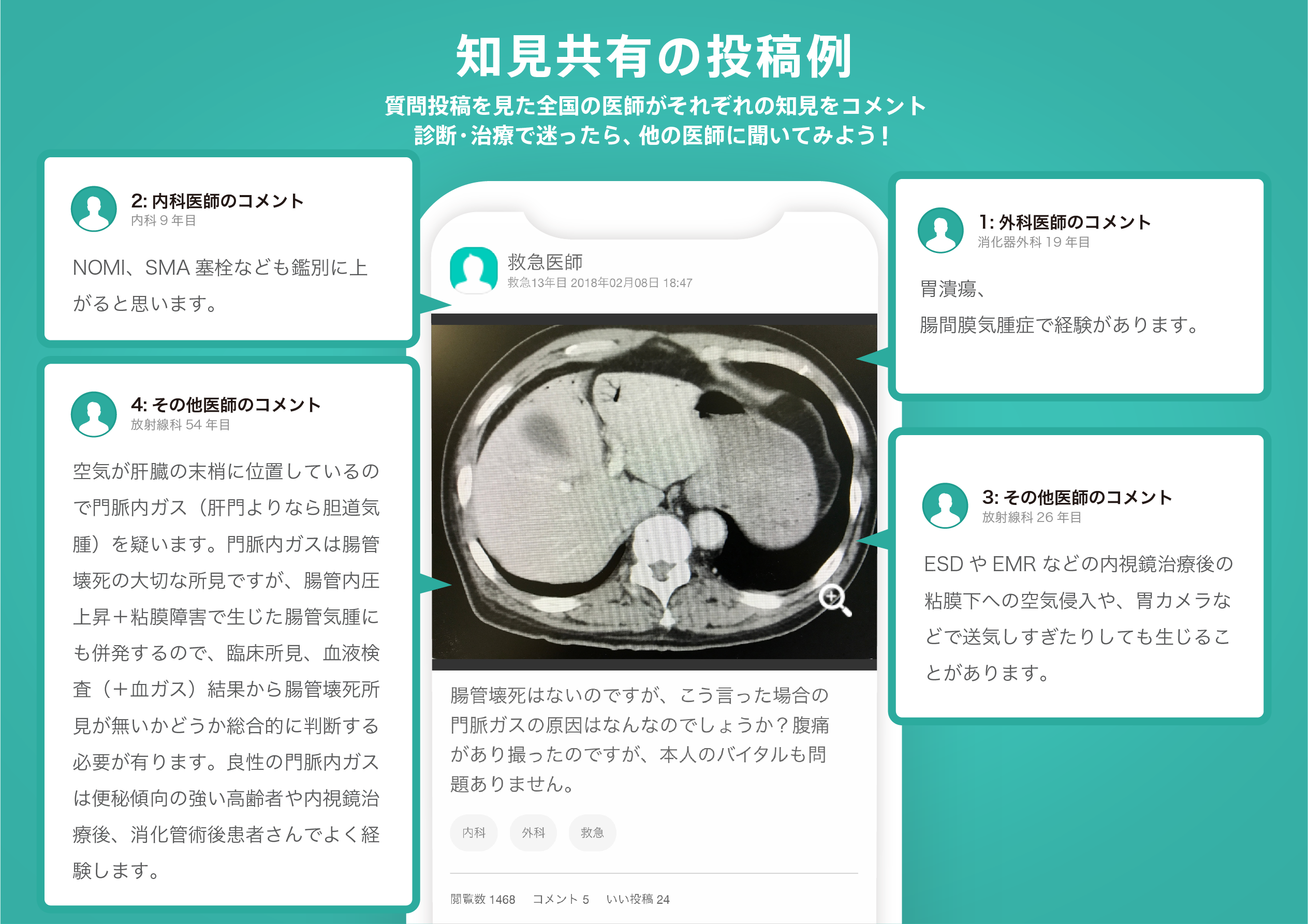
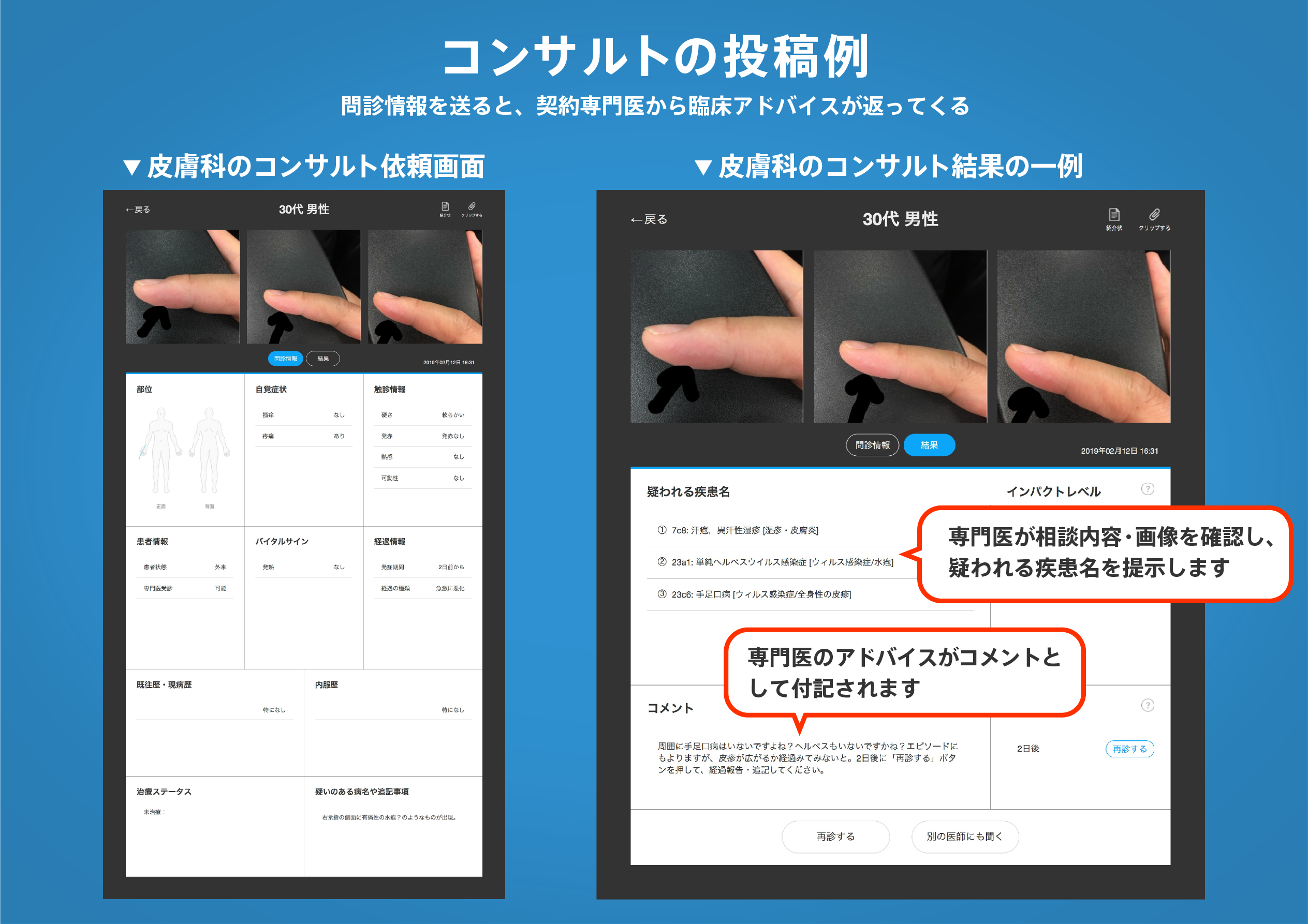
ヒポクラ x マイナビのご紹介


無料会員登録していただくと、さらに便利で効率的な検索が可能になります。