著名医師による解説が無料で読めます
すると翻訳の精度が向上します
目的:後角の半月板裂傷は、前十字靭帯(ACL)損傷と併せて一般的に見られます。一部の人々は、造血ゾーンの涙が生まれたランプ病変が膝の安定性にとって重要であると信じています。この研究の目的は、術前MRI評価がランプ病変を正確かつ再現できるかどうかを判断することでした。 方法:3人の盲目のレビュアーは、ACL再建を受けている患者のランプ病変の存在についてMRIを2回評価しました。MRIの感度、特異性、負の予測値、および正の予測値は、RAMP病変の関節鏡視鏡診断に基づいて計算されました。クラス内相関係数を計算して、3つの試験官間のMRI評価の観察者間信頼性を評価しました。有意性はP <0.05に設定されました。 結果:90人の患者が選択基準を満たしました(男性45人、女性45人、平均年齢28.0歳)。これらの患者のうち13人は関節鏡検査で確認されたランプ病変を患っていましたが、他の77人は他の半月板病理学を持っていました。MRIのランプ病変を検出する感度は53.9から84.6%の範囲でしたが、特異性は92.3-98.7%でした。負の予測値は91.1-97.4%でしたが、正の予測値は50.0-90.0%でした。3人のレビュアー間の評価者間信頼性は0.56で中程度でした。オブザーバーは、0.75〜0.81の範囲の優れた評価者内信頼性を持っていました。 結論:この研究は、MRIの半月板のランプ病変を検出する際の高い感度と優れた特異性を示しています。ランプ病変はおそらくより一般的であり、以前に評価されたよりも大きな臨床的意味を持つ可能性があります。未処理の病変の結果を調査する必要があります。ランプ病変の術前同定は、外科的計画と患者教育において臨床医が、そうでなければ見逃されている可能性のある病理に対処することにより、転帰を改善するのに役立つ可能性があります。 証拠のレベル:iii。
目的:後角の半月板裂傷は、前十字靭帯(ACL)損傷と併せて一般的に見られます。一部の人々は、造血ゾーンの涙が生まれたランプ病変が膝の安定性にとって重要であると信じています。この研究の目的は、術前MRI評価がランプ病変を正確かつ再現できるかどうかを判断することでした。 方法:3人の盲目のレビュアーは、ACL再建を受けている患者のランプ病変の存在についてMRIを2回評価しました。MRIの感度、特異性、負の予測値、および正の予測値は、RAMP病変の関節鏡視鏡診断に基づいて計算されました。クラス内相関係数を計算して、3つの試験官間のMRI評価の観察者間信頼性を評価しました。有意性はP <0.05に設定されました。 結果:90人の患者が選択基準を満たしました(男性45人、女性45人、平均年齢28.0歳)。これらの患者のうち13人は関節鏡検査で確認されたランプ病変を患っていましたが、他の77人は他の半月板病理学を持っていました。MRIのランプ病変を検出する感度は53.9から84.6%の範囲でしたが、特異性は92.3-98.7%でした。負の予測値は91.1-97.4%でしたが、正の予測値は50.0-90.0%でした。3人のレビュアー間の評価者間信頼性は0.56で中程度でした。オブザーバーは、0.75〜0.81の範囲の優れた評価者内信頼性を持っていました。 結論:この研究は、MRIの半月板のランプ病変を検出する際の高い感度と優れた特異性を示しています。ランプ病変はおそらくより一般的であり、以前に評価されたよりも大きな臨床的意味を持つ可能性があります。未処理の病変の結果を調査する必要があります。ランプ病変の術前同定は、外科的計画と患者教育において臨床医が、そうでなければ見逃されている可能性のある病理に対処することにより、転帰を改善するのに役立つ可能性があります。 証拠のレベル:iii。
PURPOSE: Posterior horn meniscal tears are commonly found in conjunction with anterior cruciate ligament (ACL) injury. Some believe tears in the posterior meniscocapsular zone, coined ramp lesions, are important to knee stability. The purpose of this study was to determine whether pre-operative MRI evaluation was able to accurately and reproducibly identify ramp lesions. METHODS: Three blinded reviewers assessed MRIs twice for the presence of ramp lesions in patients undergoing ACL reconstruction. Sensitivity, specificity, negative predictive value, and positive predictive value for MRI were calculated based on arthroscopic diagnosis of a ramp lesion. Intra-class correlation coefficient was calculated to assess intra- and interobserver reliability of the MRI assessment between the three examiners. Significance was set at p < 0.05. RESULTS: Ninety patients met inclusion criteria (45 males, 45 females, mean age 28.0 years). Thirteen of these patients had arthroscopy-confirmed ramp lesions, while the other 77 had other meniscal pathology. Sensitivity of detecting a ramp lesion on MRI ranged from 53.9 to 84.6%, while specificity was 92.3-98.7%. Negative predictive value was 91.1-97.4%, while positive predictive value was 50.0-90.0%. Inter-rater reliability between three reviewers was moderate at 0.56. The observers had excellent intra-rater reliability ranging from 0.75 to 0.81. CONCLUSIONS: This study demonstrates high sensitivity and excellent specificity in detecting meniscal ramp lesions on MRI. Ramp lesions are likely more common and may have greater clinical implications than previously appreciated; the outcomes of untreated lesions must be investigated. Pre-operative identification of ramp lesions may aid clinicians in surgical planning and patient education to improve outcomes by addressing pathology which may have otherwise been missed. LEVEL OF EVIDENCE: III.
医師のための臨床サポートサービス
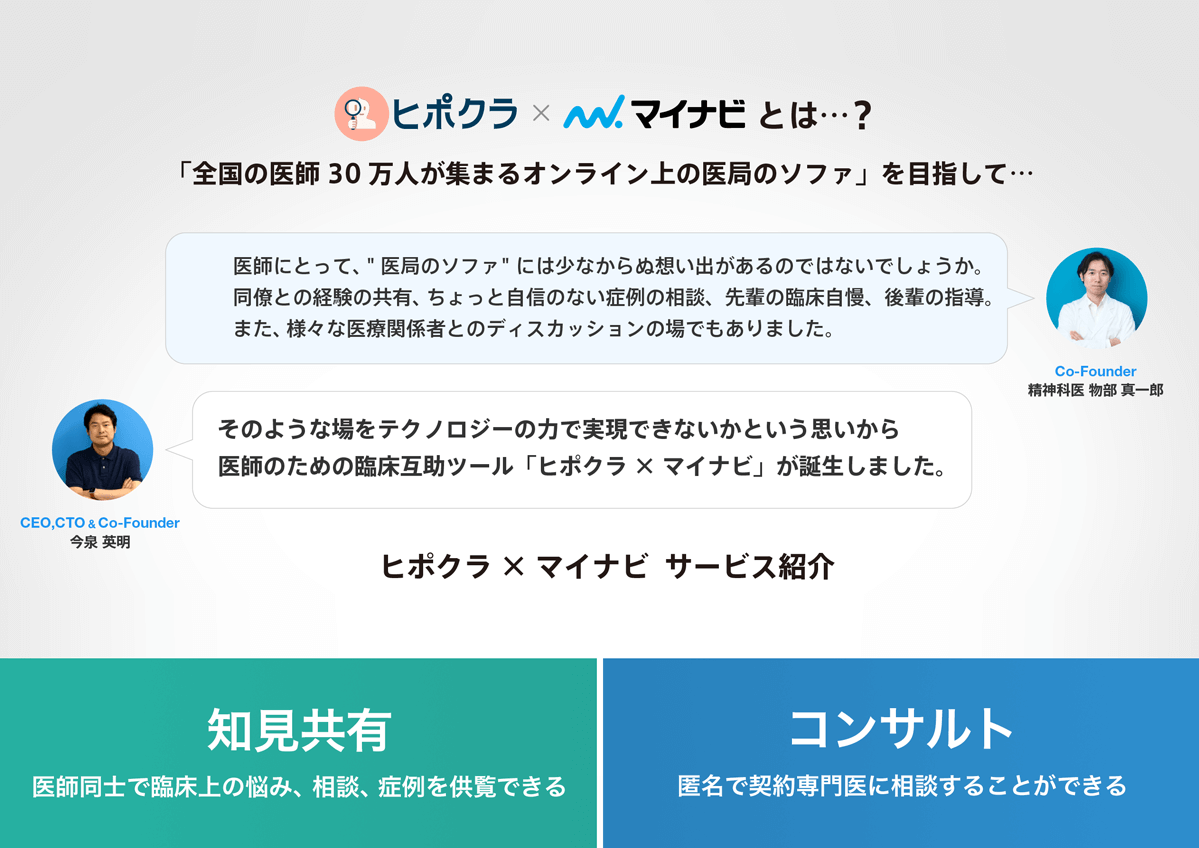
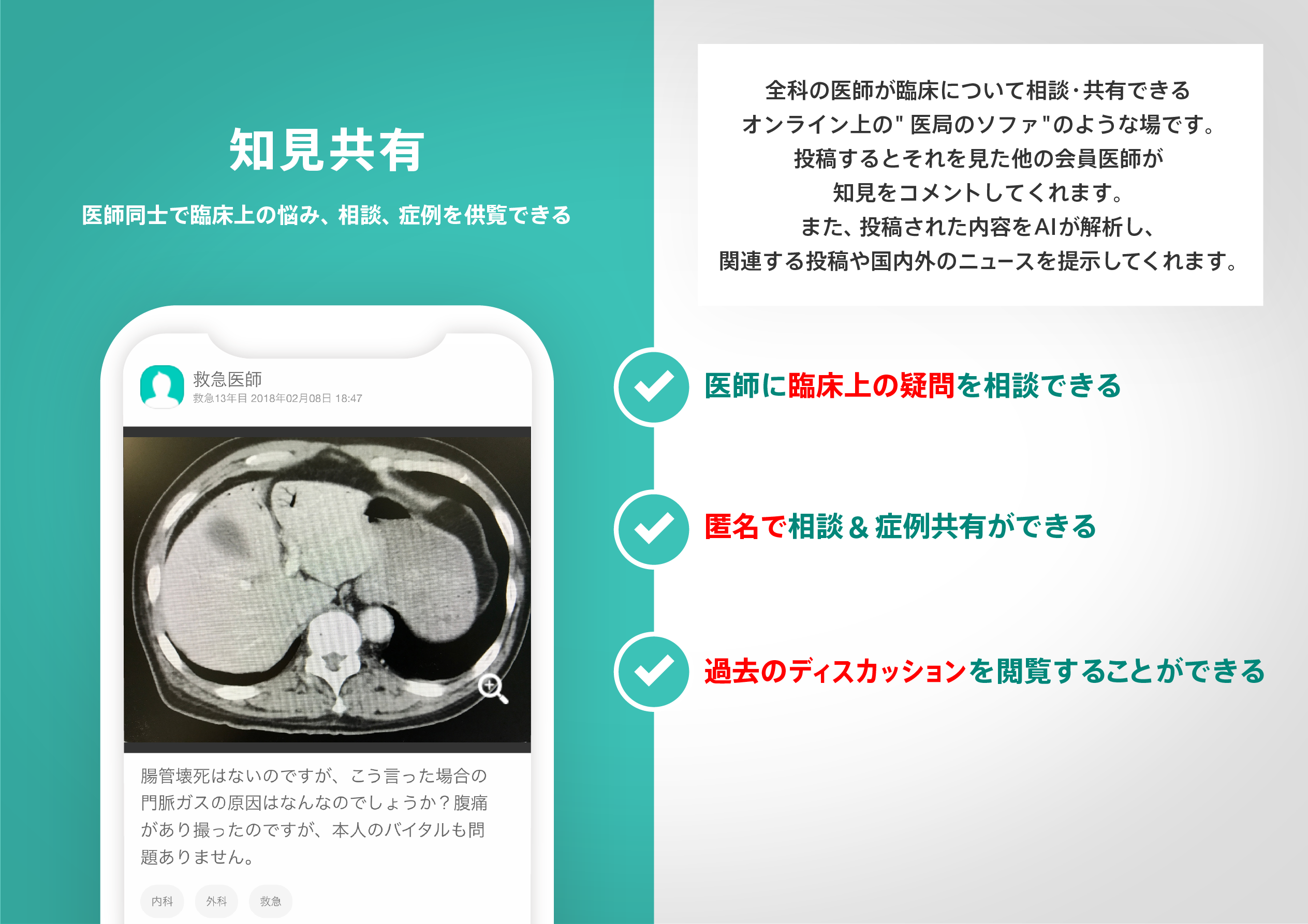
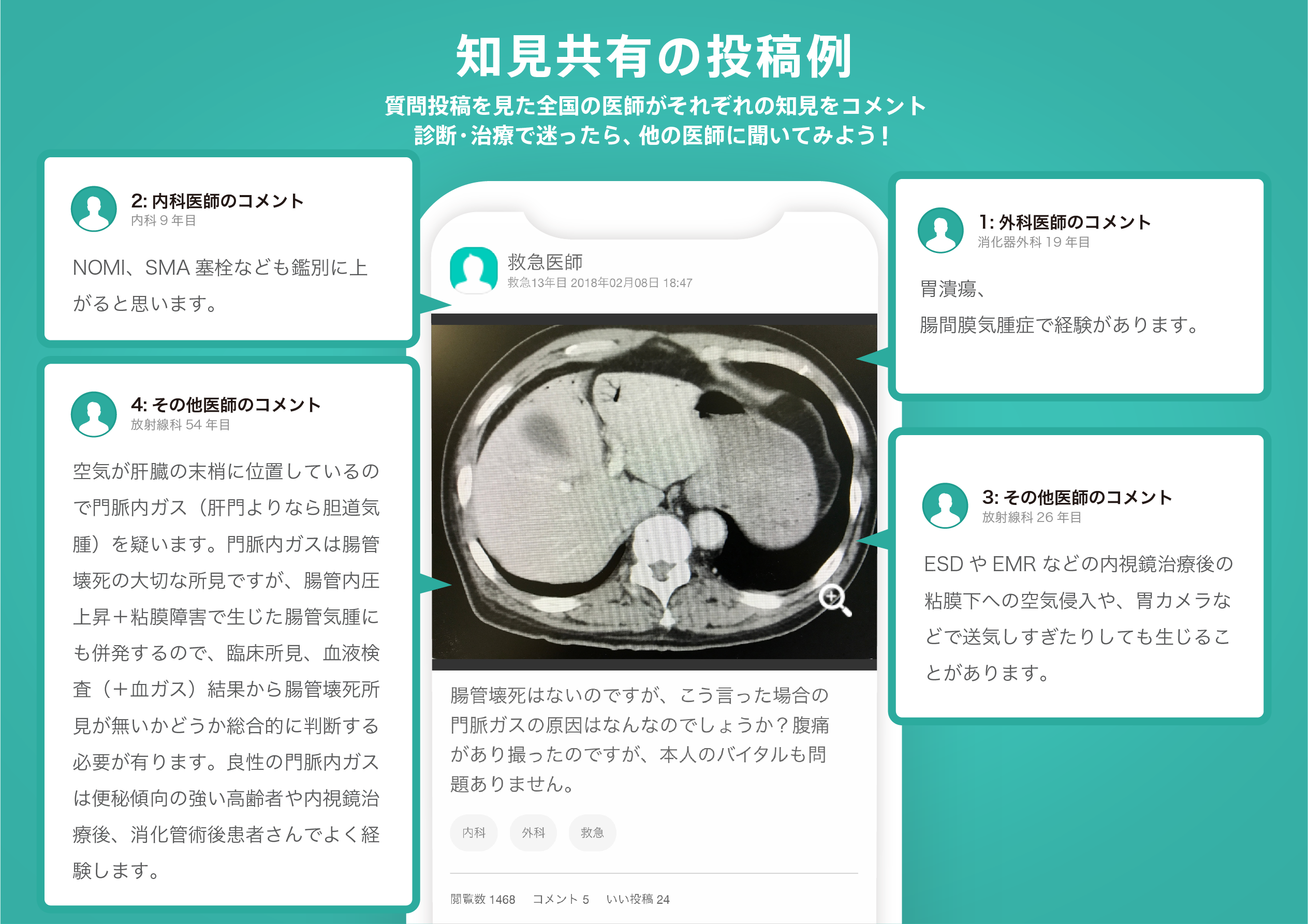
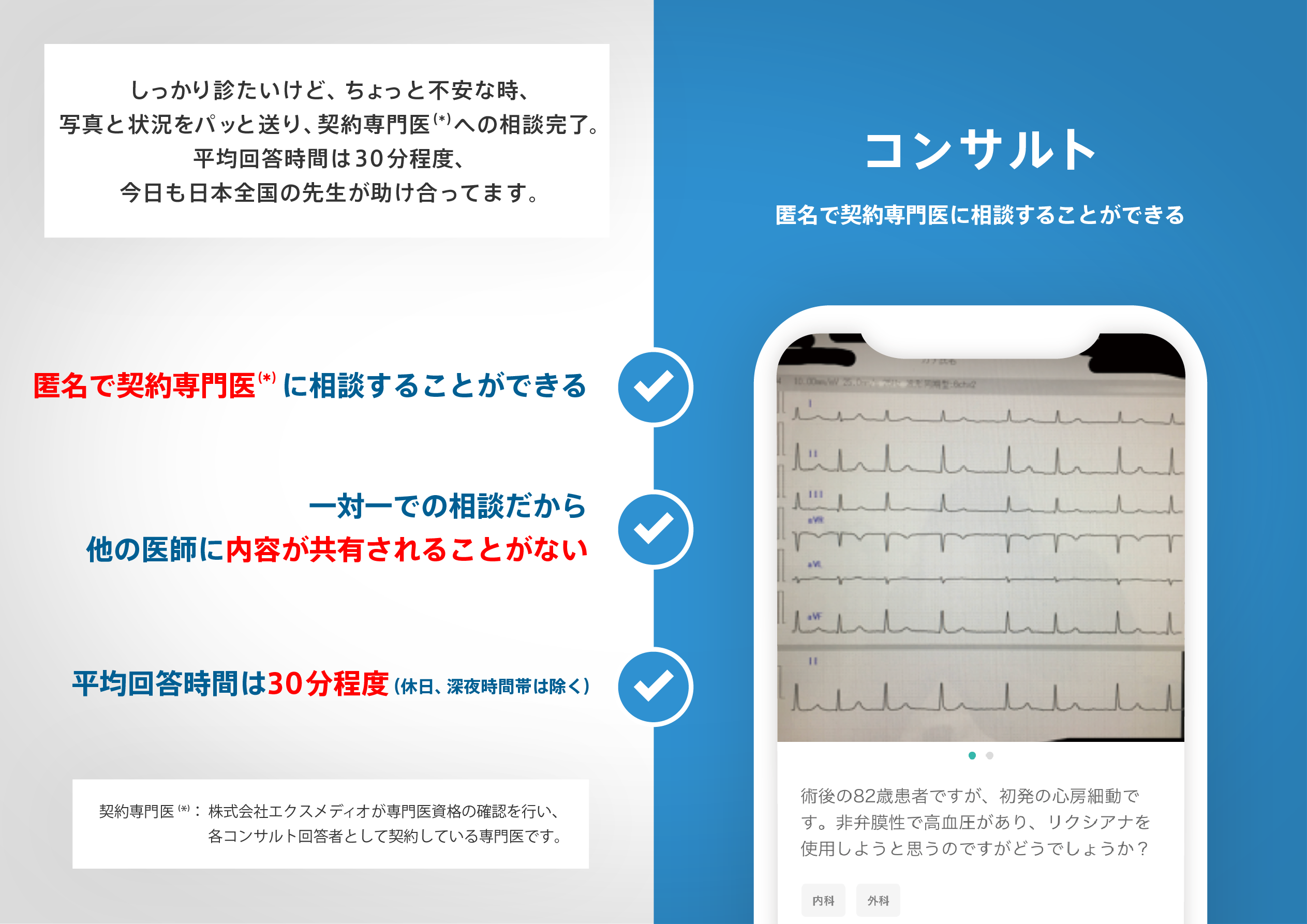
ヒポクラ x マイナビのご紹介

無料会員登録していただくと、さらに便利で効率的な検索が可能になります。