著名医師による解説が無料で読めます
すると翻訳の精度が向上します
目的:機能不全の排尿(DV)および外部括約筋(PRES)の弛緩の不良による排尿機能障害は、ビデオ栄養動態研究(VUDS)中に尿路症状が低い成人(LUTS)の間でよく見られます。この研究では、女性の排尿機能障害におけるDVおよびPresのVUDS特性を分析しました。 方法:このレトロスペクティブ研究には、耐火性LUTSを使用した18歳以上の1914年の女性が含まれていました。医療記録とVUDSパラメーターがレビューされました。DVと診断され、Presが研究に参加した患者。VUDSの特性と尿道括約筋の活動は、泌尿器型普通の女性の特性と比較されました。 結果:1914年の女性のうち、325人(17.0%)と336人(17.6%)がそれぞれDVおよびPresと診断されました。DETRUSORの過活動(DO)は、DVの女性の60%とPRESの女性の5.7%で発生しました。DVの患者は、膀胱感覚の増加、膀胱測定膀胱容量の低下、膀胱のコンプライアンスの低下、排尿筋圧が大きい、排尿容積(VV)、ボイド後の残留体積(PVR)、排尿効率の低下、排尿効率の低下、低下容積(VE)、そして、PRESの女性や対照個人よりも高い膀胱出口閉塞指数(BOOI)。PRESの患者は、膀胱感覚の増加、CBCの低下、最大流量が低い、VVが小さい、PVRが大きく、対照個人よりもVEが低かった。 結論:DVとPresは、排尿機能障害のある成人女性の間で非常に一般的でした。DVの患者には、booと尿力学的doのVUDS特性がありました。Presの臨床症状はDVの臨床症状と類似していたが、患者は排尿筋収縮性が低く、DO率が低かった。
目的:機能不全の排尿(DV)および外部括約筋(PRES)の弛緩の不良による排尿機能障害は、ビデオ栄養動態研究(VUDS)中に尿路症状が低い成人(LUTS)の間でよく見られます。この研究では、女性の排尿機能障害におけるDVおよびPresのVUDS特性を分析しました。 方法:このレトロスペクティブ研究には、耐火性LUTSを使用した18歳以上の1914年の女性が含まれていました。医療記録とVUDSパラメーターがレビューされました。DVと診断され、Presが研究に参加した患者。VUDSの特性と尿道括約筋の活動は、泌尿器型普通の女性の特性と比較されました。 結果:1914年の女性のうち、325人(17.0%)と336人(17.6%)がそれぞれDVおよびPresと診断されました。DETRUSORの過活動(DO)は、DVの女性の60%とPRESの女性の5.7%で発生しました。DVの患者は、膀胱感覚の増加、膀胱測定膀胱容量の低下、膀胱のコンプライアンスの低下、排尿筋圧が大きい、排尿容積(VV)、ボイド後の残留体積(PVR)、排尿効率の低下、排尿効率の低下、低下容積(VE)、そして、PRESの女性や対照個人よりも高い膀胱出口閉塞指数(BOOI)。PRESの患者は、膀胱感覚の増加、CBCの低下、最大流量が低い、VVが小さい、PVRが大きく、対照個人よりもVEが低かった。 結論:DVとPresは、排尿機能障害のある成人女性の間で非常に一般的でした。DVの患者には、booと尿力学的doのVUDS特性がありました。Presの臨床症状はDVの臨床症状と類似していたが、患者は排尿筋収縮性が低く、DO率が低かった。
AIMS: Voiding dysfunction due to dysfunctional voiding (DV) and poor relaxation of the external sphincter (PRES) are commonly found among adult women with lower urinary tract symptoms (LUTS) during videourodynamic study (VUDS). This study analyzed the VUDS characteristics of DV and PRES in female voiding dysfunction. METHODS: This retrospective study involved 1914 women aged >18 years with refractory LUTS. The medical records and the VUDS parameters were reviewed. Patients diagnosed with DV and PRES participated in the study. The VUDS characteristics and urethral sphincter activities were compared with those of urodynamically normal women. RESULTS: Of the 1914 women, 325 (17.0%) and 336 (17.6%) were diagnosed with DV and PRES, respectively. Detrusor overactivity (DO) occurred in 60% of the women with DV and in 5.7% of the women with PRES. Patients with DV had significantly increased bladder sensation, lower cystometric bladder capacity (CBC), lower bladder compliance, higher voiding detrusor pressure, smaller voided volume (VV), larger post-void residual volume (PVR), lower voiding efficiency (VE), and higher bladder outlet obstruction index (BOOI) than the women with PRES and the control individuals. Patients with PRES had significantly increased bladder sensation, lower CBC, lower maximum flow rate, smaller VV, larger PVR, and lower VE than the control individuals. CONCLUSIONS: DV and PRES were highly prevalent among the adult women with voiding dysfunction. Patients with DV had VUDS characteristics of BOO and urodynamic DO. The clinical symptoms of PRES were similar to those of DV, but the patients had low detrusor contractility and low DO rates.
医師のための臨床サポートサービス
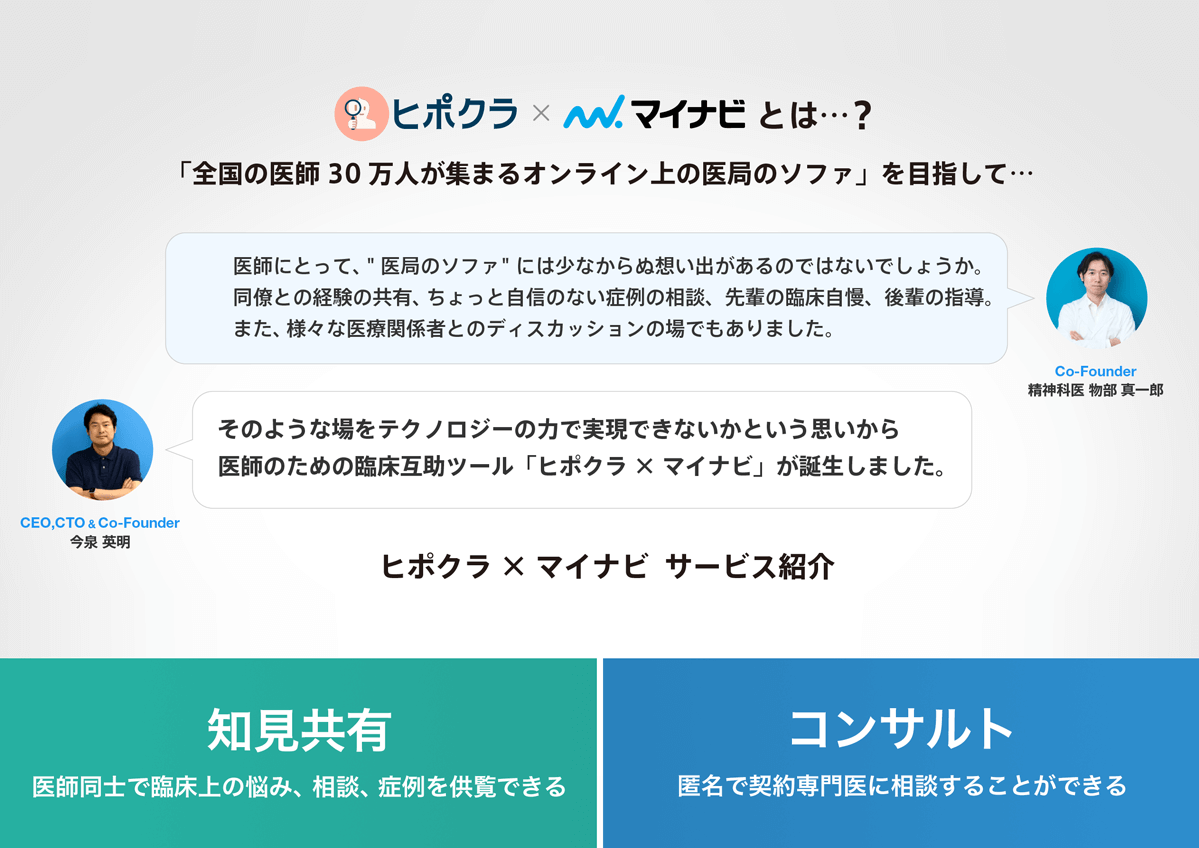
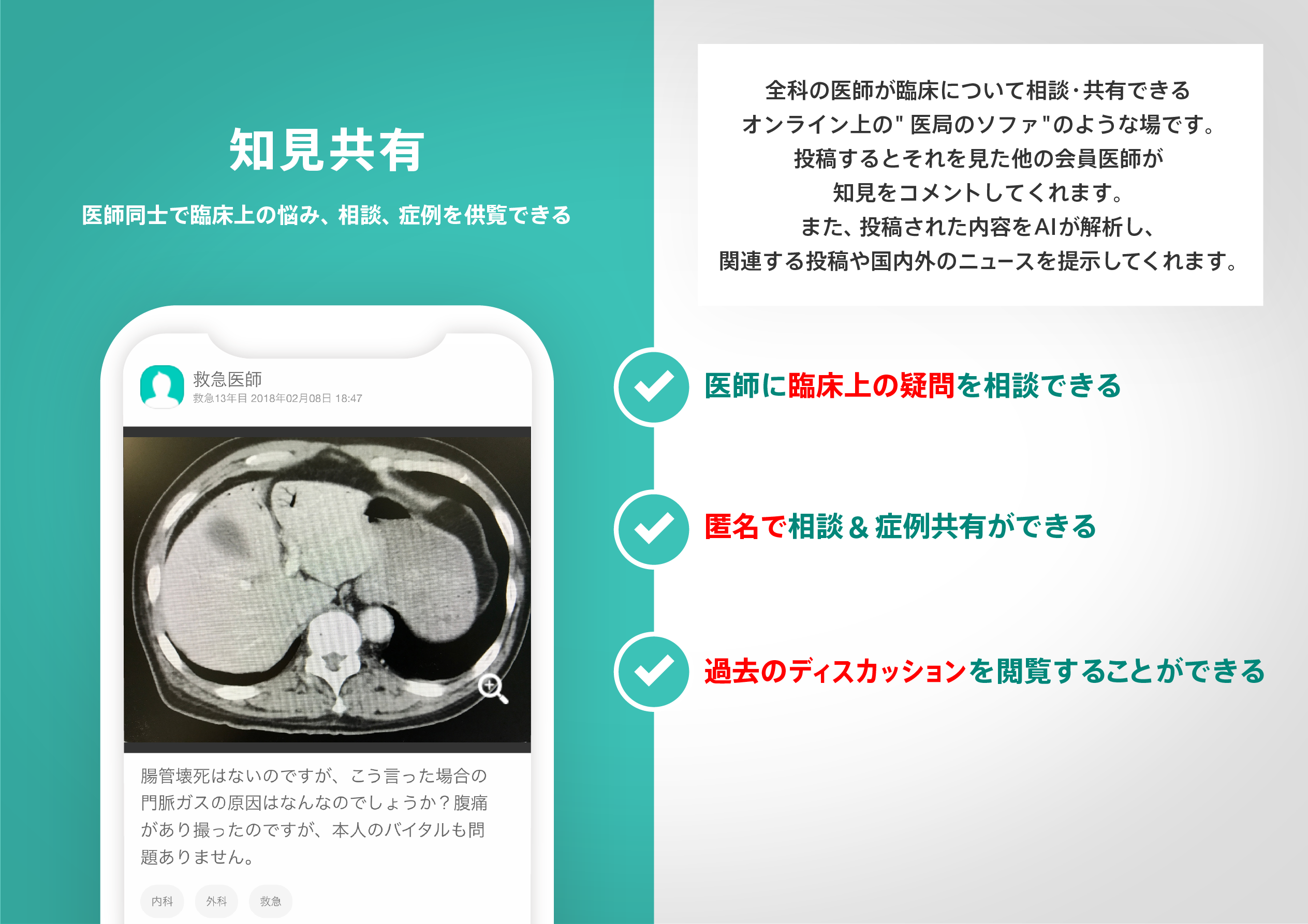
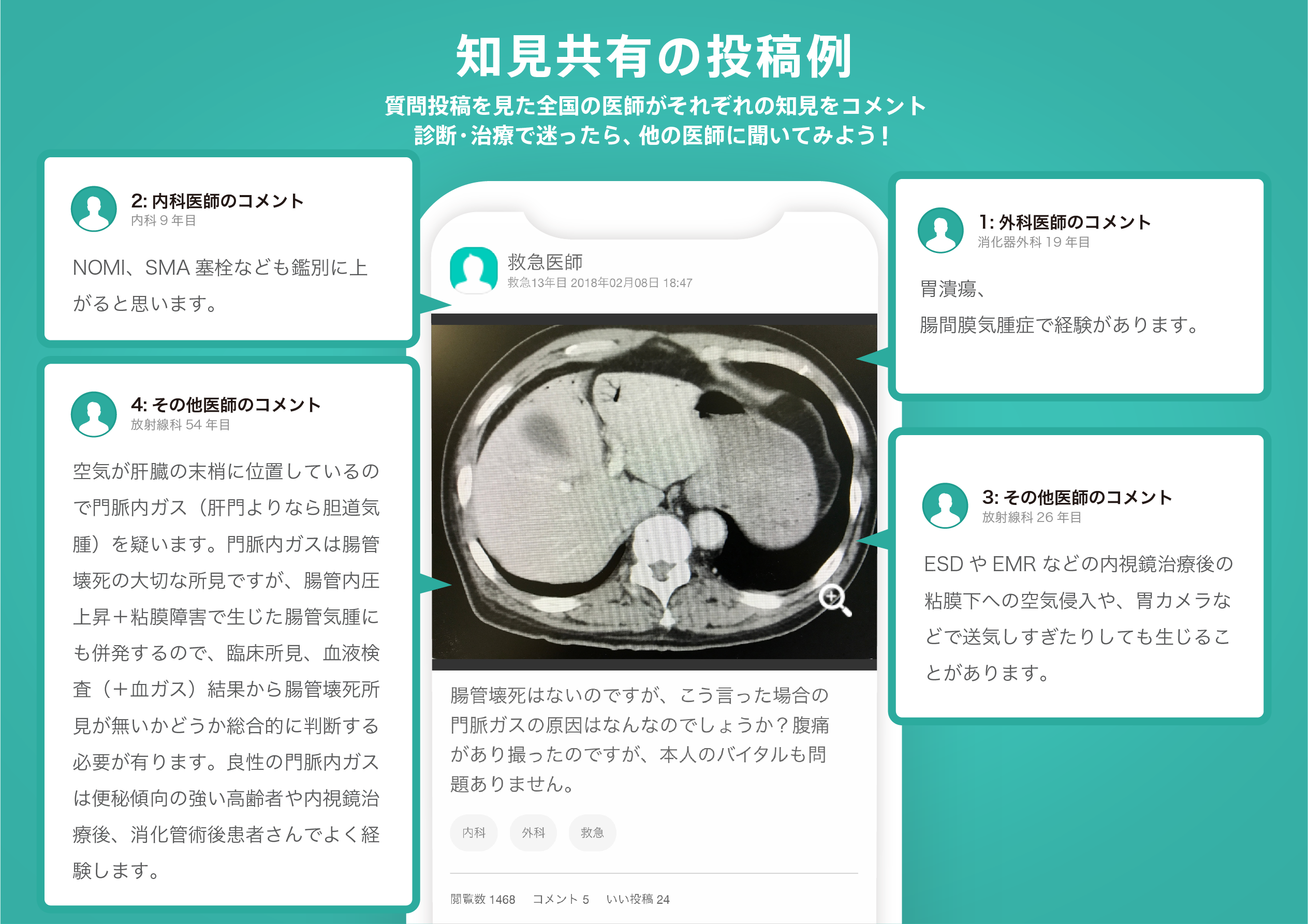
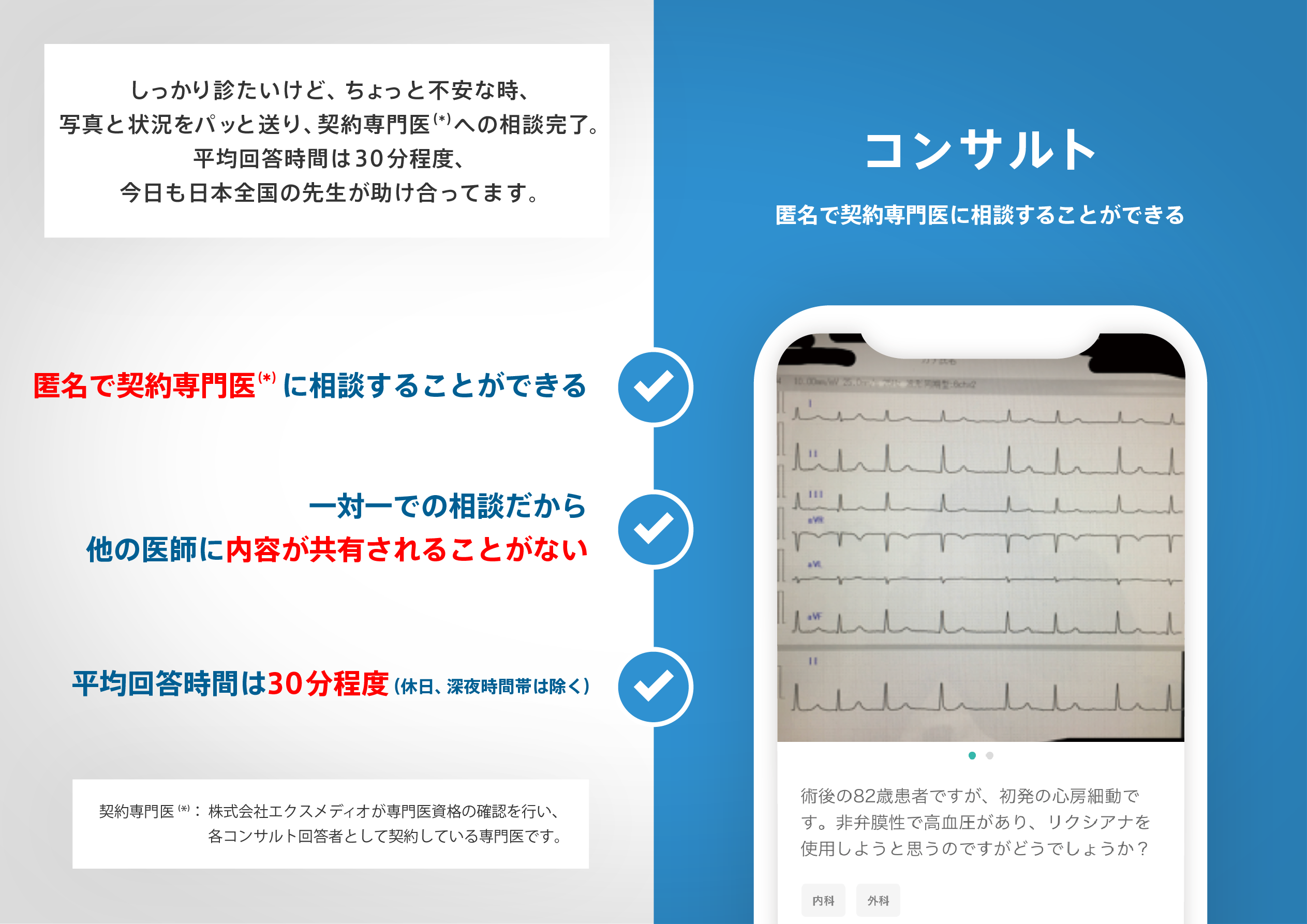
ヒポクラ x マイナビのご紹介

無料会員登録していただくと、さらに便利で効率的な検索が可能になります。