著名医師による解説が無料で読めます
すると翻訳の精度が向上します
背景:核エンベロープは、原核生物と真核生物を区別する重要な分類マーカーと見なされます。ただし、このマーカーは、脂質内膜内膜(ICMS)で分割された細胞内スペースを持つcomplnctomycetaceae科には適用されません。アミノ酸配列の短いストレッチである核局在信号(NLS)は、タンパク質を細胞質から核に輸送するための宛先であり、核エンベロープの発達にも関連しています。plantctomycetaceaeゲノムのNLSモチーフを調査して、細胞内膜系の発達における潜在的な分子遷移を実証しようとしました。 結果:この研究では、11の代表的なplanctomyceaeの11代表種のゲノムで実験的に同定されたNLSSと同じアミノ酸組成を持つNLS様モチーフを特定しました。合計15個のNLSタイプと170個のNLSを含むタンパク質が、11株で検出されました。分子形質転換を決定するために、11の代表的なplanctomycetaceaeゲノムのNLSを含むタンパク質の存在量を、16の分類学的に多様な微生物のゲノムで比較しました:9つの細菌、2つの古細菌、5つの菌類。27の株で、29のNLSタイプと1101 NLSを含むタンパク質が同定され、主成分分析は、細菌からplanctomycetaceae、およびNLSを含むタンパク質存在量プロファイルの菌類への有意な移行勾配を示しました。次に、993の非冗長NLSを含むタンパク質を181の家族にクラスター化し、関与する代謝経路に注釈を付けました。その後、多様性、長さ、起源を考慮して、細菌、planctomycetaceaeまたは菌類の間にNLSを含むタンパク質を含む13の家族からの10種類のNLSモチーフを整列させました。非平体菌菌細菌からplanctomycetaceae、および菌類への複雑さの増加への移行は、13のNLSを含むタンパク質ファミリーの10種類のNLS様モチーフの複雑さに基づいて検出されました。 結論:この研究の結果は、planctomycetaeeが非副乳細菌のメンバーからわずかに分離されているが、NLS様モチーフとNLSを含むタンパク質分析に基づいて、真菌と大きな違いがあることを明らかにしています。
背景:核エンベロープは、原核生物と真核生物を区別する重要な分類マーカーと見なされます。ただし、このマーカーは、脂質内膜内膜(ICMS)で分割された細胞内スペースを持つcomplnctomycetaceae科には適用されません。アミノ酸配列の短いストレッチである核局在信号(NLS)は、タンパク質を細胞質から核に輸送するための宛先であり、核エンベロープの発達にも関連しています。plantctomycetaceaeゲノムのNLSモチーフを調査して、細胞内膜系の発達における潜在的な分子遷移を実証しようとしました。 結果:この研究では、11の代表的なplanctomyceaeの11代表種のゲノムで実験的に同定されたNLSSと同じアミノ酸組成を持つNLS様モチーフを特定しました。合計15個のNLSタイプと170個のNLSを含むタンパク質が、11株で検出されました。分子形質転換を決定するために、11の代表的なplanctomycetaceaeゲノムのNLSを含むタンパク質の存在量を、16の分類学的に多様な微生物のゲノムで比較しました:9つの細菌、2つの古細菌、5つの菌類。27の株で、29のNLSタイプと1101 NLSを含むタンパク質が同定され、主成分分析は、細菌からplanctomycetaceae、およびNLSを含むタンパク質存在量プロファイルの菌類への有意な移行勾配を示しました。次に、993の非冗長NLSを含むタンパク質を181の家族にクラスター化し、関与する代謝経路に注釈を付けました。その後、多様性、長さ、起源を考慮して、細菌、planctomycetaceaeまたは菌類の間にNLSを含むタンパク質を含む13の家族からの10種類のNLSモチーフを整列させました。非平体菌菌細菌からplanctomycetaceae、および菌類への複雑さの増加への移行は、13のNLSを含むタンパク質ファミリーの10種類のNLS様モチーフの複雑さに基づいて検出されました。 結論:この研究の結果は、planctomycetaeeが非副乳細菌のメンバーからわずかに分離されているが、NLS様モチーフとNLSを含むタンパク質分析に基づいて、真菌と大きな違いがあることを明らかにしています。
BACKGROUND: The nuclear envelope is considered a key classification marker that distinguishes prokaryotes from eukaryotes. However, this marker does not apply to the family Planctomycetaceae, which has intracellular spaces divided by lipidic intracytoplasmic membranes (ICMs). Nuclear localization signal (NLS), a short stretch of amino acid sequence, destines to transport proteins from cytoplasm into nucleus, and is also associated with the development of nuclear envelope. We attempted to investigate the NLS motifs in Planctomycetaceae genomes to demonstrate the potential molecular transition in the development of intracellular membrane system. RESULTS: In this study, we identified NLS-like motifs that have the same amino acid compositions as experimentally identified NLSs in genomes of 11 representative species of family Planctomycetaceae. A total of 15 NLS types and 170 NLS-bearing proteins were detected in the 11 strains. To determine the molecular transformation, we compared NLS-bearing protein abundances in the 11 representative Planctomycetaceae genomes with them in genomes of 16 taxonomically varied microorganisms: nine bacteria, two archaea and five fungi. In the 27 strains, 29 NLS types and 1101 NLS-bearing proteins were identified, principal component analysis showed a significant transitional gradient from bacteria to Planctomycetaceae to fungi on their NLS-bearing protein abundance profiles. Then, we clustered the 993 non-redundant NLS-bearing proteins into 181 families and annotated their involved metabolic pathways. Afterwards, we aligned the ten types of NLS motifs from the 13 families containing NLS-bearing proteins among bacteria, Planctomycetaceae or fungi, considering their diversity, length and origin. A transition towards increased complexity from non-planctomycete bacteria to Planctomycetaceae to archaea and fungi was detected based on the complexity of the 10 types of NLS-like motifs in the 13 NLS-bearing proteins families. CONCLUSION: The results of this study reveal that Planctomycetaceae separates slightly from the members of non-planctomycete bacteria but still has substantial differences from fungi, based on the NLS-like motifs and NLS-bearing protein analysis.
医師のための臨床サポートサービス
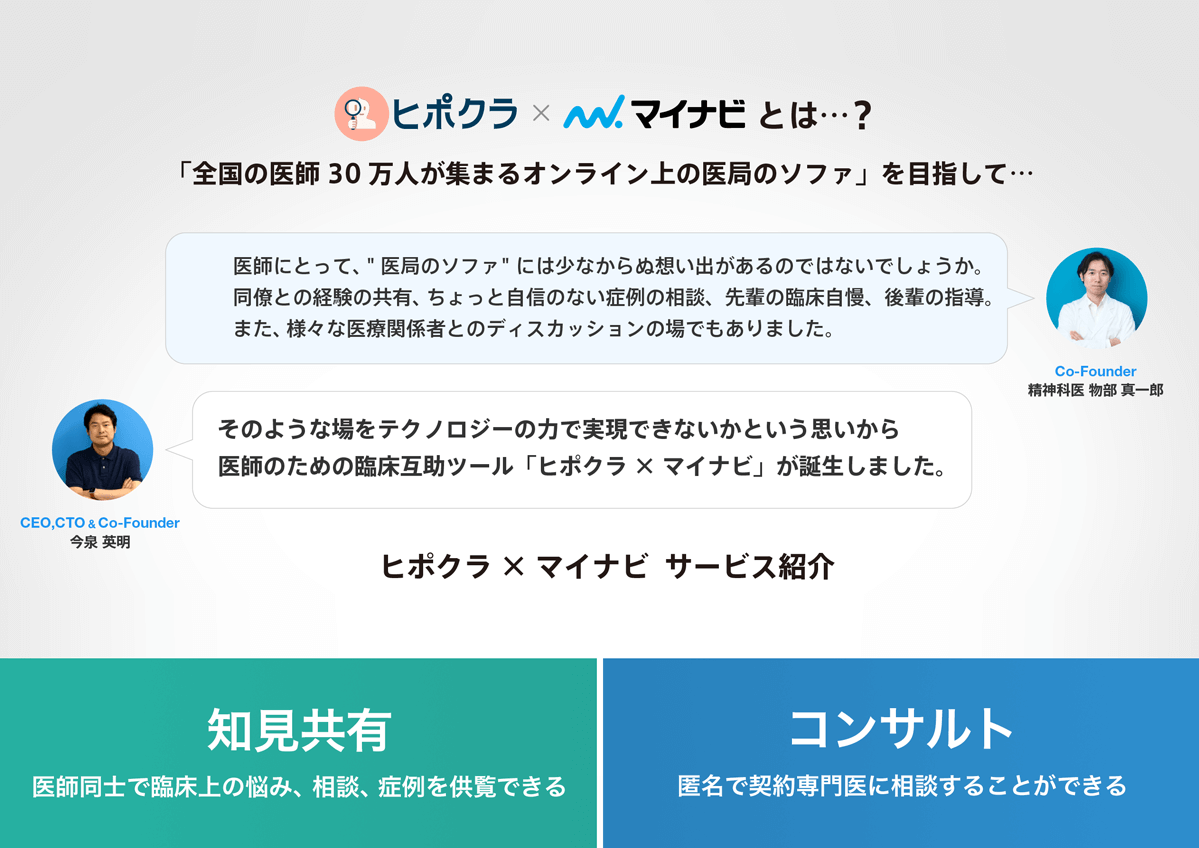
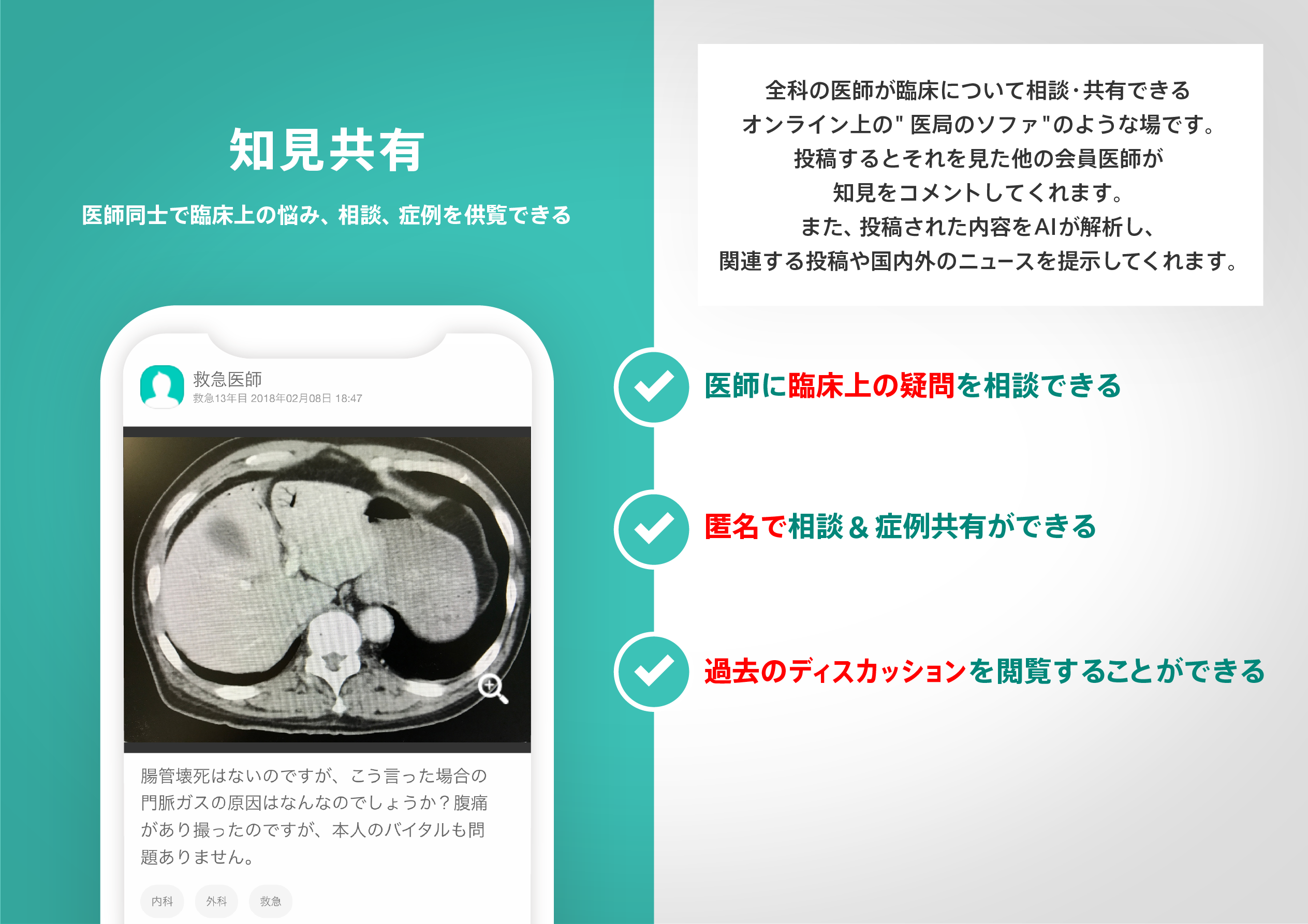
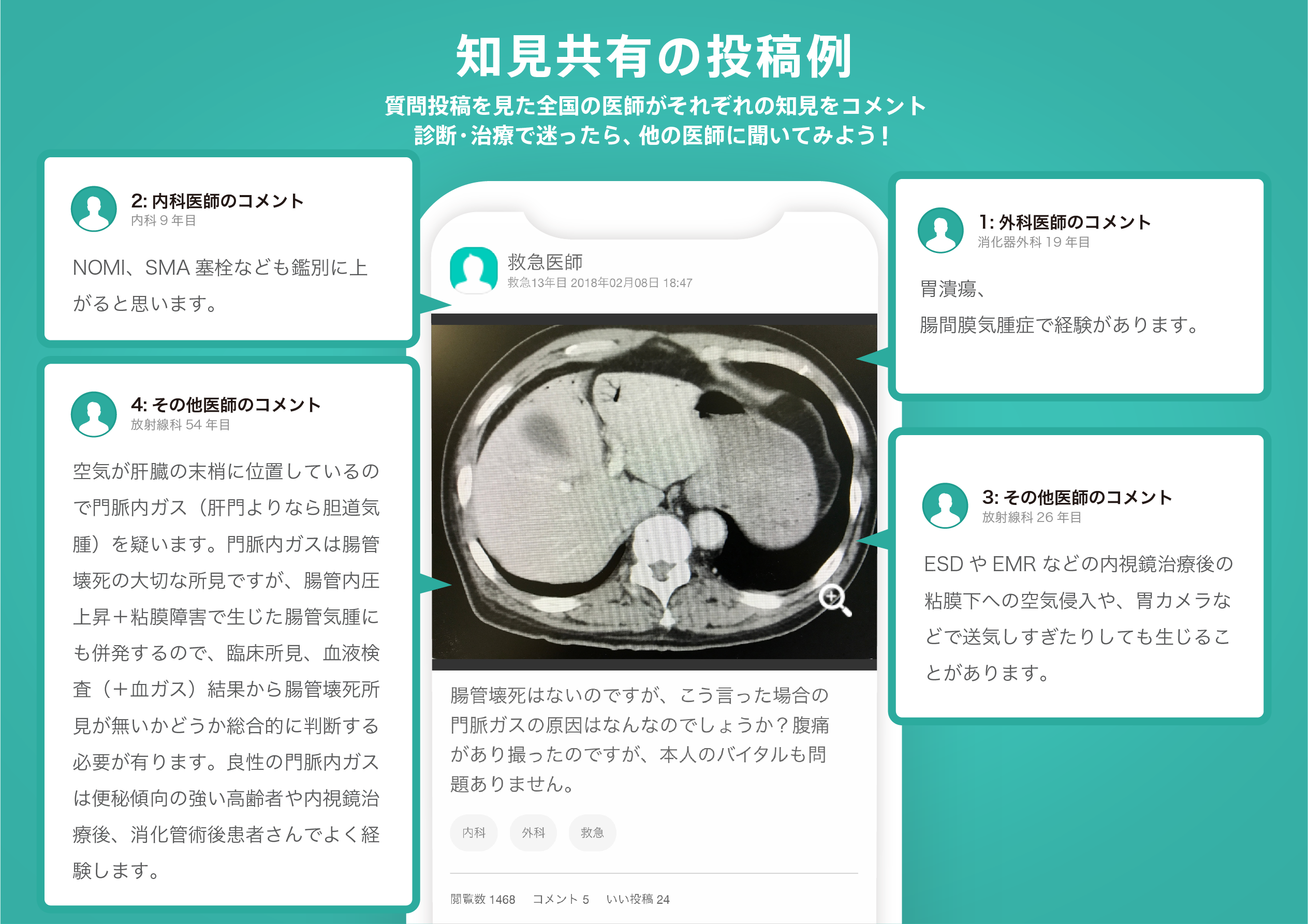
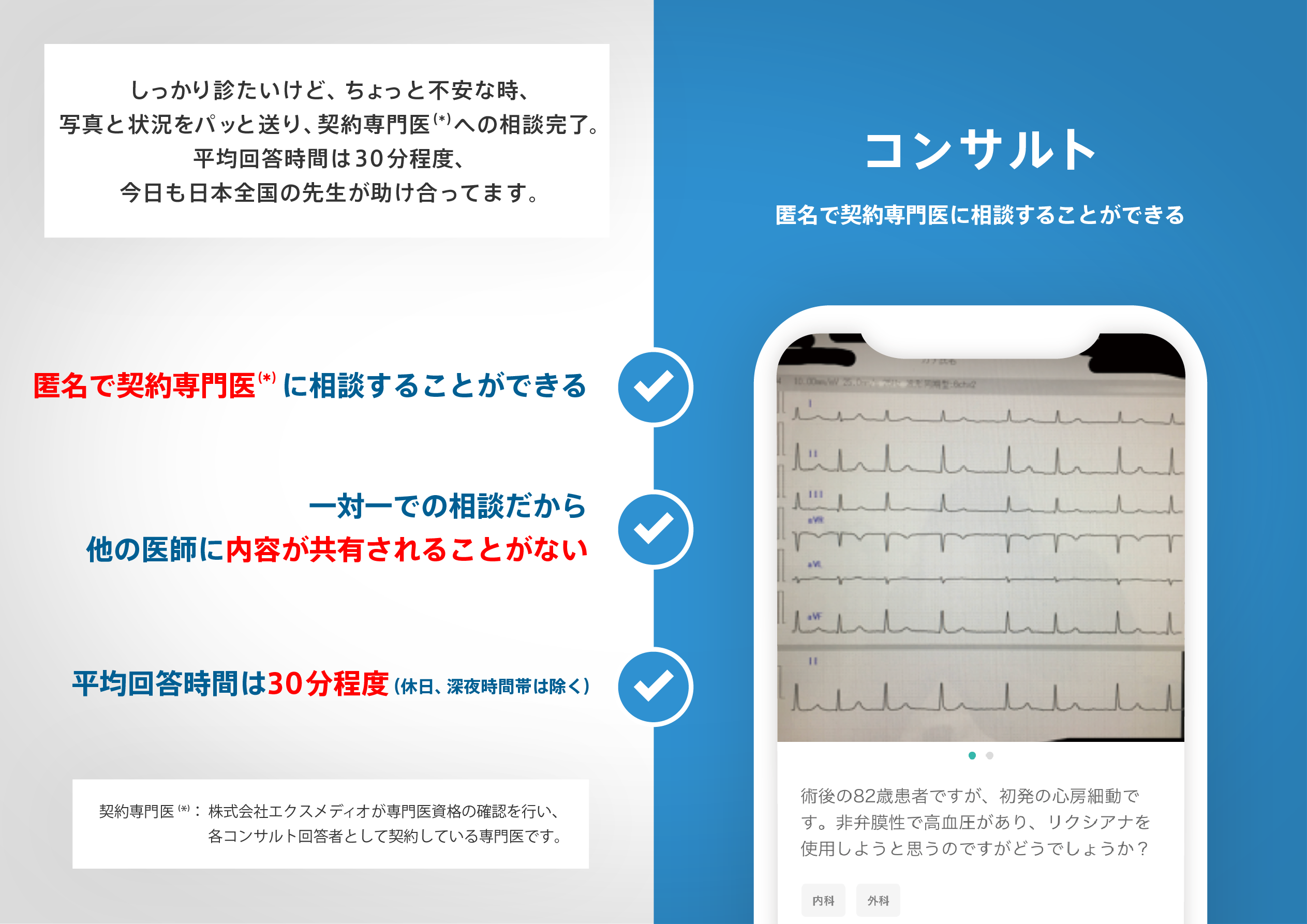
ヒポクラ x マイナビのご紹介

無料会員登録していただくと、さらに便利で効率的な検索が可能になります。