著名医師による解説が無料で読めます
すると翻訳の精度が向上します
読書では、知覚スパンは、単一の固定で読むことができる情報の量を指す確立された概念です。驚くべきことに、顔の処理に展開された知覚戦略を決定することに広範な経験的関心と、効率的な顔の処理の基礎となる要因またはメカニズムに関する継続的な議論、顔の知覚スパン - フェイスエスパンは未定です。この問題に対処するために、古い顔認識パラダイムに実装された視線対応のスポットライト技術を適用しました。この手順により、顔の認識性能プラトーが最小限の開口サイズを決定するために、固定場所で利用可能な顔の情報の量をパラメトリックに変化させることができました。予想どおり、スポットライトサイズの開口部で精度が非線形に増加しました。スポットライトと自然な視聴条件での利用可能な情報を比較する構造類似性の分析は、視聴条件の視覚角の7°の視覚角の7°のように、同等のパフォーマンスにつながる保存された顔の情報の最小空間的範囲(顔の刺激:15.6°;視聴距離:70 cm)、45%を表す45%を示しています。現在の調査結果は、文化的、発達的、特異性、またはタスク関連の違いなどの要因によってFACESPANが変調されるかどうか、どのように変調されるかを扱う将来の調査のベンチマークを提供します。
読書では、知覚スパンは、単一の固定で読むことができる情報の量を指す確立された概念です。驚くべきことに、顔の処理に展開された知覚戦略を決定することに広範な経験的関心と、効率的な顔の処理の基礎となる要因またはメカニズムに関する継続的な議論、顔の知覚スパン - フェイスエスパンは未定です。この問題に対処するために、古い顔認識パラダイムに実装された視線対応のスポットライト技術を適用しました。この手順により、顔の認識性能プラトーが最小限の開口サイズを決定するために、固定場所で利用可能な顔の情報の量をパラメトリックに変化させることができました。予想どおり、スポットライトサイズの開口部で精度が非線形に増加しました。スポットライトと自然な視聴条件での利用可能な情報を比較する構造類似性の分析は、視聴条件の視覚角の7°の視覚角の7°のように、同等のパフォーマンスにつながる保存された顔の情報の最小空間的範囲(顔の刺激:15.6°;視聴距離:70 cm)、45%を表す45%を示しています。現在の調査結果は、文化的、発達的、特異性、またはタスク関連の違いなどの要因によってFACESPANが変調されるかどうか、どのように変調されるかを扱う将来の調査のベンチマークを提供します。
In reading, the perceptual span is a well-established concept that refers to the amount of information that can be read in a single fixation. Surprisingly, despite extensive empirical interest in determining the perceptual strategies deployed to process faces and an ongoing debate regarding the factors or mechanism(s) underlying efficient face processing, the perceptual span for faces-the Facespan-remains undetermined. To address this issue, we applied the gaze-contingent Spotlight technique implemented in an old-new face recognition paradigm. This procedure allowed us to parametrically vary the amount of facial information available at a fixated location in order to determine the minimal aperture size at which face recognition performance plateaus. As expected, accuracy increased nonlinearly with spotlight size apertures. Analyses of Structural Similarity comparing the available information during spotlight and natural viewing conditions indicate that the Facespan-the minimum spatial extent of preserved facial information leading to comparable performance as in natural viewing-encompasses 7° of visual angle in our viewing conditions (size of the face stimulus: 15.6°; viewing distance: 70 cm), which represents 45% of the face. The present findings provide a benchmark for future investigations that will address if and how the Facespan is modulated by factors such as cultural, developmental, idiosyncratic, or task-related differences.
医師のための臨床サポートサービス
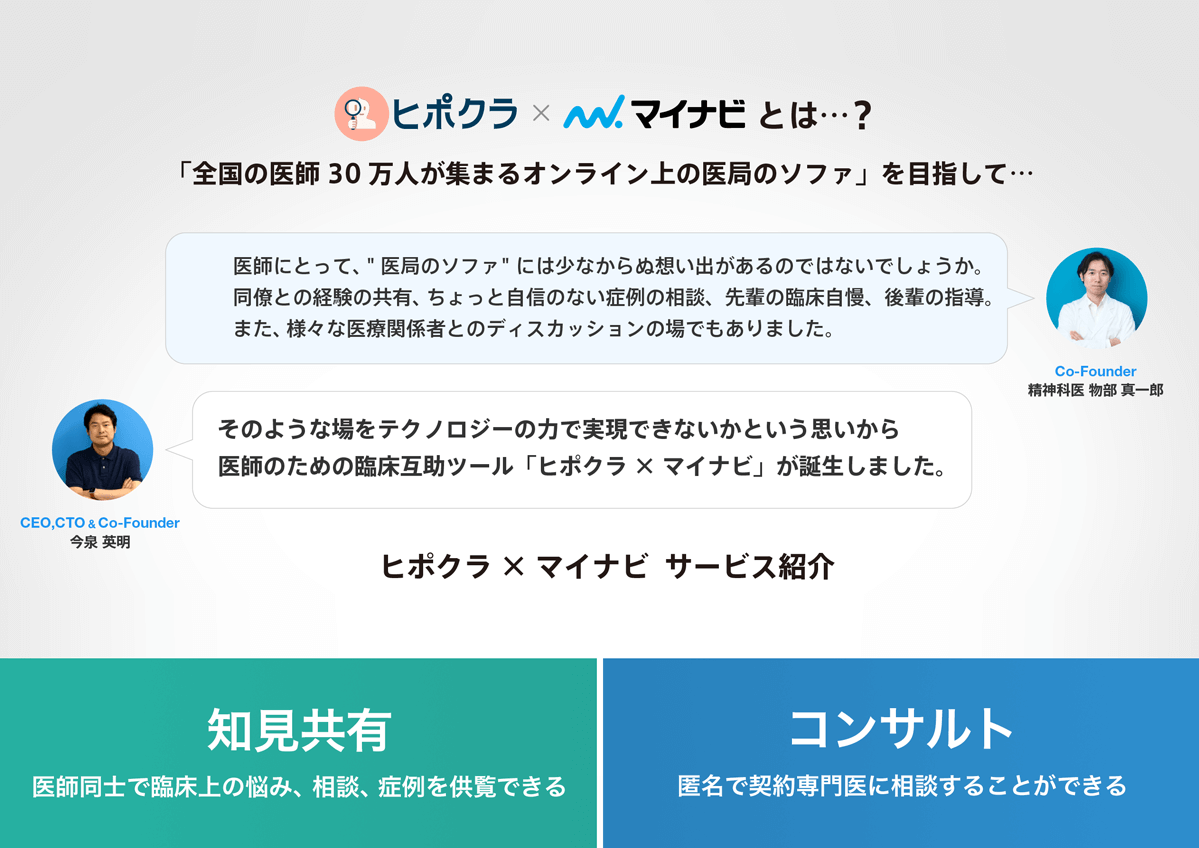
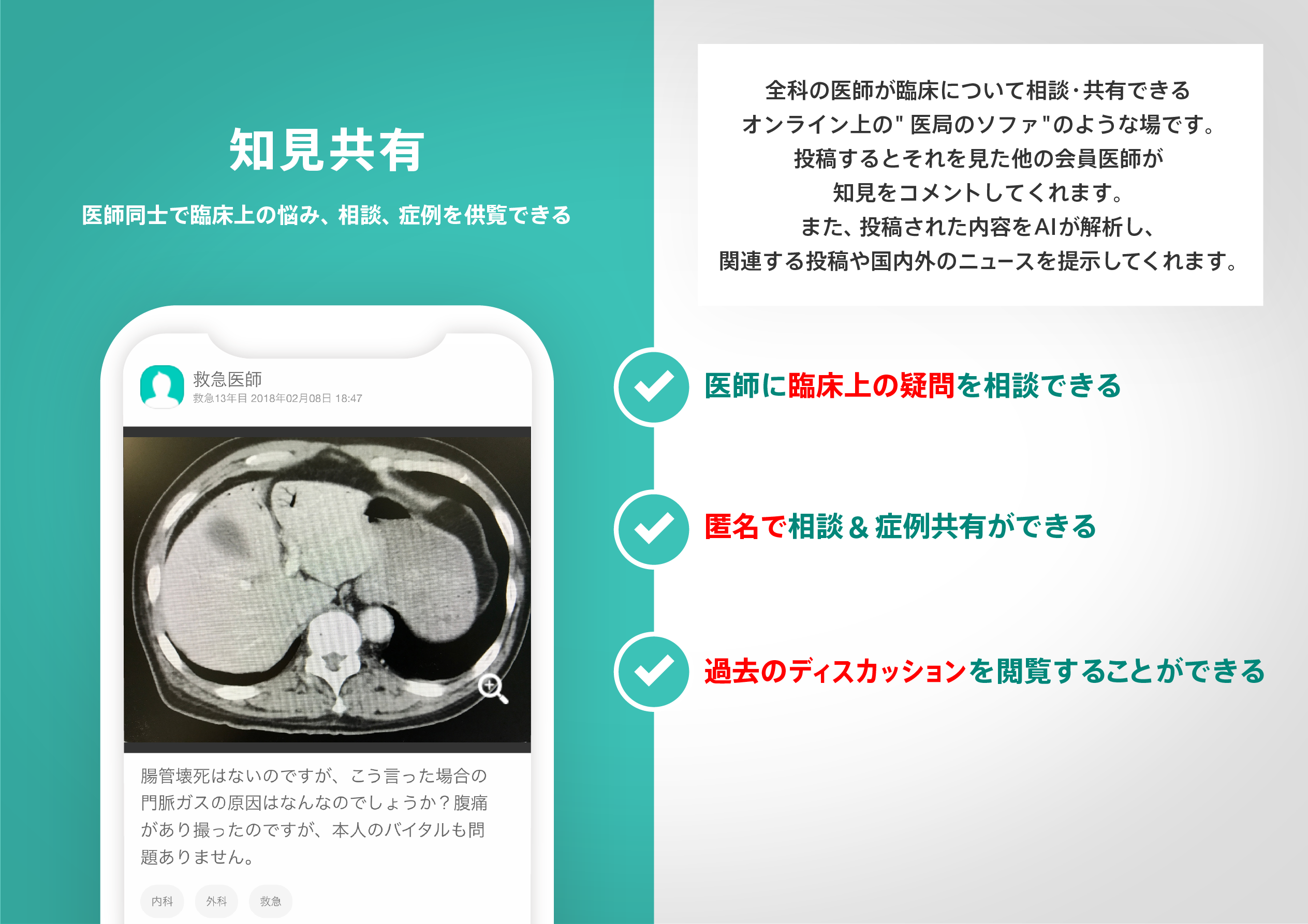
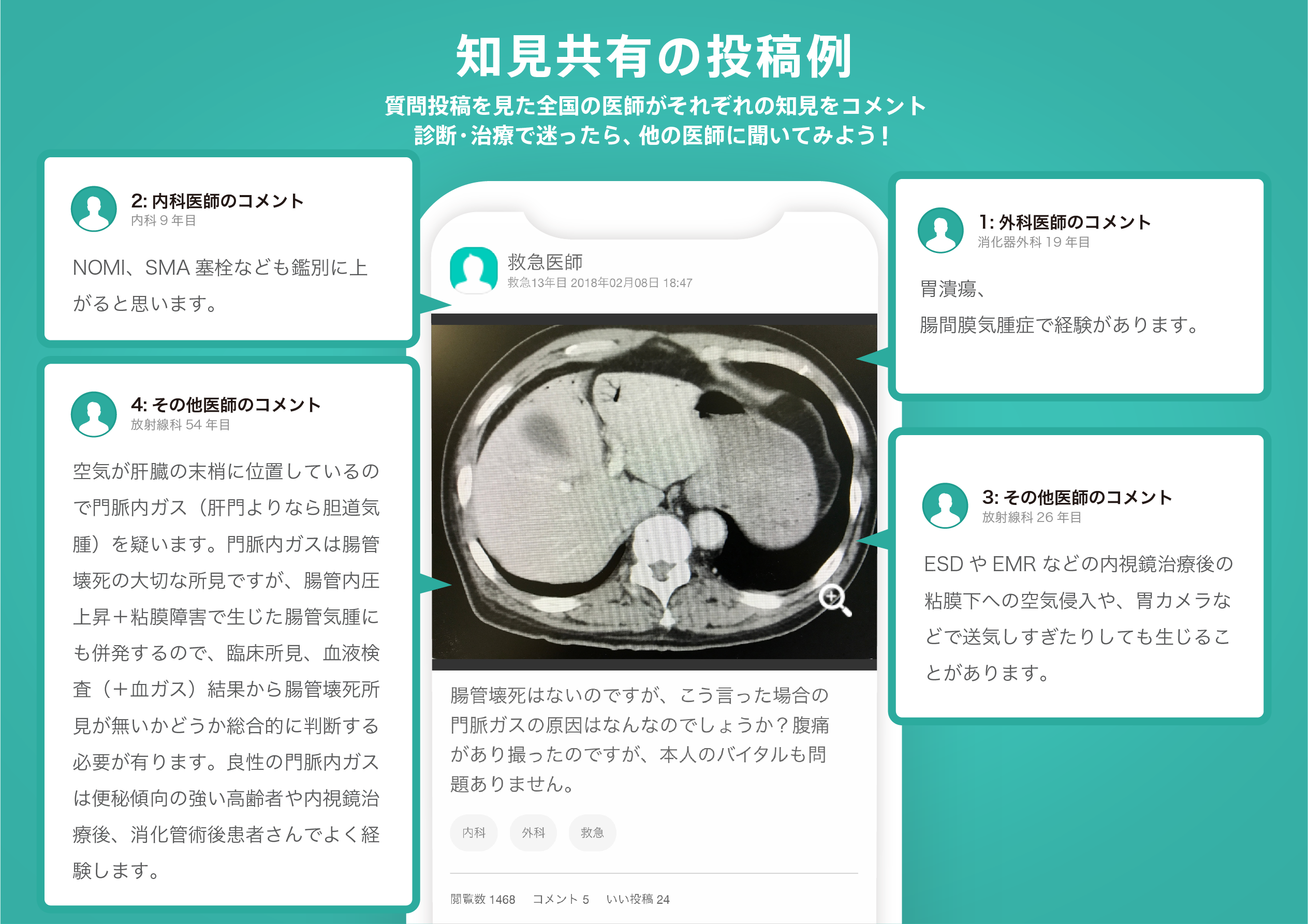
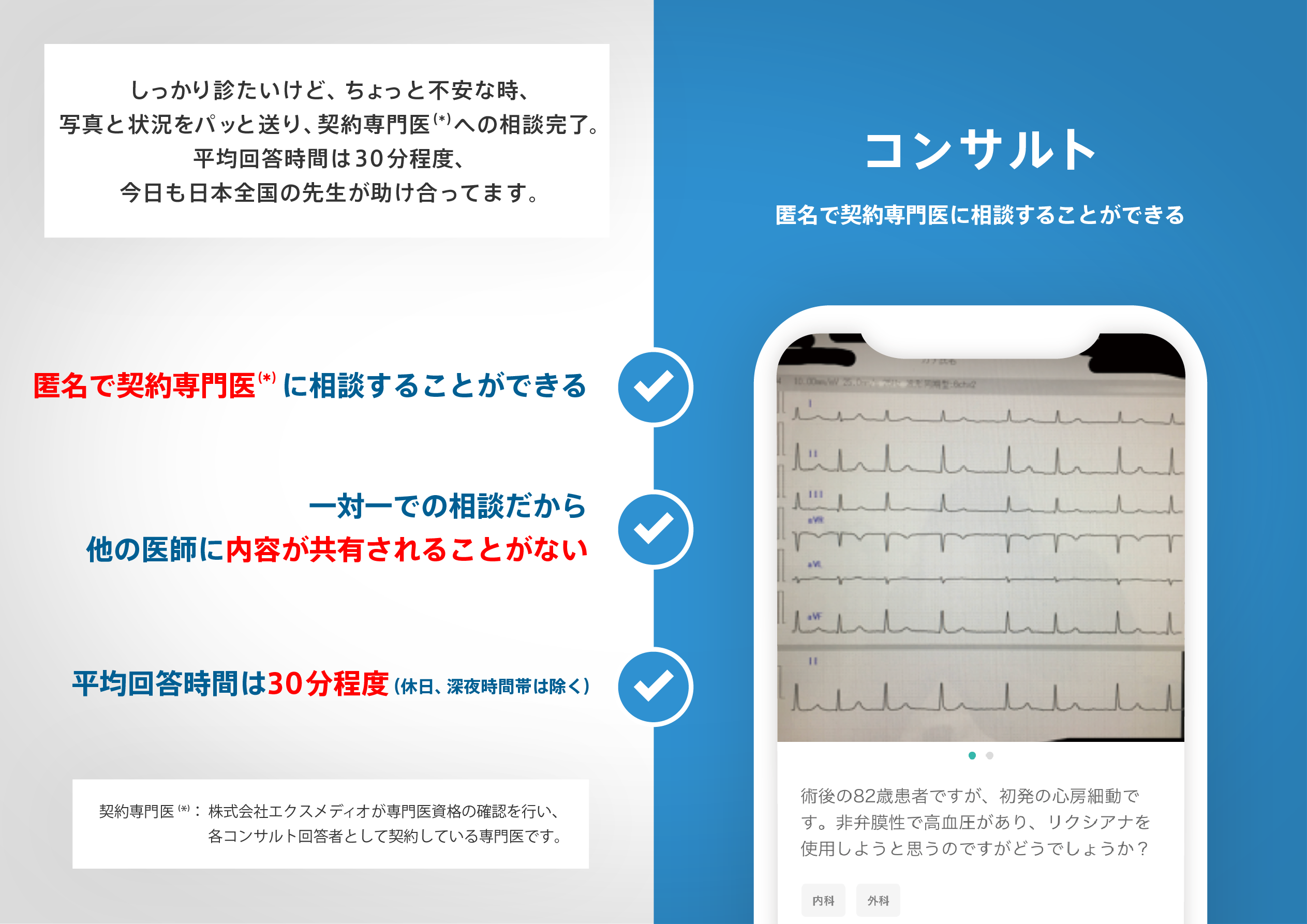
ヒポクラ x マイナビのご紹介

無料会員登録していただくと、さらに便利で効率的な検索が可能になります。