著名医師による解説が無料で読めます
すると翻訳の精度が向上します
恥、罪悪感、プライドなどの自意識の感情は、個人が自己評価を行うときに生じる、認知的に複雑で強力かつ普遍的な一連の感情です。現在、医学学習者における自意識の感情の影響や結果についてはほとんどわかっていません。この記事では、著者らは、恥、罪悪感、および 2 つの形態のプライドを生み出し、区別する評価と帰属を概説する、自意識の感情に関する主要な理論を紹介します。次に著者は、この理論を医学教育における 3 つの関連トピック、つまり完璧主義、職業的アイデンティティの形成、モチベーションに適用します。そうすることで、著者らは、自意識の感情というレンズを通してこれらのトピックを捉える新しい方法を提示し、将来の研究分野を示唆し、感情的回復力トレーニングの枠組みを概説します。最終的に、この記事の目的は、医学教育において過小評価され、十分に研究されていないと著者が信じている恥、罪悪感、プライドの基本的な性質に焦点を当て、これらの感情が医学教育において果たす役割についての将来の実証研究に情報を提供することです。。さらに、実践的な観点から、この記事は教育者と学習者が自分自身や同僚の中にある自意識過剰な感情を認識し、医療における恥、罪悪感、誇りを認識し立ち向かう学習アプローチへのより回復力のあるアプローチの開発を開始することを奨励することを目的としています。教育。
恥、罪悪感、プライドなどの自意識の感情は、個人が自己評価を行うときに生じる、認知的に複雑で強力かつ普遍的な一連の感情です。現在、医学学習者における自意識の感情の影響や結果についてはほとんどわかっていません。この記事では、著者らは、恥、罪悪感、および 2 つの形態のプライドを生み出し、区別する評価と帰属を概説する、自意識の感情に関する主要な理論を紹介します。次に著者は、この理論を医学教育における 3 つの関連トピック、つまり完璧主義、職業的アイデンティティの形成、モチベーションに適用します。そうすることで、著者らは、自意識の感情というレンズを通してこれらのトピックを捉える新しい方法を提示し、将来の研究分野を示唆し、感情的回復力トレーニングの枠組みを概説します。最終的に、この記事の目的は、医学教育において過小評価され、十分に研究されていないと著者が信じている恥、罪悪感、プライドの基本的な性質に焦点を当て、これらの感情が医学教育において果たす役割についての将来の実証研究に情報を提供することです。。さらに、実践的な観点から、この記事は教育者と学習者が自分自身や同僚の中にある自意識過剰な感情を認識し、医療における恥、罪悪感、誇りを認識し立ち向かう学習アプローチへのより回復力のあるアプローチの開発を開始することを奨励することを目的としています。教育。
The self-conscious emotions of shame, guilt, and pride are a distinct set of cognitively complex, powerful, and ubiquitous emotions that arise when an individual engages in self-evaluation. Currently, little is known about the influence or outcomes of self-conscious emotions in medical learners. In this article, the authors present a leading theory of self-conscious emotions that outlines the appraisals and attributions that give rise to and differentiate shame, guilt, and two forms of pride. The authors then apply the theory to three relevant topics in medical education: perfectionism, professional identity formation, and motivation. In doing so, the authors present novel ways of viewing these topics through the lens of self-conscious emotion, suggest areas of future research, and outline a framework for emotional resilience training. Ultimately, the goal of this article is to highlight the fundamental nature of shame, guilt, and pride, which the authors believe are underappreciated and understudied in medical education, and to inform future empirical study on the role that these emotions might play in medical education. Additionally, from a practical standpoint, this article aims to encourage educators and learners to recognize self-conscious emotions in themselves and their colleagues, and to begin developing more resilient approaches to learning-approaches that acknowledge and confront shame, guilt, and pride in medical education.
医師のための臨床サポートサービス
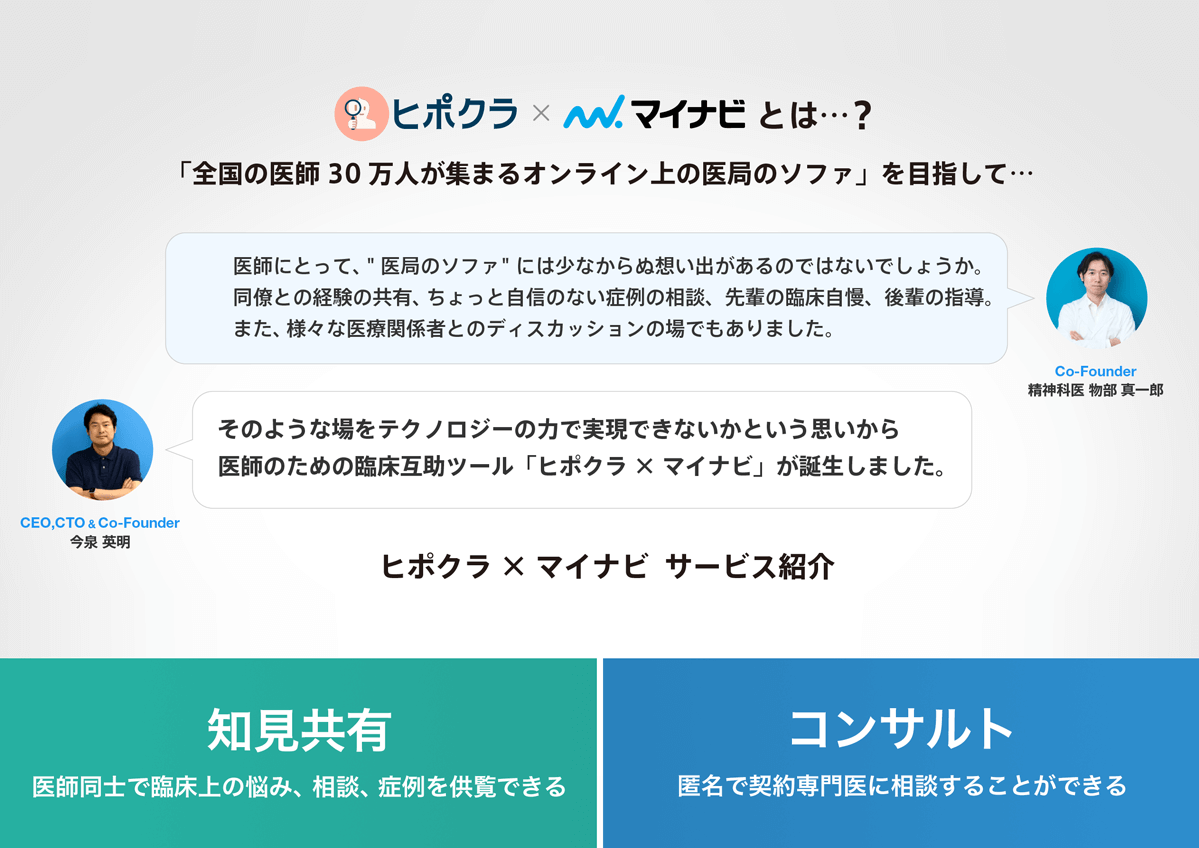
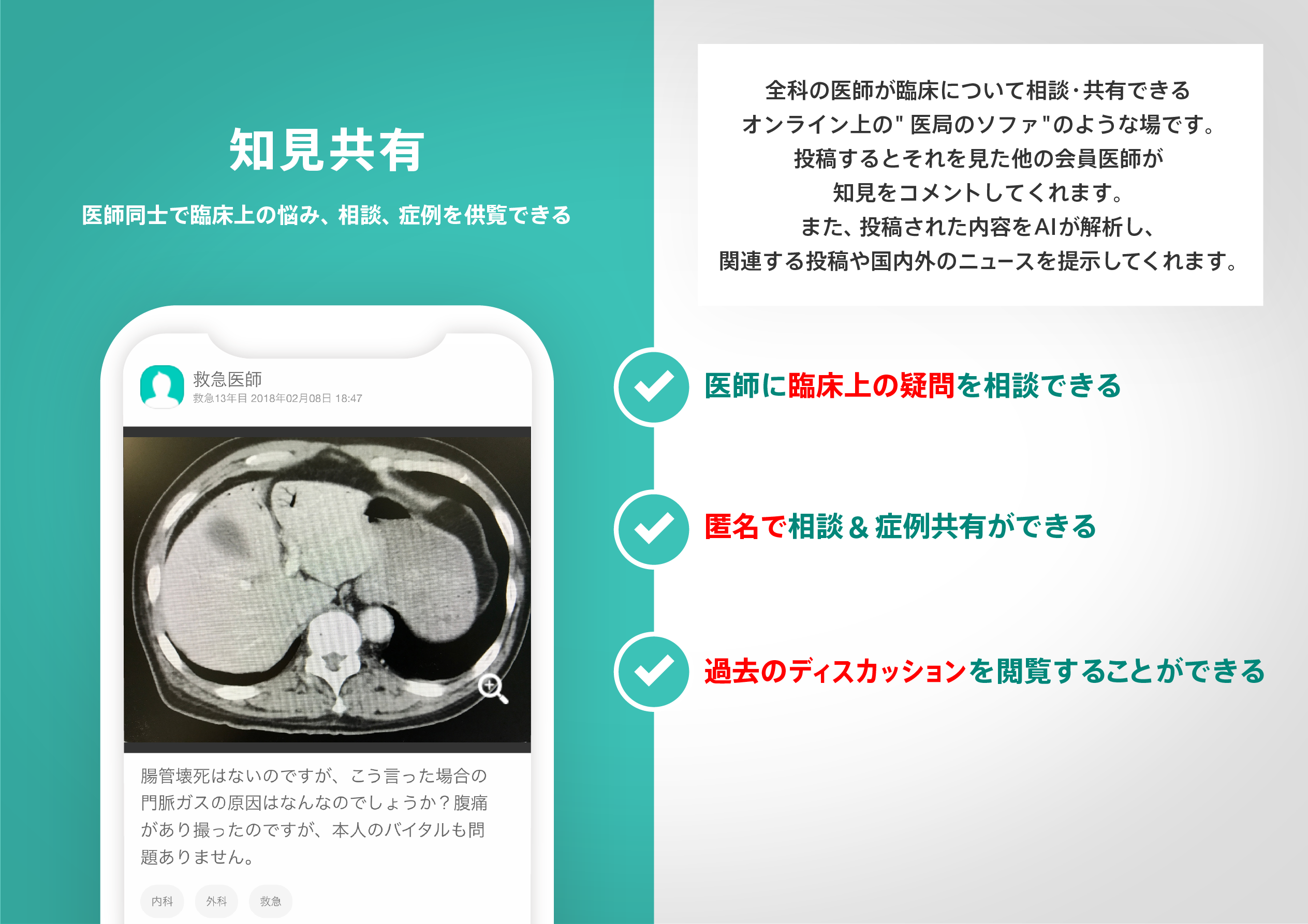
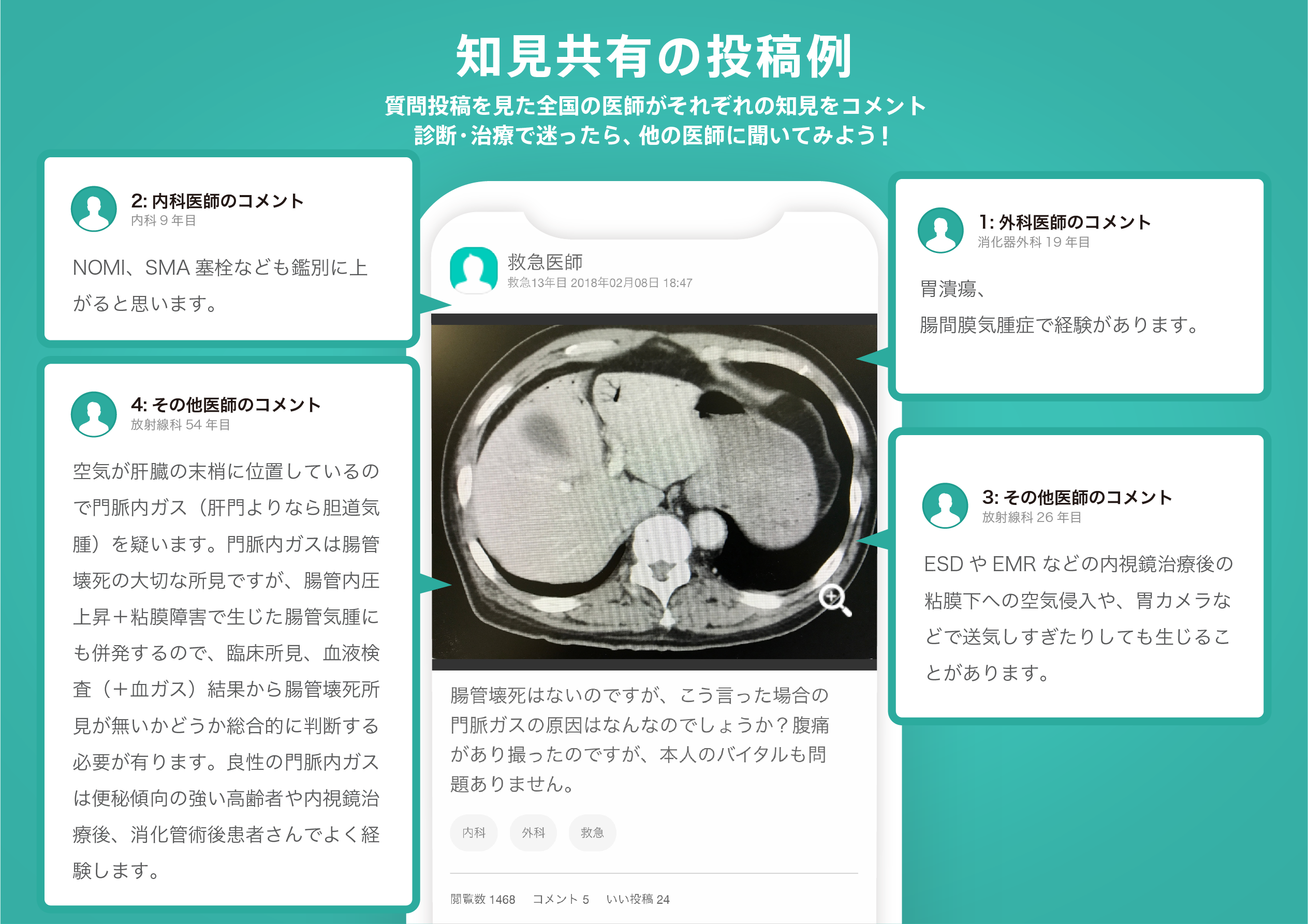
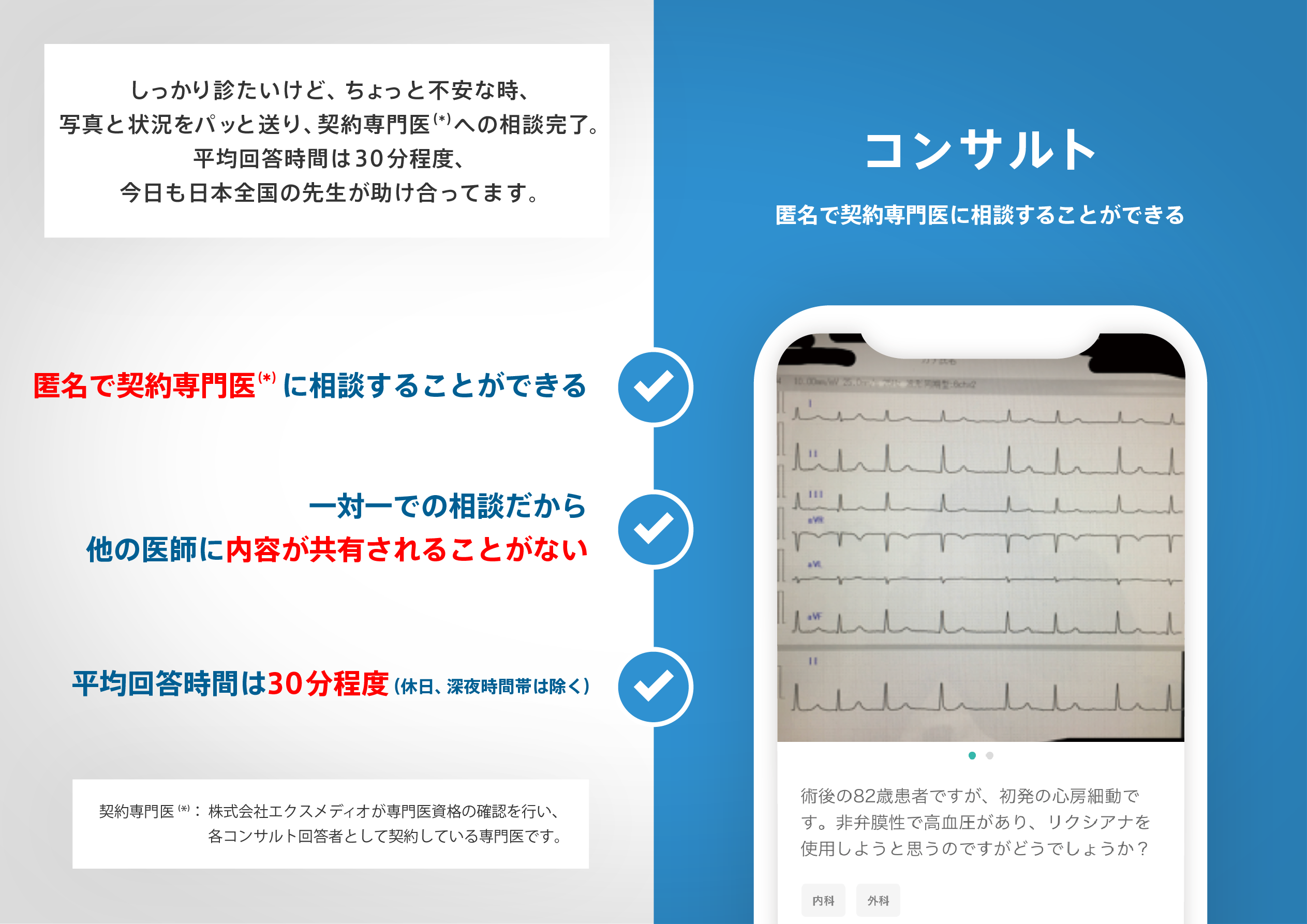
ヒポクラ x マイナビのご紹介

無料会員登録していただくと、さらに便利で効率的な検索が可能になります。