著名医師による解説が無料で読めます
すると翻訳の精度が向上します
背景:80歳以上の患者に対する電気療法に関する論争は、この治療タイプの資格の段階ですでに発生し、最適なデバイスの選択、移植戦略、およびペースメーカー療法の全体的な利益に関するものです。このグループには、かなりの数の心血管リスク要因があり、このグループのリモート予後に対するペーシングモードの影響に関する文献からのデータは曖昧です。 目的:4年間のフォローアップで80歳以上の埋め込まれたペースメーカーの患者の死亡の危険因子の評価。 方法:研究グループは、84.48±3.65歳の140人の連続した患者(79人の女性)で構成されており、症候性の徐脈のために80歳以上の単一または二重のペースメーカーが移植されました。単変量および多変量COX回帰分析、人口統計学的、心エコー検査、実験室のパラメーター、薬物療法、および埋め込まれたデバイス、すなわち、適応、ペースメーカータイプ、および右心室鉛の先端の移植位置に関連する因子が含まれていました。エンドポイントは、4年間のフォローアップで何らかの理由で死でした。 結果:追跡中に、68人の患者(48.6%)が死亡しました。ゆっくりとした心室反応による心房細動は、移植の適応症の20%を占めていましたが、患者の60.8%が単一チャンバーシステム(VVI/VVIR)を受けました。グループ全体で、多変量COX回帰分析は、DDDペーシングシステムの移植の好ましい予後有意性を示しました(HR = 0.507; 95%CI:0.294-0.876)と共存高血圧(HR = 0.520; 95%CI:0.299-0.902)。危険因子は、血糖を断食し(HR = 1.180; 95%CI:1.038-1.342)、潜在的に女性の性別(HR = 1.672; 95%CI:0.988-2.830; P = 0.056)でした。女性サブグループでは、より好ましい予後は、アンジオテンシン変換酵素阻害剤(HR = 0.435; 95%CI:0.202-0.933)およびDDDペースメーカーの移植(HR = 0.381; 95%CI:0.180-0.806)の使用に関連していました。男性のサブグループでは、より有利な予後は、共存する高血圧の患者に関連していました(HR = 0.349; 95%CI:0.079-0.689)。 結論:DDDモードのペーシングは、長期フォローアップで80歳以上の患者の死亡率を低下させる要因として機能するようです。このグループの女性患者の予後の潜在的な予後は、支配的なVVIペーシングモード、心房細動の潜在的な伝播、抗血栓療法の割合が低いこと、および血栓塞栓性合併症に対する性関連の素因の組み合わせに起因する可能性があります。
背景:80歳以上の患者に対する電気療法に関する論争は、この治療タイプの資格の段階ですでに発生し、最適なデバイスの選択、移植戦略、およびペースメーカー療法の全体的な利益に関するものです。このグループには、かなりの数の心血管リスク要因があり、このグループのリモート予後に対するペーシングモードの影響に関する文献からのデータは曖昧です。 目的:4年間のフォローアップで80歳以上の埋め込まれたペースメーカーの患者の死亡の危険因子の評価。 方法:研究グループは、84.48±3.65歳の140人の連続した患者(79人の女性)で構成されており、症候性の徐脈のために80歳以上の単一または二重のペースメーカーが移植されました。単変量および多変量COX回帰分析、人口統計学的、心エコー検査、実験室のパラメーター、薬物療法、および埋め込まれたデバイス、すなわち、適応、ペースメーカータイプ、および右心室鉛の先端の移植位置に関連する因子が含まれていました。エンドポイントは、4年間のフォローアップで何らかの理由で死でした。 結果:追跡中に、68人の患者(48.6%)が死亡しました。ゆっくりとした心室反応による心房細動は、移植の適応症の20%を占めていましたが、患者の60.8%が単一チャンバーシステム(VVI/VVIR)を受けました。グループ全体で、多変量COX回帰分析は、DDDペーシングシステムの移植の好ましい予後有意性を示しました(HR = 0.507; 95%CI:0.294-0.876)と共存高血圧(HR = 0.520; 95%CI:0.299-0.902)。危険因子は、血糖を断食し(HR = 1.180; 95%CI:1.038-1.342)、潜在的に女性の性別(HR = 1.672; 95%CI:0.988-2.830; P = 0.056)でした。女性サブグループでは、より好ましい予後は、アンジオテンシン変換酵素阻害剤(HR = 0.435; 95%CI:0.202-0.933)およびDDDペースメーカーの移植(HR = 0.381; 95%CI:0.180-0.806)の使用に関連していました。男性のサブグループでは、より有利な予後は、共存する高血圧の患者に関連していました(HR = 0.349; 95%CI:0.079-0.689)。 結論:DDDモードのペーシングは、長期フォローアップで80歳以上の患者の死亡率を低下させる要因として機能するようです。このグループの女性患者の予後の潜在的な予後は、支配的なVVIペーシングモード、心房細動の潜在的な伝播、抗血栓療法の割合が低いこと、および血栓塞栓性合併症に対する性関連の素因の組み合わせに起因する可能性があります。
BACKGROUND: The controversy over electrotherapy for patients aged >80 years occurs already at the stage of qualification for this treatment type and concerns optimal device selection, the implantation strategy, and the overall benefit from pacemaker therapy. The group also has a considerable number of cardiovascular risk factors, and the data from the literature on the impact of the pacing mode on the remote prognosis of this group are ambiguous. OBJECTIVE: Assessment of the risk factors for death among patients with implanted pacemakers >80 years of age in a 4-year follow-up. METHODS: The study group consisted of 140 consecutive patients (79 women) aged 84.48 ± 3.65 years with single- or dual-chamber pacemakers implanted >80 years of age because of symptomatic bradycardia. In univariate and multivariate Cox regression analyses, demographic, echocardiographic, and laboratory parameters, pharmacotherapy, and factors related to the implanted device - i.e., indications, pacemaker type, and the implantation position of the tip of the right ventricular lead - were included. The endpoint was death for any reason in a 4-year follow-up. RESULTS: During follow-up, 68 patients (48.6%) died. Although atrial fibrillation with a slow ventricular response constituted 20% of the indications for implantation, 60.8% of the patients received a single-chamber system (VVI/VVIR). In the whole group, the multivariate Cox regression analysis showed both a favourable prognostic significance of DDD pacing system implantation (HR = 0.507; 95% CI: 0.294-0.876) and coexisting hypertension (HR = 0.520; 95% CI: 0.299-0.902). The risk factors were fasting glycaemia (HR = 1.180; 95% CI: 1.038-1.342) and, potentially, female sex (HR = 1.672; 95% CI: 0.988-2.830; p = 0.056). In the female subgroup a more favourable prognosis was related to the use of angiotensin-converting enzyme inhibitors (HR = 0.435; 95% CI: 0.202-0.933) and DDD pacemaker implantation (HR = 0.381; 95% CI: 0.180-0.806). In the male subgroup a more favourable prognosis was related to concerned patients with coexisting hypertension (HR = 0.349; 95% CI: 0.079-0.689). CONCLUSIONS: DDD mode pacing seems to serve as a factor which decreases mortality among patients aged >80 years in long-term follow-up. The potentially poorer prognosis for the female patients in this group may result from a combination of the dominant VVI pacing mode, potential propagation of atrial fibrillation, a low proportion of antithrombotic therapy, and sex-related predispositions to thromboembolic complications.
医師のための臨床サポートサービス
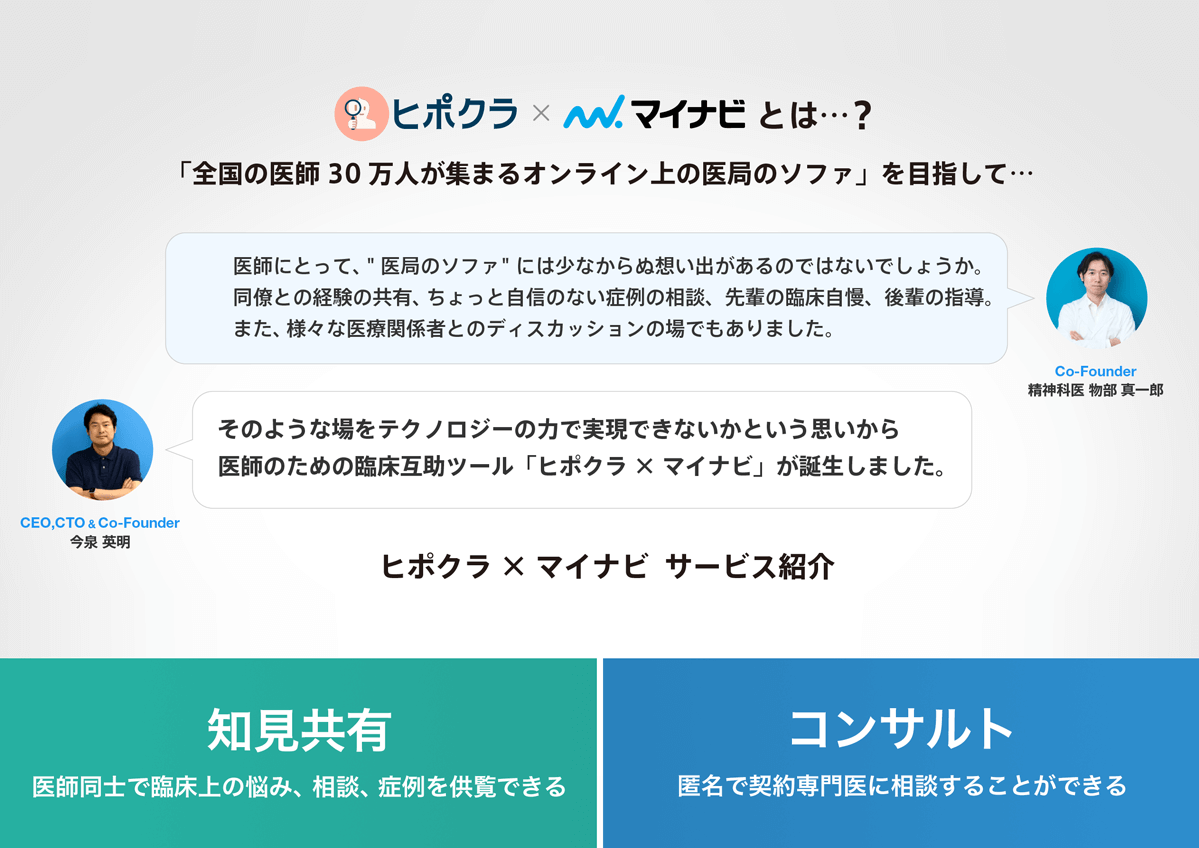
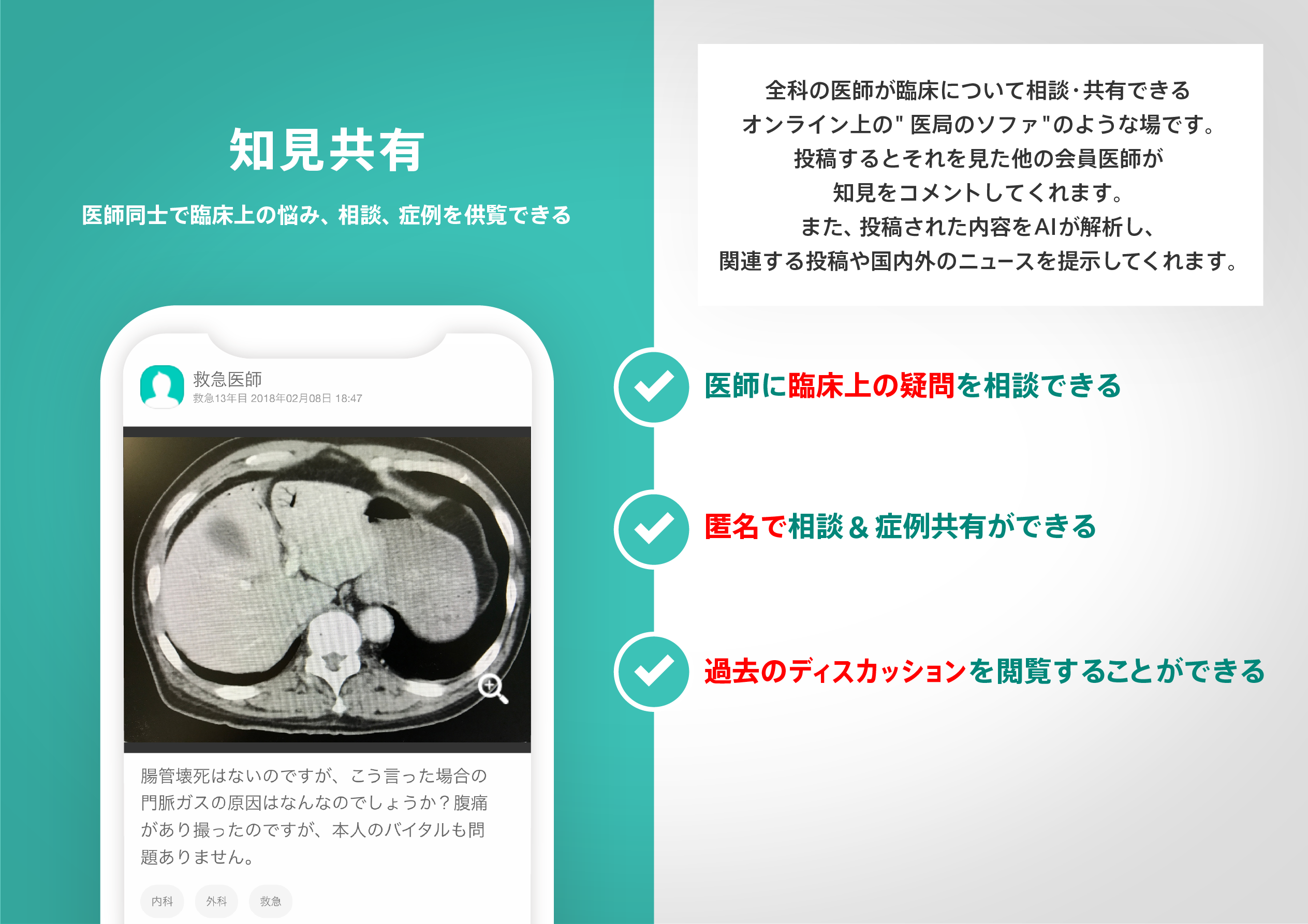
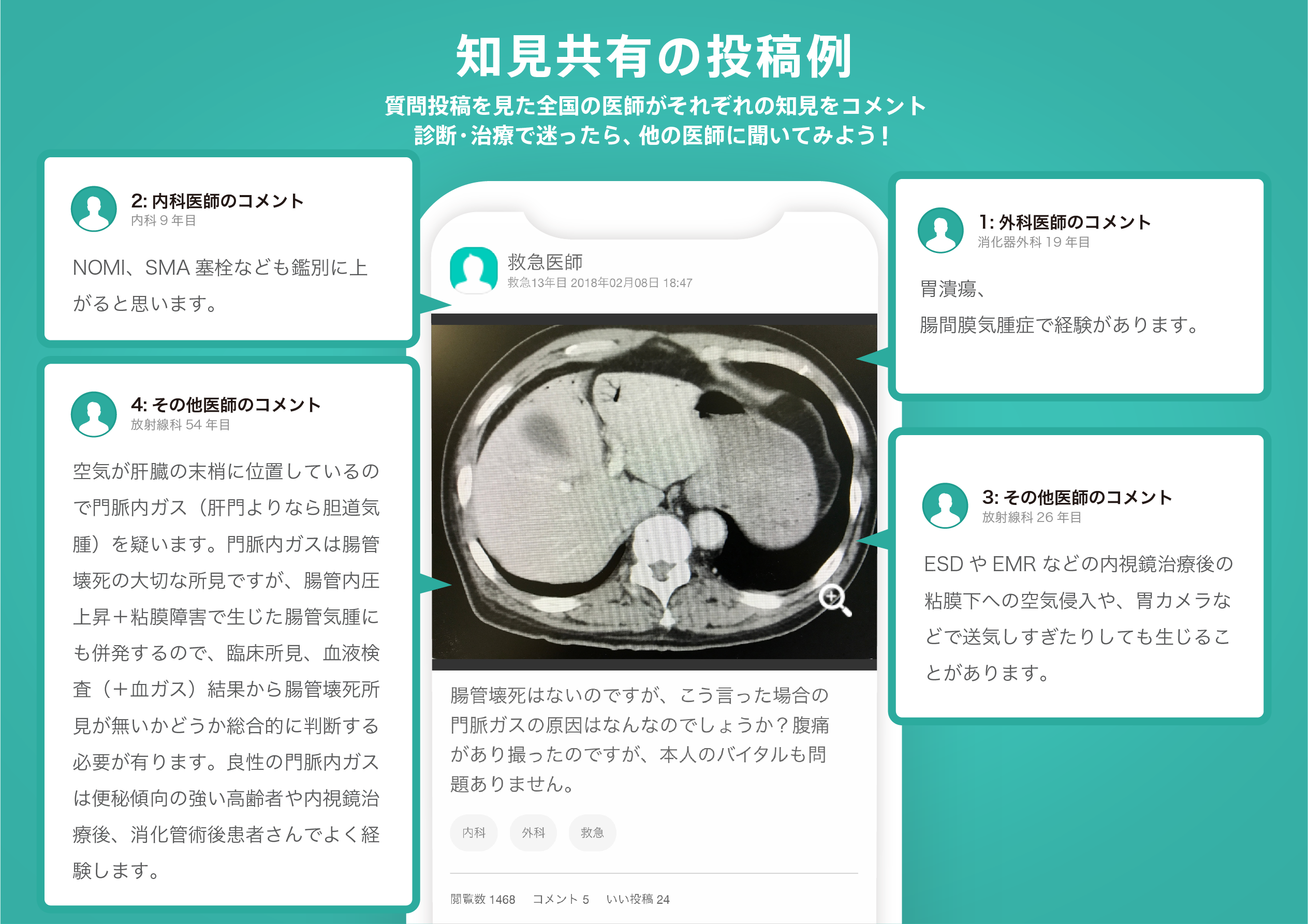
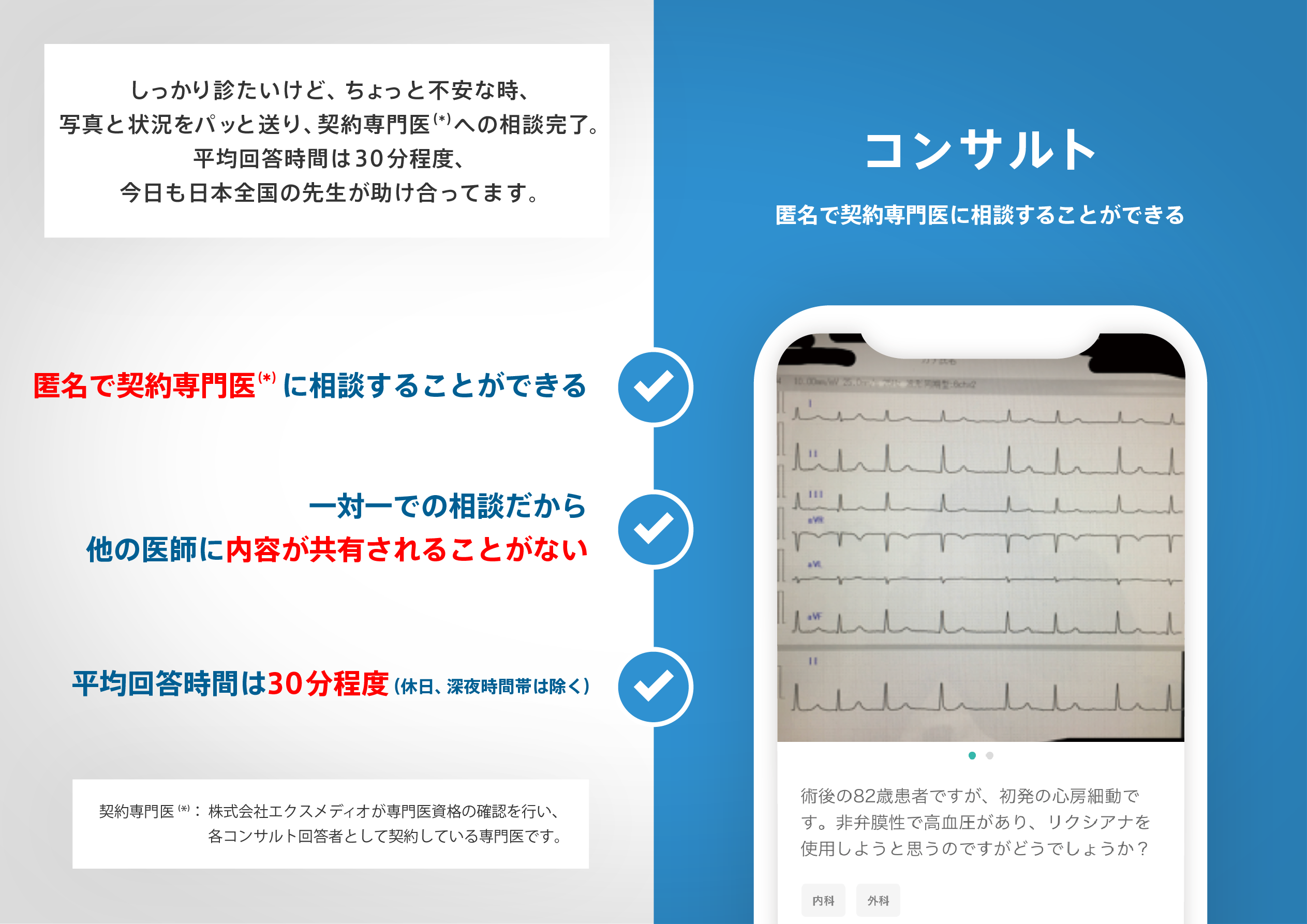
ヒポクラ x マイナビのご紹介

無料会員登録していただくと、さらに便利で効率的な検索が可能になります。