著名医師による解説が無料で読めます
すると翻訳の精度が向上します
新鮮な農産物アイテムは、ハーベスト(灌漑用水、土壌、肥料など)または収穫後(例:ベンダーの取り扱いや消費者の取り扱いなど)のサプライチェーンに沿って腸内病原体で汚染される可能性があります。この研究では、ニンジン、ナス、赤いアマランスの葉、およびダカ、ダカ、バンラデシュシェシェシェシェシェシェシェシェシェシェシェシェシェシェシュシェシュシェシュシェシュシェシュシェシュシェシュシェシュシェシュシェシュシェシュシェシュシェシュシェシュシェシュシェシュシェシュシェシュシェシュシェシュシェシュシェシュシェシュの小売市場の両方から入手したニンジン、ナス、レッドアマランスの葉、およびトマトの表面上の糞便指標細菌、エンテロコッチ(ENT)、および細菌の濃度を評価しています。。ニンジンおよび赤アマランスのすすぎの100%、ナスのすすぎの92%、トマトのすすぎの46%で大腸菌を検出しました。分子微生物源追跡アッセイを使用して、農産物サンプルの32%が反min的な糞便汚染に対して陽性であることがわかりました。糞便指標菌は、小売市場で収集された農産物で検出される可能性が高かった。小売市場の農産物は、大腸菌が検出され(p = 0.03)、卸売市場農産物と比較して検出された可能性が1.25倍(p = 0.03)、1.24倍(p = 0.03)の可能性が高かった。卸売市場のサンプルと比較して、小売市場でより高い濃度でバクテリヨウレールが検出されました(100 cm2よりも0.40 Log10遺伝子コピー、p = 0.03)。我々の結果は、ダッカの市場における農産物の反min的および一般的な糞便汚染が一般的であることを示唆しており、市場における不衛生な状態が収穫後の糞便汚染の重要な源であることを示唆しています。
新鮮な農産物アイテムは、ハーベスト(灌漑用水、土壌、肥料など)または収穫後(例:ベンダーの取り扱いや消費者の取り扱いなど)のサプライチェーンに沿って腸内病原体で汚染される可能性があります。この研究では、ニンジン、ナス、赤いアマランスの葉、およびダカ、ダカ、バンラデシュシェシェシェシェシェシェシェシェシェシェシェシェシェシェシュシェシュシェシュシェシュシェシュシェシュシェシュシェシュシェシュシェシュシェシュシェシュシェシュシェシュシェシュシェシュシェシュシェシュシェシュシェシュシェシュシェシュシェシュの小売市場の両方から入手したニンジン、ナス、レッドアマランスの葉、およびトマトの表面上の糞便指標細菌、エンテロコッチ(ENT)、および細菌の濃度を評価しています。。ニンジンおよび赤アマランスのすすぎの100%、ナスのすすぎの92%、トマトのすすぎの46%で大腸菌を検出しました。分子微生物源追跡アッセイを使用して、農産物サンプルの32%が反min的な糞便汚染に対して陽性であることがわかりました。糞便指標菌は、小売市場で収集された農産物で検出される可能性が高かった。小売市場の農産物は、大腸菌が検出され(p = 0.03)、卸売市場農産物と比較して検出された可能性が1.25倍(p = 0.03)、1.24倍(p = 0.03)の可能性が高かった。卸売市場のサンプルと比較して、小売市場でより高い濃度でバクテリヨウレールが検出されました(100 cm2よりも0.40 Log10遺伝子コピー、p = 0.03)。我々の結果は、ダッカの市場における農産物の反min的および一般的な糞便汚染が一般的であることを示唆しており、市場における不衛生な状態が収穫後の糞便汚染の重要な源であることを示唆しています。
Fresh produce items can become contaminated with enteric pathogens along the supply chain at the preharvest (e.g., irrigation water, soil, fertilizer) or postharvest (e.g., vendor handling or consumer handling) stages. This study assesses the concentrations of fecal indicator bacteria Escherichia coli, enterococci (ENT), and Bacteriodales on surfaces of carrots, eggplants, red amaranth leaves, and tomatoes obtained from both a wholesale market (recently harvested) and neighborhood retail markets in Dhaka, Bangladesh. We detected E. coli in 100% of carrot and red amaranth rinses, 92% of eggplant rinses, and 46% of tomato rinses. Using a molecular microbial source tracking assay, we found that 32% of produce samples were positive for ruminant fecal contamination. Fecal indicator bacteria were more likely to be detected on produce collected in retail markets compared with that in the wholesale market; retail market produce were 1.25 times more likely to have E. coli detected (P = 0.03) and 1.24 times more likely to have ENT detected (P = 0.03) as compared with wholesale market produce. Bacteriodales was detected in higher concentrations in retail market produce samples compared with wholesale market produce samples (0.40 log10 gene copies per 100 cm2 higher, P = 0.03). Our results suggest that ruminant and general fecal contamination of produce in markets in Dhaka is common, and suggest that unsanitary conditions in markets are an important source of produce fecal contamination postharvest.
医師のための臨床サポートサービス
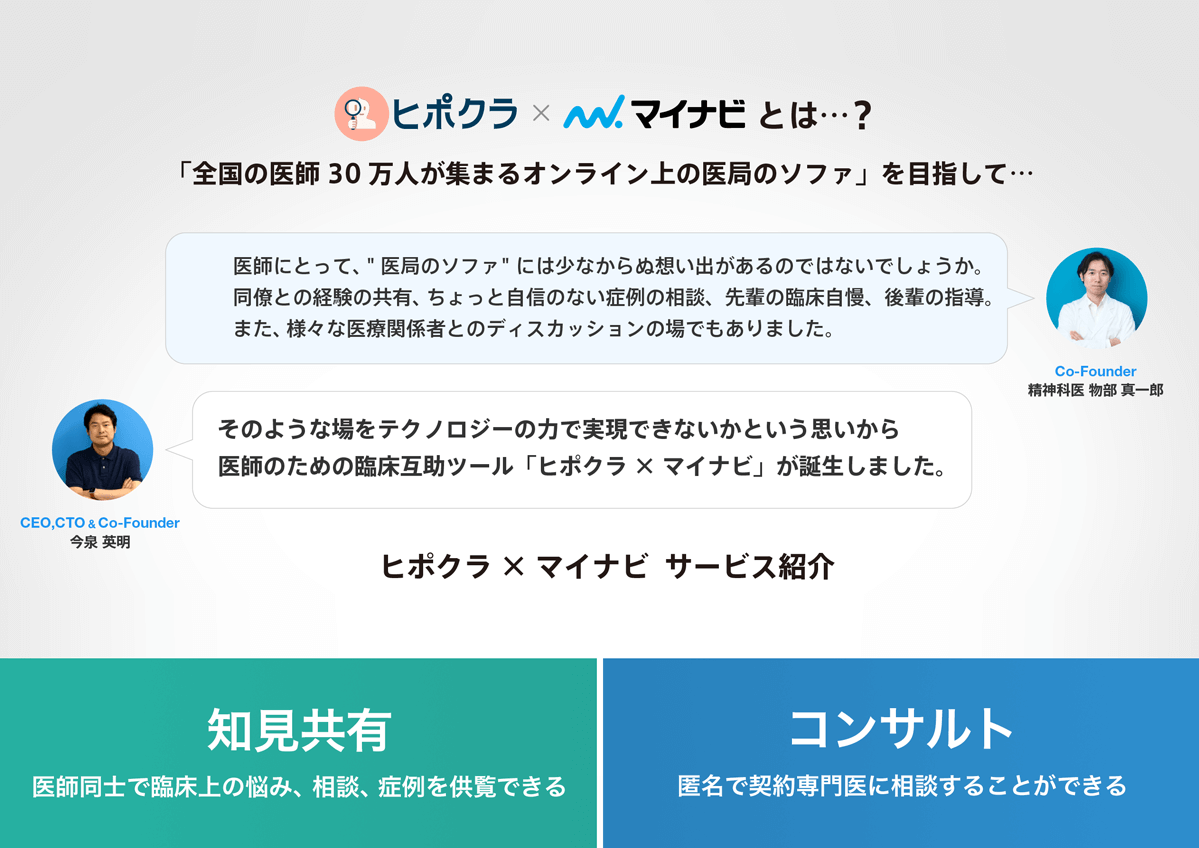
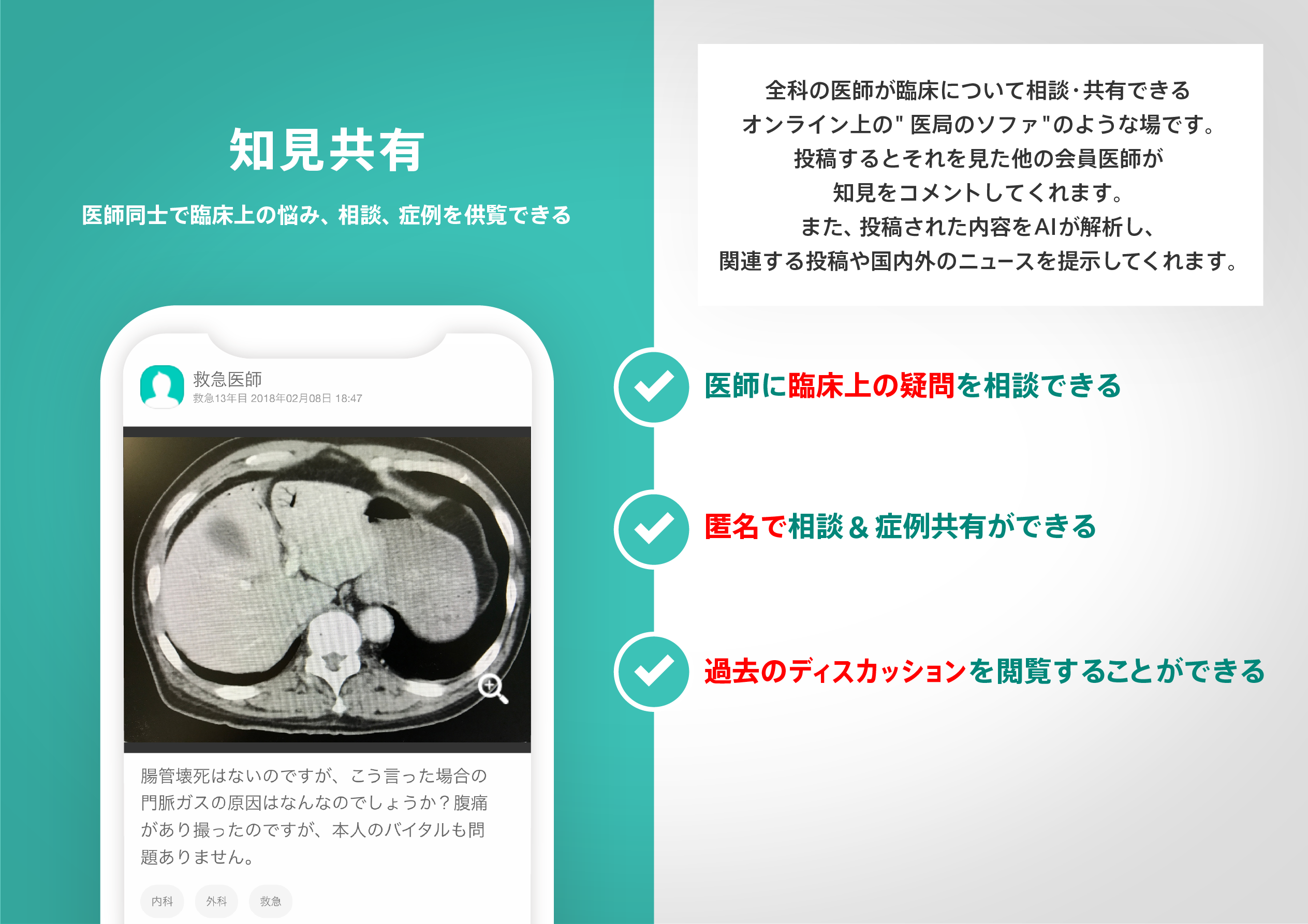
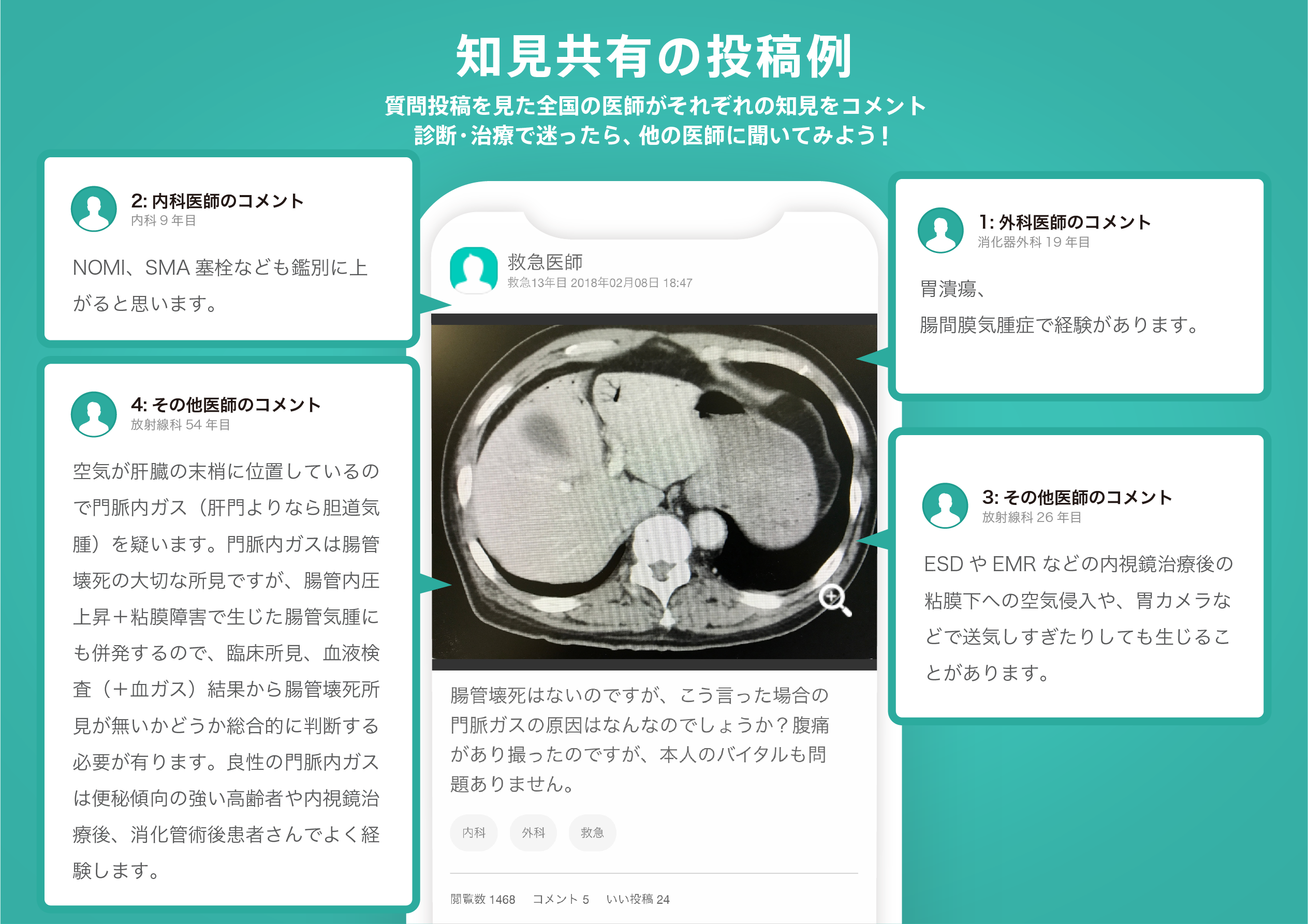
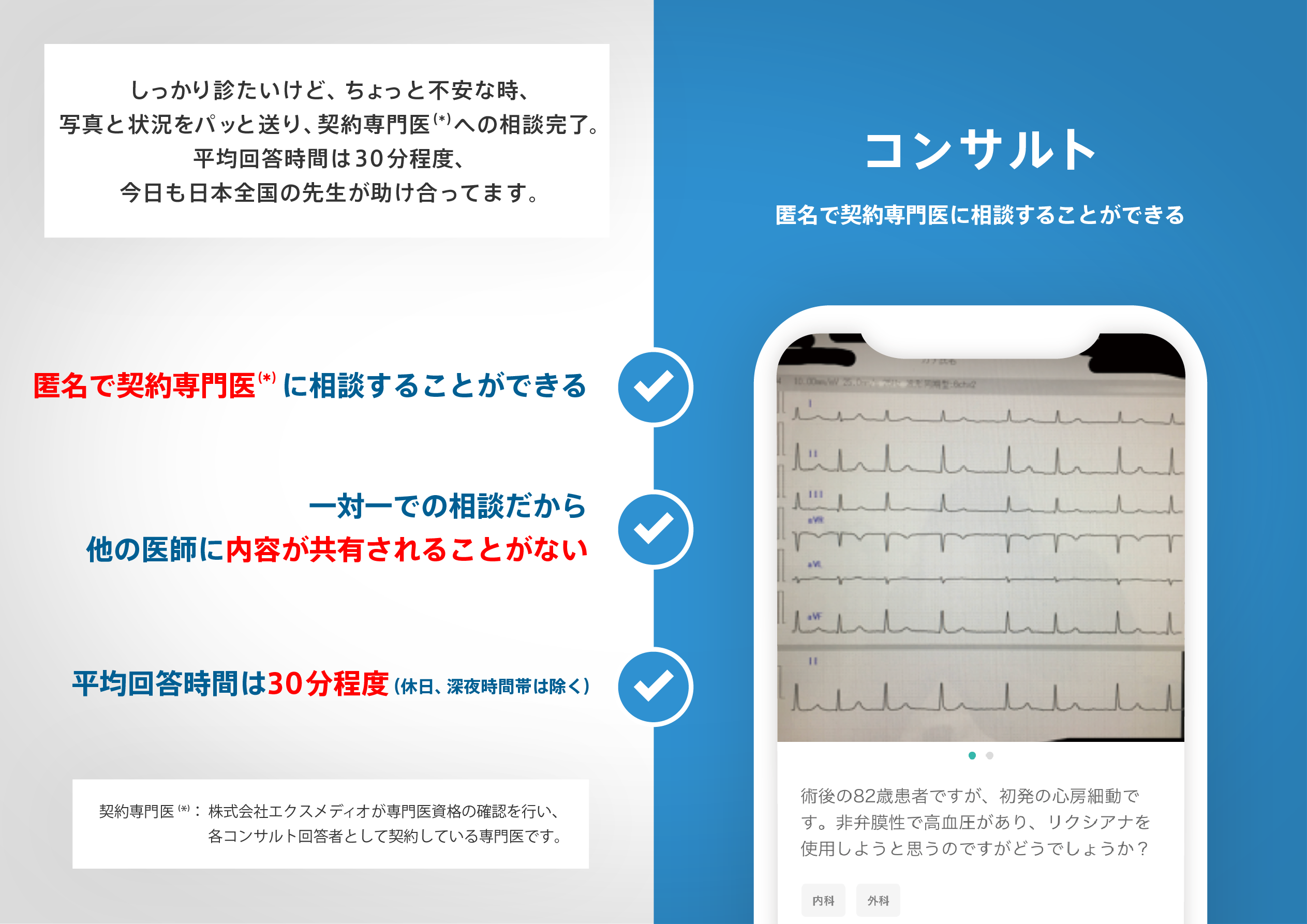
ヒポクラ x マイナビのご紹介

無料会員登録していただくと、さらに便利で効率的な検索が可能になります。