著名医師による解説が無料で読めます
すると翻訳の精度が向上します
背景:11q23ヤコブセン症候群としても知られる削除症候群は、成長遅延、精神運動遅延、顔面異常、複数の先天性異常、および血小板減少症によって特徴付けられます。11Q23欠失症候群では、出血の重症度を予測することはしばしば困難です。血小板数で予測されるよりも深刻な出血を伴う11q23欠失症候群の新生児症例を報告します。 症例の提示:出生直後に重度の出血を伴うアジアの男性の新生児における11q23欠失症候群の症例を報告します。11q23欠失症候群の診断は、羊水穿刺により出生前に行われました。アレイ比較ゲノムハイブリダイゼーション分析により、11q24.1からFLI1をコードするQ末端までの13.0 MB領域の欠失が明らかになりました。私たちの患者は帝王切開によって出産され、頭蓋骨の変形、顔の非対称性、低セットの耳、gu径ヘルニア、扁平足、混雑したつま先を示しました。彼は、血小板数が少ない(45,000/μL)、プロトロンビン時間インターナショナル正規化比が1.92で、活性化された部分トロンボプラスチン時間が158.6秒でした。末梢血管穿刺の部位での出血は、血小板減少症で予想よりも深刻でした。末梢血は、大きなα顆粒を含む2つの異なるサイズの血小板を特徴としていました。その結果、彼は出生後13日以内に8つの血小板輸血と2つの新鮮な凍結血漿輸血が必要でした。大量の出血は回避され、脳の磁気共鳴画像法は、点状出血のみの発生を示しました。 結論:FLI1を含む11Q削除を伴う患者は、出生前診断後の慎重な管理のために、大規模な出血と深刻な後遺症を避けました。帝王切開を含む出生前診断と激しい周産期ケアは、11Q23欠失症候群の患者に対して保証されることをお勧めします。
背景:11q23ヤコブセン症候群としても知られる削除症候群は、成長遅延、精神運動遅延、顔面異常、複数の先天性異常、および血小板減少症によって特徴付けられます。11Q23欠失症候群では、出血の重症度を予測することはしばしば困難です。血小板数で予測されるよりも深刻な出血を伴う11q23欠失症候群の新生児症例を報告します。 症例の提示:出生直後に重度の出血を伴うアジアの男性の新生児における11q23欠失症候群の症例を報告します。11q23欠失症候群の診断は、羊水穿刺により出生前に行われました。アレイ比較ゲノムハイブリダイゼーション分析により、11q24.1からFLI1をコードするQ末端までの13.0 MB領域の欠失が明らかになりました。私たちの患者は帝王切開によって出産され、頭蓋骨の変形、顔の非対称性、低セットの耳、gu径ヘルニア、扁平足、混雑したつま先を示しました。彼は、血小板数が少ない(45,000/μL)、プロトロンビン時間インターナショナル正規化比が1.92で、活性化された部分トロンボプラスチン時間が158.6秒でした。末梢血管穿刺の部位での出血は、血小板減少症で予想よりも深刻でした。末梢血は、大きなα顆粒を含む2つの異なるサイズの血小板を特徴としていました。その結果、彼は出生後13日以内に8つの血小板輸血と2つの新鮮な凍結血漿輸血が必要でした。大量の出血は回避され、脳の磁気共鳴画像法は、点状出血のみの発生を示しました。 結論:FLI1を含む11Q削除を伴う患者は、出生前診断後の慎重な管理のために、大規模な出血と深刻な後遺症を避けました。帝王切開を含む出生前診断と激しい周産期ケアは、11Q23欠失症候群の患者に対して保証されることをお勧めします。
BACKGROUND: 11q23 deletion syndrome, also known as Jacobsen syndrome, is characterized by growth retardation, psychomotor retardation, facial dysmorphism, multiple congenital abnormalities, and thrombocytopenia. In 11q23 deletion syndrome, it is often difficult to anticipate the severity of bleeding. We report a neonatal case of 11q23 deletion syndrome with bleeding that was more severe than predicted by the platelet count. CASE PRESENTATION: We report a case of 11q23 deletion syndrome in an Asian male newborn with severe bleeding just after birth. The diagnosis of 11q23 deletion syndrome was made prenatally by amniocentesis. An array comparative genomic hybridization analysis revealed a deletion of the 13.0 Mb regions ranging from 11q24.1 to the q terminus encoding FLI1. Our patient was delivered by cesarean section and exhibited skull deformities, facial asymmetry, low-set ears, inguinal hernia, flat feet, and crowded toes. He had a low platelet count (45,000/μL) and a coagulation abnormality with a prothrombin time-international normalized ratio of 1.92 and an activated partial thromboplastin time of 158.6 seconds. Bleeding at the site of a peripheral vessel puncture was more severe than expected with thrombocytopenia. The peripheral blood featured two different sizes of platelets containing large α-granules. As a result, he required eight platelet transfusions and two fresh frozen plasma transfusions within 13 days of birth. Massive bleeding was avoided, and cerebral magnetic resonance imaging indicated the occurrence of only petechial hemorrhage. CONCLUSIONS: Our patient with 11q deletion including FLI1 avoided massive bleeding and serious sequelae because of careful management after prenatal diagnosis. We suggest that prenatal diagnosis and vigilant perinatal care including a cesarean section are warranted for patients with 11q23 deletion syndrome.
医師のための臨床サポートサービス
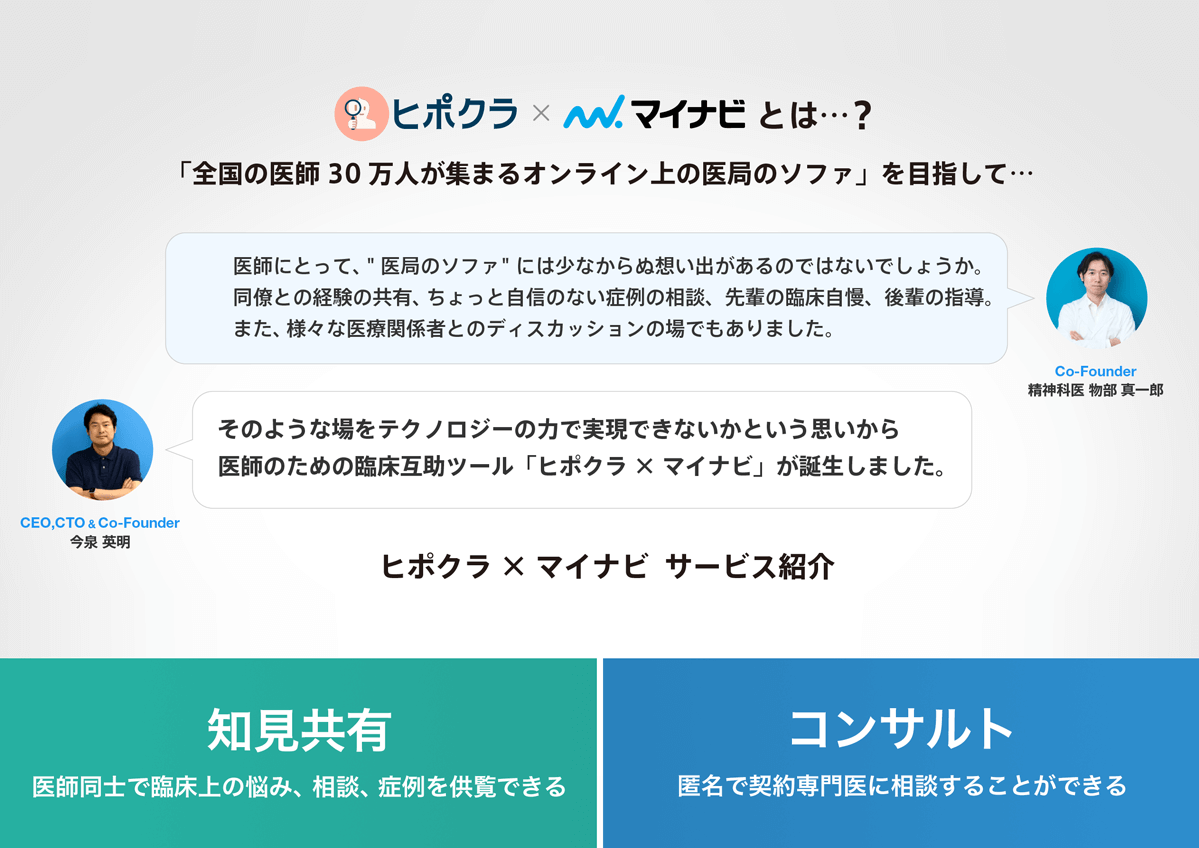
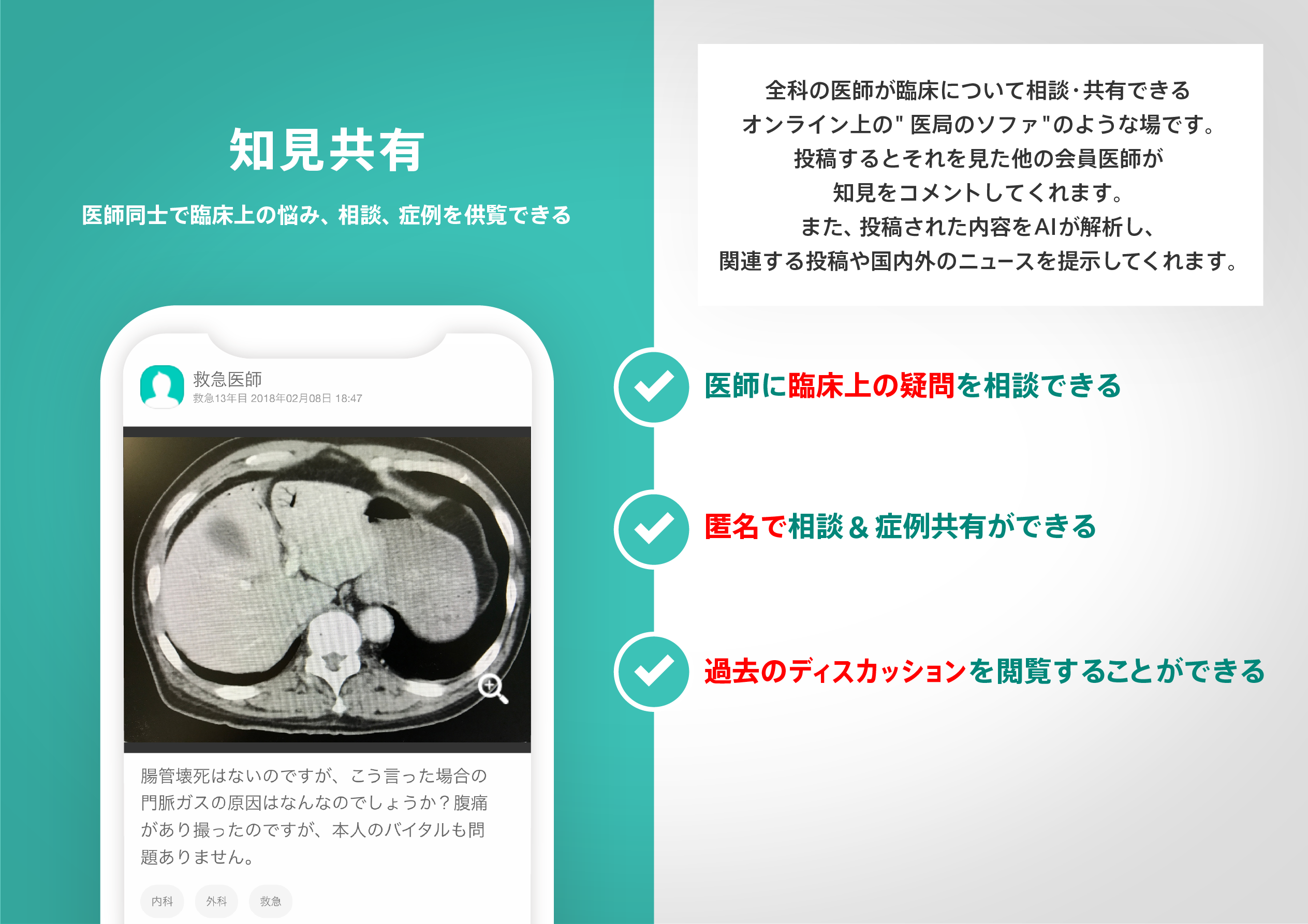
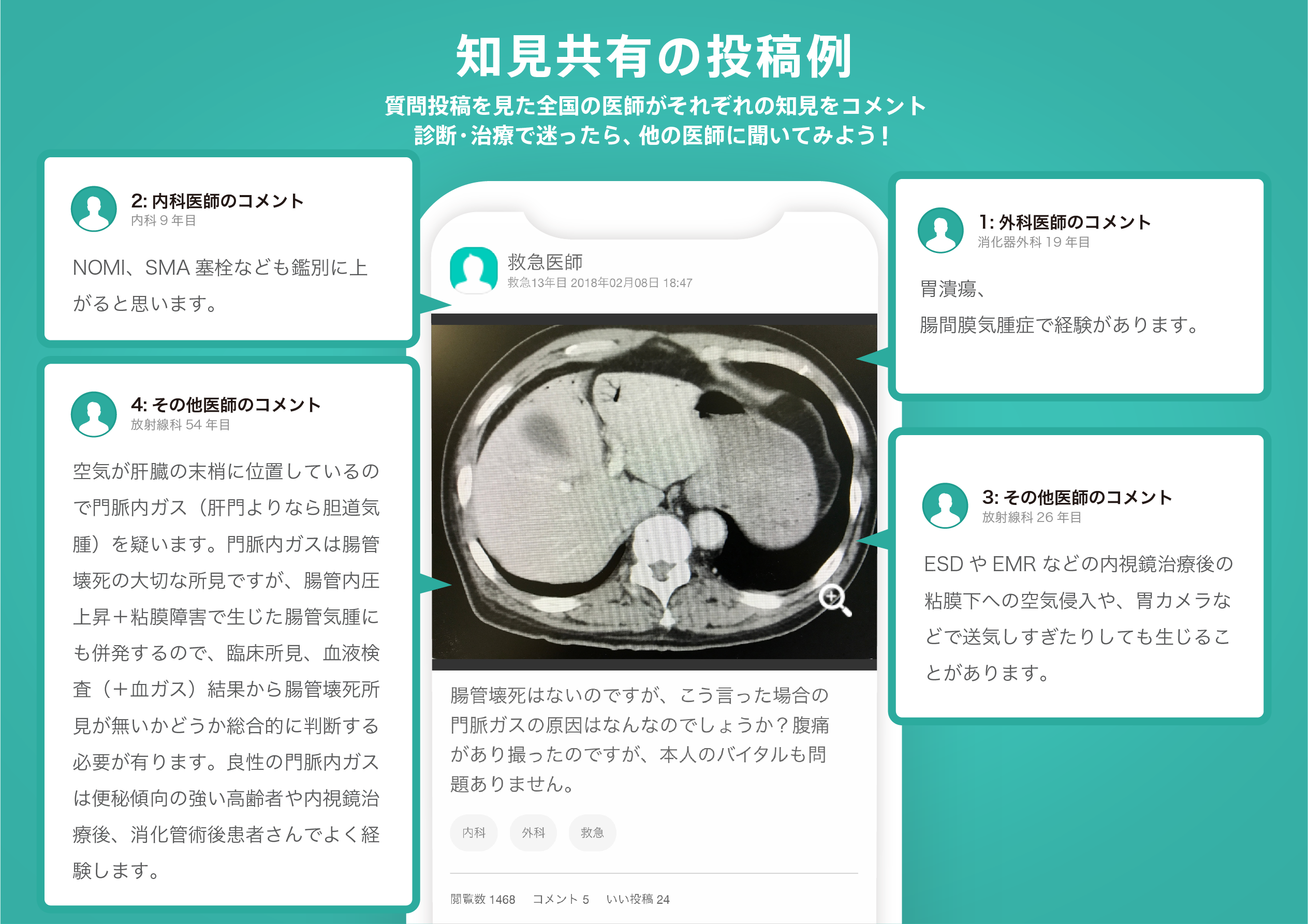
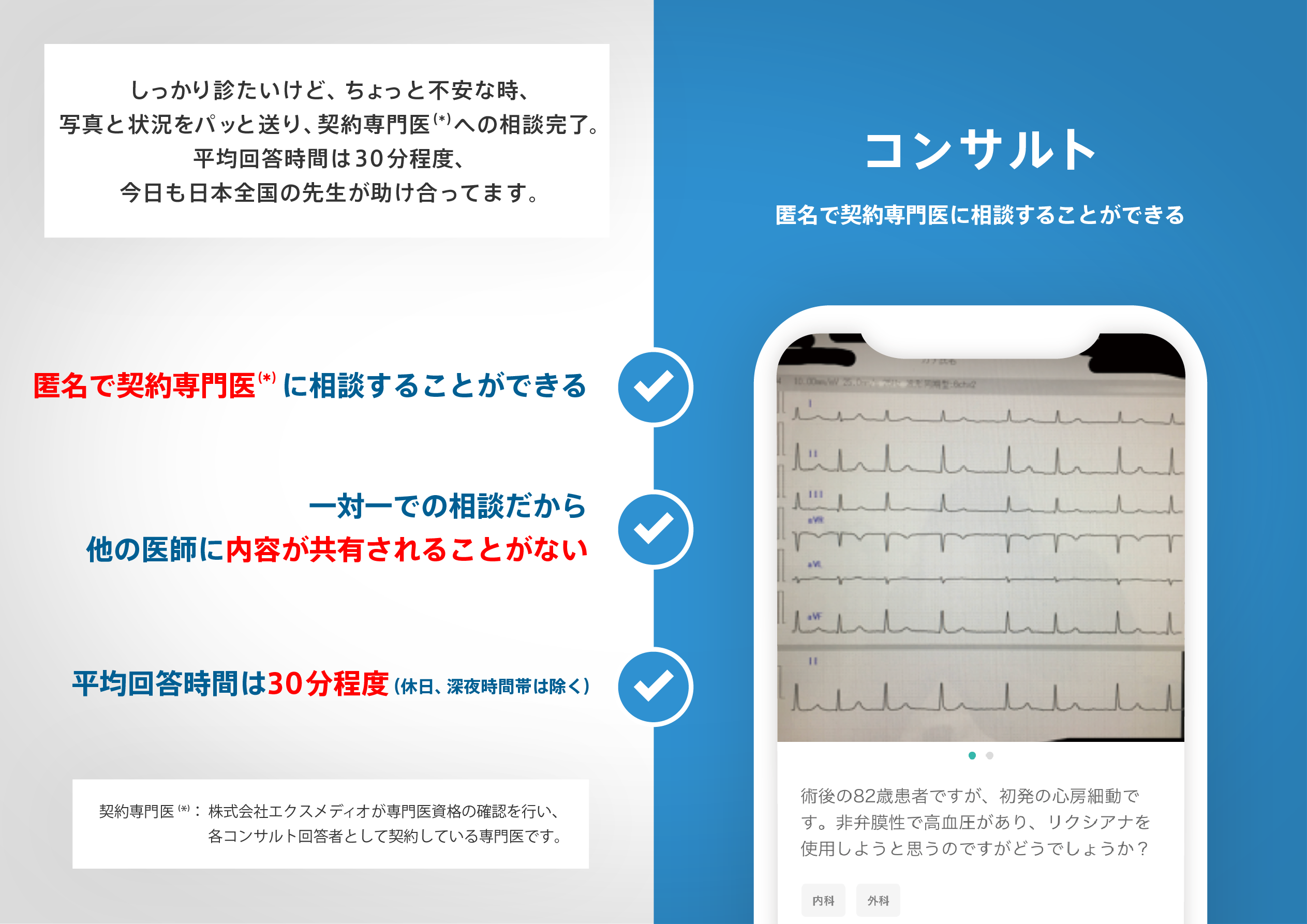
ヒポクラ x マイナビのご紹介

無料会員登録していただくと、さらに便利で効率的な検索が可能になります。